
A PG&E plan to replace natural gas pipes could block bike path on Yolo Causeway
AI-generated summary reviewed by our newsroom.
- PG&E pipeline project may block Yolo Causeway bike path for months in 2027–2028.
- SABA and West Sacramento’s mayor oppose closure, citing commuter safety and access issues.
- Alternatives include shuttles and rerouting, though advocates call them inadequate.
A Pacific Gas and Electric Co. project to replace two natural gas pipelines could block access for months to a walkway on the Yolo Causeway used daily by hundreds of cyclists and pedestrians.
Twelve-inch and 16-inch conduits are buried underneath a levee at Prospect Slough — a wetland in West Sacramento on the Yolo Bypass — and they pump natural gas to Sacramento and its surrounding communities. The utility proposed placing equipment along the bike path and deems installing new pipes as “important for the long-term safety and reliability for our customers,” PG&E spokesperson Paul Moreno wrote in an email.
Closure of the bike path to undertake this project has drawn opposition from cycling proponents and West Sacramento Mayor Martha Guerrero. Construction could last about four months in 2027 and about a month in 2028, depending on permit approval, Moreno wrote in an email.
“It’s completely unacceptable,” said Deb Banks, the executive director of Sacramento Area Bicycle Advocates, or SABA.
The project aims to address stress from “soil conditions” on the existing pipelines. Utilities, the levee and Interstate 80 limit where workers can place boring equipment around Prospect Slough, Moreno wrote.
“PG&E is however investigating potential alternatives that would allow bicycle traffic to continue as we recognize this is a well-traveled bike path used by commuters,” he wrote.
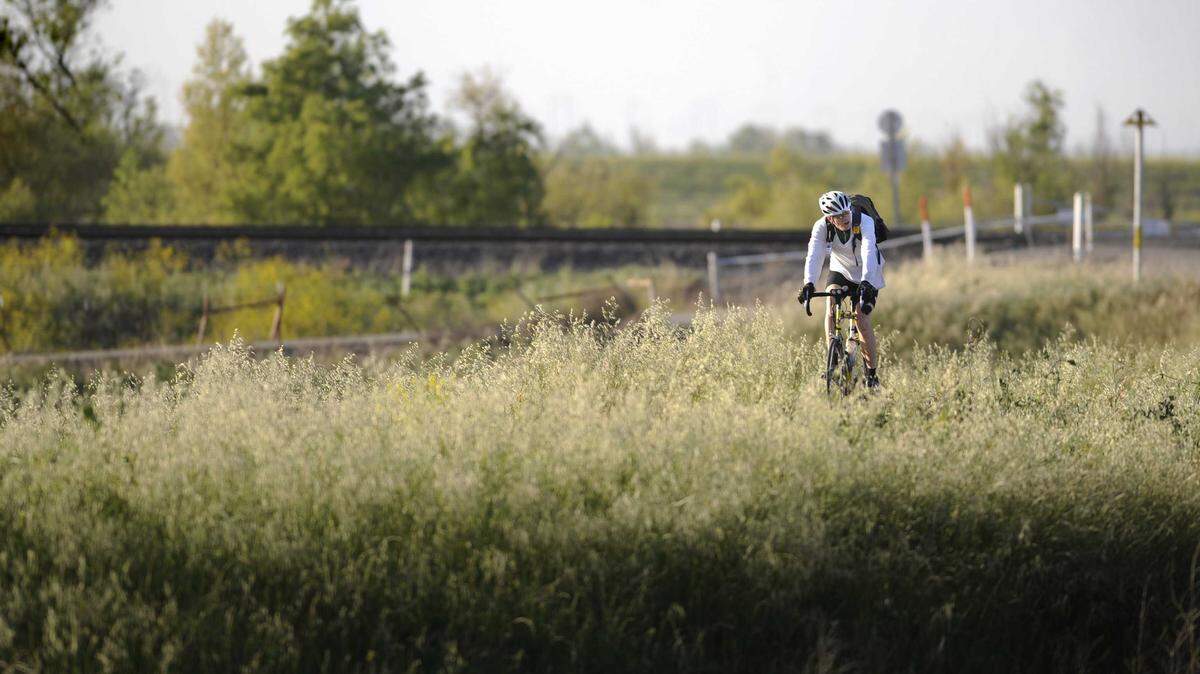
More than 200 riders, including college students, pedal daily across the connector to Davis, according to SABA. It added Caltrans and PG&E have proposed a shuttle service, another plan which SABA deems infeasible to accommodate every person using the walkway.
Caltrans did not respond to a request for comment.
If the bike path closes, the alternative routes lengthen commutes for riders and force pedestrians to travel dangerous roads, Banks said. Often, many without a car traverse the walkway at night when commuting, she said.
SABA suggested trucks park in a separate parking lots adjacent to the area, Banks said, who added those spaces are never full. The advocacy group also proposed rerouting the entrance for cyclists through building an inexpensive temporary bike path.
The idea of shuttering a critical junction has prompted many frequent Yolo Causeway cyclists to contemplate other options.
Sacramento resident Jeff Bruchez believes society should not be heavily reliant on cars as a transportation mode. Depending on the season and weather, Bruchez bikes across the Yolo Causeway to get his job at UC Davis about two to three times a week.
The approximate 18-mile, one-way trip allows him time to ride with friends and the flexibility to leave at a time that best suits his schedule. He spots a diverse population while biking, filled with state workers, students and recreationists.
But now, the proposed closure may leave him no other choice but pay to ride the Capital Corridor or take the bus. Any other cyclist routes will triple the distance for him, sending him through Woodland.
“There is no safe, reasonable alternative,” he said.
Guerrero, the West Sacramento mayor, said there is still time to work through alternatives to keep access unfettered on the Yolo Causeway. Obstructing the access point, could go against her plans to encourage environmentally friendly travel options.
“It’s a setback from our goal to get people on their bikes,” she said.
This story was originally published September 28, 2025 at 5:00 AM.