Sacramento spent $120 million in 5 years on homeless shelters. Has it worked?
In an industrial area eight miles northeast of downtown Sacramento, construction workers drive red excavators, turning a parking lot and former office building into a large homeless shelter. At $64 million, or $230,000 per bed, it will be the most expensive shelter to open in Sacramento history.
The 275-bed shelter is partly modeled after eight other shelters the city and county have opened in recent years — shelters that elected officials frequently tout as successes. The city and county of Sacramento have spent $120 million of local, state and federal funding in the last five years to build and operate those shelters — the cornerstone of local government’s strategy in responding to the crisis.
One in five guests who have exited the shelter have moved into permanent housing.
A Sacramento Bee investigation found:
- Sacramento city and county together earmarked about $120 million in taxpayer money — from a mix of local, state and federal sources — on building and staffing eight homeless shelters with a total of about 950 beds from July 2020 through 2025. That’s about $126,315 per bed.
- So far, about 5,393 people have exited the shelters. About 1,098 of those have secured permanent housing or permanently live with friends or family — 20%.
- The city and county do not track how long people stay housed. An expert said the real proportion of people housed long term is likely significantly lower than 20%.
- Despite a track record that leaves four out of five people still homeless, the county is continuing to invest in the shelter model. It’s paying $64 million to build a homeless shelter with 275 beds. Included in that, the county in 2022 paid about $23 million for a property that had sold for about $12 million the previous year.
“Pouring all our money into shelter and doing more and more shelter is just kicking the can down the road,” said Dennis Culhane, a social scientist at University of Pennsylvania and longtime federal adviser on homelessness. “It’s avoiding the fact that at the end of day, the only way you get people out of homelessness is paying their rent.”
To investigate shelter spending, The Bee, through a California Public Records Act request, obtained all contracts the city and county signed with entities dating back to January 2020 to build and run its shelters.
‘Like we were still homeless’
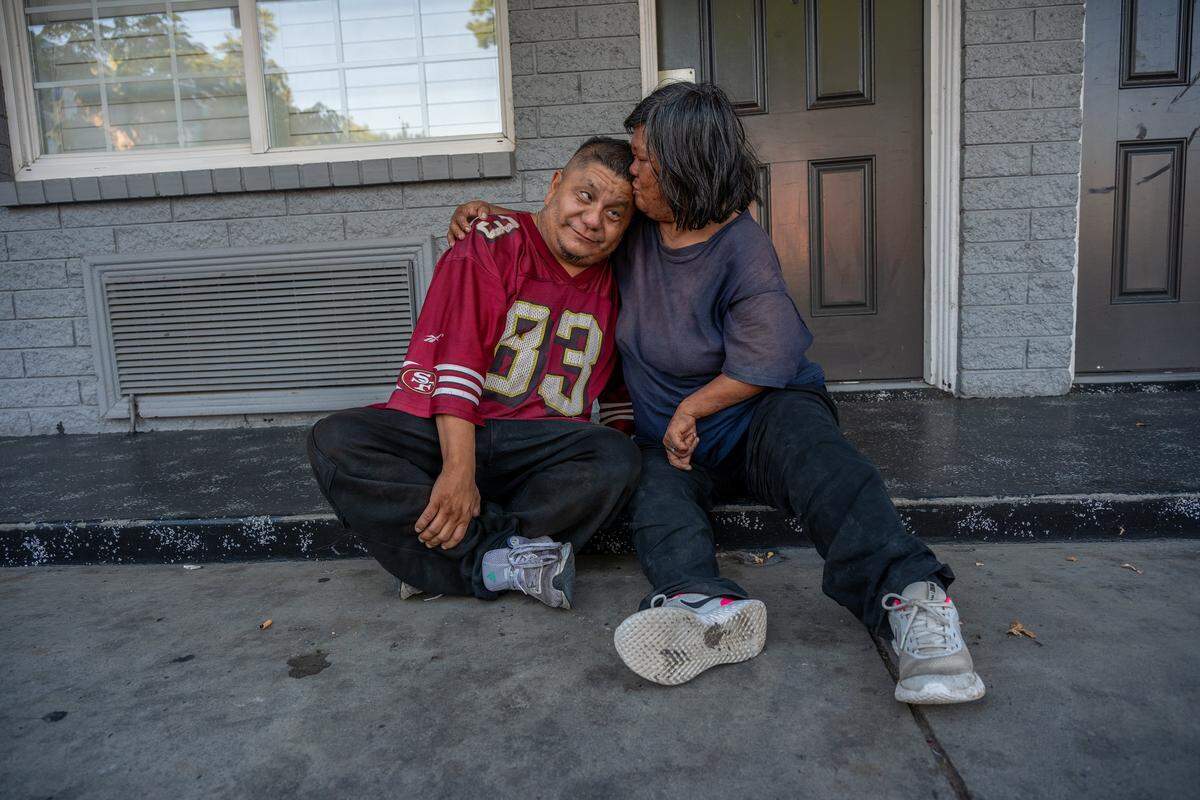
After spending 14 months in the city’s Roseville Road shelter in trailers that had no power, air conditioning or heat, Mane “Jessica” and Felipe Davila were thrilled finally to get housing, facilitated by case workers employed by nonprofit shelter operator First Step Communities.
By the time they left, the city had spent about $20,000 keeping the couple in their shelter beds for that period of time, plus about $3,500 on their deposit and first two months of rent.
Once they finally acquired their keys, Felipe Davila, 49, was especially excited to cook tamales and enchiladas — his favorite foods — in his new kitchen.
But the apartment was actually just a bedroom in a shared home. They weren’t allowed to cook between 7 a.m. and 7 p.m., do laundry after 4 p.m. or be out past 10 p.m, Mane Davila said. They were bitten by bed bugs. Their landlord charged them a combined $1,550 a month in rent.
“She took that much money from us and we couldn’t even use the stove,” said Mane Davila, 50, a Thai immigrant. “She treated us like we were still homeless.”
After the two months of rental assistance ran out, the Davilas said that although each of them received Social Security checks of about $1,000 a month, they could not afford to put the majority of it toward rent to stay.
In July, the couple returned to living on the streets of downtown Sacramento, where they remain.
Their story offers a longer-term look at the outcomes of people exiting Sacramento’s shelter system. The official data include the Davilas among the 1,094 people the city and county considers housed from the eight shelters, despite that they are back on the streets.
Is shelter still needed?
City and county officials defended the large shelters as an important part of a “multi-prong” approach to addressing the crisis.
“The City of Sacramento is committed to responding to the homelessness crisis in the most effective and efficient way possible,” said Julie Hall, a city spokesperson. “Over the years, we have used data and evidence-based practices to improve our systems to best support unsheltered residents while protecting the health and safety of our communities.”
Janna Haynes, a county spokesperson, echoed the sentiment.
“The county’s investment in shelter is born from proven, data drive solutions,” Haynes said. “(The shelters provide) mental health, substance abuse treatment, job training, certifications, transportation to jobs or appointments, DMV vouchers for IDs, clothing, clearing misdemeanors or evictions off records, child services, and ongoing supportive services. The list of supports and services our shelters and staff offer are long and are used by the majority of the people we serve.”
Though he said it’s typical for shelters across the country to only house about 20% of guests, Culhane agreed that some type of shelter is still needed, especially to move people out of dangerous and even deadly weather. Heat and hypothermia have killed homeless people in the California capital, including Francisco R. Ramirez, a 58-year old father of six who froze to death on a Sacramento sidewalk in November 2022.
But there are much cheaper ways to provide emergency shelter, which could help many more of the 4,000 people on the wait list for a Sacramento shelter bed, he said.
Arturo Baiocchi, a Sacramento State social work professor, pointed to Camp Resolution, the former city-sanctioned encampment, as an example of a cheaper and more effective model.
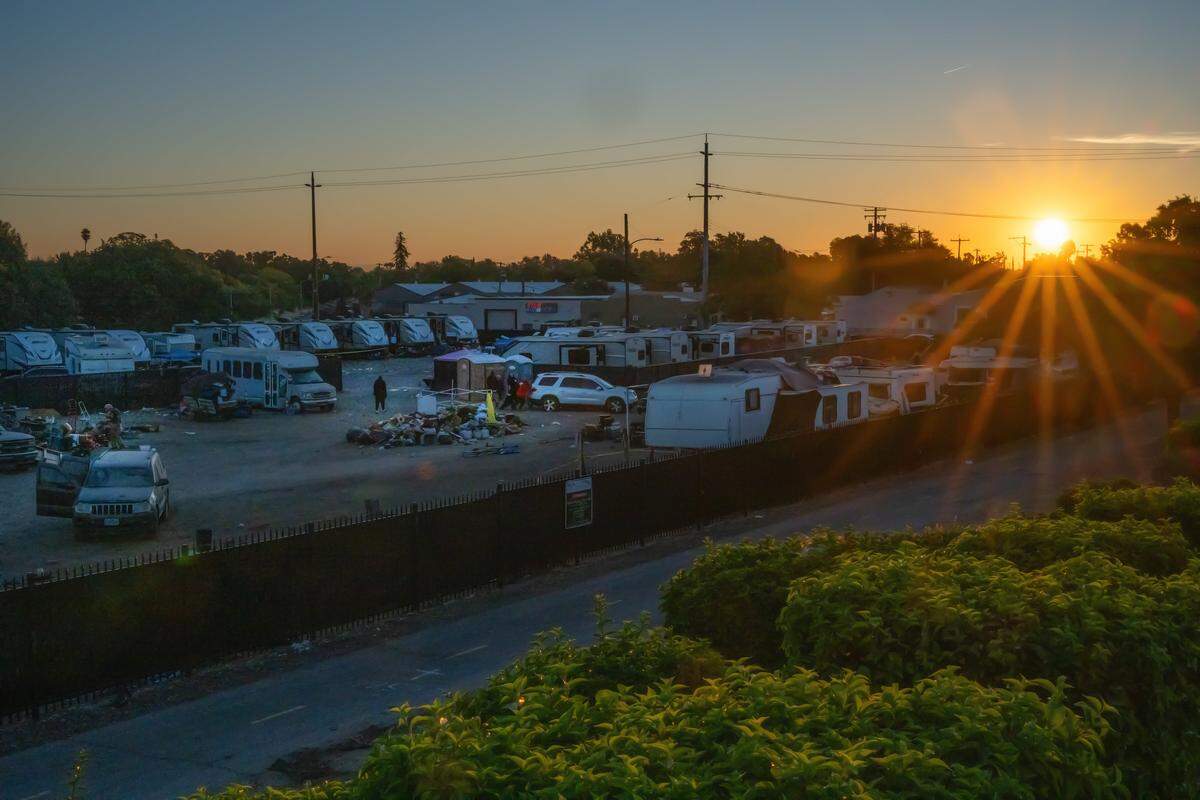
During the two years it was open, about 50 people lived in city-issued trailers on a city lot. While there, 16 residents were able to navigate the tenuous process to place themselves into permanent housing on their own, according to Sacramento Homeless Union President Crystal Sanchez.
That’s in contrast to the 11 who obtained permanent housing in the first nine months of a 175-bed, city-county Stockton Boulevard shelter which cost $23 million to build and is costing $6 million a year to run.
Baiocchi said that although Camp Resolution didn’t have case workers tasked with helping people find housing, the residents at least had their basic needs met: shelter, laundry, food, showers and bathrooms. That allowed them time and capacity to focus on filling out the myriad applications affordable housing programs require.
Tammy Myler was one of the Camp Resolution residents who found housing while she was there. It was housing she had applied for five years prior while staying at the city’s now-closed Railroad Drive shelter.
“It just gave me a safe haven,” Myler said of the now-closed Camp Resolution in North Sacramento. “A place I could work on getting housing, where I wasn’t going to be swept, or have to worry about people messing with me.”
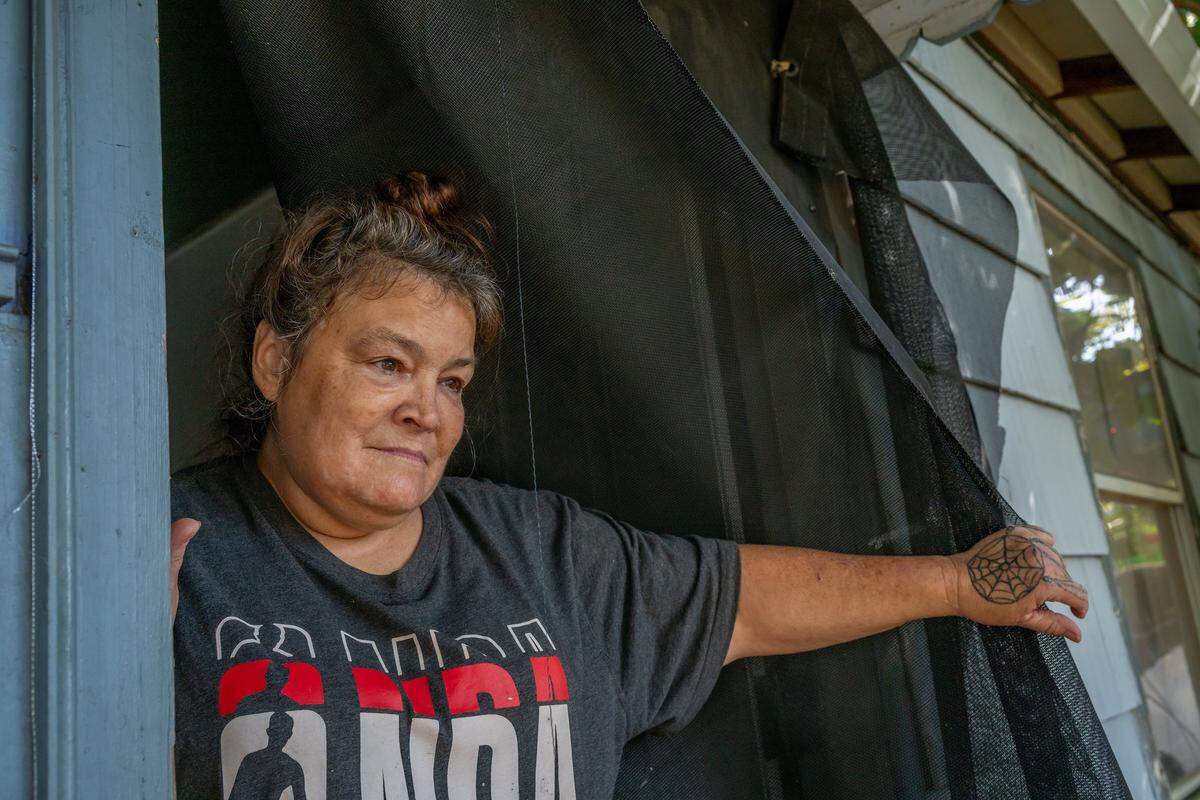
In August 2024, city leaders and the property owner shut down Camp Resolution in a dramatic sweep. The city now has no plans to allow more self-governed camps modeled after Camp Resolution, Brian Pedro, director of the city’s Department of Community Response, told the City Council on Sept. 17.
There is currently no homeless shelter on the city site, though the city paid $617,000 to fence and pave it for a homeless shelter in 2023.
Baiocchi said the city’s stance against new self-governed camps is a mistake. He said it was special — for reasons including but not limited to the neighborhood barbecues its residents hosted and the art pieces they installed around the perimeter.
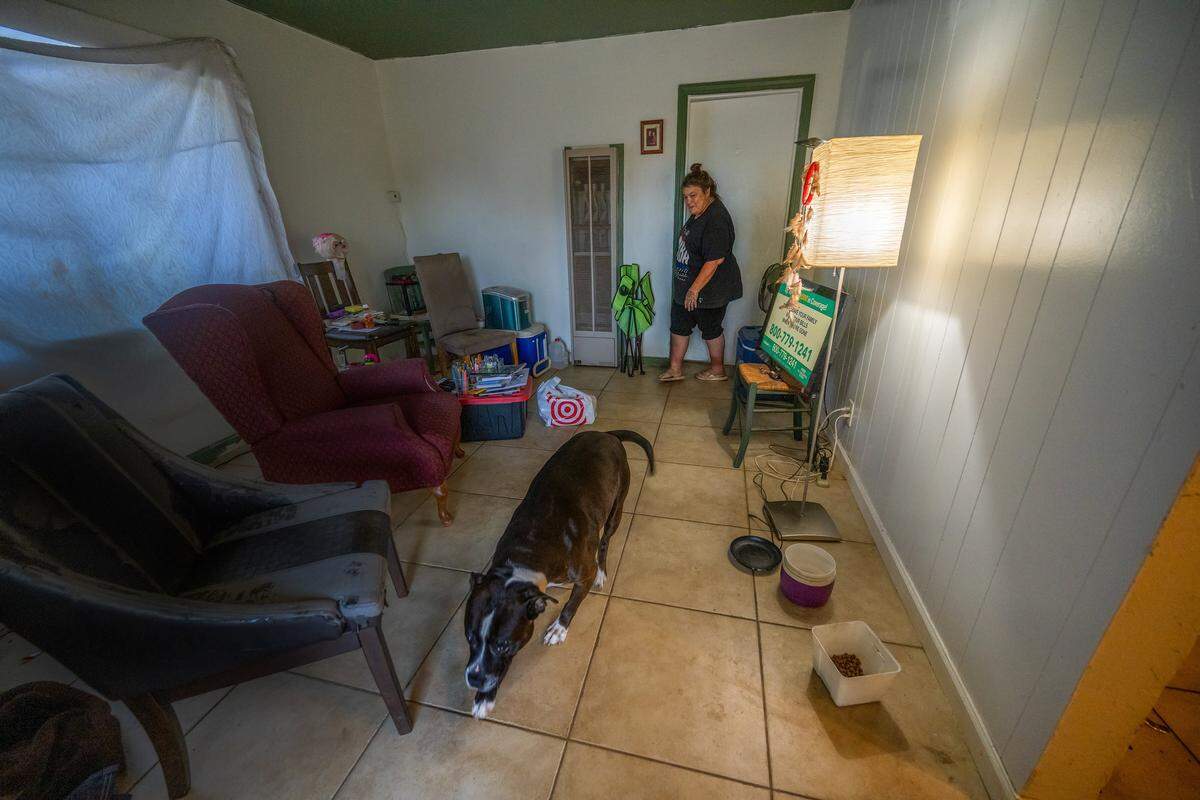
“The thing that all government-run shelter programs lack is a sense of community,” said Baiocchi. “Roseville Road has no sense of community. People feel controlled. At Camp Resolution, people had a stake in what they were creating. A sense of community. It was organic.”
In addition, Camp Resolution was virtually free to the city, aside from the cost of trash pickup and lending the trailers.
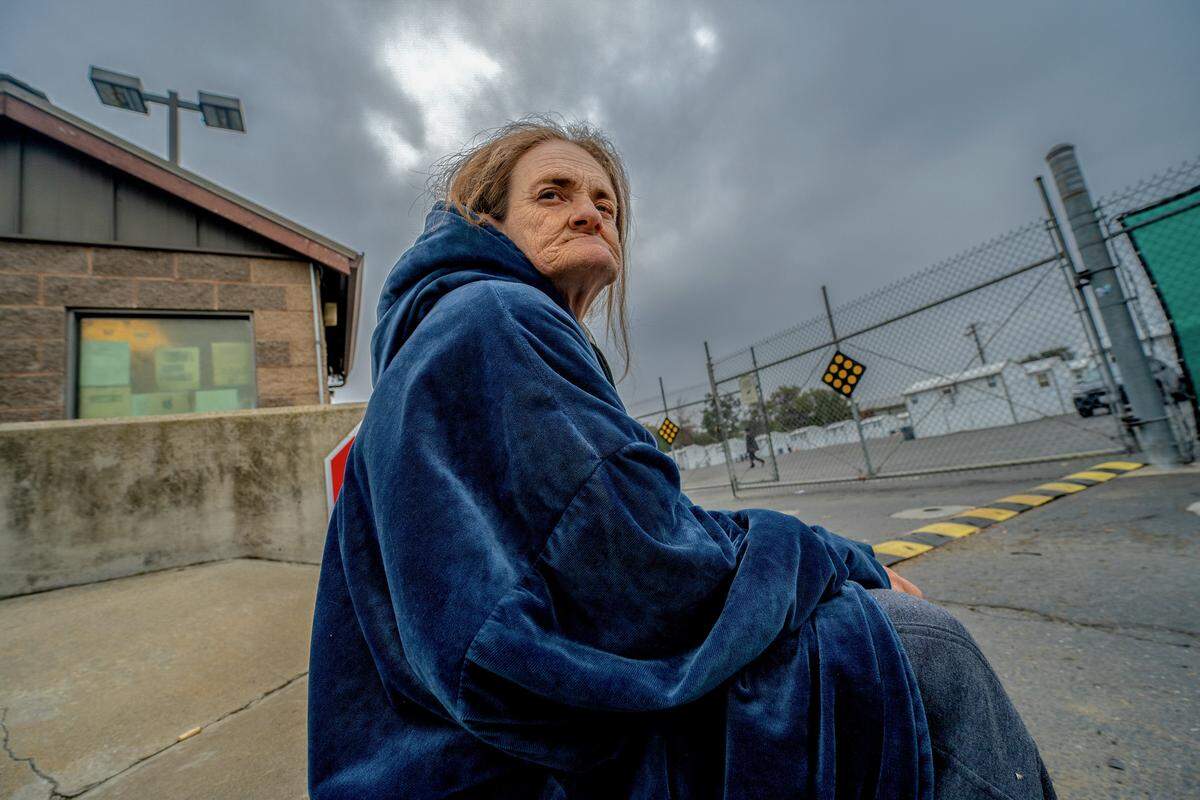
Susan Alhaqq, 54, has been staying at the Roseville Road shelter for 15 months, since the city closed Camp Resolution. She said she and her husband have been “document ready” for over six months. She collects Social Security, but they have still not been placed in housing.
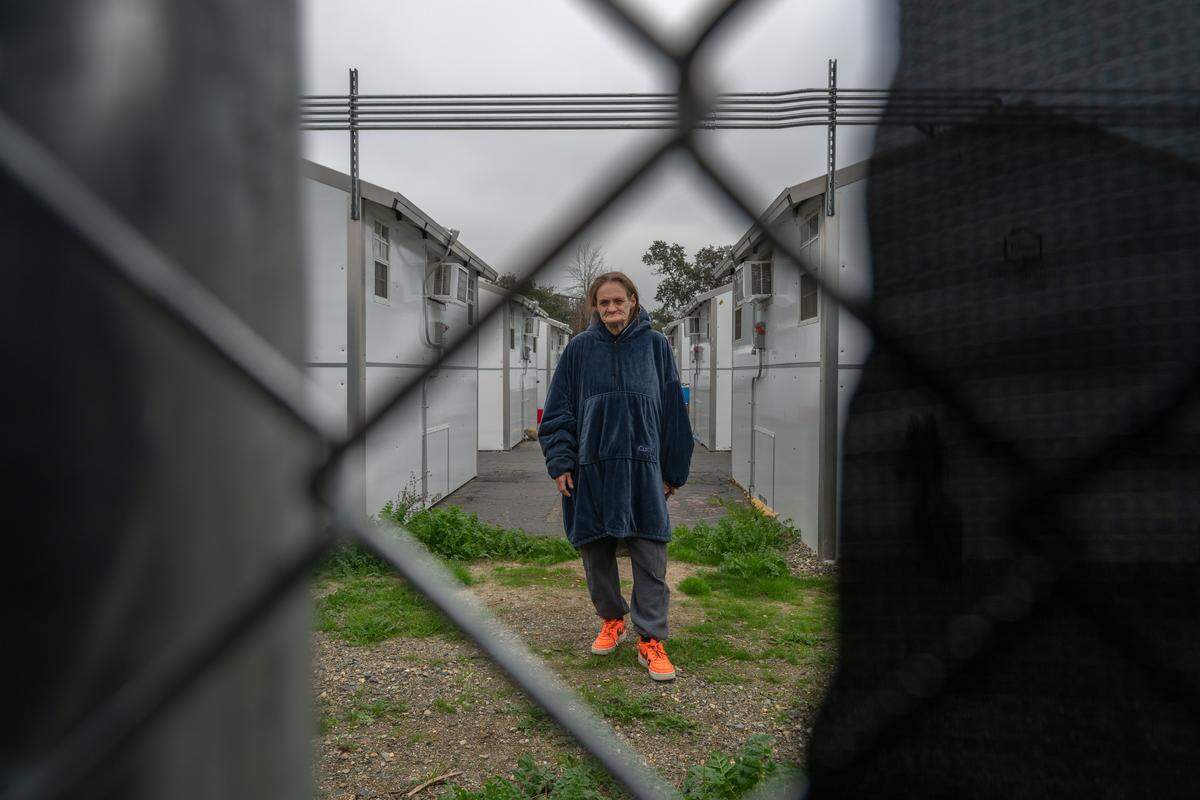
“It seems like there’s no solution of me getting out of here,” said Alhaqq, who’s preparing to spend her second Christmas in the shelter.
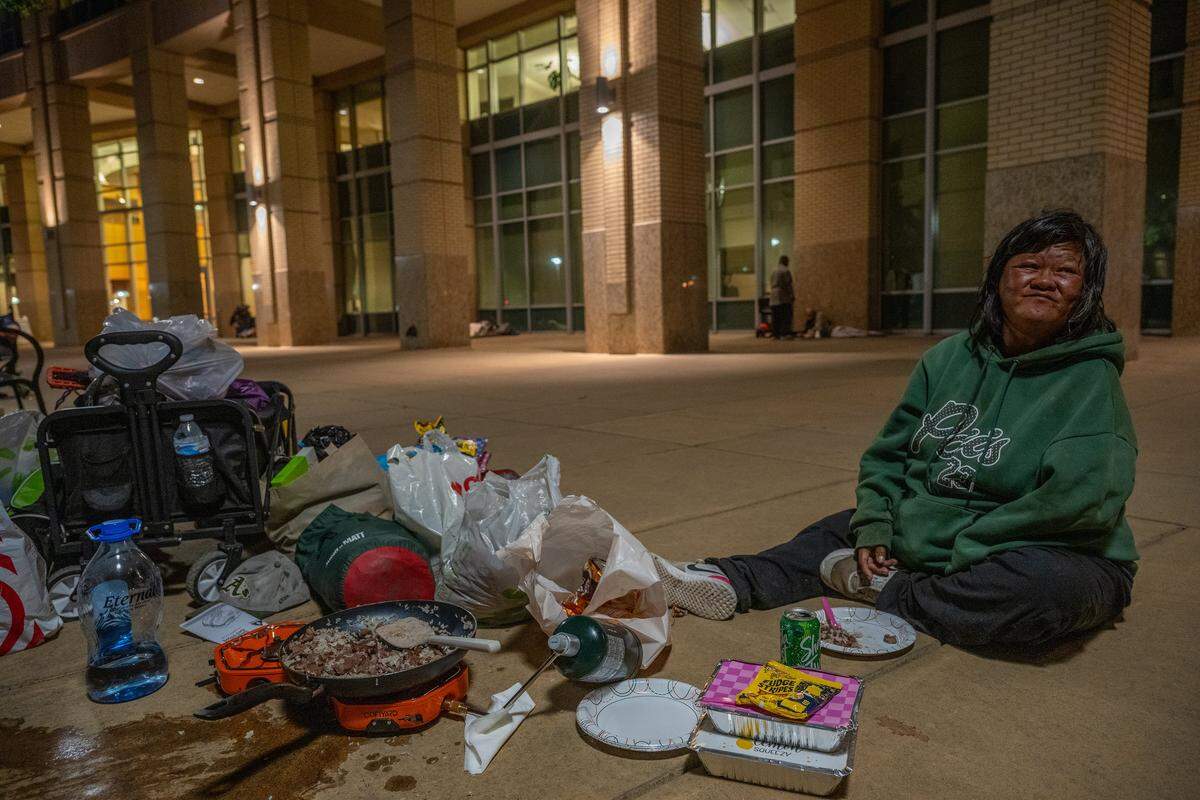
The Davilas meanwhile, are back to sleeping downtown in a tent. When they first left the home, they returned to a spot they had frequented before: City Hall, whose overhangs shielded them from rain.
But the City Council banned camping there earlier this year, meaning it could be a difficult winter.
“It feels really weird coming back out here on the streets,” said Mane, whose left arm is paralyzed. “It’s like starting all over again.”
The Bee’s Renée C. Byer contributed to this story.
Stay tuned: This story is the first in a three-part series. Parts 2 and 3 will be published Friday at sacbee.com.
This story was originally published December 11, 2025 at 5:00 AM.