Prosecuting the Golden State Killer: 6 takeaways from Q&A with Sacramento County DA
“If anybody ever deserved the death penalty, it was Joseph DeAngelo.”
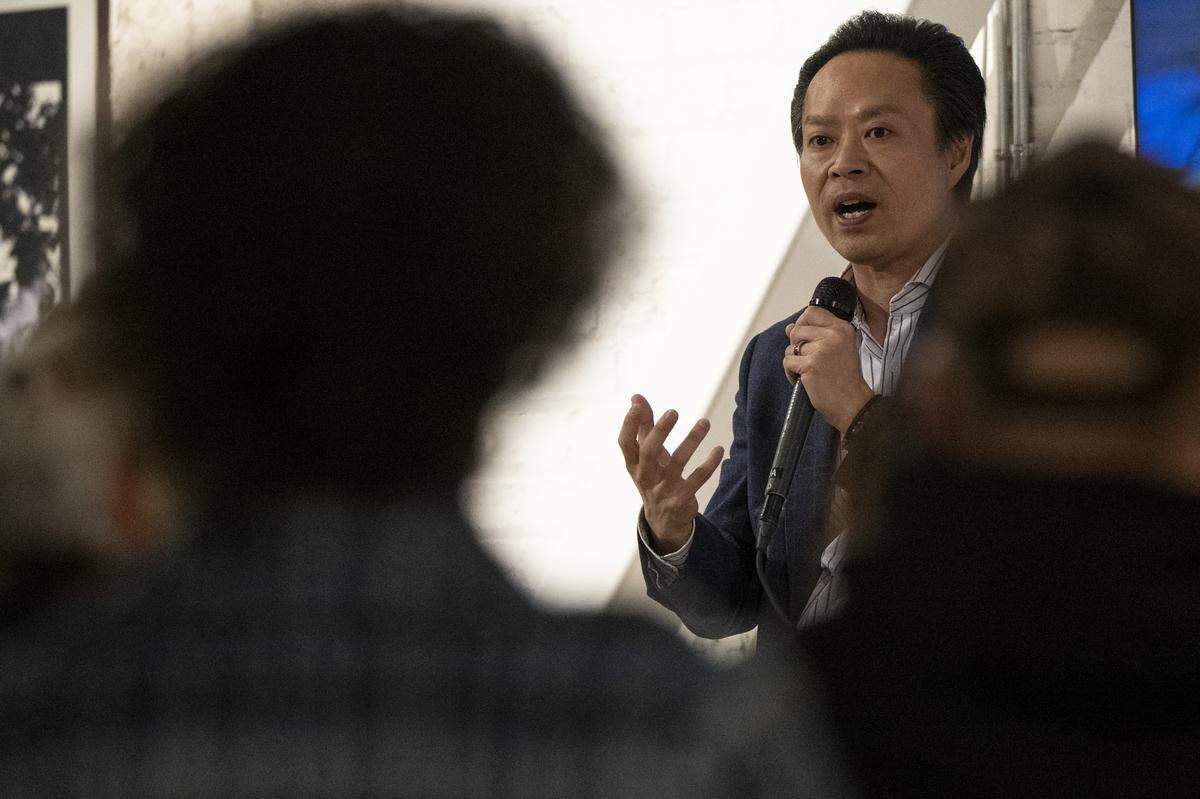
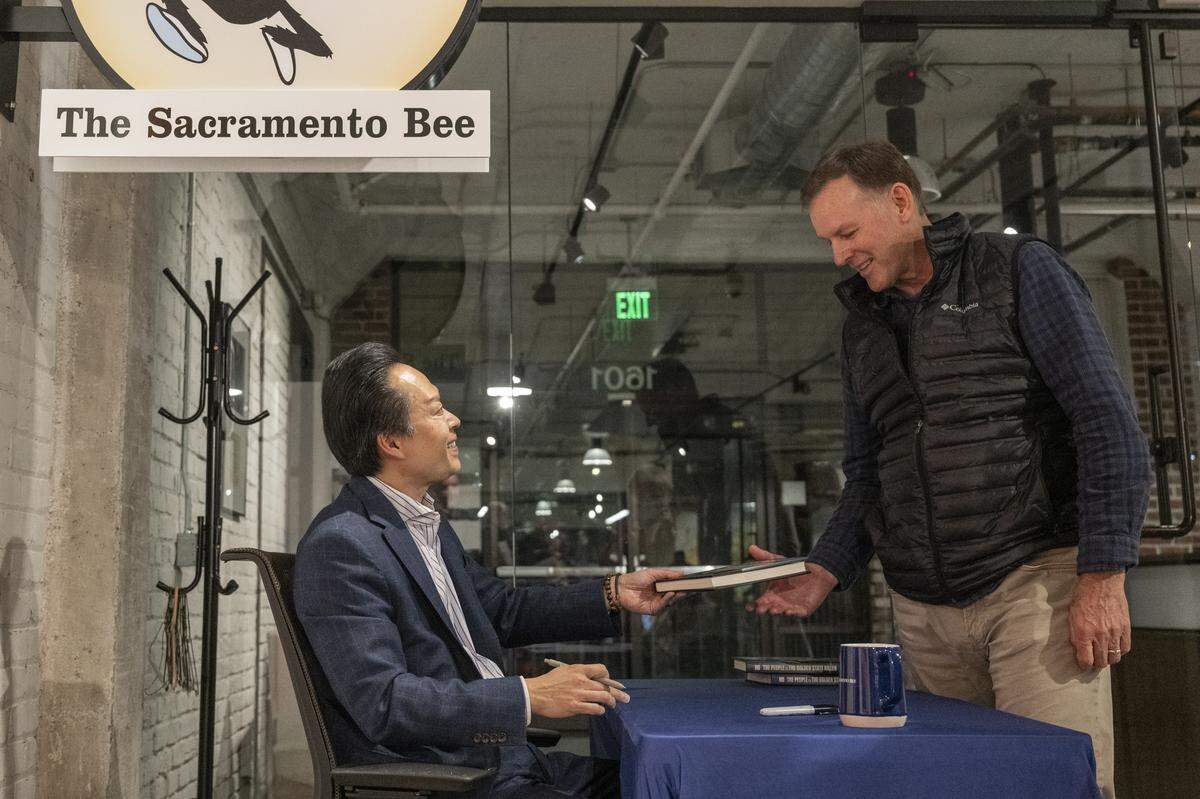
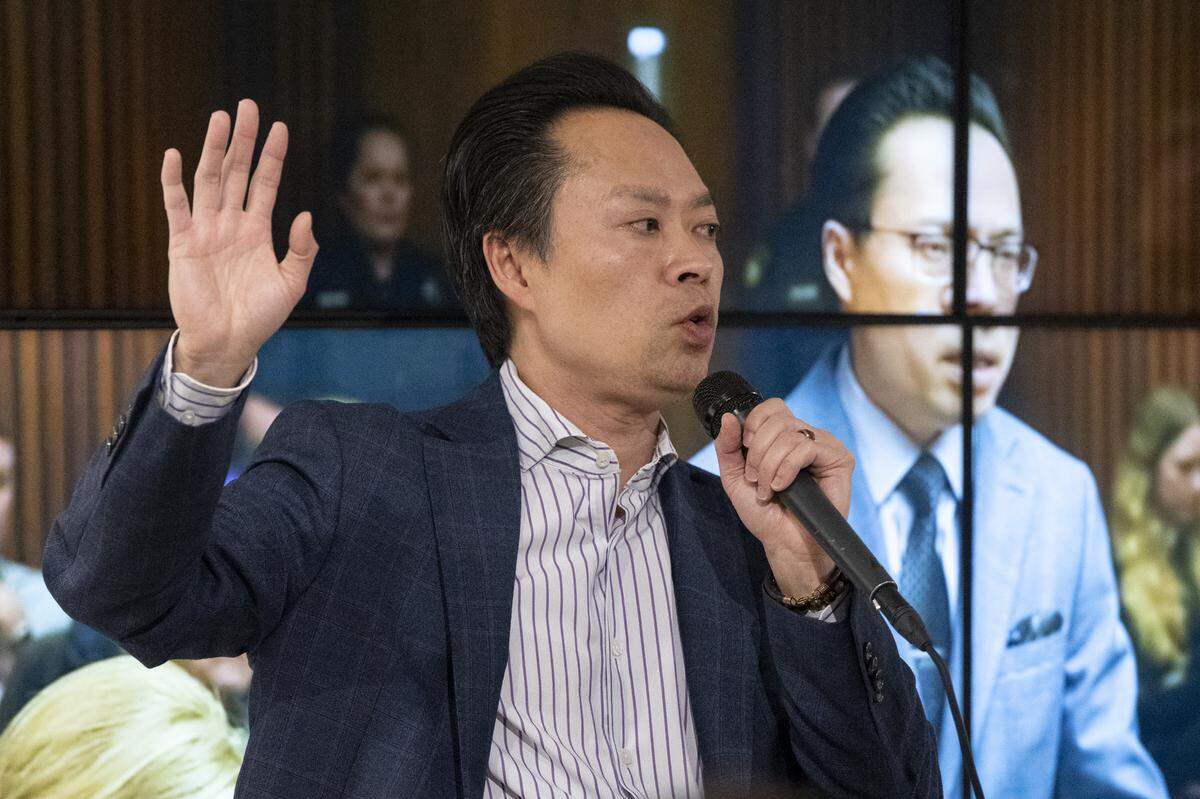
The Sacramento Bee hosted a discussion Tuesday with Sacramento County District Attorney Thien Ho about his new book, “The People vs. the Golden State Killer,” in which Ho revealed insights into leading the prosecution against the infamous serial killer.
The Golden State Killer — also known as the East Area Rapist, the Visalia Ransacker and the Original Night Stalker — had been pursued by law enforcement across California for decades.
With the help of DNA technology, detectives identified Citrus Heights resident Joseph James DeAngelo as a suspect after his arrest in 2018. DeAngelo pleaded guilty to 13 murders and 13 counts of kidnapping, and he was sentenced to life in prison. He admitted to multiple rapes, burglaries and attempted murders and kidnappings with at least 62 victims between 1974 and 1986.
Here are six takeaways from his Q&A about the book and the prosecution.

How DeAngelo evaded capture before DNA link
Ho said there were three main reasons DeAngelo evaded capture for decades: he was a former police officer, so he had inside knowledge of law enforcement; departments across California were not sharing information on crimes and suspects with each other; and technology was not as developed as it is now.
In 2017, Paul Holes, a cold case investigator from Contra Costa County, came up with an idea to use genetic genealogy to investigate the case. That required obtaining DNA evidence from a crime scene, uploading it into public genealogy databases, looking for relatives and building a family tree until finding people matching the profile of the Golden State Killer.
In the 1970s, the statute of limitations for sexual assault was three years, so if charges had not been filed after the date of the offense, any evidence was thrown away, Ho said. Sacramento did not have any DNA evidence left from the East Area Rapist cases.
Orange County had DNA available to be tested but did not want to release it, Ho said, so they obtained DNA from Ventura County.
Ho said investigators narrowed it down to three suspects in the familial genetic line. One lived in the Sacramento area and was a former law enforcement officer — that was DeAngelo.
Investigators followed DeAngelo around to try to collect some of his DNA until finally deciding to have a law enforcement officer pose as a garbage collector and lined the garbage truck with plastic before taking DeAngelo’s trash, Ho said. Once collected, investigators found and tested eight items. The final item, a used tissue, was a match.
One physical clue ID’d the perpetrator
“A number of the victims in Sacramento’s sexual assaults said he had a very small penis, a micropenis,” Ho said.
When DeAngelo was arrested, police obtained a search warrant that included taking pictures of his genitalia, but amidst obtaining other evidence, the photos did not get taken, Ho said. Instead, Ho and the prosecution went to court for approval and obtained pictures of DeAngelo’s genitalia.

There was a battle to prosecute DeAngelo
Ho said he expected the Golden State Killer case to be tried in Orange County, as DeAngelo had allegedly committed the most-recent crimes there and the county District Attorney’s Office had “tremendous resources.”
Ho said Tuesday night that, as he described in the book, Sacramento prosecutors at the time felt some in the Orange County DA’s office were more focused on control and “glory” than on justice for the victims.
“There were some people above that wanted the glory, wanted the control, wanted the power of having one of the most notorious serial killers in this country’s case tried in their court,” Ho said.

Orange County was planning to focus on cases with DNA evidence, Ho said, which would mean cases for Sacramento rape victims, where the statute of limitations had run out to prosecute their case and there was no DNA evidence left, would not get their day in court.
Instead, Ho said the cases of Sacramento rape victims could be proven on circumstantial evidence and modus operandi, by showing that DeAngelo was the perpetrator in all of these crimes because he had a consistent pattern. Sacramento could also charge him with aggravated kidnapping in some of the sexual assault cases, leading to the decision to try DeAngelo in Sacramento.
At one point, a superior court judge in Orange County ordered the Sacramento County Sheriff’s Office to release DeAngelo into Orange County’s custody, Ho said.
“What we decided to do was we went to a judge in Sacramento to get an order that he is to be held in Sacramento for trial and shall not be released to anybody, unless a Sacramento judge approves it,” Ho said. “We wanted to make sure our victims in Sacramento had their day in court, that they were going to have a voice in the process.”
Victims, survivors worked together with prosecution
Before his first day in court, Ho read reports from victims of the Golden State Killer, including the first known sexual assault victim, Phyllis, who was 23 at the time of being assaulted.
On his first day in court, he was approached by a woman, who he said had gray hair and coke-bottle glasses.
“Hi. I’m Phyllis. I’m victim Number One,” Ho recalled she said to him.
“It was as if I was reaching through space and time, because I had in my mind her at 23. Over here, I have someone in their 60s. You can still see the pain and the trauma after all those years,” Ho said. “That was my introduction into really meeting the survivors.”
After learning about each other, Ho said the victims and survivors bonded over knowing they were not alone in the trauma they faced, having regular happy hours and barbecues.
Ho said the victims demanded a meeting with the prosecution during the trial and said they wanted to make sure that all victims, whether DeAngelo was charged with a crime against them or not, had their day to speak in court.
The death penalty was on the table until the COVID-19 pandemic
When COVID-19 hit, Ho said it threw a wrench in the trial, which was expected to be at least a year long. Many witnesses were elderly or in ill health, so appearing in court during a pandemic was not feasible.
Ho said they decided to take the death penalty off the table but, in return, DeAngelo would have to admit to all of his crimes — charged and uncharged — and all victims would get the opportunity to give an impact statement in court. Victim impact statements took four days.

Is DeAngelo remorseful for his crimes?
Ho does not believe DeAngelo was genuine in his apology to victims that he made during the hearings in the ballroom at Sacramento State, which was turned into a courtroom to allow for social distancing.
“It was nothing more than a continuation of his manipulation, because he was the mastermind,” he said.
Could there be more victims? Ho thinks it’s possible.
“There is a three-year period, 1986 to 1989, where he was in Southern California. We’re not exactly sure where he was living and what he was doing,” Ho said. “He was evolving as a predator. So what’s to say in those years he wasn’t, for example, killing people and then leaving their body in the Angeles National Forest somewhere, right?”
Today, DeAngelo is 80 years old and spending the rest of his life in prison, Ho said. DeAngelo’s status is not disclosed by the California Department of Corrections and Rehabilitation because, as Ho described, he is a target even under lockup.
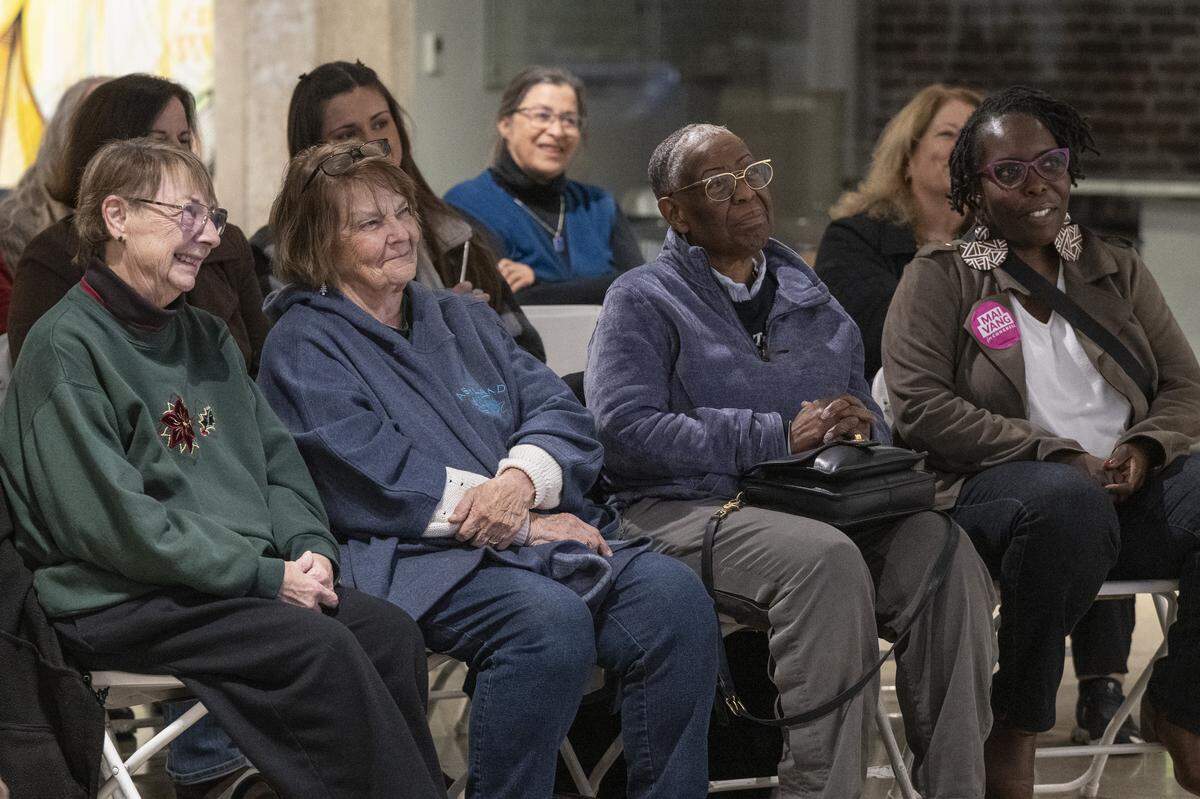
“My understanding is he’s terrified and constantly looking over his shoulder,” Ho told Bee subscribers who attended Tuesday’s session where Ho signed copies of his book.
He added: “Good.”
This story was originally published December 10, 2025 at 2:24 PM.