SMUD ends power deal for Coyote Creek solar project tied to environmental suit
Sacramento Municipal Utility District announced Monday that it was canceling the power purchase agreement it signed with DESRI for the Coyote Creek solar project, citing “project uncertainties,” including environmental impacts and pending litigation.
“Due to project uncertainties, SMUD announced today that they will not be purchasing power from the Coyote Creek project. Some of the uncertainties include: supply chain constraints, rising prices, tariffs, schedule delays, environmental impacts and pending litigation,” the news release said.
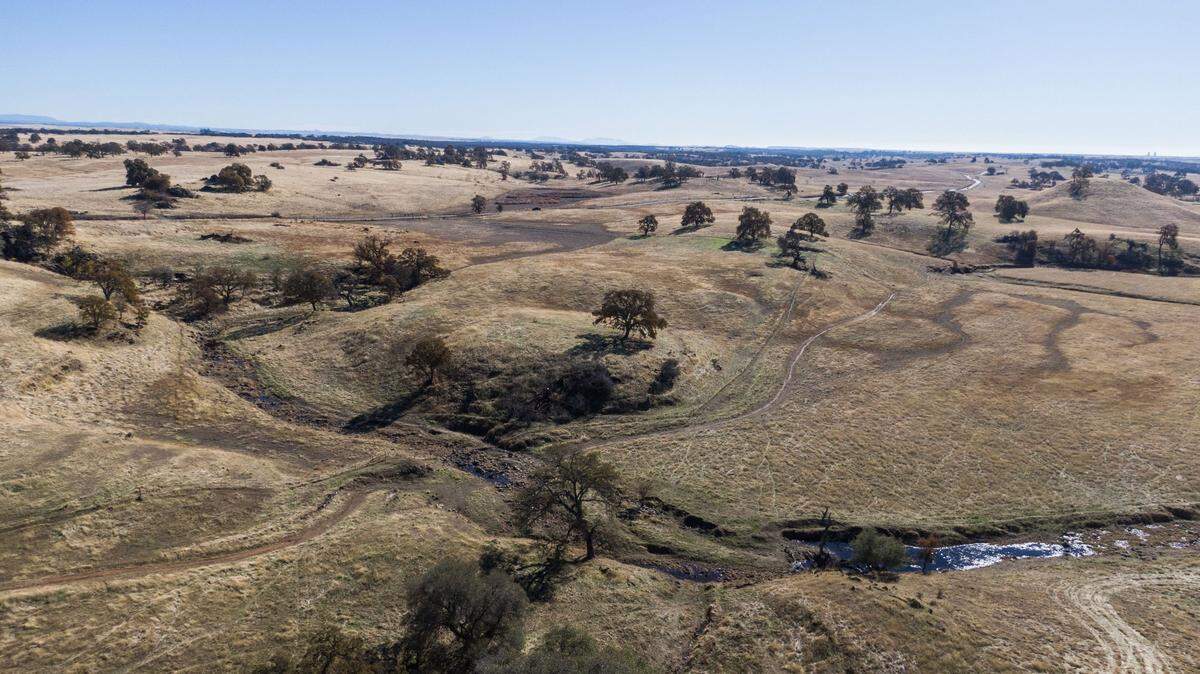
One of the most controversial solar projects in the state, New York-based DESRI’s Coyote Creek project was proposed to provide energy to more than 44,000 homes served by SMUD, but it faced strong opposition from environmental and tribal communities because the site lay in one of the state’s remaining oak woodlands and could put up to 3,500 blue and native oak trees at risk of removal.
Along with DESRI, SMUD also came under scrutiny for signing a deal to purchase energy from the facility.
In October, The Sacramento Bee reported on one environmental group’s claim that SMUD signed the power purchase agreement without conducting its own environment inspection. SMUD responded to The Bee at the time that the utility’s role “is limited and distinct from the project developer, who is responsible for site selection, environmental studies, securing county permits and project development.”
The same environmental group, the Environmental Council of Sacramento, filed a joint lawsuit against Sacramento County in late December for approving the project, arguing that the project fails to meet CEQA requirements and that its approval was rushed without fully analyzing the negative impacts to oak woodlands, sensitive species, and groundwater.
Following SMUD’s surprise announcement, ECOS’ policy analyst Luz Lim told The Bee that while the group thanked SMUD for its decision, it would continue to pursue the litigation against the county.
“The impacts of this project would have had on parks, on the environment, and especially on tribes, would have been devastating, and it would not have aligned with the values that SMUD has preached,” Lim said.
“As far as we’re concerned, this project is still alive, even if SMUD isn’t the one purchasing the power from DESRI…our litigation is still standing because we don’t think that this project is CEQA compliant.”
DESRI did not immediately respond to a request for comment.
This story was originally published January 5, 2026 at 3:11 PM.