Sacramento pushes for new homeless agency, potentially setting up clash with county
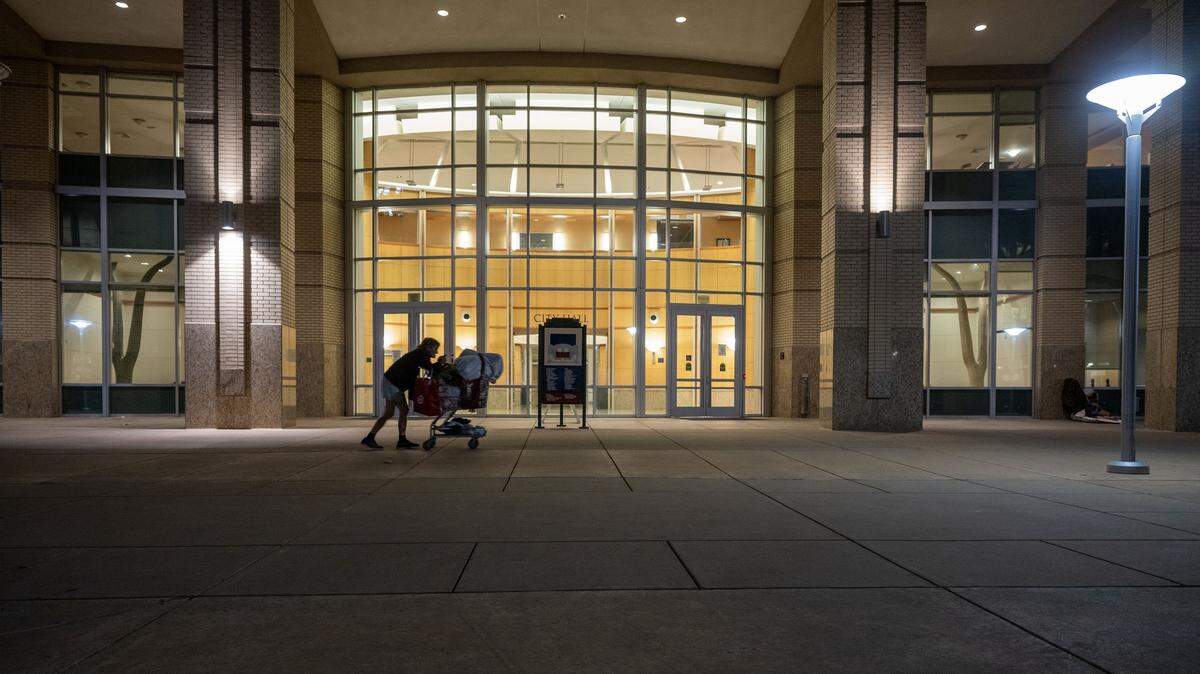
Sacramento’s plans for a revamped homeless oversight body that controls tens of millions in funding remain unclear after a decision Tuesday that pits the city against the county.
For months, the city, county and neighboring jurisdictions have discussed creating a new structure for the Sacramento Continuum of Care, one of the region’s leading nonprofit organizations that oversees homeless services. Leaders across the several governing bodies generally agree that changes are needed, particularly to improve collaboration among governments and non-profits.
But these same leaders are divided over what the structure should look like. Tuesday night’s Sacramento City Council meeting furthered underscored the disagreement.
After nearly two hours of debate, council members voted 7-2 to prioritize pursuing a joint powers authority, or JPA — a singular regional agency to manage affordable housing and homelessness services. Such a model would require state legislation and buy-in from other local governments, several of which have previously opposed the idea.
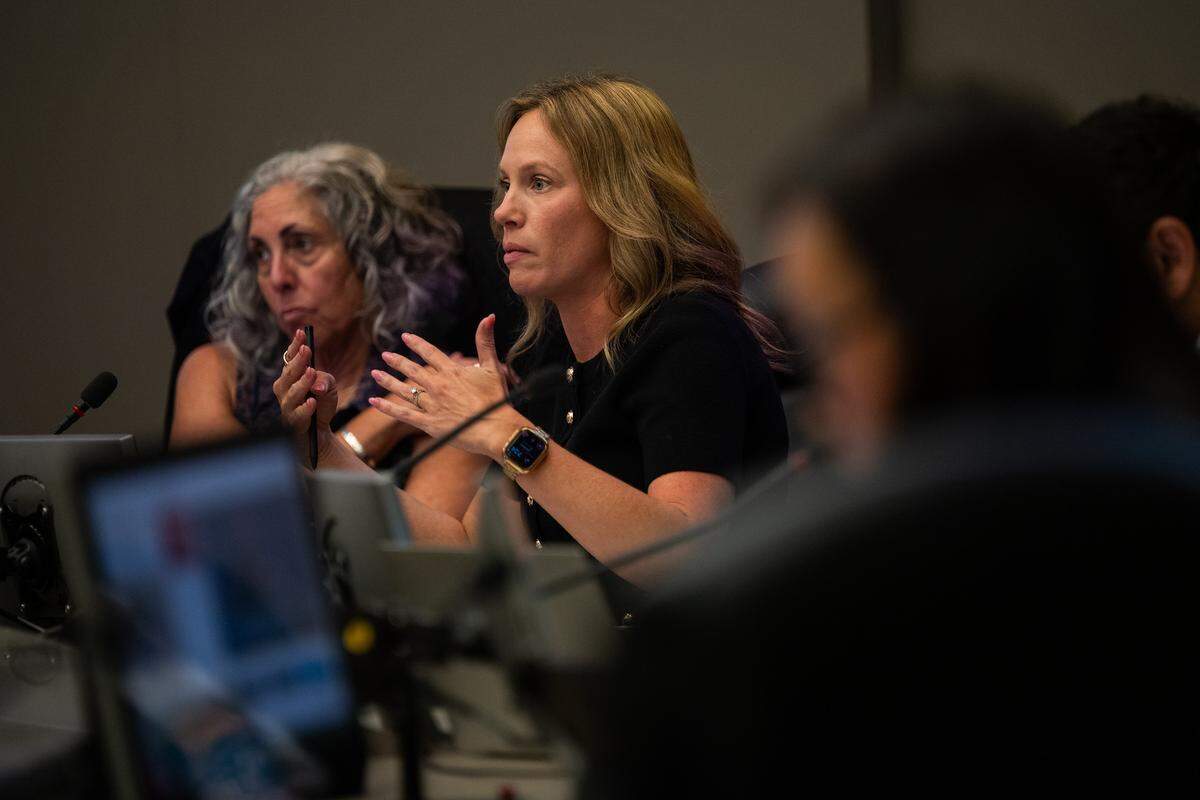
“I think we need a single, visible accountable entity, a place for all our jurisdictions to meet regularly, decisions are made publicly and the community knows exactly where to go,” said Councilmember Caity Maple, who has pushed for a JPA for years, including during a meeting convened in October between elected county and leaders of the county’s incorporated cities.
The vote puts the city at odds with the Sacramento County Board of Supervisors, which last month unanimously approved pursuing a new Continuum of Care structure that would include elected officials. The Continuum of Care received more than $40 million from the U.S. Department of Housing and Urban Development last year, according to previous Sacramento Bee reporting.
The county had expected pushback on the proposed structure from the Continuum of Care, not the city, said Emily Halcon, the county’s director of homeless services and housing.
“It does sort of change the conversation…the Board of Supervisors has been pretty consistent over time that they’re not interested in a JPA,” Halcon said during the meeting.
Councilmembers Phil Pluckebaum and Roger Dickinson, who were the two dissenting votes, believed focusing solely on the JPA would delay progress toward improved regional collaboration. Both favored aligning the city’s efforts with the county’s plan while continuing discussions about a JPA.
“What tonight did was set us back months,” Pluckebaum said following the meeting.
How the county and neighboring cities will respond to a renewed push for a Sacramento JPA remains uncertain. Cities and the Continuum of Care Board were expected to discuss the county’s approved structure over the next month.
The JPA concept has circulated for years and gained renewed attention in 2023 after a Sacramento County grand jury recommended the model. To develop its recommendation, the grand jury reviewed a homeless joint powers authority in Solano County and others in Southern California. In each case, it found that homelessness had either decreased or grown more slowly than in Sacramento County.
But when California Sen. Angelique Ashby unveiled legislation in June to create a Sacramento homeless and housing services JPA, she faced staunch opposition from the Board of Supervisors and mayors of Sacramento, Elk Grove, Citrus Heights, Rancho Cordova and Folsom. Three suburban cities later shifted their positions on the bill from opposition to neutrality following a meeting with Ashby. The senator delayed her bill to allow for more input from the jurisdictions.
“In my experience, the prospect of state legislation being successful where the local entities don’t agree is unlikely,” said Dickinson, who served in the California State Assembly for four years.