Rare six-planet parade to appear soon. Will Northern California see it?
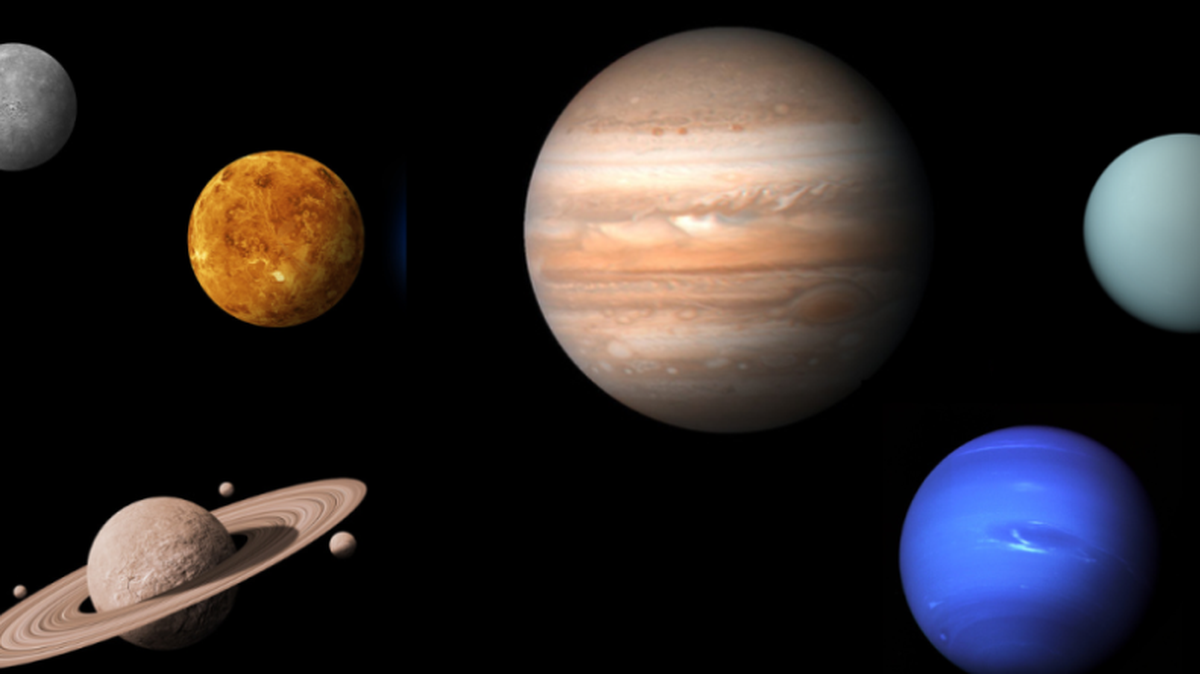
Six planets will soon march across Northern California’s night sky.
The rare planet parade will appear right before the calendars turn to March, according to NASA.
What’s the best time to view the planetary alignment — and will it be visible in Northern California?
Here’s what to know:
When will planet parade appear in the night sky?
While planets are technically always aligned along the ecliptic plane, so-called “planet parades” offer a “special” chance to see several heavenly bodies at the same time, NASA said.
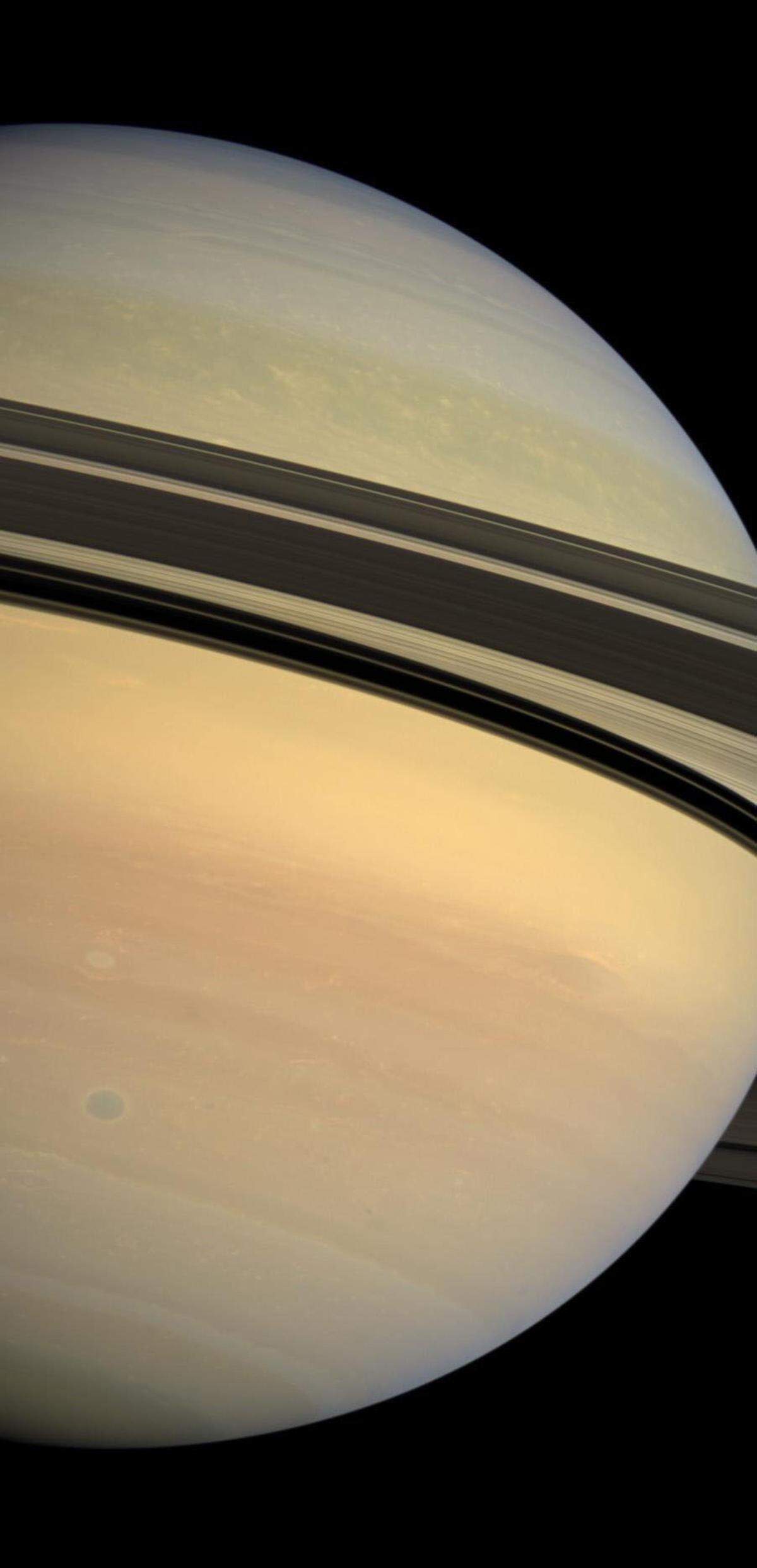
You’ll be able to see Mercury, Venus, Neptune, Saturn, Uranus and Jupiter shortly after sunset on Saturday, Feb. 28, according to the space agency.
“Four of those planets will be visible to the unaided eye, weather permitting,” NASA said.
The planets “don’t cluster in one place — they stretch across the sky,” astronomy app StarWalk said on its website.
The best viewing window starts about 30 minutes after sunset, according to StarWalk.
The sun will set at 5:56 p.m. in Sacramento and at 5:54 p.m. in Modesto on Saturday, according to online clock Time and Date.
Which planets can I see without a telescope?
While Venus, Saturn and Jupiter should be visible to the naked eye on Saturday, you’ll need a telescope to view Uranus and Neptune because of their distances from Earth, NASA said.
“Mercury can sometimes be harder to spot, too,” due to its proximity to the sun, the space agency said.
“On most nights, weather permitting, you can spot at least one bright planet in the night sky,” NASA public engagement specialist Preston Dyches wrote in February 2025. “While two or three planets are commonly visible in the hours around sunset, occasionally four or five bright planets can be seen simultaneously with the naked eye.”
Those four- or five-planet lineups “typically occur every few years,” NASA said.
The next opportunity to witness this many planets all at once won’t come to Idaho again until October 2028.
Will planetary alignment be visible in Northern California?
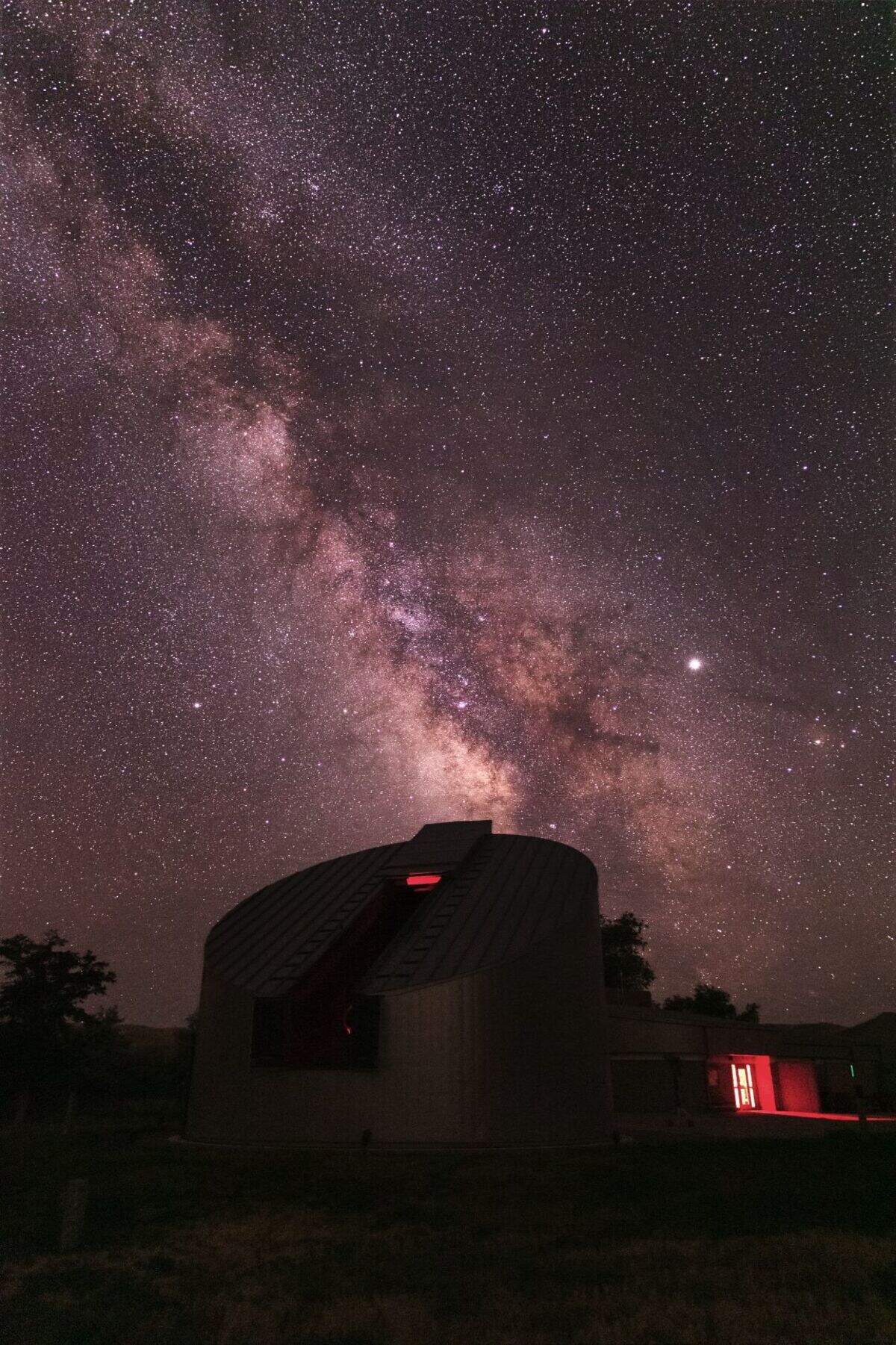
The planets may be aligned, but the forecast for Northern California predicts possible rain all over this parade.
According to the National Weather Service forecast, Sacramento residents can expect cloudy skies on Saturday night with a slight chance of rain.
In Modesto, the weather service predicts cloudy conditions Saturday night.
This story was originally published February 27, 2026 at 5:00 AM with the headline "Rare six-planet parade to appear soon. Will Northern California see it?."