What does Rancho Cordova’s homeless outreach team do? Here’s what to know
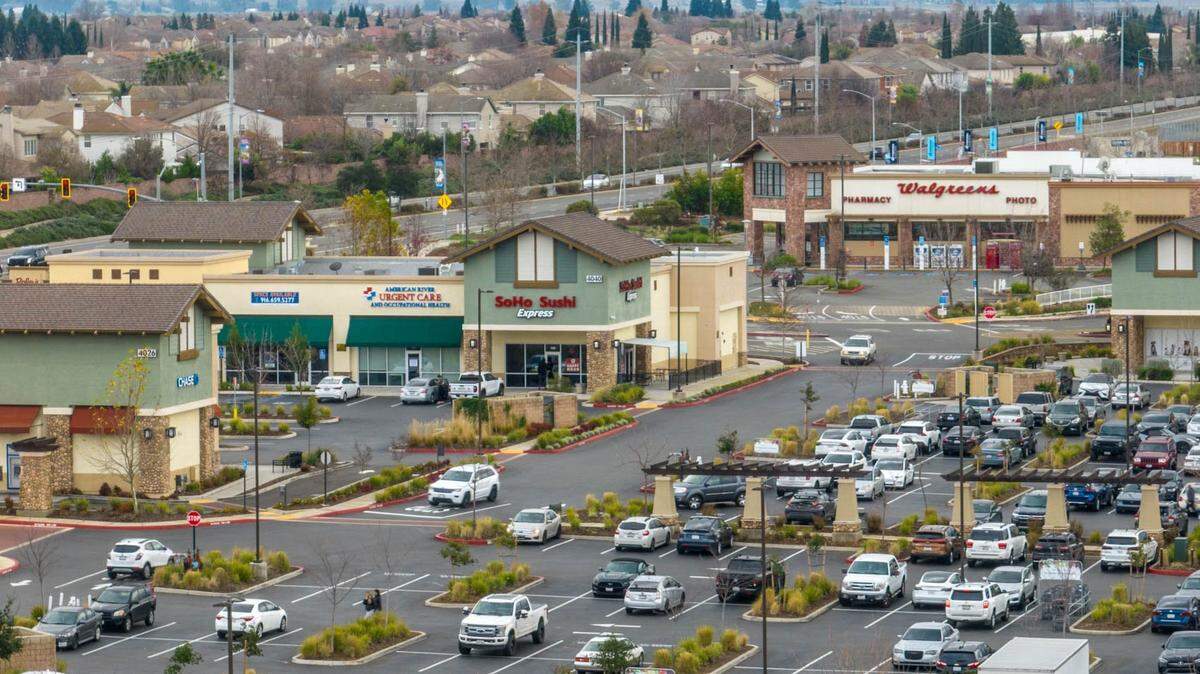
Rancho Cordova’s homeless outreach team is focusing on “service first” and accountability, local leaders say.
The city’s homeless outreach team includes police officers, outreach navigators, code enforcement and neighborhood services staff, and works to connect people experiencing homelessness to housing and support services.
“We don’t want to criminalize being homeless, right?” Rancho Cordova Police Chief Matthew Tamayo said to The Bee days before his tenure as chief ended. “We know that some of these people are having substance abuse problems, mental health issues. The last thing we want to do is throw them in jail. Even though services are there for them, that’s not our goal. Our goal is to help them out.”
What does Rancho Cordova’s homeless outreach team look like?
The team includes four full-time navigators, contracted through City Net, an organization that provides services to people experiencing homelessness throughout the state. The team has navigator coverage seven days per week. The team also includes a full-time code enforcement officer.
Two police officers each day are dedicated to homeless outreach, as well as a supervisor, and probation officers sometimes join the effort.
The city spends approximately $2 million per year on the team, including personnel costs, contracts for the four navigators, cleanup crews, the transitional home, hotel vouchers and other operational costs, according to Maria Kniestedt, a spokesperson for the city.
What services does Rancho Cordova offer?
The city has a transitional home with six beds, where people who are currently homeless but not ready for permanent housing can live for up to 180 days. It is managed by navigators contracted by the city.
Rancho Cordova also has a hotel voucher program for short-term stays.
“That’s something that the navigators have used to great success, because some of these people, let’s be honest, they just became homeless yesterday, and they’re looking for help or a way out,” Tamayo said.
The city also hosts warming centers in the winter and cooling centers in the summer for those without shelter.
Rancho Cordova is also home to Mather Veterans Village, a development located on the former Mather Air Force Base that provides housing for homeless and disabled veterans in the region.
A new phase of the development is expected to break ground in early April, according to Kniestedt. The development already has 100 permanent housing units and 47 transitional units for homeless veterans, and future phases are planned to add 130 more units.
Russ Ducharme, the city’s neighborhood services manager, said an important aspect of helping people experiencing homelessness is wraparound services, including helping people get access to food, employment, clothes, important documents, transportation, healthcare, mental health services and substance abuse treatment.
“You can’t just throw a voucher at somebody and hope that things are going to go well,” Ducharme said. “We have the wraparound services through our navigator. We’re able to seize that moment and get them off the street, get them into a hotel, start the service process, and potentially get them into the transitional home.”
Another program the city offers, in agreement with the Sacramento County District Attorney’s Office, is the Chronic Offender Rehabilitation Effort. The program aims to establish accountability for people who repeatedly commit the same crimes, who may be resistant to services and who may be suffering from substance abuse or mental health issues.
The program allows people who receive 10 or more tickets or citations in a 12-month span to choose treatment instead of jail time. If the person successfully completes the program, all citations are removed from their record.
“A lot of people in their recovery processes, they talk about how, ‘I didn’t really fix my life until I found rock bottom,’” Ralph Garcia, operations commander for the Rancho Cordova Police Department and former supervisor of the team, said. “Sometimes that program allows people to find that place to then start rebuilding their lives.”
What ‘service first’ means to the team
Tamayo said officers and city employees care deeply about making sure people experiencing homelessness, whether they are from Rancho Cordova or not, receive the services they need.
He said employees have purchased gas for someone who was homeless and attempting to drive to Southern California to live with family, clothes for the victim of a crime whose outfit had been stained with blood, and food and clothing for a person who was going to live in a tiny home with his dog.
“Our team that works with people experiencing homelessness, they are so passionate about making sure that people are treated well and connecting them with services that they themselves go and spend their own money,” Tamayo said.