
How to fix Cal-OSHA? A new bill says deputize DAs to investigate the workplace
AI-generated summary reviewed by our newsroom.
- AB 2321 deputizes DAs to investigate workplace deaths and career‑ending injuries.
- Audit found BOI referred 1.7% previously; bill taps Cal‑OSHA fund surplus.
- Proposal faces business, some DA and advocate pushback; alternate would split BOI.
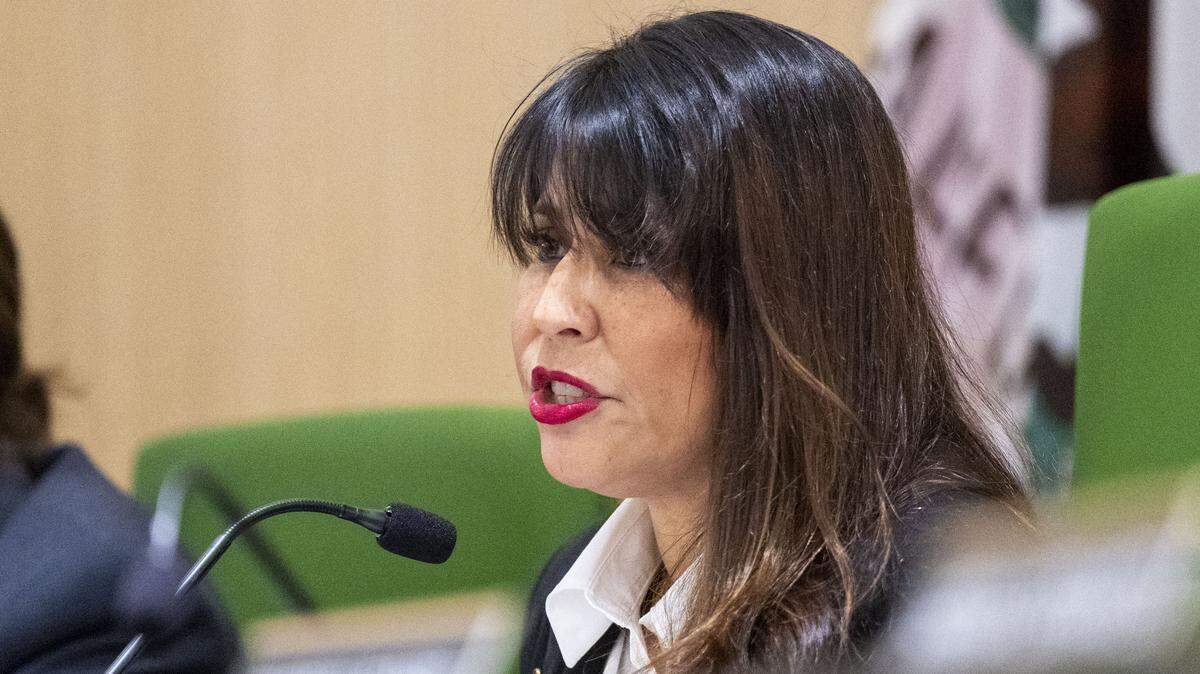
Assemblymember Liz Ortega, D-San Leandro, has a novel solution for mismanagement and chronic understaffing at Cal-OSHA: Assembly Bill 2321 would “deputize” district attorneys’ offices across the state to perform some of Cal-OSHA’s most serious investigations involving death and life-altering injuries.
The legislation targets one small, chronically understaffed corner of Cal-OSHA. It follows a critical state audit and mounting frustration among lawmakers over the agency’s failure to fulfill its core mission. It also reflects something larger with critics looking elsewhere to get Cal-OSHA’s job done.
“Cal-OSHA has testified to it,” Ortega said. “The state auditor has verified it. Deaths and career-ending injuries are not adequately investigated. That must end.”
Her proposed legislation has its first hearing this week, on Wednesday, in the assembly labor committee, which Ortega chairs.
Ortega has taken a particular interest in reforming Cal-OSHA in part because of an employer in her district. That is metal recycler Alco Iron & Metal, which has had three employee deaths since 2017 and been cited for dozens of safety violations.
Last September, in a hearing to discuss the critical audit of Cal-OSHA, Ortega grilled Cal-OSHA’s chief Debra Lee.
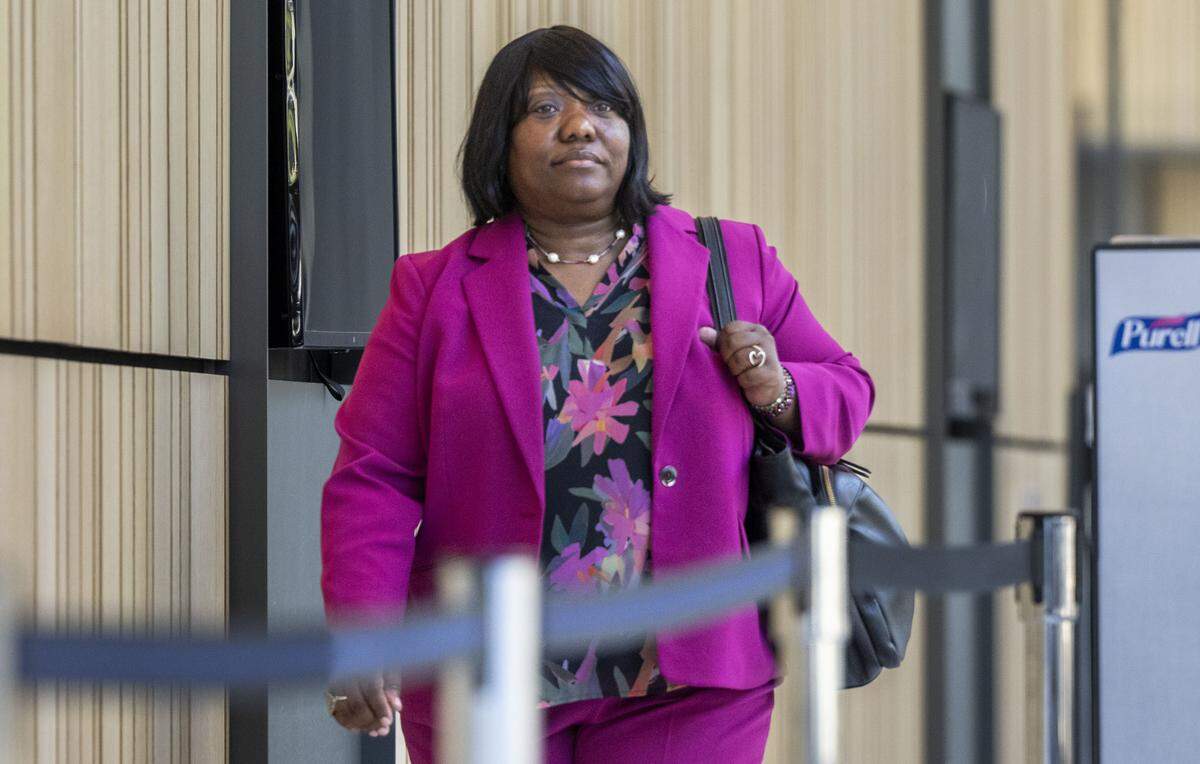
“When is an employer going to be held criminally accountable for the deaths of employees in the workplace?” Ortega asked Lee during a tense moment during the hearing. “Is it after the first death? The second death? After the third death?”
Ortega’s solution: Give the task to public prosecutors.
How would it work?
Ortega said she was motivated to introduce AB 2321 because of what the auditor reported about Cal-OSHA’s Bureau of Investigation, the unit responsible for investigating death and career-ending injuries for criminal misconduct. The auditor found that the unit referred just 1.7% of serious cases to prosecutors. At Alco, only the latest fatality of a worker — Luis Guerrero, 41, of Castro Valley, killed in 2025 — resulted in criminal charges.
A fact sheet provided by Ortega’s staff says that AB 2321 will: “Deputize public prosecutors to alleviate some of the BOI’s workload to ensure criminally-liable employers are held accountable, and future criminal conduct is deterred.”
BOI would still have a role under Ortega’s proposal, but it would largely be limited to investigating cases in counties whose DAs do not accept funding made available through the legislation.
Ortega said the money is available for more robust investigations and prosecutions without costing taxpayers. She pointed to the state auditor’s findings that how Cal-OSHA spends and tracks its budget is “difficult to track.”
Despite chronic understaffing, according to the state audit, Cal-OSHA has more $200 million in surplus from positions it has allocated but has not filled. The excess funds in the Occupational Safety and Health Fund are largely derived from employer fees rather than taxes.
AB 2321 would allow tap into funds traditionally reserved for Cal-OSHA.
Proposal sparks opposition
The proposal is already facing opposition from the business community as well as raising some concerns among work safety advocates and district attorneys who believe that it needs to be amended or shelved for another solution to be effective.
“As written, this is misguided,” said John Fentis, a former prosecutor for the city of Long Beach. Fentis also served as the environmental policy director at the California District Attorneys Association and, last year, led a training session for new BOI investigators.
“DAs and DA investigators already have so much responsibility on their plates,” he said. “When we have deaths in a workplace, it is the machines that are the reason those deaths occurred. They require a special level of expertise, and you’ve got investigators now who have that kind of expertise.”
One proposal, written in the form of draft legislation, is being circulated by several state officials. It would separate the BOI from Cal-OSHA. This would make an independent investigative unit under the Labor and Workforce and Development Agency, the same agency which oversees Cal-OSHA and the Department of Industrial Relations.
“This bill would establish the Bureau of Investigation as a separate and independent state agency,” the draft proposal states.
The primary author of the document, who asked to remain anonymous because they are not authorized by their agency to speak about legislation. supports Ortega’s goals. “We are not trying to undermine her, nor are we trashing Cal-OSHA,” the proposal’s author said. “This is just a proposal from real-world investigators seeking to make the BOI as effective as possible in part by removing a layer of bureaucracy.”
The draft proposal would also strengthen the BOI by granting its investigators peace officer status — empowering them to issue subpoenas, serve search warrants and make arrests. This task currently falls on district attorneys. It would also create a funding mechanism for district attorneys, allowing them to capture restitution penalties charged to employers.
Fentis called reclassifying BOI Investigators “a brilliant idea and something that is long overdue.”
Fentis said he would also support of making the BOI independent of Cal-OSHA.
“The BOI had never really had a fair chance since their inception,” he said, “because they have been impeded, not only by industry, which is part of industry’s job, but by internal factors.”
Ortega said she was open to listening.
“I am working on building a coalition and am open to feedback,” she said. “But at the end of the day, we have to make sure that there are consequences for employers who let workers get hurt or die on their watch.”
On Wednesday, the California Chamber of Commerce weighed in, saying AB 2321 “will waste state resources by compelling prosecutors (who are not workplace safety experts) to handle workplace safety cases where no crime has been committed.”
Its opposition letter said the legislation would add workload for both prosecutors and Cal-OSHA without improving results.
Past staff shortages, other issues
Two years ago, a Sacramento Bee investigation found BOI had one investigator for the entire state and a backlog of roughly 350 cases.
A BOI inquiry into a Monterey company where a worker was killed in a cement mixer, for example, was initially dropped because of staffing shortages. The BOI investigator had recommended criminal charges. The DA there filed charges after The Bee asked about the case and obtained the BOI’s draft investigation which hadn’t been finalized.
The owner of the company pled guilty to criminal charges earlier this year and agreed to pay the family $150,000.
Staffers at the BOI had been protesting low pay and Cal-OSHA’s failure to hire enough staff for years.
One BOI investigator, Chris Kuhns, sent a letter to Katie Hagen, then the Director of the Department of Industrial Relations, which oversees Cal-OSHA, in 2023.
“A unit that had been staffed with nine investigators, with a need to expand at that time, is down to two remaining investigators,” he wrote. “Don’t be surprised when you are called before the Legislature to answer some difficult questions.” Cal-OSHA has failed to post, as is required by statute, annual reports which documents cases prosecuted as well as staffing levels. The latest numbers from 2023 show three referrals, a tiny fraction of deaths and injuries which cause disabilities.
Improvements at the agency
But, BOI staffing has improved. It now has 12 staff members. The beefed-up staffing has led to additional prosecutions and investigations. The bureau referred 27 cases for possible criminal prosecution to district attorneys in 2025, a ninefold increase from 2023.
“I found the new investigators impressive,” Fentis said. “Most of them had peace officer experience. They decided on a career change because they are committed to doing this investigative work.”
In January, a budget change proposal was approved by Stewart Knox, the Secretary of Labor and Workforce Development, requesting $4.3 million for 14 positions “to address case backlog and statutory compliance within the Division of Occupational Safety and Health.”
Reactions so far
One DIR official, who asked for anonymity because they are not authorized to comment, said that Ortega’s proposal came as a surprise.
“There is a bit of a feeling of having made a lot of effort and having the rug pulled out from underneath just as things are improving.
The department officially has no position on the proposed legislation. “DIR does not comment on proposed legislation,” spokesperson Denisse Gomez said.
This story was originally published April 6, 2026 at 5:00 AM.