
Where did car crashes increase after Daylight Saving Time? Northern CA tops list
Does springing forward in early March leave you feeling discombobulated during your commute?
You’re not alone. According to a study conducted around the Daylight Saving Time switch the morning of March 8, Sacramento was one of the top cities to see vehicle crash increases after the time change this year.
The California capital was the second-highest in the state for week-over-week increases in car crashes from the week prior to Daylight Saving Time to the week following the switch, a study by Los Angeles-based Simmrin Law Group reported.
Here’s what to know.
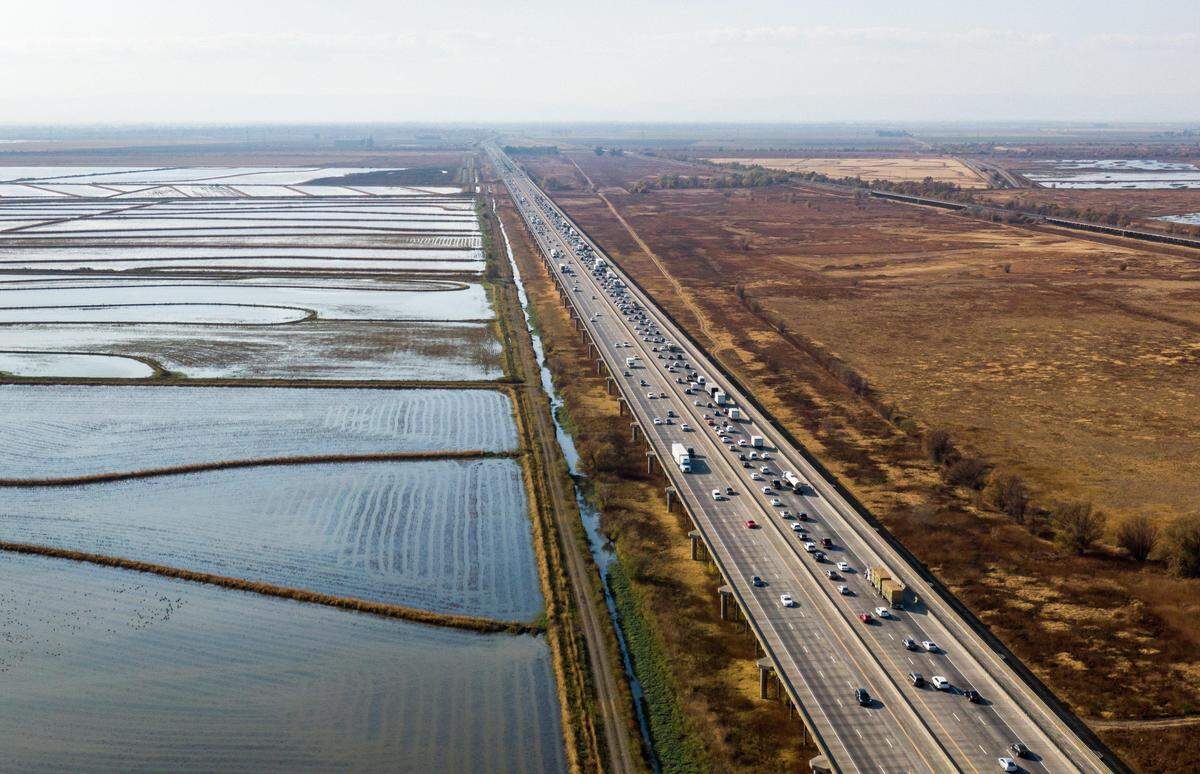
Did Sacramento drivers crash more after Daylight Saving Time?
The law firm’s study showed Sacramento drivers had the fourth-highest increase in crashes after Daylight Saving Time in early March.
Using data from U.S. Crime Radar dispatch logs, the study found Sacramento had a roughly 34% rise in car wrecks in the week after the time switch. Between March 1-7, the capital city had 76 reported crash incidents on dispatch logs, which rose to 102 crashes from March 8-14.
Sacramento was not the only California city on the list, with another Northern California city topping the list for percentage increase in car crashes. San Francisco had the highest percentage increase in car crashes following the time switch, according to the study.
Ahead of the March 8 Daylight Saving Time switch, the city had 30 car crash dispatch incidents reported on U.S. Crime Radar, and it jumped to 114 incidents the following week. That marks a sharp increase of 280% week-over-week.
Though the Simmrin Law Group analyzed dispatch data, it did not take into account any weather, local events or other “external variables” into its study. Neither Sacramento nor San Francisco experienced rainy days in the week following Daylight Saving Time, according to the National Weather Service.
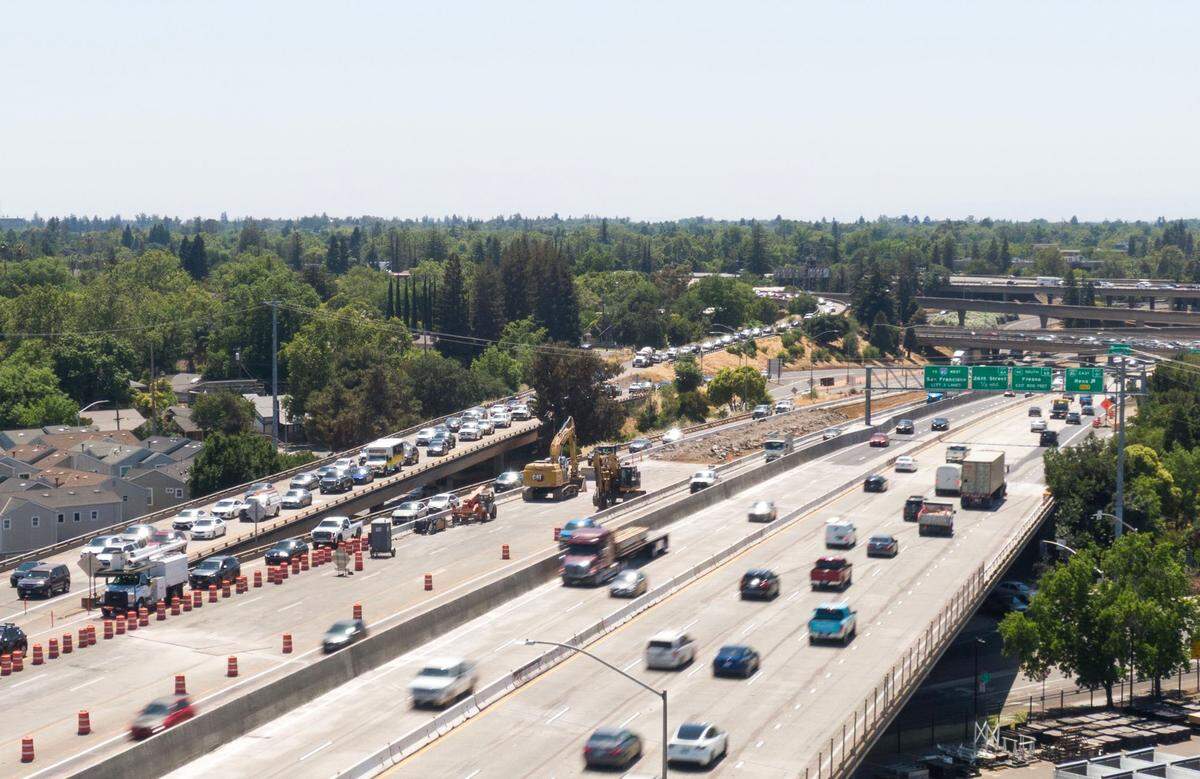
Which cities’ drivers were the worst after Daylight Saving Time?
These were the top 10 cities whose reported car crash incidents rose after the time switch, according to Simmrin Law Group:
- San Francisco - 280% increase
- Indianapolis - 182.8% increase
- Omaha, Nebraska - 47.1% increase
- Sacramento - 34.2% increase
- Minneapolis - 32% increase
- Denver - 26.7% increase
- Seattle - 24% increase
- Oakland - 22.1% increase
- Detroit - 18.3% increase
- Portland, Oregon - 18.2% increase
How can you stay safe while driving after the time switch?
For future post-Daylight Saving Time mornings, the Auto Club of Southern California — affiliated with AAA — shared safety tips for both pedestrians and drivers.
- Pedestrians should ensure drivers see them before crossing the street.
- Consider wearing bright or reflective clothes or carrying a flashlight when walking at night.
- Walk on the sidewalk, or facing traffic if sidewalks are not available.
- Drivers should prioritize getting enough sleep before driving.
- Try to drive during hours you would normally be awake otherwise.
- Do not eat heavy foods before driving.
- Avoid driving on medications that cause drowsiness.
.jpg)