Who is Zack Bales? Interim chief has been Sacramento police officer since 2002
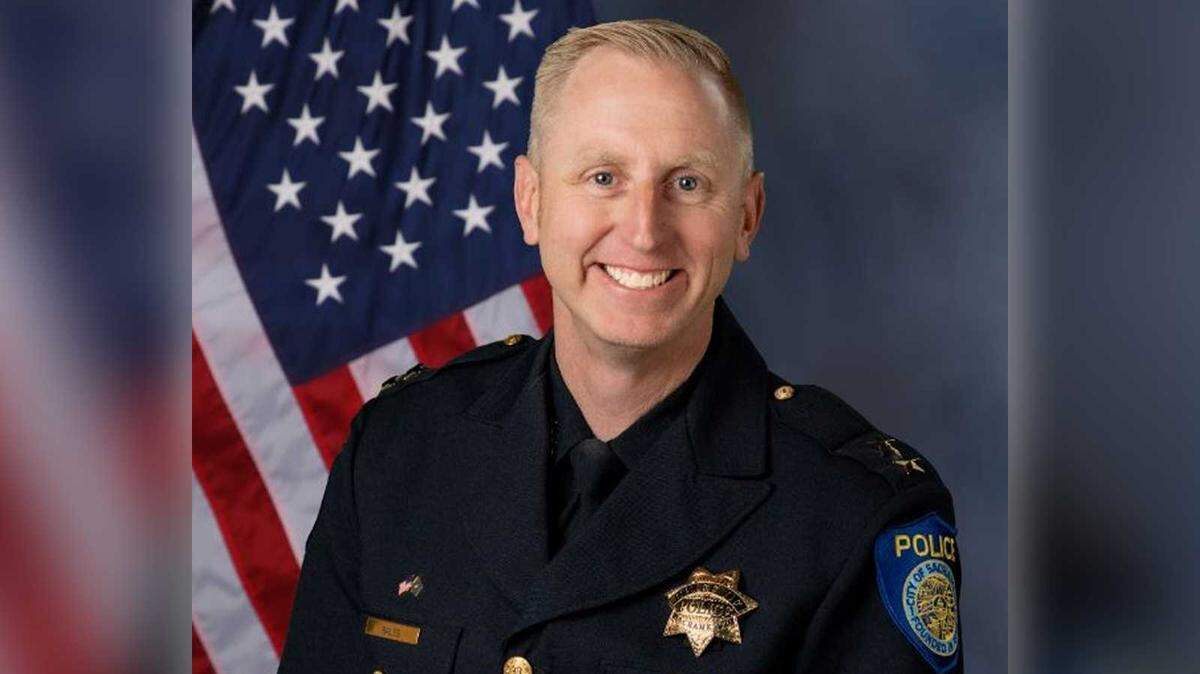
Sacramento is once again turning to its Police Department’s own ranks for leadership, with Deputy Chief Zachary Bales set to serve as interim chief following Monday’s announced retirement of Chief Kathy Lester next month.
Bales joined the Sacramento Police Department in 2002 and currently serves as deputy chief over the Office of Investigations, where he oversees major investigative units, according to an online biography from the Sacramento Police Department.
Over his career, he has held a wide range of assignments in the agency including patrol officer, homicide detective, internal affairs investigator and patrol watch commander, as well as leadership roles in training, recruiting and community engagement, the department said.
Before entering law enforcement, Bales served as an armored cavalry officer in the Army and reached the rank of captain, according to the department. His military service included multiple commendations: Army Commendation Medal, the Army Achievement Medal, Presidential Unit Citation, National Defense Service Medal, Army Service Ribbon, Parachutist Badge and the Draper Armor Leadership Award.
He holds a bachelor’s degree from UC Santa Barbara and a master’s degree in criminal intelligence from American Military University, along with several advanced law enforcement certifications including the Sherman Block Supervisory Leadership Institute Class of 2015.
Bales has also been involved in community and professional organizations, including serving as a board member for the Law Enforcement Chaplaincy of Sacramento and the Sacramento Police Sheriff Memorial, according to the department. He has participated as an expert panel member for the Mentors in Law Enforcement program, which works with Sacramento State’s Law Enforcement Candidate Scholars program to support diverse candidates pursuing careers in policing.
Outside of his formal duties, according to the department, Bales coaches youth baseball and mountain biking and previously served as a Boy Scout leadership committee member and den leader, the department said.
He also participates in regional public safety efforts through the Sacramento Metro Chamber’s Cap-to-Cap program, where he is part of a public safety team representing the Sacramento region, according to the department.
Bales has also played a role in recent policy debates over policing tools and crime reduction strategies. During a 2025 City Council discussion on the city’s ShotSpotter gunfire detection system, Bales said the technology was a “crucial piece” of Sacramento’s broader approach to reducing gun violence, noting that most alerts are not reported through 911 calls.
Several years ago, as a lieutenant overseeing training, Bales helped introduce virtual reality simulations designed to train officers in de-escalation, use-of-force decisionmaking and peer intervention, incorporating real-world incidents from Sacramento and other agencies.
The system allows officers to “experience that stress … and see these critical decision points in a call for service,” Bales said in a 2021 interview with The Sacramento Bee.
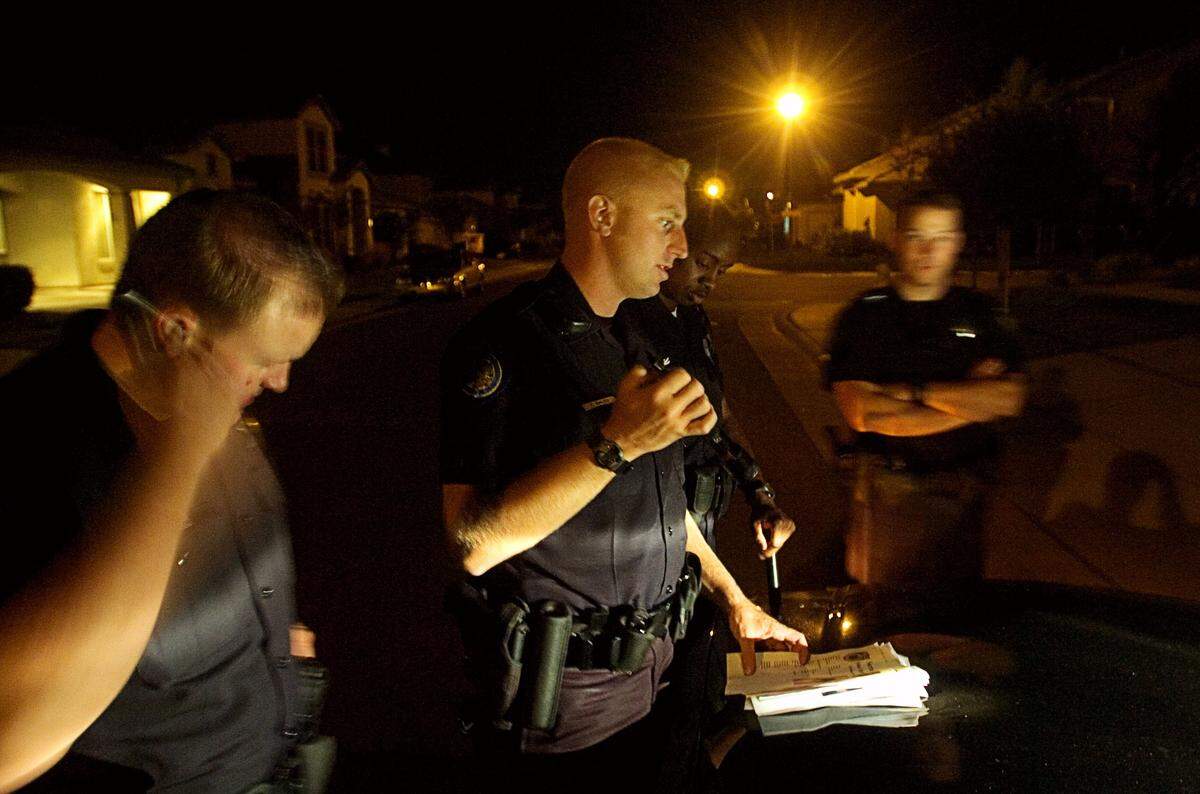
Early in his career, Bales worked on the department’s gang task force, part of an effort to get ahead of retaliatory violence. Officers knocked on doors, contacted families and coordinated with probation and parole officers to keep tabs on suspected gang members.
“If they know we might drop by their house, it discourages them from having a party with their guns out and getting ready to do a drive-by (shooting),” Bales told The Bee in 2005.
The strategy was one of several the department used to try to reduce gang-related shootings.
Lester, the first woman to lead the department, announced Monday that she would retire after more than three decades in law enforcement. Her tenure included leading the department through a surge in violence during the COVID-19 pandemic and the city’s deadliest mass shooting on K Street, which left six people dead and 12 injured.
Crime in Sacramento declined sharply over the past year across several major categories, including homicides and robberies.
Lester’s retirement takes effect May 15 as the city faces a $66.2 million budget deficit that has prompted discussions about cutting vacant police positions and reassigning officers.
This story was originally published April 13, 2026 at 2:15 PM.