
Sacramento’s federal courts face immigration cases with too few judges. What to know
A consequence of the Trump administration’s aggressive immigration enforcement is a surge in legal cases that the federal court system in the Sacramento area is not staffed to handle. The Eastern District of California — already in a years-long judicial emergency — now faces nearly 1,000 new immigration detention petitions per month on top of a civil case backlog.
We have covered how the efforts of detaining and deporting people has affected the judicial system, from explaining what the courts are — “Debunking myths about immigration court: Six things you should know” — to our most recent story — ”Too many cases, not enough judges. How immigration cases strain Sacramento court backlog” — chronicling how judges work around the clock to try to handle the overflow of cases.
Here are the key takeaways from that story:
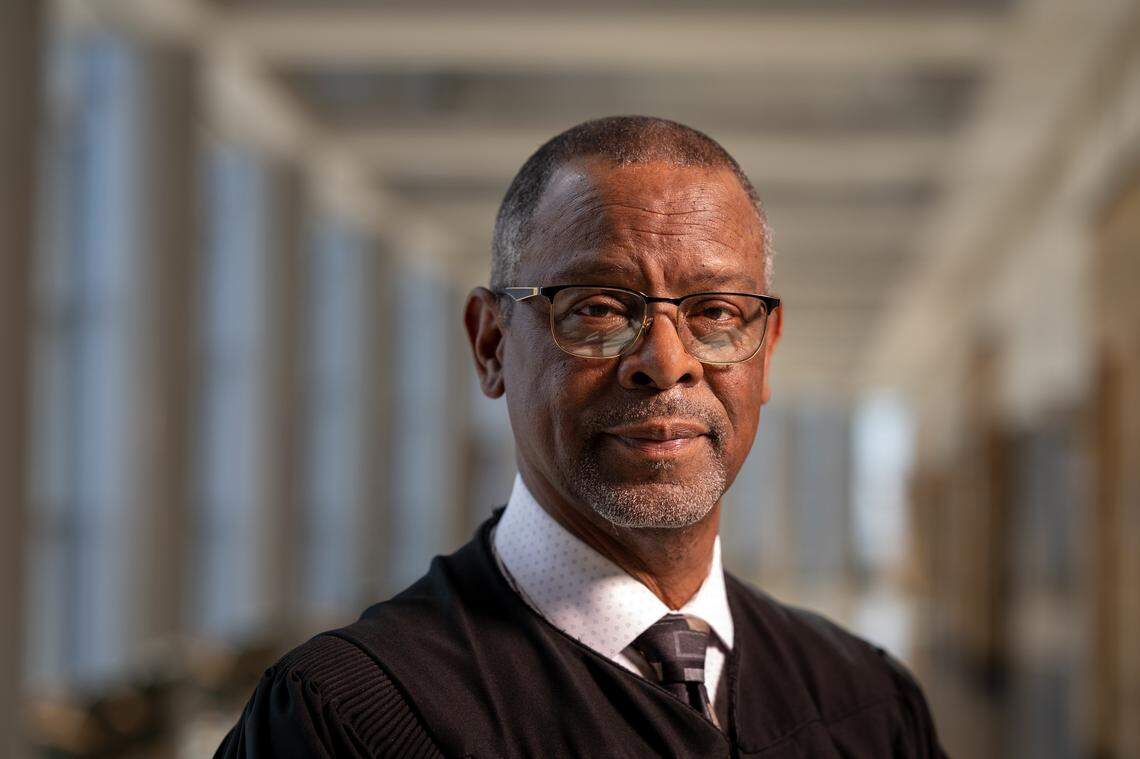
- The staffing gap: Just six judges handle cases for 8.5 million people in the Eastern District of California — the same number assigned in 1978, when only 2.5 million people lived in the district. The San Francisco district has 14 judges for a roughly equal population.
- Immigration cases are overwhelming the court: Nearly 1,000 habeas corpus petitions per month are being filed on behalf of immigrants held in Central Valley detention facilities, which house about 3,700 people. A fourth facility in McFarland recently opened with capacity for 700 more.
- Civil cases are stalled: It takes up to five years for most civil litigation to be heard. Cases involving a man with severe brain damage from a jail attack and a teen fatally shot by a deputy — both filed in 2021 — remain in preliminary stages.
- Why it’s getting worse: The Supreme Court ruled last year in Trump v. J.G.G. that habeas petitions must be filed individually and in the district where the person is held, funneling cases directly into the understaffed Eastern District.
- Congress remains gridlocked: Former President Joe Biden vetoed a bipartisan bill that would have added new judgeships. Republicans and Democrats now back competing versions, and neither has had a hearing since March 2025.
- Attorney punished for delay: U.S. Attorney Eric Grant asked Chief Judge Troy Nunley to reconsider his order sanctioning one of the new attorneys, saying the lawyer should not be held personally responsible for failing to submit documents on time because of a systemic problem.
- Judges are working around the clock: Nunley said calls announcing new cases frequently come in after 10 p.m., requiring immediate action before detainees are moved or deported. “We simply did not have the manpower to meet our mandate,” he said.