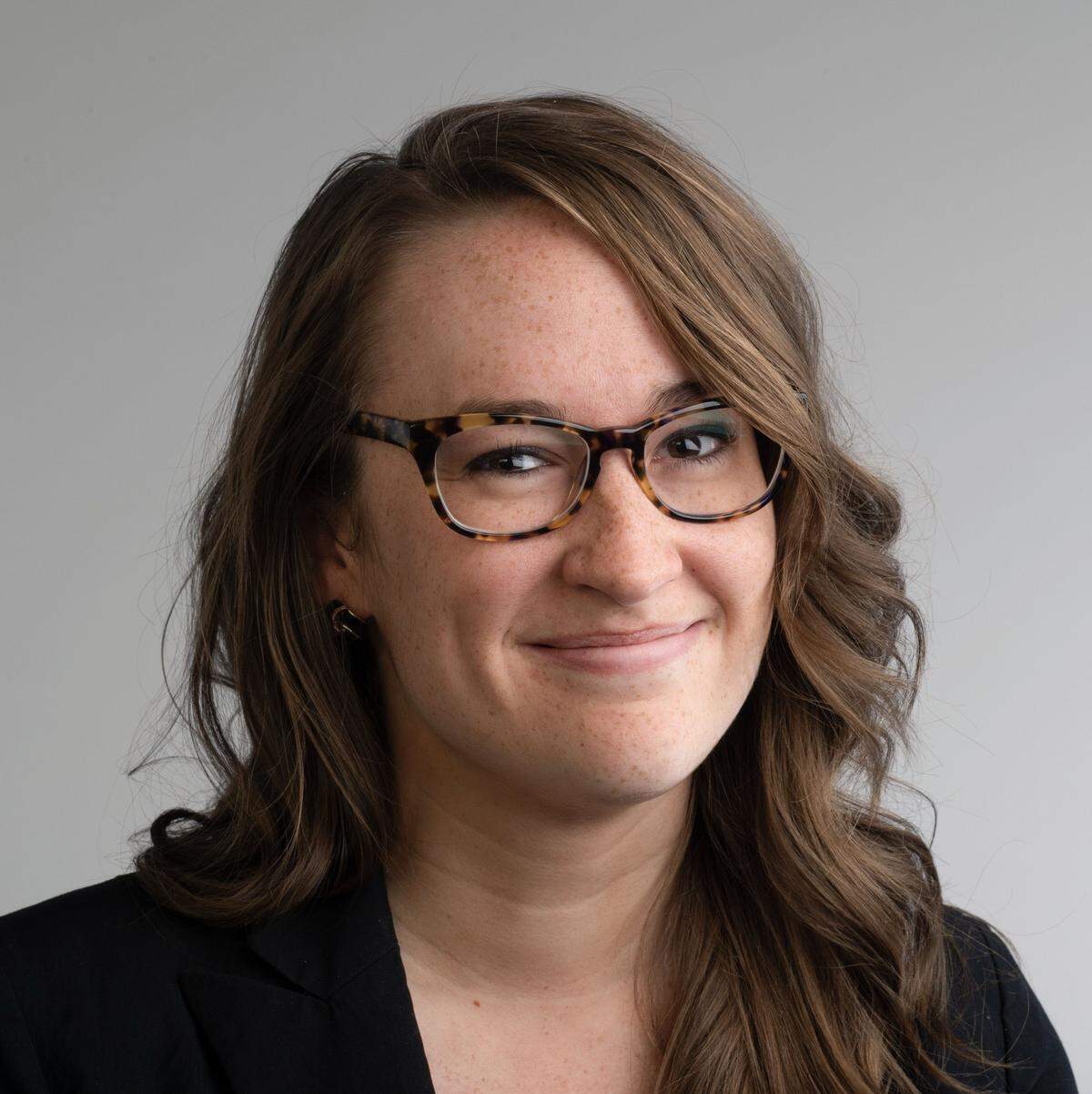
Sacramento supervisor candidate Flo Cofer files State Bar complaint against lawyer

Sacramento County Board of Supervisors candidate Flojaune Cofer filed a complaint with the State Bar of California alleging that a Sacramento attorney made false statements about her in a complaint to state election officials in her 1st District campaign.
On April 25, Sacramento attorney Brian T. Hildreth submitted a complaint to the Fair Political Practices Commission on behalf of resident Richard Dwyer alleging that Cofer underreported her income on a required disclosure form ahead of next month’s primary.
Hildreth, who did not respond to requests for comment, also represented Dwyer in a successful Sacramento Superior Court lawsuit that blocked Cofer, an epidemiologist, from using the title “doctor” on the June 2 ballot.
In his complaint to the FPPC, Hildreth cited a document Cofer submitted in the ballot designation case.
In a declaration filed March 27, Cofer listed several professional activities she said supported her use of the title “doctor” on the ballot.
For some activities, Cofer said she was paid. For others, she did not indicate whether she received compensation.
In his complaint, Hildreth listed several activities he said generated income for Cofer, including two guest lectures at Sacramento State, policy work for the California Department of Social Services and expert witness work in a Sacramento Homeless Union lawsuit against the city.
He cited Cofer’s court declaration as the source of that information. However, the declaration did not state that she was paid for those activities.
“This complaint is part of a broader pattern of abusing oversight and ethics processes for political theater,” Cofer said Thursday. “I filed a complaint with the State Bar against attorney Brian Hildreth because attorneys have an ethical obligation not to make false statements on behalf of clients. An experienced elections attorney knows Form 700 disclosures are governed by specific legal standards — not a requirement to list every dollar a person has ever received — yet this complaint repeatedly misstates my declaration, references income outside the filing period, and even claims court findings that do not exist. If we want fair elections, we cannot normalize dishonest and unethical conduct as a political strategy.”
FPPC rules require candidates and elected officials to disclose certain income, gifts and real estate interests, but not all assets or earnings. For example, candidates do not have to report the value of their primary residence, but they must disclose rental properties. The forms are intended to alert the public to potential conflicts of interest.
Cofer’s complaint also noted that Hildreth works for Bell, McAndrews & Hiltachk, the same law firm according to campaign filings that has been paid by a political action committee supporting her opponent, Sacramento City Councilmember Eric Guerra.
Ashlee N. Titus, the committee’s primary contact, said the PAC was not paying the firm for any work related to Cofer.
Hildreth did not answer questions about who was paying his legal fees.
The FPPC was still reviewing Hildreth’s complaint, according to a spokesperson. A State Bar spokesperson declined to say whether the agency was investigating Cofer’s complaint. If the Bar determines Hildreth’s actions warrant discipline, that information will be disclosed to the public.
It was unclear whether either the FPPC, an independent state agency, or the Bar, a division of the state’s court system, would resolve the complaints before the June 2 election.