
Violence is on the rise outside Sacramento bars, nightclubs. How can it be prevented?
In 2017, a bouncer and customer were shot in front of a popular downtown Sacramento nightclub.
A year later, two more people were shot and killed and two more were wounded outside another night spot nearby.
Last year, four people were shot outside a bar in Citrus Heights. Months later, three separate late-night shootings in Old Sacramento left three people dead and four injured.
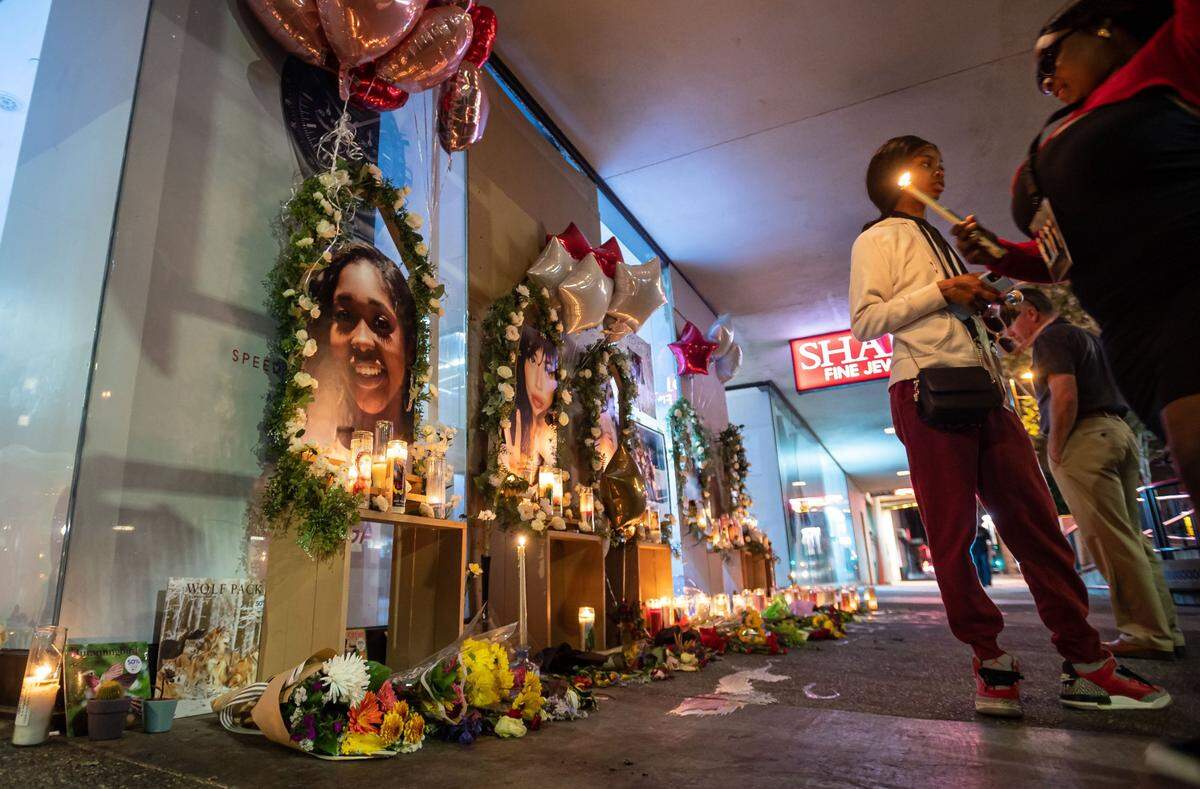
Then came the worst shooting in Sacramento history early Sunday morning when, according to police, at least five gunmen in a gang feud got into a shootout. By the time the bullets stopped flying and the screaming crowds had stopped running, six were dead and another 12 were wounded.
A common thread runs through these shootings: Each happened around the time bars were closing and patrons were emptying into the streets after the 1:15 a.m. last call for alcohol.
Having a large crowd gather out front of a nightclub, when tempers are sometimes high and patrons are drunk, poses a particular security risk in communities across the country. And Sacramento is hardly alone in having gang-related shootings outside popular nightclubs.
But critics say Sacramento may not be doing enough to ensure patrons’ safety as local leaders try to revitalize the downtown and Old Sacramento business districts that have been battered by pandemic-related business slowdowns.
“The city planning created all this for income purposes,” said Chris McGoey, a security consultant and expert on nightclub safety, based in Southern California. “And then they failed to adequately address the entertainment district security concerns.”
Even without the killings outside night clubs, violence has been on the rise downtown.
Police officers took 113 reports of aggravated assaults in 2020 and 2021 in the downtown core, an increase of 32 assaults, or 40%, from 2018 and 2019.
Separately, more than 80% of shots fired calls in the downtown core in 2020 and 2021 occurred between 8 p.m. and 8 a.m., police data show.
Sacramento has a team of officers assigned to patrolling its nightlife scene. However, whether the police presence was adequately staffed on the night of the shooting is unclear.
How many Sacramento police were downtown?
The Sacramento Police Department didn’t respond to repeated requests for information about officer staffing levels downtown on the night of the shooting, or whether the number of officers patrolling its clubs and bars had decreased in recent years.
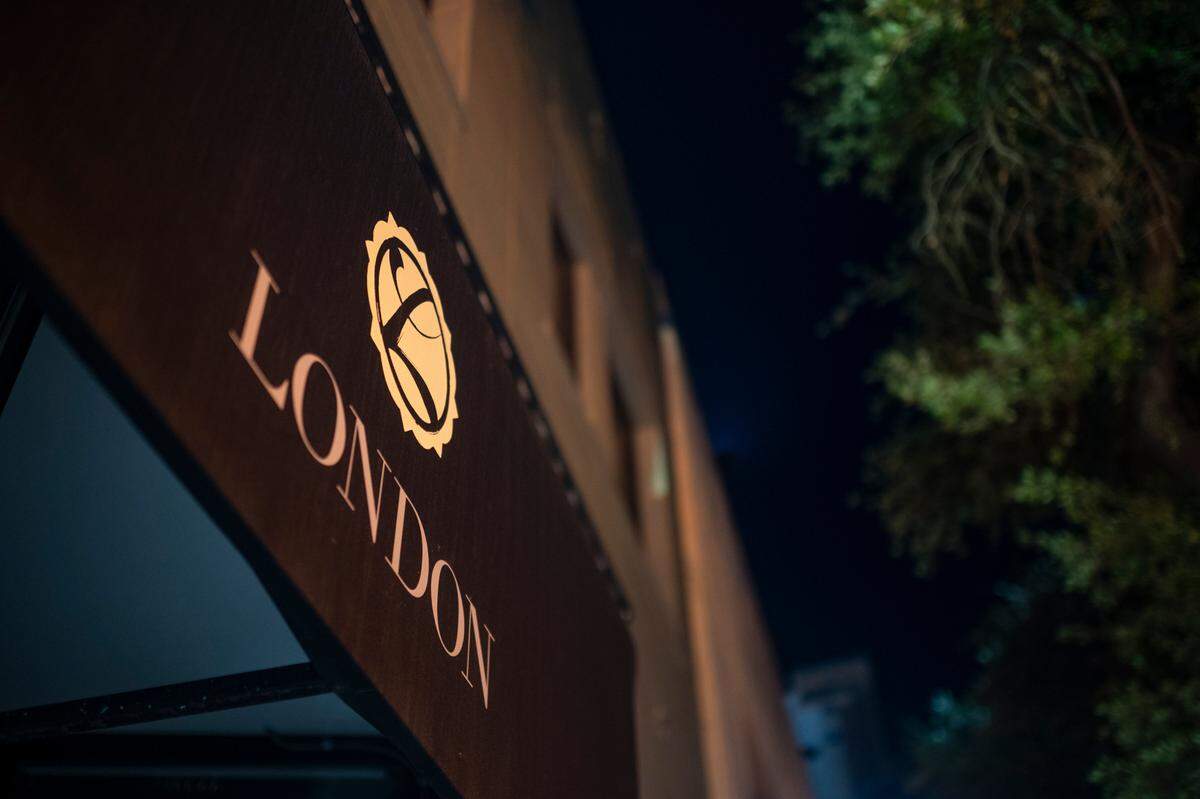
In earlier statements to reporters this week, police said officers were a block from where the shooting took place outside a strip of bars including the popular London nightclub on K Street, where some of the victims had been partying before the shooting, according to their families.
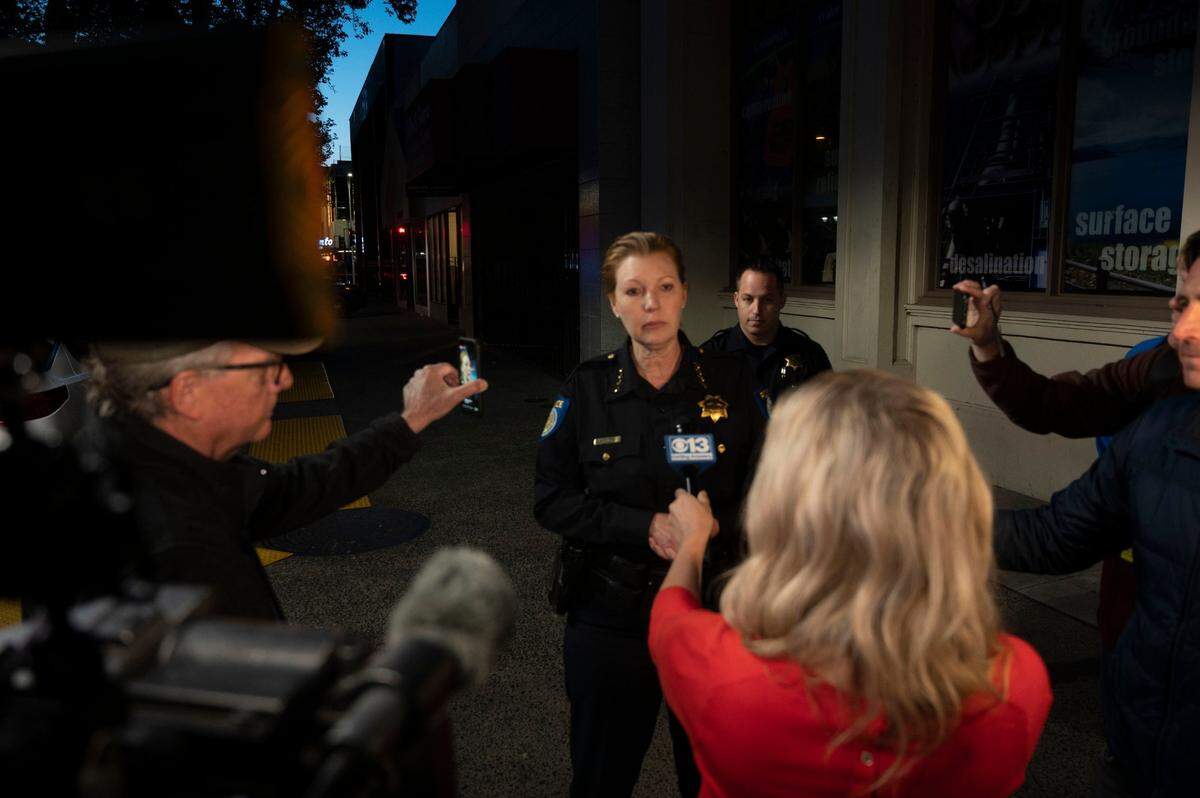
Officers heard gunfire coming from the area of 10th and K streets and arrived within a minute of hearing the shots, said Sgt. Zach Eaton, a police spokesman.
“We have a lot of resources down in the downtown area,” Eaton said. “We did before the shooting happened, and we will continue to have a lot of resources in the area.”
Despite calls for defunding the police during summer 2020’s racial justice protests, the Sacramento Police Department’s budget rose by 22% from 2020 to 2022.
With venues and concerts coming back to life after the long pandemic, it’s critical to ramp up safety measures downtown, said Michael Ault, head of the Downtown Sacramento Partnership.
“Inherently there are challenges of the timing when people leave the bars,” Ault said. “We should understand that coupled with the tremendous momentum we’re seeing (as people return to downtown), we should be doing everything we can do to invest in law enforcement.”
The City Council in January agreed to award the Downtown Partnership $1.15 million in federal COVID-19 relief funds “to increase the schedule for pressure washing and trash cleanup, hire two nighttime security guards and enhance the lighting in the J, K and L street corridors between Seventh and 13th streets,” according to a blog post by Mayor Darrell Steinberg’s office.
The new nighttime security guards are expected to start next month ahead of Concerts in the Park’s first show on May 6, said Downtown Sacramento Partnership director of public services Dion Dwyer. They’ll be unarmed liaisons, helping those in need and alerting police to substantive issues.
Former City Councilman Steve Hansen, whose district included midtown and downtown Sacramento, said the city had a similar problem with shootings outside bars in the past and took steps to crack down with a more aggressive police presence and by shutting down bars that catered to people causing problems.
“It’s long past time to reinstate successful programs for managing problems after-hours in these entertainment venues,” Hansen said. “It’s not a question of the money. It’s a question of the system.”
Security requirements at Sacramento nightclubs
McGoey, the nightclub security expert, said stopping violence at nightclubs isn’t necessarily about cracking down on who the clubs are letting inside.
It’s about who’s waiting outside.
“A lot of times,” he said, “these scumbags will show up where there are popular nightclubs and they hang around outside at closing.”
Maybe they can’t get in due to security screenings, McGoey said, or they simply can’t afford a cover charge and elevated drink prices.
But they come to the club anyway, looking to settle feuds or simply pick up women exiting the club.
At least one of the men who police said had a gun during Sunday morning’s shooting, Smiley Martin, posted a Facebook Live video earlier on Saturday night in which he brandished a handgun and said he didn’t plan to go inside an unmentioned nightclub.
“I’m pretty much dressed, I’m cool,” Martin said in the video. “I just can’t go in the club, ’cause I got no ID.”
“We’re not going in the club!” another person responded.
Martin, released in 2022 after serving about five years of a 10-year sentence for domestic violence and assault with great bodily injury, was arrested Tuesday in a local hospital and charged with possession of a machine gun and possession of a firearm by a prohibited person.
To get a permit from the city to operate a bar or nightclub, owners must receive permits from state alcohol regulators and from the city.
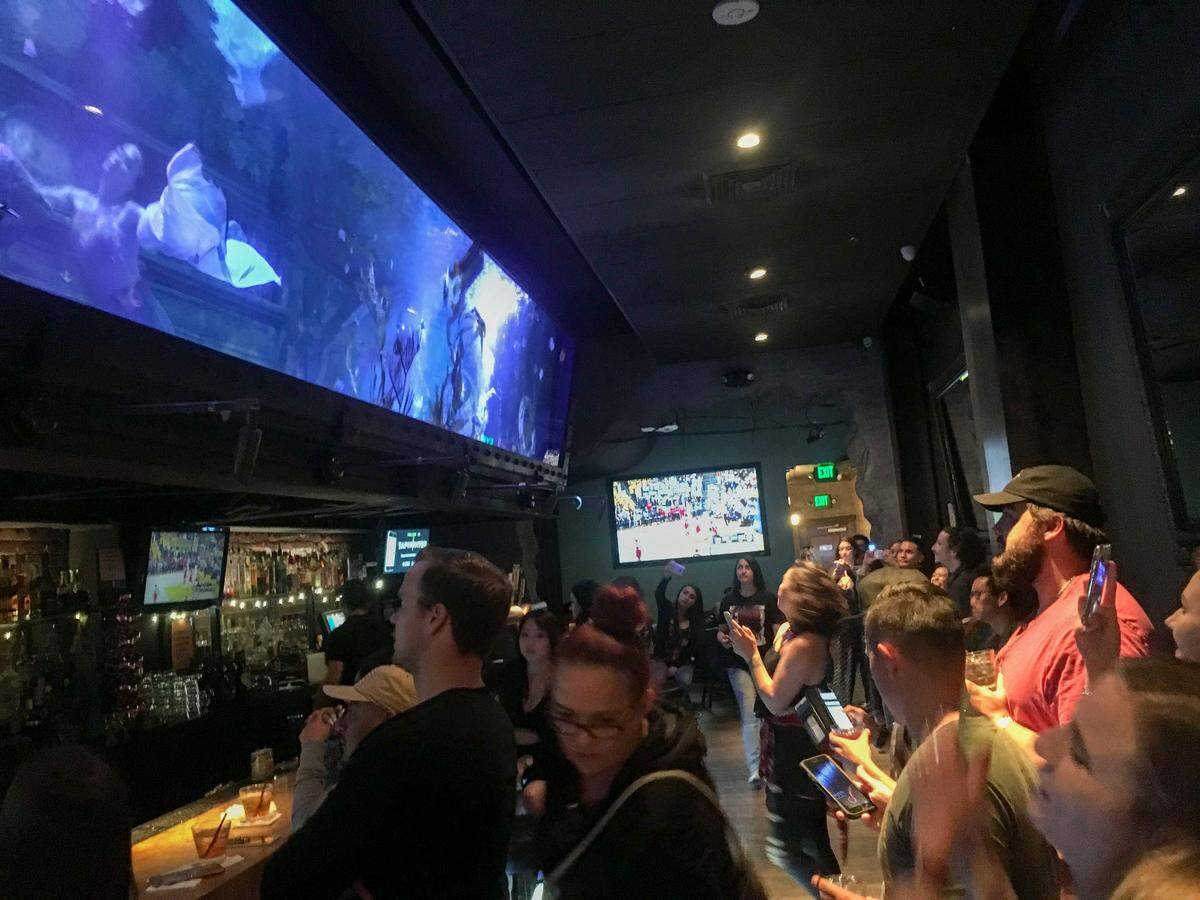
The establishments pay the city a $1,722 application fee for a two-year permit. To renew the permit for an additional two years, establishments must pay a $1,331 application fee. The fees go into the city’s general fund.
All so-called city “entertainment permit” holders are given a set of operating conditions.
The city mandates a minimum number of licensed security guards for each establishment based on occupancy and other criteria. For instance, London is required to have at least five. Among other requirements, security guards are required to be on the clock a half hour before and after closing. The larger nightclubs typically are required to use ID scanners, which can store customer data, flag bad actors and share information with other bars and police. To try to keep crowds from gathering like they did Sunday morning, all establishments also are required to keep people from loitering 50 feet from their doors.
Metal detectors are optional for Sacramento’s bars and clubs, though many of the larger establishments such as London require patrons to go through one before they’re allowed to enter.
Club bouncers say they need help
Bouncers who were working Sunday at clubs along K Street on the night of the shooting said Monday on “About The Night” podcast that the violence didn’t have anything to do with what was going on inside the clubs.
“I had a good-ass time, bro. All night,” podcast host Wynton Griffiths said. “No fights inside. We get outside. No fights outside.”
Then he said all hell broke loose as the gunmen opened fire. Griffiths said he was lucky he wasn’t caught in the crossfire.
Among those killed were Sergio Harris. He shook Rob Coates’ hand and said good night to the bouncer as he was leaving one of the clubs, according to Coates, who hosts the podcast with Griffith and another fellow security guard, Tony Scroggins.
The security guards don’t reveal the clubs at which they are employed on the show.
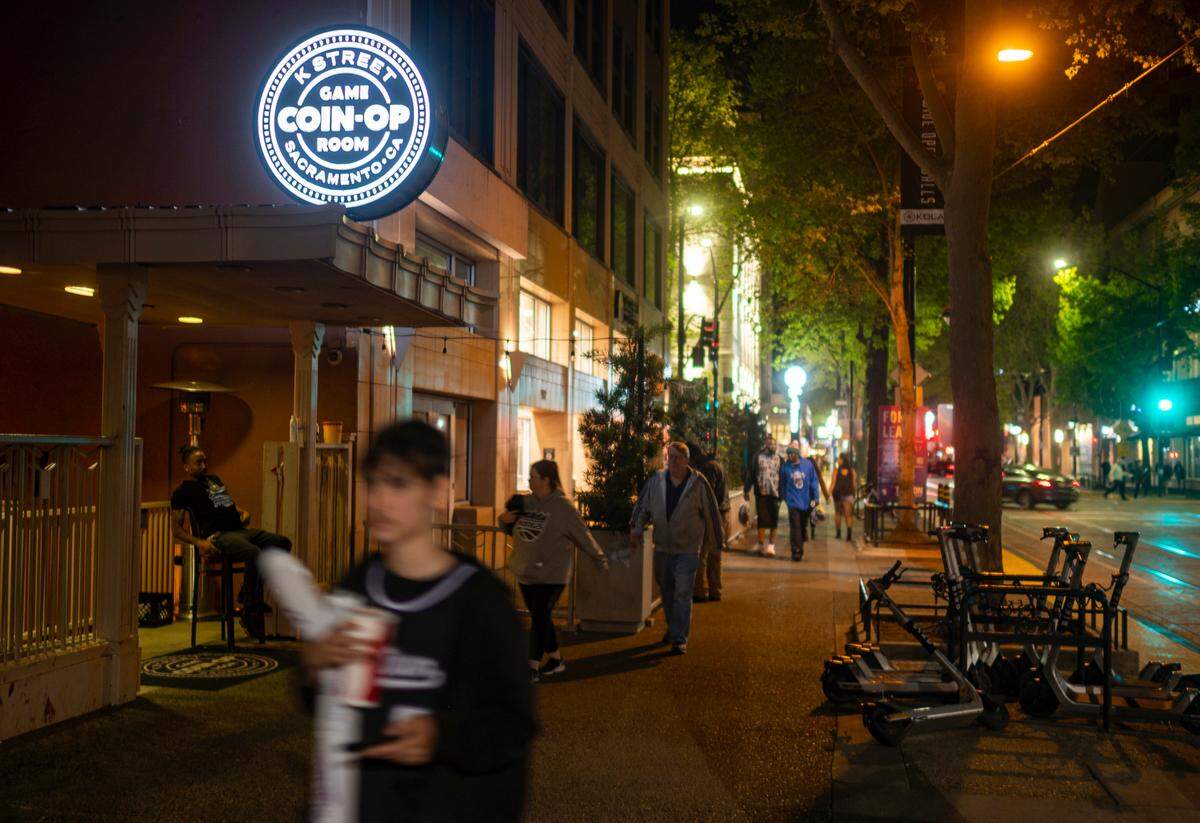
“If we’re speaking on this event, no one got into the venue with any weapon,” Coates said. “This is all outside, and people were just having at it, you know, after the fact, pulling (a gun) from their car. Whatever the case may be.”
The bouncers said it’s imperative for their fellow security guards to keep people from congregating as the clubs close, and it’s equally important for patrons to understand why.
“The responsibility falls on the security,” Coates said, “making sure that we’re pushing people a little bit harder to get people in their cars and their Ubers and things like that to get home safe.”
There’s another challenge to keeping people from lingering outside clubs as they close, said Dwyer, the public services director for the Downtown Partnership.
Hot dog carts started popping up around late-night Sacramento hotspots after California passed a 2018 law to let sidewalk vendors sell food. Dwyer said that’s led to people congregating either within a bar’s 50-foot “no-loitering” radius or just outside it.
On the podcast, Griffiths said the street vendors make keeping the crowd moving harder for him and his fellow security guards.
At the same time, the bouncers said they could use some help.
Coates said he would like to have police officers within sight to keep violent people away and to help bar security move crowds along.
“Regardless how you feel about police, I really don’t care,” he said. “The fact that they’re standing there … their presence is going to be a deterrent.”
Coates said he thinks the city’s nightclub owners should consider coming together and paying for a larger police presence downtown.
“That would definitely help,” he said. “That’s easy to say. But that costs money, right? So … who’s got to foot that bill? The club owner has got to foot that bill.”
This story was originally published April 8, 2022 at 5:00 AM.