Police want access to security cameras in Sacramento. How would footage be used?
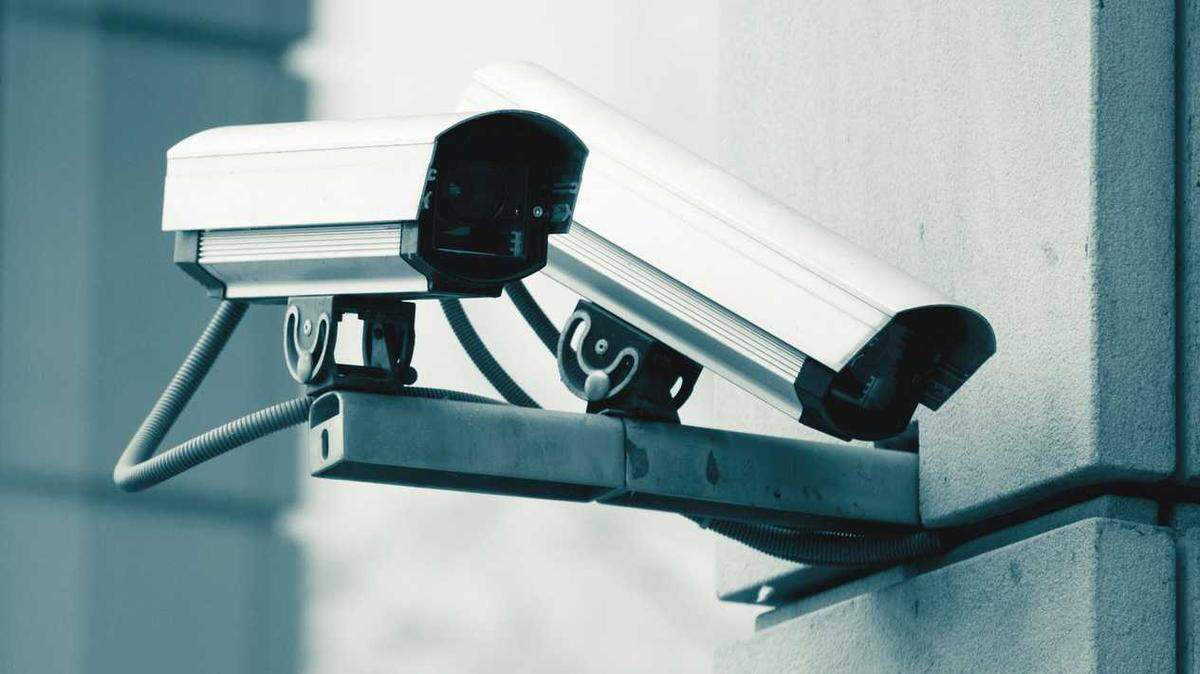
The Sacramento Police Department has a new program enlisting residents and business owners to give officers digital access to their security cameras to aid in criminal investigations or emergencies.
The police program, called the Public Safety Camera Network, promises voluntary camera registration doesn’t grant live video access to the police department; it only provides camera location information to investigators and officers responding to an incident.
The program, however, does offer an option to upgrade the registered security cameras to provide live video feeds to the Police Department during responses to emergencies.
Officer Anthony Gamble, a Sacramento police spokesman, said the option for live video feeds when there is “a significant threat to the public,” such as a violent crime in progress or someone is injured at the scene. He said the camera network is designed to speed-up criminal investigations and get victims medical help quickly.
“With technology and law enforcement, there’s an understandable fear of Big Brother,” said Gamble, referencing the George Orwell novel “1984” about a totalitarian government. “We’re not using the technology to spy on anybody or tap into someone’s life.”
He said the camera network will be used solely for criminal investigations or emergencies; not accessing home or business security cameras just to check on the neighborhood or invade someone’s privacy.
The police spokesman said he did not know whether live video feed upgrade option would be offered to residents and business owners, but it will certainly be used for the publicly-owned cameras already integrated into the police network.
Over 800 cameras already integrated
The camera network, which its web page indicates is up to 806 cameras, integrates into one digital system several sources of information. The new program integrates into one computer system public and private video feeds, along with 911 and computer-aided-dispatch, officer geo-location and tips from the public submitted on social media and other online platforms.
Police officials said this new camera network will enhance the “efficiency and effectiveness” of the department’s Real Time Information Center by expediting investigations and emergency responses.
Gamble said he did not know how many of those integrated cameras come from home or business security systems.
The public cameras that will be part of the police network are cameras already owned by the Police Department and installed in areas throughout the city. For instance, some of these police cameras were used in the investigation of the April 2022 downtown Sacramento mass shooting where six people were killed and 12 others were wounded near K and 10th streets.
Other public cameras that are a part of the police network are city-owned cameras, such as security cameras installed at municipal buildings and facilities, along with traffic cameras installed at Sacramento intersections.
The city has entered into a $300,000 contract over the next three years with Axon Fusus, a company that’s providing the real-time operations platform for the Police Department to run network. The public safety technology company, which has offices in Seattle, London, Ho Chi Minh City in Vietnam and Sydney, Australia, also provides technology services to federal authorities, firefighting agencies, emergency medical response companies, prisons and school campuses.
Representatives from Axon Fusus will be made available over-the-phone to assist business owners who registered their security cameras or interested in registering, Gamble said.
Undue influence from tech companies
Elizabeth E. Joh, a professor at the UC Davis School of Law and a leading expert on policing, privacy and technology, has said technology companies present an undue influence over police, guiding, shaping and limit policing in ways that are not widely recognized.
In a September 2017 article written for New York University Law Review, Joh wrote that the use of nondisclosure agreements, the ability to dominate a particular market and the shielding of proprietary information all exert an undue influence by private companies that affect legal change, police oversight and police accountability.
“These surveillance technology companies exercise an undue influence over the police today in ways that aren’t widely acknowledged, but that have enormous consequences for civil liberties and police oversight,” Joh wrote in the law review article. “The harms of this private influence include the distortion of Fourth Amendment law, the undermining of accountability by design, and the erosion of transparency norms.”
The police spokesman said the newly implemented camera network has safeguards that track every use of the network to “help prevent missuses from happening.” Gamble said each officer using the network to access cameras video has to login with an identifying code. Once a complaint is made, he said, the department’s internal affairs investigators can find out which officer access the cameras and when.
The Police Department started its community outreach about three months ago, tasking area police commanders to speak to residents about the new camera network and how they can register their home security systems. Gamble said this outreach effort was done mainly through community group meetings and neighborhood watch groups.
This week, the department announced the camera network to news media outlets as they try to encourage others to register and give police access to their cameras.
Gamble said registration offers options to residents and business owners: granting police full or limited access to their cameras. He said a resident can choose to register only granting police access to the camera after the department has requested it with specific date and time span.
What type of investigations?
Gamble said the camera network will be used in a variety of criminal investigations: homicides, shootings, sexual assaults, robberies, burglaries, suspected drunk driving crashes, hit-and-runs. He said the network could eliminate the need for officers to canvassing a neighborhood, knocking door-to-door and looking for residents who might have security camera video crucial to an investigation.
Canvassing a neighborhood can take up to 30 to 45 minutes as officers “strike out” with homes that have inoperative cameras or cameras pointed in the wrong direction, Gamble said. Canvassing is also slowed as officers knock on doors late at night only to get no answer.
Those delays could impeded investigators from finding a wanted suspect quickly. Gamble said those delays can mean the difference between “capturing a suspect or having to launch a manhunt.”
The camera network will give investigators “immediate access to potential video evidence,” according to the Police Department. At the very least, investigators would know which cameras are registered in the area and which door to knock on first, Gamble said.
The Police Department promises registrants’ information is confidential and is solely used for criminal investigations or emergencies.
This story was originally published October 24, 2024 at 4:27 PM.