
Sacramento parents have a new school option: Virtual academies for kids who want to stay home
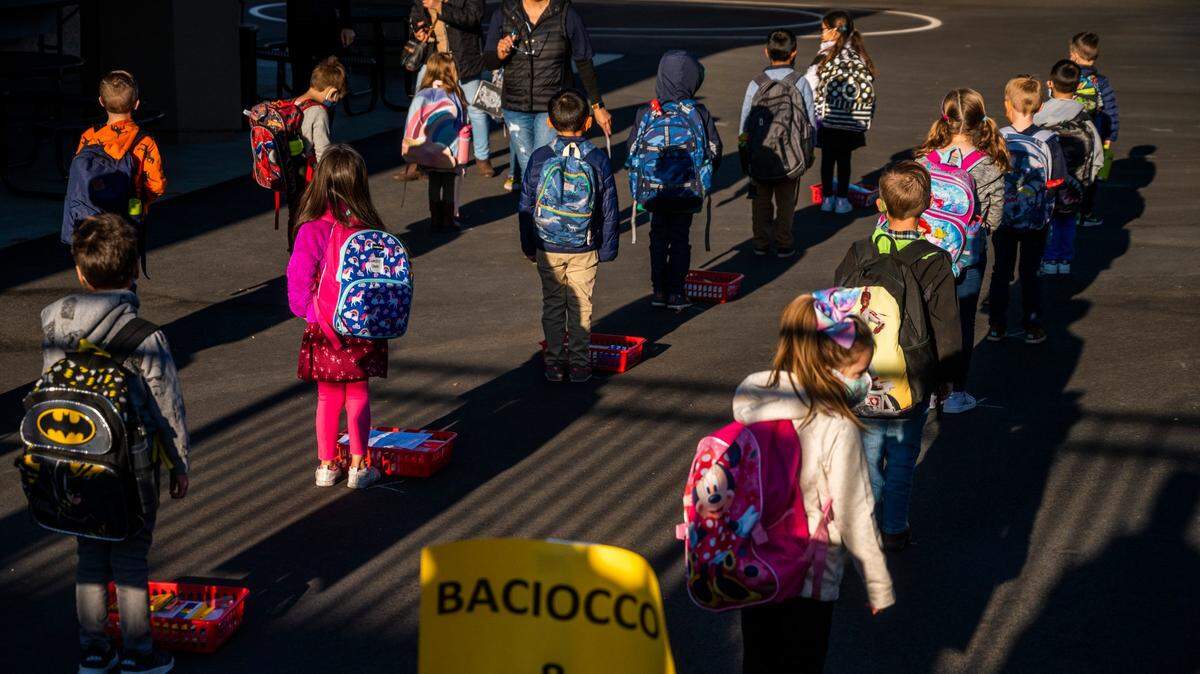
The pandemic sent thousands of public school students in the Sacramento region home. And some will choose to stay there in the fall, even as schools prepare for more robust in-person instruction.
Virtual academies are beginning to pop up across the state, establishing full online campuses with schedules that resemble a traditional school day, along with live, daily interactions with teachers.
About 40 school districts in California have applied to register virtual academies with the California Department of Education. Locally, Rocklin, Natomas, Folsom Cordova, Davis, Washington Unified in West Sacramento and the Dry Creek Joint Elementary school districts have applications that have been approved.
It remains unclear how long distance learning will be an option in California; a law that allowed schools to pivot to online learning when the pandemic struck sunsets June 30. Virtual academies, some of which were available before 2020, could help provide a safety net for families who do not want to send their children back to campus five days a week.
Natomas Unified is launching a K-12 virtual school called Larry G. Meeks Academy in the 2021-22 school year. While Natomas schools are back five days a week, roughly 50% of the district’s students are still in distance learning.
Still, registration in the Natomas virtual academy remains low: about 60 students are either registered or have expressed interest, said Superintendent Chris Evans. He said he is hopeful those numbers will increase.
“I don’t think a lot of people want an extension of distance learning,” Evans said. “One of the things we have to do better in Natomas is communicate how this is going to be different. This may not be the perfect timing, but we are negotiating elements of that.”
The academy was originally planned more than three years ago, long before the pandemic. The academy, which will be a permanent program in the district, will cost about $1 million, according to Evans.
“This is a way for us to have a blended form of education,” he said. “Students can come in-person for socialization, direct support for tutoring and it’s an opportunity for a flexible schedule.”
Folsom Cordova Unified, which welcomed back its elementary students in November, offers in-person instruction in a hybrid model and shorter days. Students attend classes on campus for 2-and-a-half hours on days they are at school.
Students who chose to continue distance learning were reassigned teachers who also decided to work from home. About 44% of elementary aged students are in distance learning in Folsom Cordova.
Now the district is creating a new, permanent virtual academy called Innovations Academy. The state recently approved the district’s application for the new school, and the district hired a principal and is currently enrolling students. It’s unclear how many students have registered for the academy. Registration closes on Friday.
“As a former principal of a virtual school, I’ve seen how this trend catches on. Once word gets out, I know parents and students will have questions which is why I’ve invited those interested to contact me,” said Innovations Academy Principal Kimberly Walker. “During the pandemic, many families found that virtual learning was a good fit. Now with Innovations Academy, virtual learning can become a permanent choice for families and students who want that flexibility.”
Rob Kinder, the principal of the new Davis Joint Unified School District Virtual Academy, said their program will provide a personalized relationship between teachers and students and social-emotional learning.
The elementary program is live and synchronous, and the secondary program is flexible and asynchronous, according to Kinder.
“We want to make sure that we make an investment and make sure that these students have everything they need and more,” Kinder said.
It’s unclear how many students have registered so far for the program, but district officials say the academy is a permanent program that will provide students with an ongoing alternative option than in-person learning.
“We have been surveying our community for the whole year and we see there that in every grade level there are students and families that really like virtual,” Kinder said. “Even if that’s 5%, that’s a substantial number.”
This story was originally published May 7, 2021 at 5:00 AM.