Why Sacramento teachers are striking, in their own words: They’re exhausted
READ MORE
Sacramento City Unified Schools labor strike explained
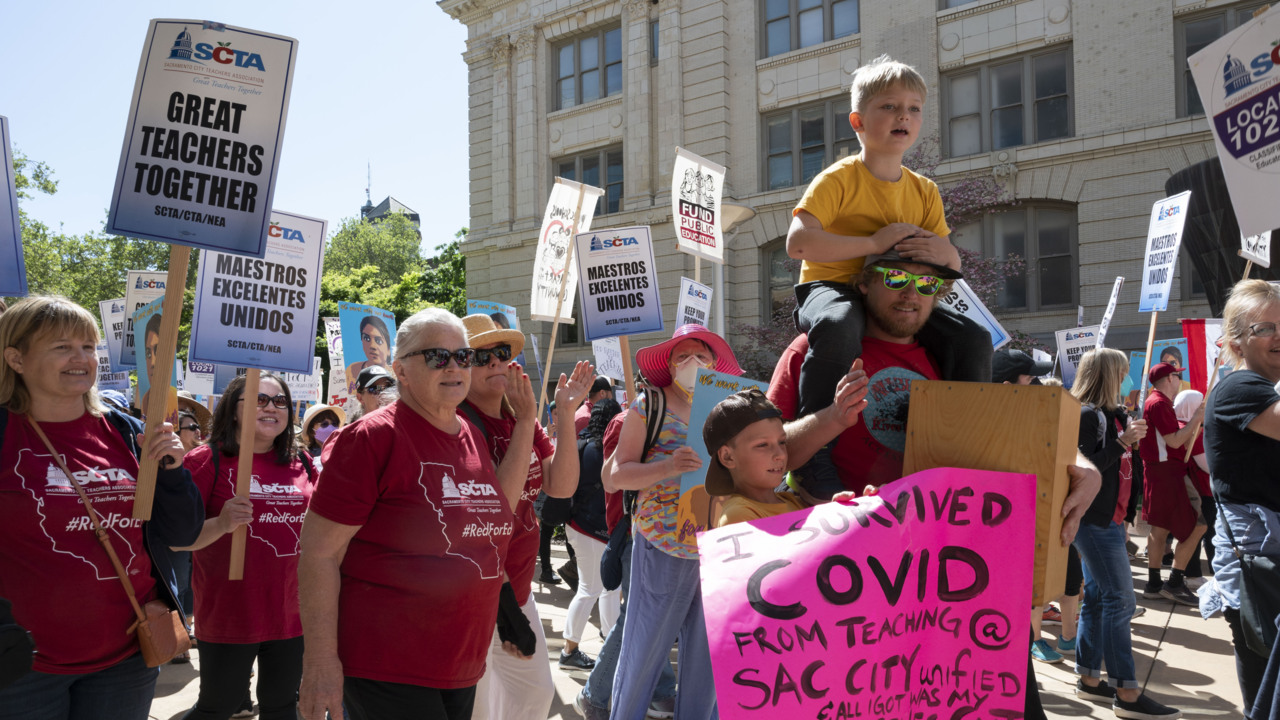
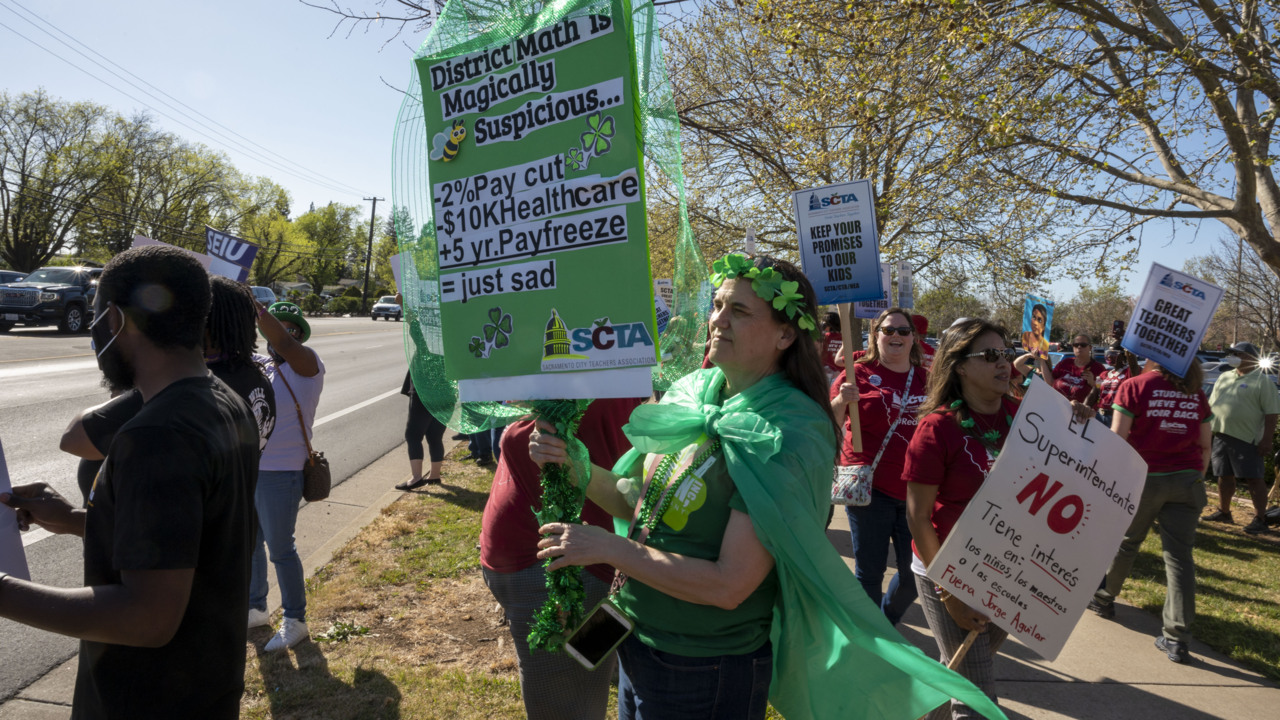
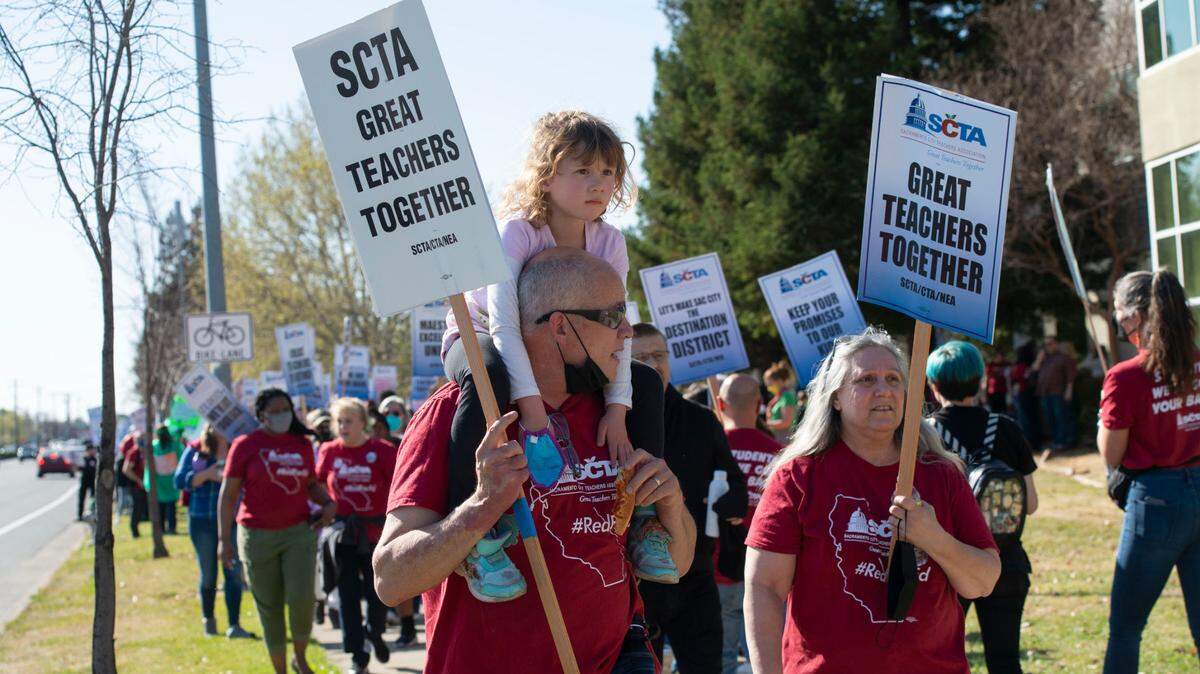
Sacramento City Unified School District teachers are poised to walk out and strike, affecting thousands of students. The Teachers Association’s last strike was 2019.
Expand All
Veteran John F. Kennedy High School teacher Donald Lee feels like he never gets a moment to himself these days.
He’s constantly teaching because he fills in for ill colleagues in what used to be his down periods, a reflection of a severe shortage of substitute teachers in the Sacramento City Unified School District.
That staffing shortage is one of the key sticking points contributing to teachers’ decision to strike Wednesday as their union negotiates with the district over a range of COVID-19 benefits and policies.
Mediators for the district and the Sacramento City Teachers Association met Monday in an attempt to avert a strike. Even as they met with two state-appointed mediators Tuesday, the union told parents to “prepare for a strike.”
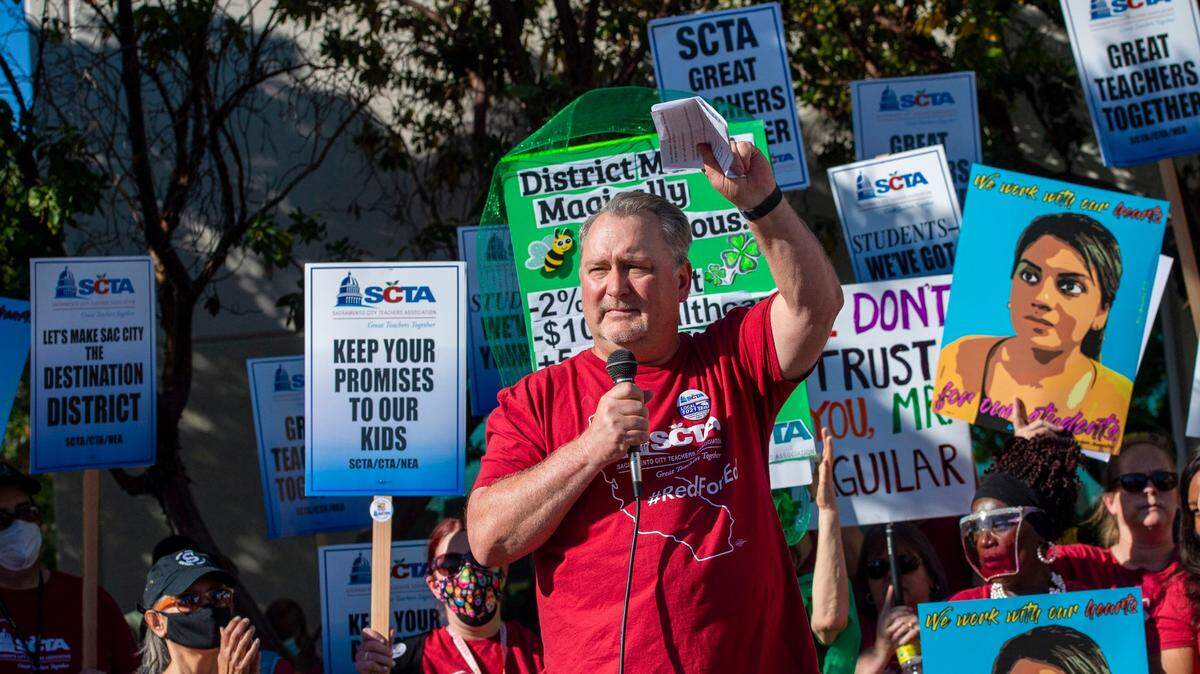
“The district has misplaced priorities and no sense of urgency,” SCTA president David Fisher said in a news release. He added: “My advice to educators and parents is to prepare for a strike. The district’s actions make it look inevitable.”
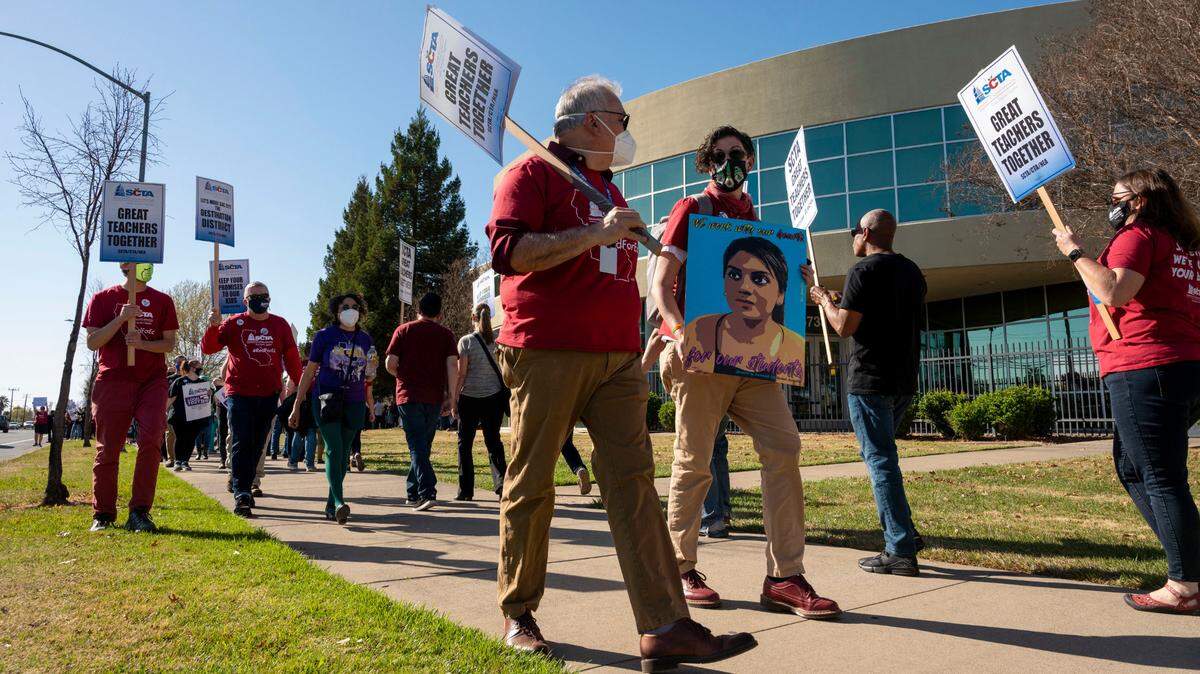
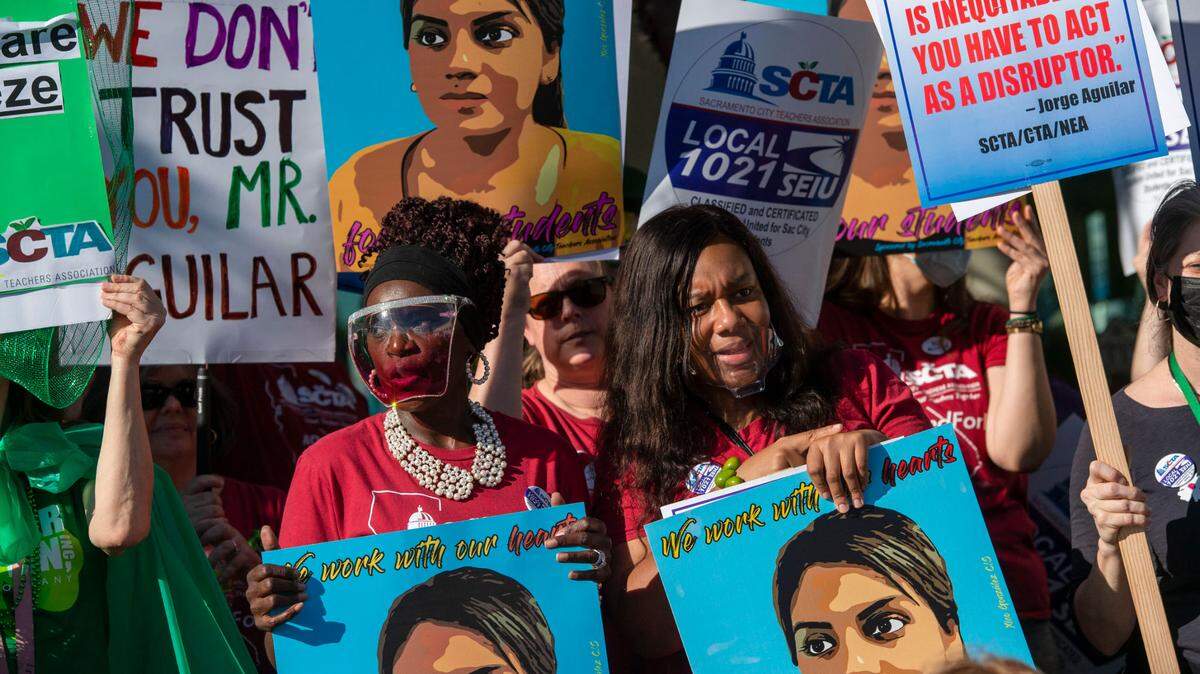
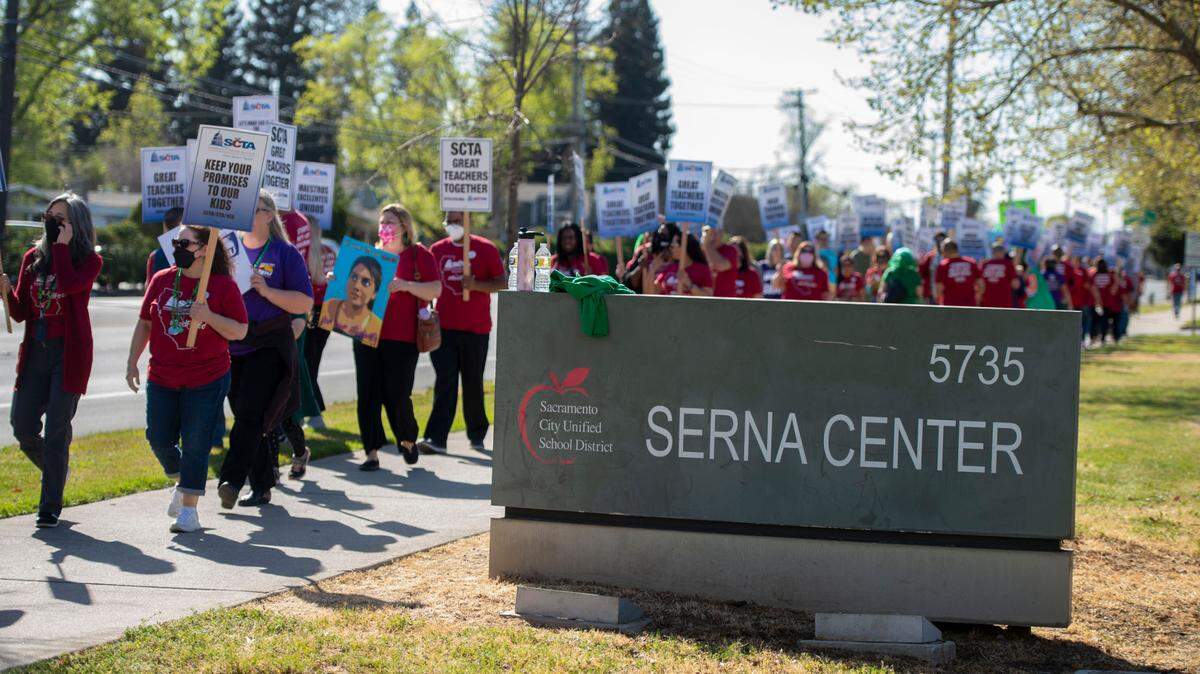
Barring a deal, school would be canceled Wednesday for 40,000 students while teachers, staff and supporters planned to meet in front of the Serna Center for a demonstration at 11:30 a.m.
Lee is among the Sacramento teachers who are preparing to strike. He said he supports the walkout but wishes it didn’t have to happen.
His school, Kennedy High, put in more than 500 requests for substitute teachers from January through February of this year. Only 32% of those requests were filled.
That’s where teachers like Lee are called in to fill in for their colleagues.
He has worked about 40 of his prep periods. At one point he was working nearly every day for two months straight. Staffing became such a crisis that Kennedy High put several classrooms in the auditorium at once, he said.
“The problem is, I have had to cancel doctor appointments, and my car needs repair,” he said. “And I still feel like I can’t take a day off. I am very frustrated with that.”
Agreeing to teach during prep periods is voluntary and paid. Lee felt pressure from other teachers to decline the requests because it was seen as facilitating the problems at Kennedy.
“I see their point,” he said. “But the classified staff are my friends. When they reach out to me, I want to help.”
But it takes its toll. As a 10th-grade English teacher, Lee usually uses his third-period prep time to grade the 150 essays he has each month. He prepares for his next classes. He teaches drama, which describes as labor-intensive. And he also gets a bit of a breather.
“I was a little more exhausted,” Lee said. “And it made me feel that I can’t take any time off.”
Sacramento teachers want change
Much of the teachers frustrations are reflected in their union’s proposals, which were analyzed by a Public Employment Relations Board panel after the school district declared a bargaining impasse in negotiations over COVID-19 spending and health standards.
Teachers, for example, have long said that teaching students in-person and online simultaneously was ineffective and difficult. And while the pandemic has loomed over everyone for two years now, teachers still want strong health and safety measures — like physical distancing and COVID sick leave days.
The district has offered a number of pay incentives to teachers and staff who take on extra work in the pandemic, but they have not been adopted through bargaining. Outside of the impasse over COVID-19 spending and protocol, the union and the district are locked in negotiations over a new contract for teachers.
Teresa Hanneman-Snow, a second grade teacher at Parkway Elementary, and said she has serious concerns affordability. With the rising cost of living in Sacramento, teachers — like people in so many other professions — are worried about the future.
Job openings at her school still remain unfulfilled. Three classrooms do not have permanent teachers — two of them since nearly the start of the school year.
“There is not a lot of incentive for folks to apply in this district,” she said. “I don’t think our district looks like a desirable place to work.”
Hanneman-Snow hasn’t contracted COVID-19 since the pandemic began. But she says she grows concerned about the quality of instruction in her class if she does have to take sick days off. And she thinks of the students, many of whom she says have social and emotional needs. The pandemic exacerbated those stresses.
“There are a lot of disruptions in class, running out of the classrooms,” she said. “Kids are just really struggling to process their emotions. They lack the socialization being around other kids.”
Teachers concerned about cost of living
Oli Tagert, a third grade teacher at Earl Warren Elementary School, was once a foster youth and had to take sizable loans to pay for college amounting to $75,000.
Without her husband’s income, she said she would not be able to afford to be a teacher.
“Another major area of concern is the cost of child care,” she said. “Especially with inflation and a constant push and need for me to work after the technical end of the school day.
Expenses pile up while working for Sacramento City Unified. Before she began teaching at Warren Elementary, she encountered difficulties obtaining reimbursements for expenses like ink and paper.
While that is no longer an issue, Tagert wonders how many other teachers are struggling financially.
“The only reason our family can live comfortably where it is is because we have two incomes and I know many other teachers with the same issues who don’t have that additional help,” she said.
This story was originally published March 22, 2022 at 5:25 AM.