
More California children can attend transitional kindergarten at no cost. What you should know
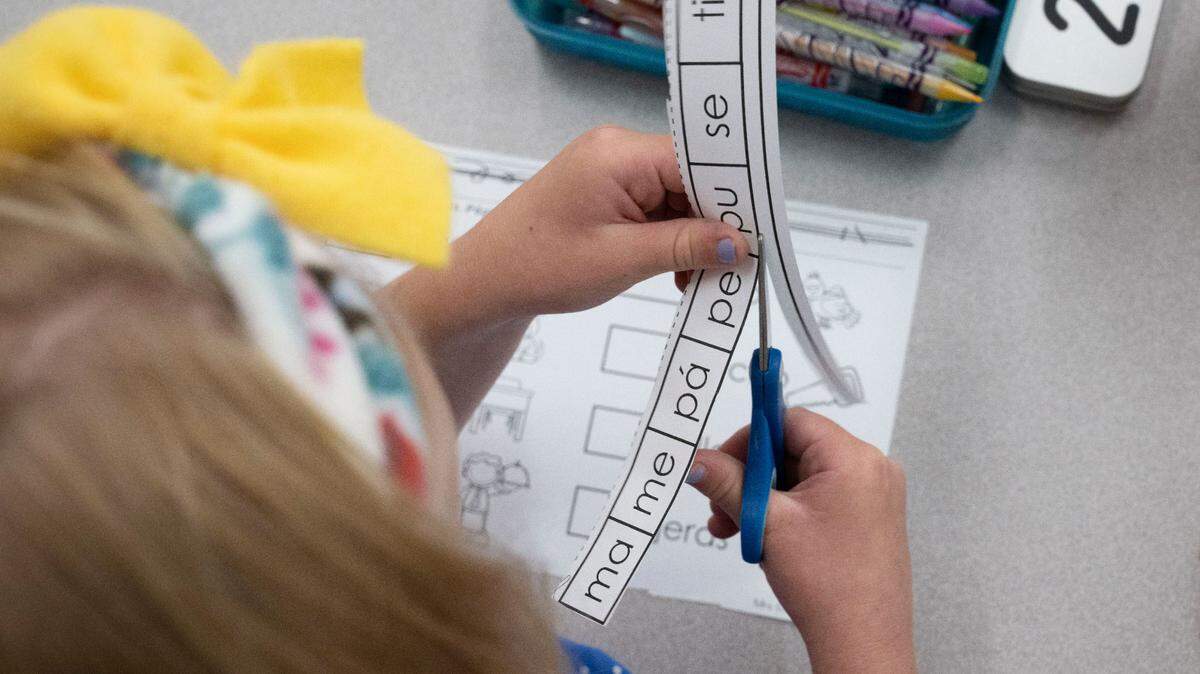
Hundreds of thousands of California parents will get a new choice over the next few years: Whether to enroll their 4-year-old in state-funded transitional kindergarten.
The program builds on a law Gov. Gavin Newsom signed last year that phases in universal transitional kindergarten at California schools. By fall 2025, all California 4-year-olds will be eligible for TK.
Supporters of the plan say the $2.7 billion expansion will better prepare children for kindergarten. The new grade is also an opportunity for parents to get their children into schools sooner, which can help cut day care costs for working parents.
Currently children who will turn 5 between September and Feb. 2 are eligible for transitional kindergarten.
The Sacramento Bee had a conversation with Kelly Twibell Sanchez, Director of the Early Childhood Lab School at UC Davis on the benefits of transitional kindergarten and the differences it has from traditional kindergarten.
The following has been edited for brevity.
Is transitional kindergarten better than preschool?
Twibell-Sanchez: This universal pre-kindergarten program, this master plan that was set forth California for all kids is really giving this opportunity. The idea would be that preschool is a part of that system as well. And then the TK programming allows us to ensure that all 4-year-olds have opportunities to high quality programs.
Really it’s about access to quality. I think that’s the trickiest part of this is that when we think about families making decisions in terms of preschool programs, they’re going to choose and be able to choose what’s best for them, but also have the opportunity to enroll their child in a TK program as they prepare for that transition to kindergarten, too.
Is there a difference in curriculum?
Twibell-Sanchez: This is where it gets controversial, right? This is the work that I’ve done. I was one of the primary contributors to the TK implementation guide for the state of California, which was put out in 2012. What I observed when I went up and down the state visiting a variety of TK programs is that some people interpreted TK as, ‘OK, it’s like taking kindergarten and slicing it in half.’ And what we find and what the reality is, is that (children are) not developmentally there yet for that.
That’s why we have to be mindful when we implemented TK programs that we’re meeting the learners where they’re at, and that will mean children who have gone to preschool, children who have not gone to preschool. Developmentally they all may have 4-year-old on their birth certificate but they’re going to be in different places. They’ll all have different strengths and they’ll all have opportunities for growth.
What should a child know before TK?
Twibell-Sanchez: The idea would be that all children would thrive in a high quality TK classroom. That means there’s no content knowledge that is required. What we hope they’ll be learning especially in those first few months is what it means to be a part of a classroom community; what it means to build relationships with maybe unfamiliar adults, their teachers; developing relationships with peers, diverse peers.
It’s a space where all children’s curiosities should be nourished. It’s an opportunity to be a part of independent play, but also small group learning opportunities. It’s a chance to really get hands on with curriculum that maybe isn’t accessible or available in all homes. I would hate for parents to have this impression that they have to get their child ready for TK -- TK needs to get ready for all children.
What do kids learn in TK?
Twibell-Sanchez: What I’ve been emphasizing as I’ve been working with different school districts are habits. We’re learning about taking care of ourselves and our things. That’s hand washing, which is an important skill, you know, coming out of a pandemic. It’s how we collect materials, how we use them and how we put them away. I’m talking about the manipulatives, how we get that out, we explore it, how we take care of them, and then how we return it to where we collected it from. It’s learning about taking turns with materials, it’s learning about taking turns communicating. It’s not to say that they won’t be exposed to letters and numbers, in fact, they will be, but it’s often through the context of play. And it’s through learning these habits, that they’re able to access that curriculum and then apply it more formally in the future.
Advice for parents
Twibell-Sanchez: I think it’s important that, parents feel comfortable making choices that feel right for their own child and family. In order to make sure they’re making the most informed choices [by] reaching out to their schools asking about their TK programming, visiting an open house or if there are informational nights getting that sense of what is the program that I may be considering for my child and does it fit for us? Because it may be that a family childcare program, or private center still meets those needs for the family. But you know, perhaps TK being this, you know, free accessible space may also do that as well.