Sacramento City Unified’s bond rating plunges to junk status amid budget crisis
One of the nation’s three major credit rating agencies has downgraded Sacramento City Unified School District’s bond rating, citing the district’s poor budget management and uncertainty over its plans to rebuild reserves.
Fitch Ratings, a Manhattan- and London-based credit ratings agency, downgraded SCUSD’s bond rating from A+ to BB-, moving the district into speculative-grade territory with elevated vulnerability to default risk. In Fitch’s report published on Monday, the agency described the district as having “a history of inadequate budget management practices.”
The district’s bond rating now sits at junk status, meaning BB+ and below under Fitch Ratings’ scale.
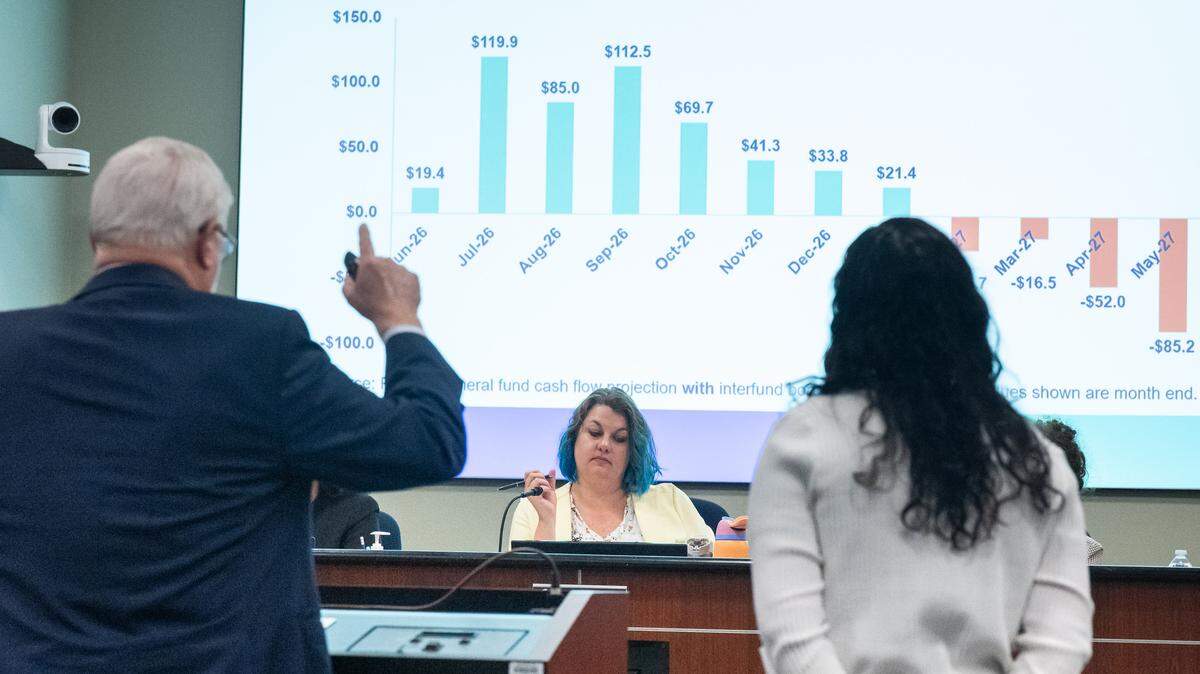
The downgrade reflects the district’s “ineffective budget management and a sharp rise in spending relative to resources beginning in fiscal 2025,” the report said. The agency also noted it expects reserves to be “nearly depleted by fiscal year-end 2026 (June 30),” adding that the district’s thin liquidity increases the risk of state receivership and the need for emergency loans.
Divya Bali and Karen Ribble, directors at Fitch, wrote that the agency’s rating reflects the general credit quality of an issuer.
“State control could improve the district’s credit quality,” Bali and Ribble wrote in an email on Wednesday. “We will monitor the district’s fiscal health and may incorporate the benefits, if any, of state control if that should be the outcome.”
In Monday’s report, Fitch pointed to the Fiscal Crisis and Management Assistance Team’s grim December analysis that found the district often weakened the budget by starting non-budgeted contracts before receiving proper approval, including contracts for special education services.
The development came as SCUSD scrambles to close an unprecedented $170 million budget deficit. The district had identified $82 million in projected savings as of April 16, but many of those were one-time cuts rather than ongoing reductions. A state financial agency projects SCUSD could run out of money soon after 2027 begins, potentially triggering a state takeover.
The district uses bond funding to modernize its school buildings. Voters most recently approved Measure D, $543 million bond proposal, in 2024.
Chris Ralston, SCUSD’s assistant superintendent of facilities, said the district does not expect an immediate impact by the downgrade on projects already launched through the district’s bond program.
“The district currently has sufficient bond proceeds on hand to continue funding projects that are already planned and in progress over the near term,” Ralston wrote in an email on Tuesday.
Ralson added that the rating is not the only factor determining future bond issuances, but part of a broader mix of considerations, including market conditions, investor demand and interest rates. Still, he noted the lower rating could require the district to do more to secure financing for future projects.
In a recent SCUSD meeting, Ralson discussed asking voters to approve a bond measure to help fund its facilities consolidation and modernization plans. When the district planned Measure D in 2024, it expected to make its next bond request to voters in 2028.
“Generally, a lower rating can require additional work to ensure future financing remains cost-effective and favorable for taxpayers,” Ralston said.