UCD, Kaiser seeking hundreds in Sacramento, other cities for coronavirus vaccine trial
UC Davis Health and Kaiser Permanente will be identifying hundreds of patients in Sacramento and other communities to participate in a clinical trial for a COVID-19 vaccine candidate developed by New York’s Pfizer and Germany-based BioNTech.
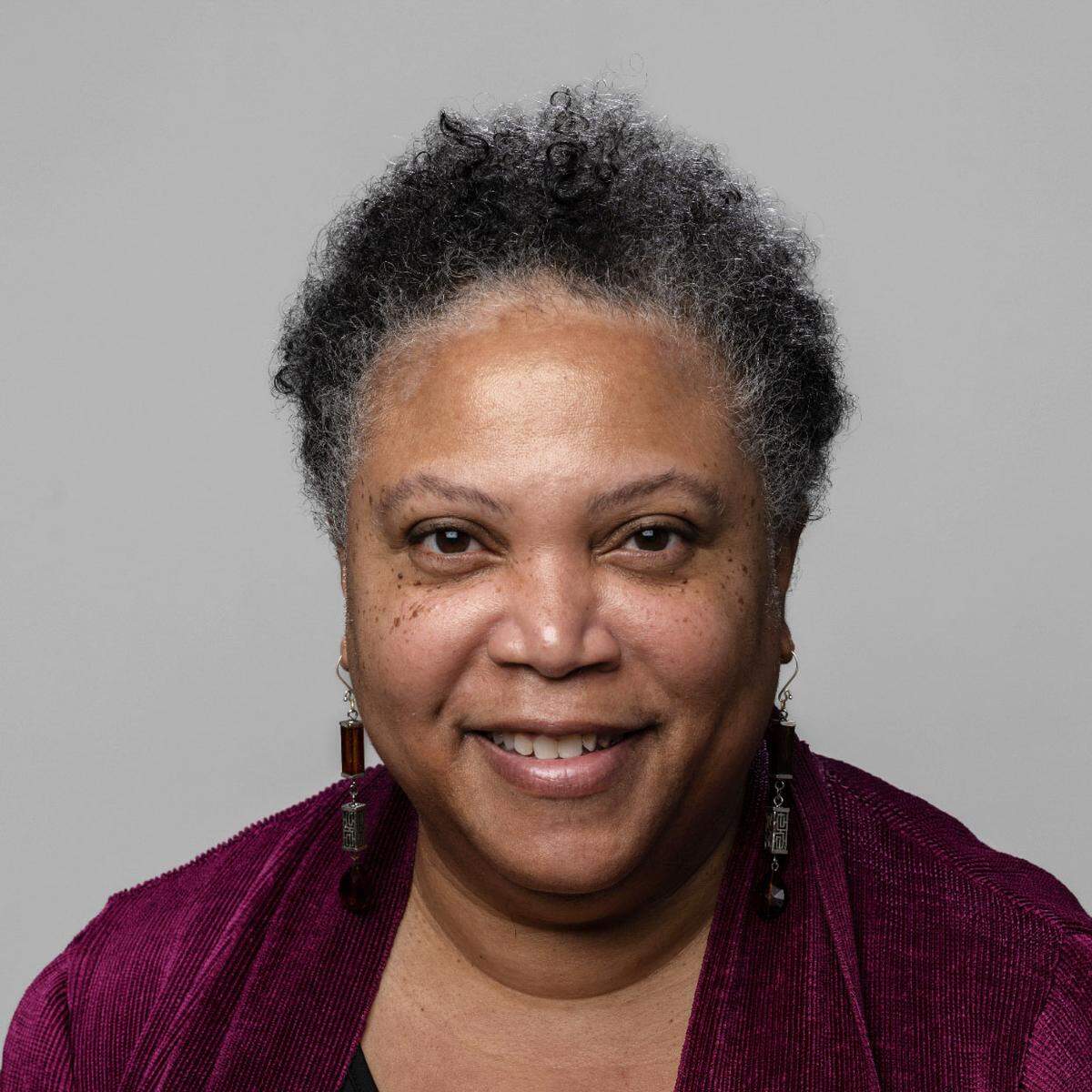
“We have been a leader in vaccine research for more than 30 years and have participated in clinical trials for almost every vaccine that has been licensed in the United States,” said Dr. Nicola Klein, director of Kaiser’s Vaccine Study Center and principal investigator for the trial in Northern California. “We know we can meaningfully contribute to helping determine whether this vaccine is effective in preventing COVID-19 disease.”
More than two dozen vaccine candidates have emerged as pharmaceutical companies — some obscure and others household names — search for ways to protect people from getting COVID-19, the respiratory illness caused by the new coronavirus. Consequently, local residents likely will have other opportunities to participate in vaccine trials.
UC Davis officials said they would enroll 200 participants, and Kaiser said it is seeking 1,400 at various sites in Oregon and California.
“We’re excited to be collaborating with our partners in this important clinical trial for a COVID-19 vaccine,” said Dr. David Lubarsky, vice chancellor of human health sciences and chief executive officer for UC Davis Health. “We are uniquely positioned to help with a possible breakthrough due to our clinical trials expertise, ability to recruit for clinical trials quickly, and track record of outreach to minority communities.”
In total, the two drugmakers will enroll 30,000 participants in a trial that has won the backing of governments both in the U.S. and the United Kingdom. As part of this randomized study, the vaccine candidate or a placebo will be administered to participants in two doses.
Neither physicians nor their patients will know whether they are receiving a placebo or the vaccine candidate, but their immune responses will be recorded to determine effectiveness of the vaccines.
The vaccine candidate, known as BNT162b2, is a nucleic acid of the type present in all living cells. The vaccine, in this case a messenger ribonucleic acid, or mRNA, works by carrying messages to tell the body which proteins to produce and trains the immune system’s cells to recognize the new coronavirus, or SARS-CoV-2, and fend it off.
Pfizer and BioNTech representatives have said the companies hope to announce results of the clinical trials by October.
If the vaccine candidate reduces the risk of getting COVID-19 by 50 percent, a threshold set by the U.S. Food and Drug Administration, the U.S. Department of Health and Human Services and the U.S. Department of Defense will pay out $1.95 billion for 100 million doses. The federal government has the option to buy another 500 million doses.
Ideal participants would be people at high risk of being infected with the virus — health care employees and those who work in essential businesses with a high volume of customers. Since people of color have been disproportionately hit by COVID-19, Pfizer and BioNTech have said they are hoping to enroll a representative population from those populations.
All enrollees must be healthy people from ages 18 to 85, and they cannot be pregnant or planning to become pregnant during the trial.
Kaiser Permanente also is involved in development of another COVID-19 investigational vaccine, co-developed by the National Institute of Allergy and Infectious Diseases and Moderna Inc. That vaccine candidate began phase 3 trials at the end of July.
This story was originally published August 12, 2020 at 1:50 PM.