Do I still have to quarantine if I catch COVID? See latest California guidelines
Respiratory viruses are once again on the rise across California as the state settles into peak cold and flu season.
According to the California Department of Public Health, several illnesses — including COVID-19 — are currently circulating statewide.
“Many respiratory viruses, including flu, (respiratory syncytial virus) and COVID-19 circulate year-round in the United States,” the state health department said. “Some viruses are more active from October through March, such as the flu and RSV among many others.”
As RSV and flu cases rise in California, the state department said, “COVID-19 activity remains very low statewide.”
If you test positive for COVID-19, do you still need to quarantine?
Here’s what California health officials said:
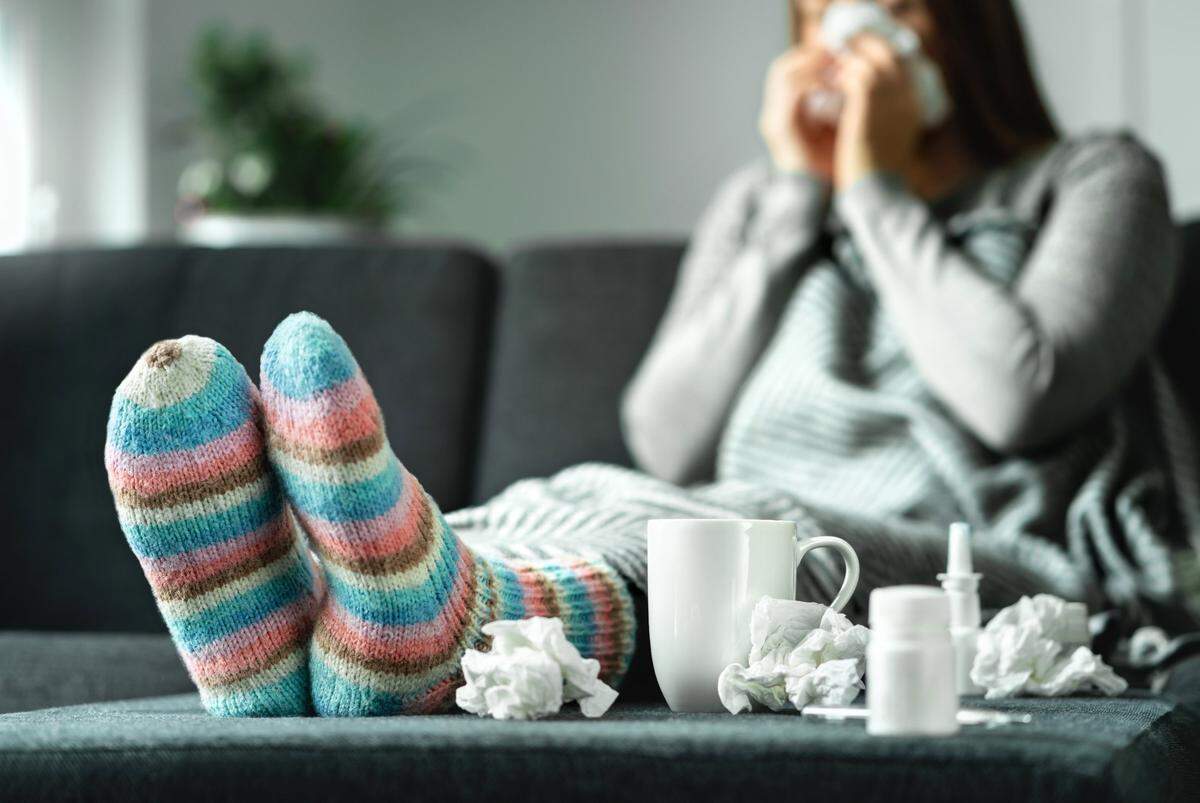
What are symptoms of COVID-19?
COVID-19 is a respiratory illness caused by the virus SARS-CoV-2, according to the California Department of Public Health.
The virus primarily affects the nose, mouth and lungs — and early symptoms often resemble a common cold or the flu.
According to the federal Centers for Disease Control and Prevention, possible COVID-19 symptoms include:
- Fever or chills
- Cough
- Shortness of breath or difficulty breathing
- Tiredness
- Muscle, head or body aches
- New loss of taste or smell
- Sore throat
- Congestion or runny nose
- Nausea or vomiting
- Diarrhea
“Symptoms may appear two to 14 days after exposure to the virus,” the CDC said on its website.
What are COVID-19 warning signs?
In some cases, COVID-19 can lead to pneumonia or cause complications involving the heart, blood vessels or other organs, according to the CDC.
These are emergency warning signs to look for if you have COVID-19:
- Trouble breathing
- Constant pain or pressure in the chest
- New confusion
- Unable to stay awake
- Skin tone appears pale, gray or blue
“The virus can cause mild to severe disease,” the California Department of Public Health said. “It has caused more than a million deaths in the U.S. since emerging in 2019.”
What are current COVID-19 levels in California?
Test positivity levels for COVID-19 remained “very low” as of Tuesday, Jan. 27, according to California’s Public Health Department.
About 1% of tests statewide were coming back positive, with more than 110,000 positive COVID-19 tests, state health officials said.
There have been more than 22,000 COVID-related hospitalizations and 917 deaths since the start of the respiratory illness season in July.
How to test for COVID-19
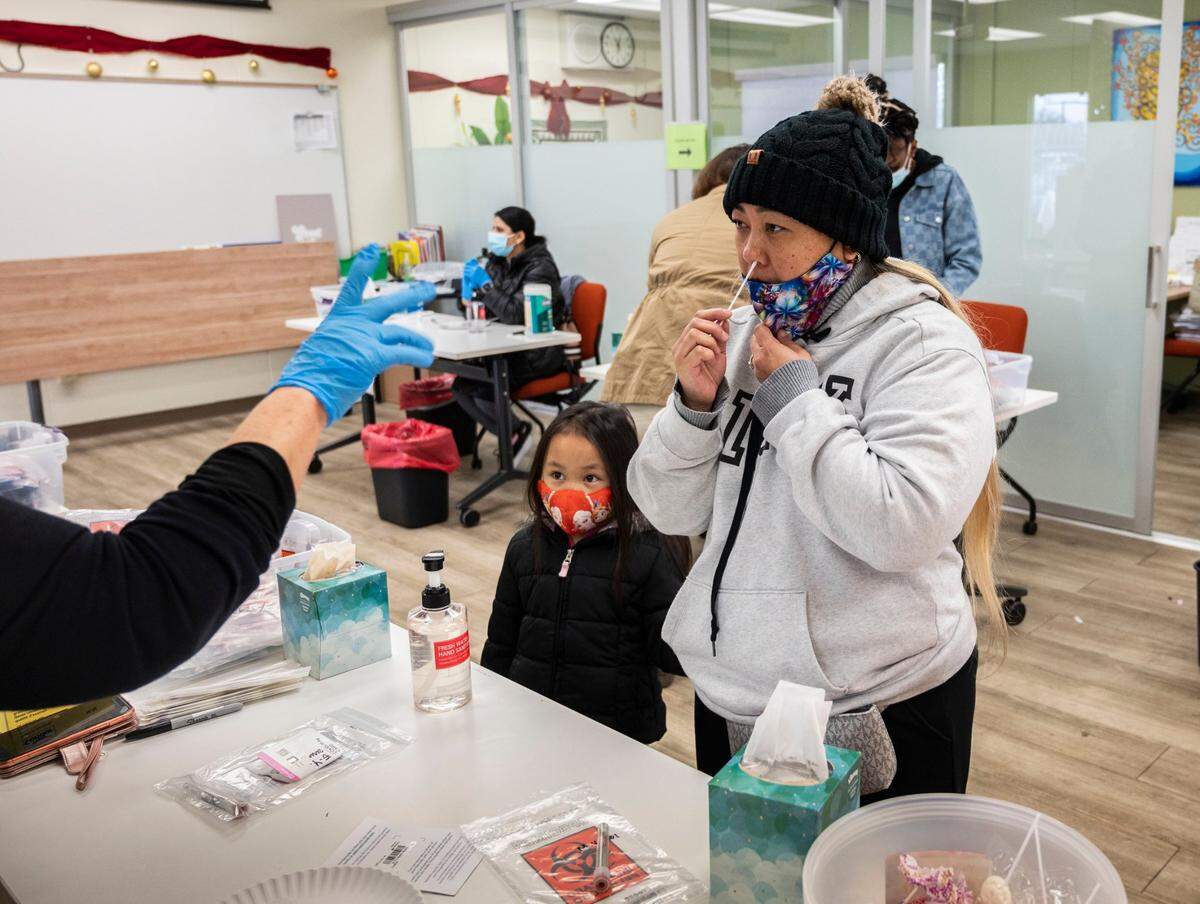
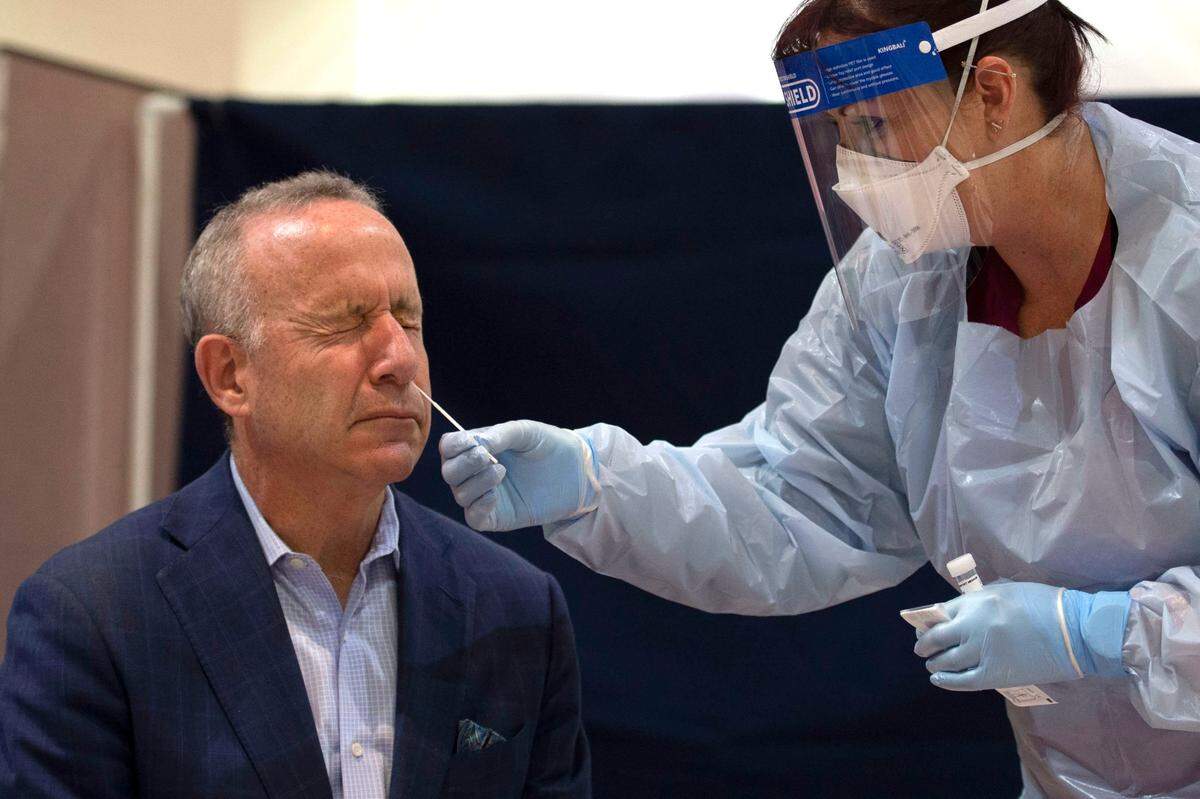
If you’re experiencing symptoms — especially if you’re at higher risk for severe illness or could expose someone who is — the California Department of Public Health recommends getting tested.
“Early testing leads to early treatment and less severe disease or quicker recovery,” the state health department said.
At-home COVID-19 tests are available and can be used to check for infection.
However, check the expiration date before using one, as many test kits have had their shelf lives extended. Updated information is available on the U.S. Food and Drug Administration’s At-Home COVID-19 Test page.
“If you must, you can use expired tests until you can get new ones, as long as the control line is working,” the state health department said. “See your test instructions for details about the control line.”
What to do if you test positive for COVID-19
If you test positive for COVID-19, the California Department of Public Health said, there are currently no mandatory isolation requirements.
However, if you’re feeling sick, you should stay home and avoid contact with others — including household members who are not ill, according to the state department.
“Over the next five days, take extra precautions as you may still be contagious,” the department said.
Health officials recommend doing the following:
- Wearing a well-fitting mask.
- Practicing physical distancing.
- Improving indoor air quality when possible.
- Keeping your distance from people at higher risk of severe illness.
You can return to your normal activities once “your symptoms are improving overall” and “you’ve been fever-free for at least 24 hours without using any fever-reducing medications,” the department said.
Who can get COVID vaccine in California?
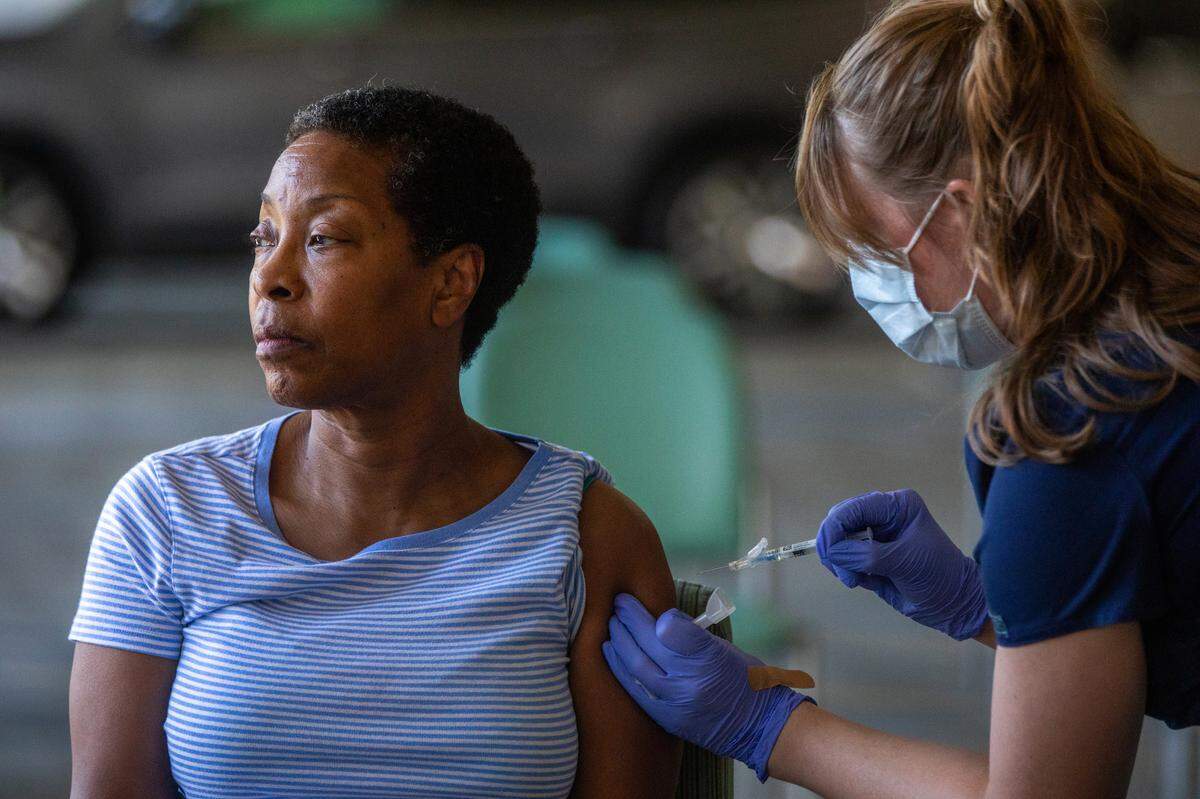
The California Department of Public Health recommends that everyone age 6 months and older have access to COVID-19 vaccines and the option to get vaccinated to help prevent illness and reduce the spread to others.
“Groups at higher risk of severe illness should receive protection,” the state Public Health Department said in its Sept. 16 statement.
Those groups include pregnant people, older adults, infants and toddlers and people with risks of serious disease.
“The best time to get a vaccine is before viruses spread during the fall and winter,” the state health agency said on its website. “Vaccines are the best way to prevent serious illness.”
How can I prevent getting sick in California?
In addition to vaccination, the California Department of Public Health shared these tips to prevent getting sick this season:
- Stay home to lower risk of infection.
- Wear a mask in crowded spaces.
- Wash and sanitize your hands.
- Cover your cough or sneeze.