Sacramento County will spend $1.3 million on a ‘safe stay’ parking lot for 30 homeless people
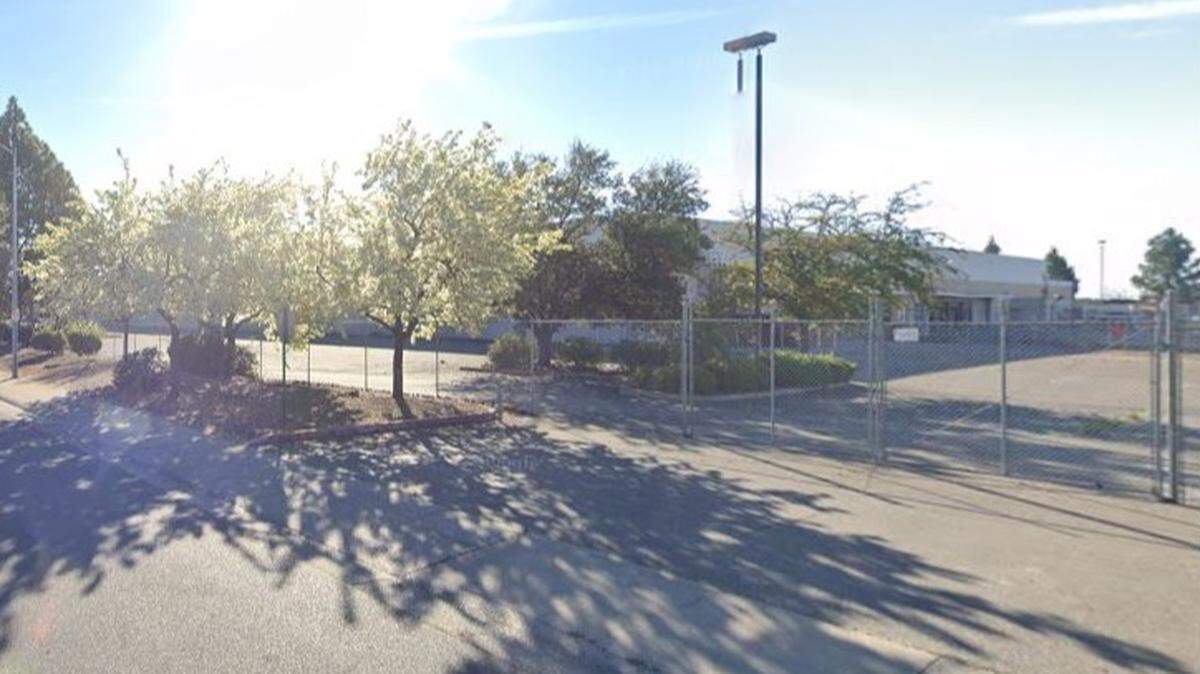
A new safe parking lot could accommodate up to 30 homeless people near Sacramento McClellan Airport starting early next year after the Sacramento County Board of Supervisors greenlit the project Tuesday.
The county will direct $1.3 million in federal funding to construction of the parking lot facilities. The director of the county’s Department of Homeless Services and Housing, Emily Halcon, told the board that this is an interim project as the county stands up the rest of the property for various homeless services.
The planned lot in Sacramento County’s North Highlands area will be focused on relocating people who are living in their cars nearby, especially on Roseville Road.
According to the 2022 federally mandated Point-In-Time count, at least 9,278 homeless people live in the county.
Halcon said at a May supervisors meeting that for every one person who exits homelessness in Sacramento County, more than three people will become homeless.
“We recognize that (the parking lot) is a short-term solution,” Halcon told the supervisors this week. The people who stay in the lot, she said, “will be expected to engage in the services that we offer.”
The supervisors approved the purchase of the property — a warehouse and a lot located at Watt Avenue and Winona Way — in October 2022. The one-acre “safe stay” lot will be administered by City Net, a nonprofit that works with homeless people. City Net could receive more than $1 million of state grant money each year for operating the site. The construction costs on the lot will be funded with American Rescue Plan Act dollars.
Crystal Sanchez, president of the Sacramento Homeless Union, was unimpressed with the county’s action.
“We need to be housing people,” she said. “We need to start investing in public housing and getting people into rental units vs. temporary expensive spaces.”
The U.S. Department of Housing and Urban Development set the 2024 fair market rent on a one-bedroom apartment in midtown Sacramento at $1,950. At that rate, the $1.3 million the county will spend on construction costs for the parking lot would be enough to cover a year’s rent for 55 one-bedrooms.
The county plans to seal the asphalt on the parking lot with a light matte finish to reduce heat; put up privacy screening on the fence around the site; upgrade the lighting; put in a modular office space; and install portable toilets and sinks that residents can use at night so they won’t have to exit the parking area and walk into the adjacent warehouse to use the restroom.
County staff estimated that the maintenance and operation costs for the parking lot would be $385,500 annually.
The board voted unanimously to approve the project.
This item on the board’s agenda followed a presentation on homeless outreach in the county. Supervisors Rich Desmond, Phil Serna, Pat Hume and Sue Frost all made comments or asked questions indicating that there are significant numbers of homeless people who “refuse services.”
“We have to be real honest with ourselves at some point and say there’s a portion of the population that are rule-averse,” Serna said. “That makes it extraordinarily difficult for us to kind of have a productive way of providing them what they need.”
Many homeless programs have onerous rules, such as strict curfews or requirements that participants do not bring pets.
“We can’t just be out there with outreach and engaging for months and months and months and let someone say ‘no’ forever,” Desmond said. He suggested that homeless people should be told that if they didn’t engage with services offered by the county, “it’s going to influence law enforcement experience.”
Desmond said he would support a county ordinance that barred people from being homeless in public places if they had refused “a bed” a certain number of times.
Kyle Stefano, vice president of clinical programs at the local nonprofit Community HealthWorks, addressed the board and said that the emphasis on people refusing services was “misleading.”
“What services are we offering people?” she said. “The services that are available don’t fit every case. … What are we offering folks that they’re saying ‘no’ to? Are we offering them a spot in a congregate shelter when they have small children, or a partner that can’t come with them, or any of these things that make them feel safe?”
Halcon said she expected construction on the new parking lot to be finished by the end of January. When the entire site is complete, she said, she expects the parking lot will expand to have room for closer to 50 people.