Elk Grove’s ‘legacy moment’: How a city transforms from a bedroom community to a destination
READ MORE
Elk Grove’s ‘Legacy Moment’
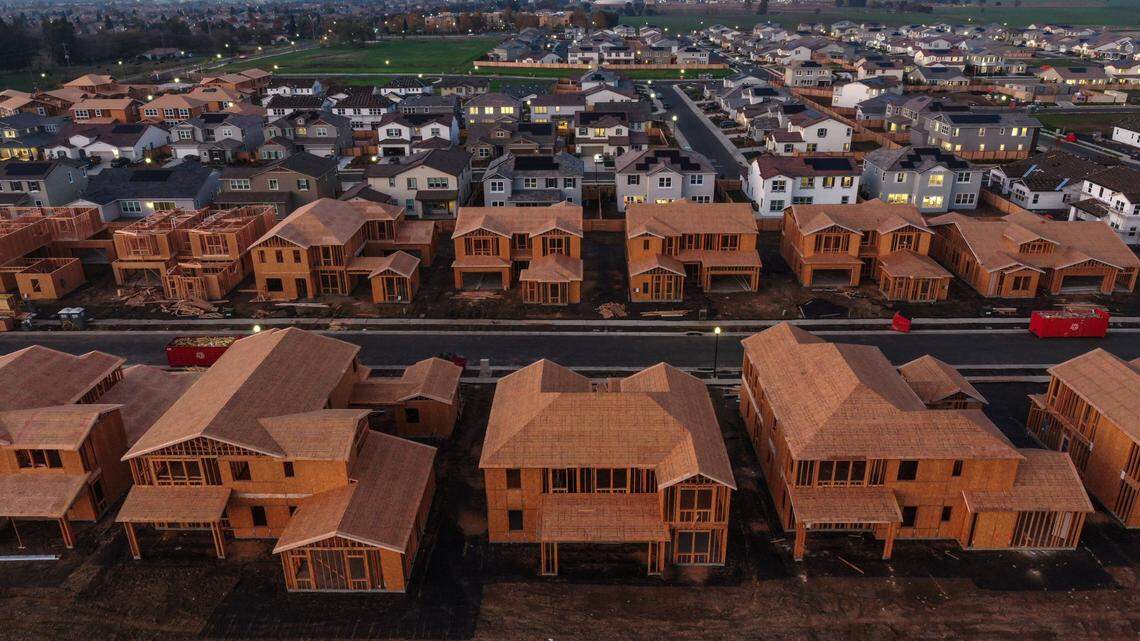
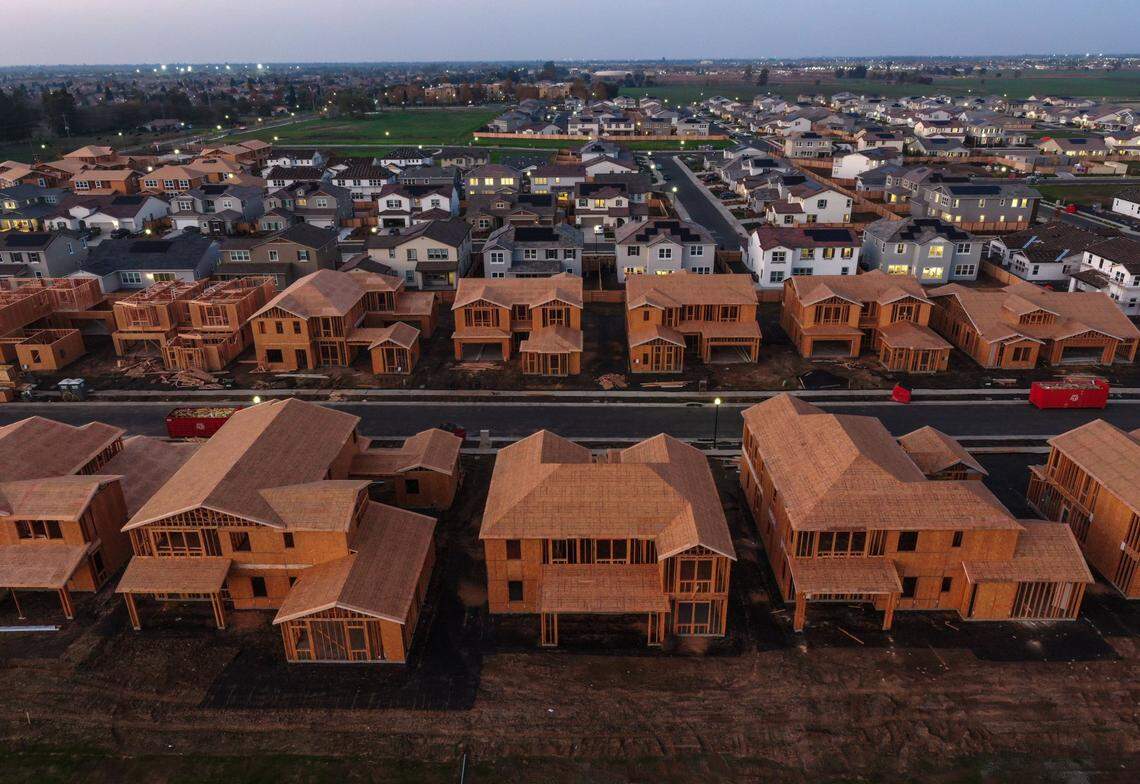
Residents are watching in real time Elk Grove’s evolution from a suburb of Sacramento to a self-defined regional destination. A flurry of new projects are reshaping and redefining this city of nearly 180,000.
Expand All
Elk Grove’s ‘legacy moment’: How a city transforms from a bedroom community to a destination
Sacramento is debating what to do with its beloved zoo. We have an answer.
How Elk Grove built a reputation for community and quality of life through cooperation
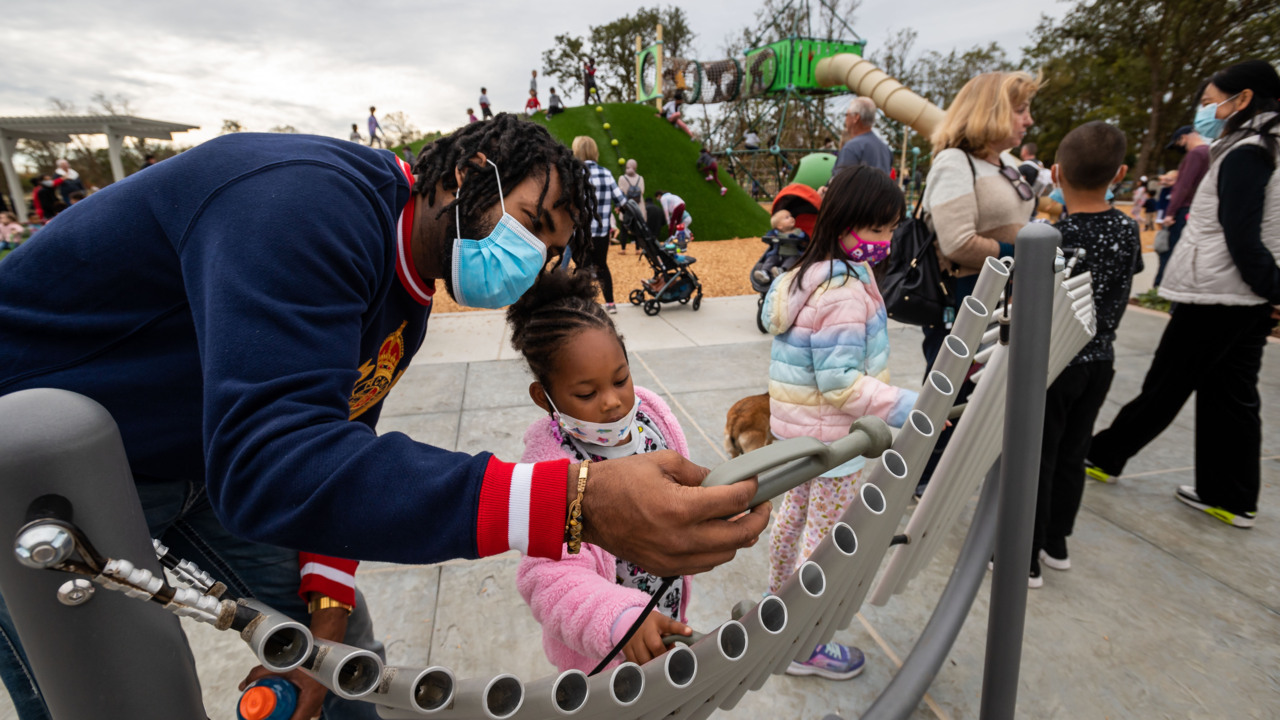
‘I wish this was around when I was younger.’ See Elk Grove’s big new park near city center
Bobbie Singh-Allen, Elk Grove’s first-term mayor, isn’t afraid to call out what’s happening in her city for what it is.
“This is a legacy moment,” Singh-Allen said. “People have always viewed Elk Grove as a suburb, but we’re at a tipping point where we’re more than a bedroom community.”
Today, residents are watching in real time Elk Grove’s evolution from a suburb of Sacramento to a self-defined regional destination. A flurry of new projects, civic and commercial, are reshaping and redefining this city of nearly 180,000. They are:
▪ To the south, construction of a new casino.
▪ Also to the south, a commute-changing freeway connector linking Highway 50 to Interstate 5.
▪ To the east, a new look in the city’s Old Town historic district. In the middle of town, Preserve at District 56, Elk Grove’s new 28-acre central-city park, opened earlier this month.
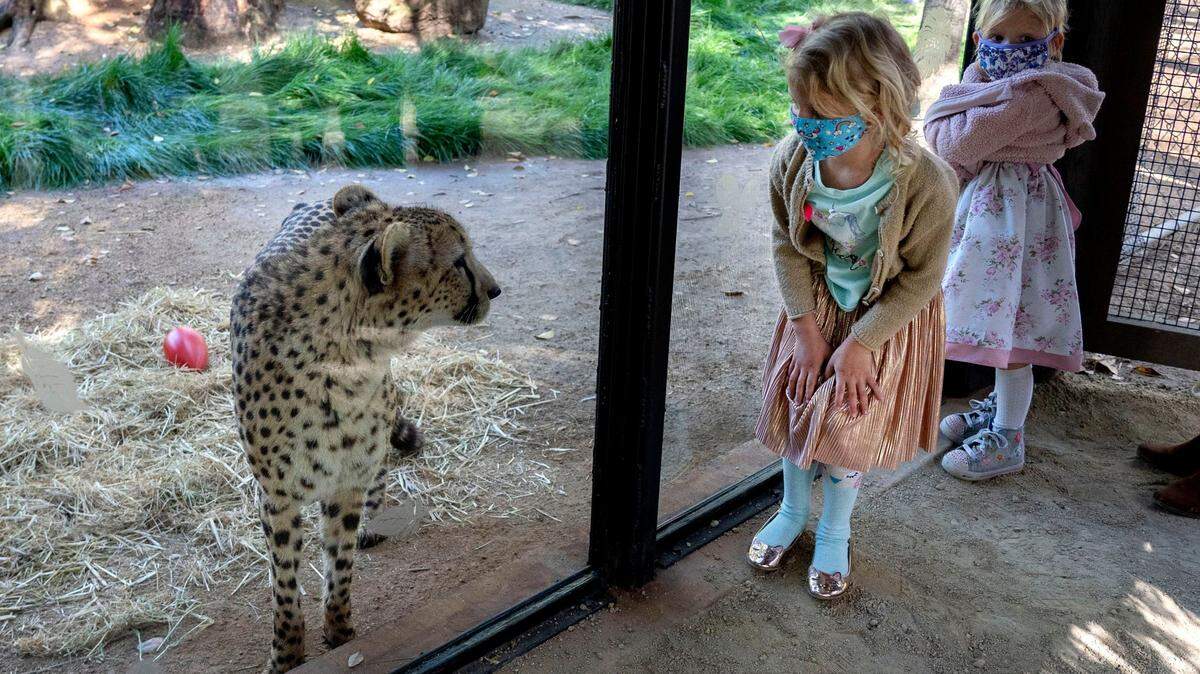
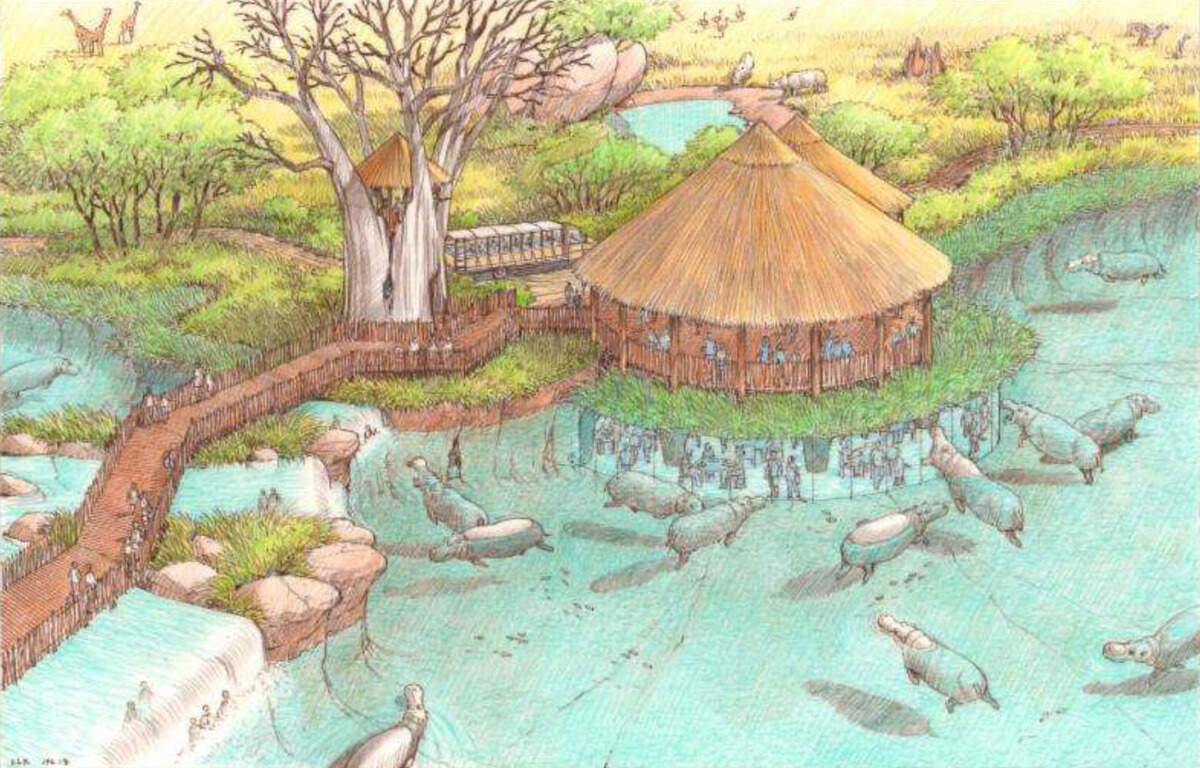
▪ And the zoo. Now Elk Grove leaders are in exclusive talks with the Sacramento Zoological Society to bring the venerable Sacramento Zoo to the city.
The zoo would sit on a 60-acre site at Kammerer Road and Lotz Parkway in Elk Grove’s Southeast Policy Area — the 1,200-acre, south-area master plan carved out back in 2003 for the city’s last large-scale urban development.
“The fruits of thoughtful planning are starting to pay off. It started with the Southeast Policy Area,” said Darrell Doan, Elk Grove’s economic development director. “We had 2,000 acres of city to plan. We said, ‘Let’s carve out a 600-acre portion.’ It took a lot of courage. That plan is why we can put the zoo where we can put it.”
Singh-Allen said, it sends a message.
Part of that message is this: Elk Grove is ready to be known for more than its rooftops.
“People are seeing the prospects of Elk Grove,” she said. “And other people want to invest.”
Elk Grove appeals to Bay Area emigres
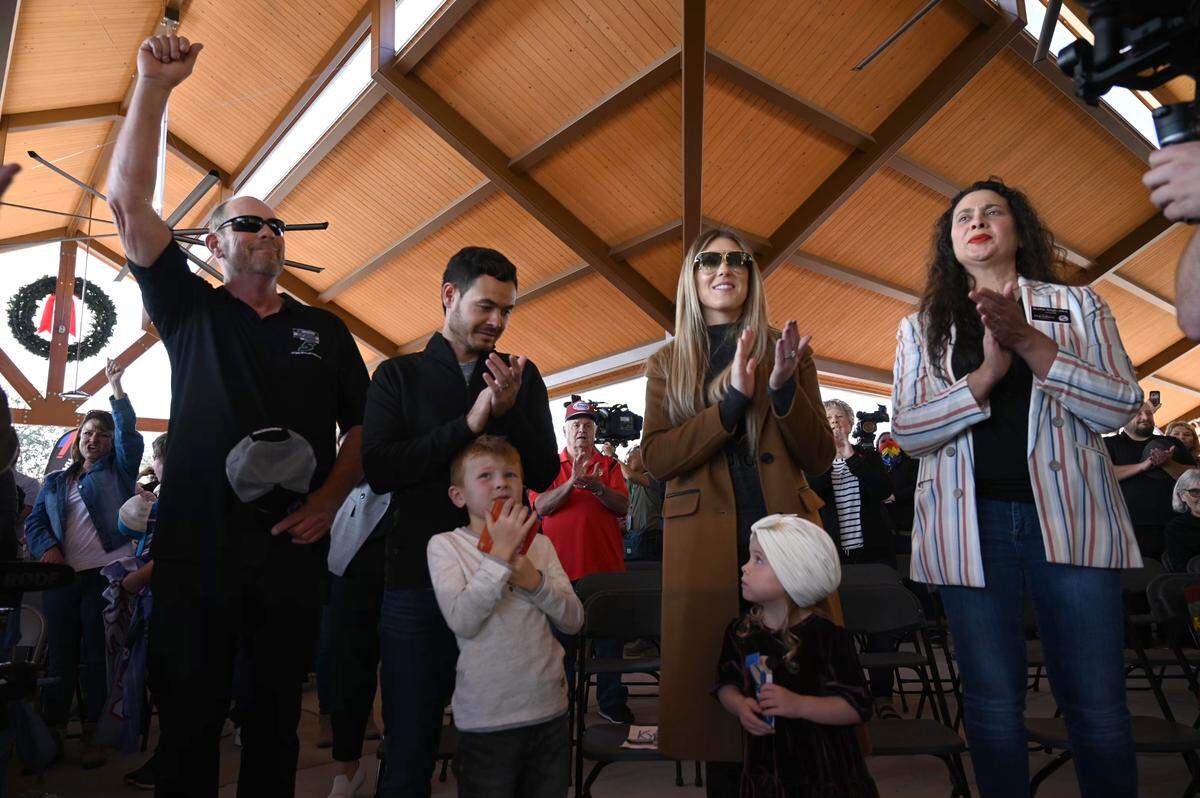
David Vallerga and Lindsey Peralta have been watching the changes happening in Elk Grove up close. The Rancho Cordova couple’s tutoring service, GradePoint Learning, is based in Elk Grove. The couple and their two children were taking in the grand opening of the Preserve city park on a recent Saturday. For Vallerga, the new park is symbolic of what has been drawing people and businesses to the city.
“Elk Grove is doing a great job of billing itself — not only billing itself, but coming through,” Vallerga said. “For a long time, Elk Grove has been a bedroom community, but this is what helps change that. All these things change Elk Grove from a place where you sleep to a place where you live.”
Elk Grove has carefully cultivated a reputation during its two decades of cityhood as a safe, affordable, diverse community focused on youth and families. The image and reality are it is a fiscally sound city with good schools and high employment.
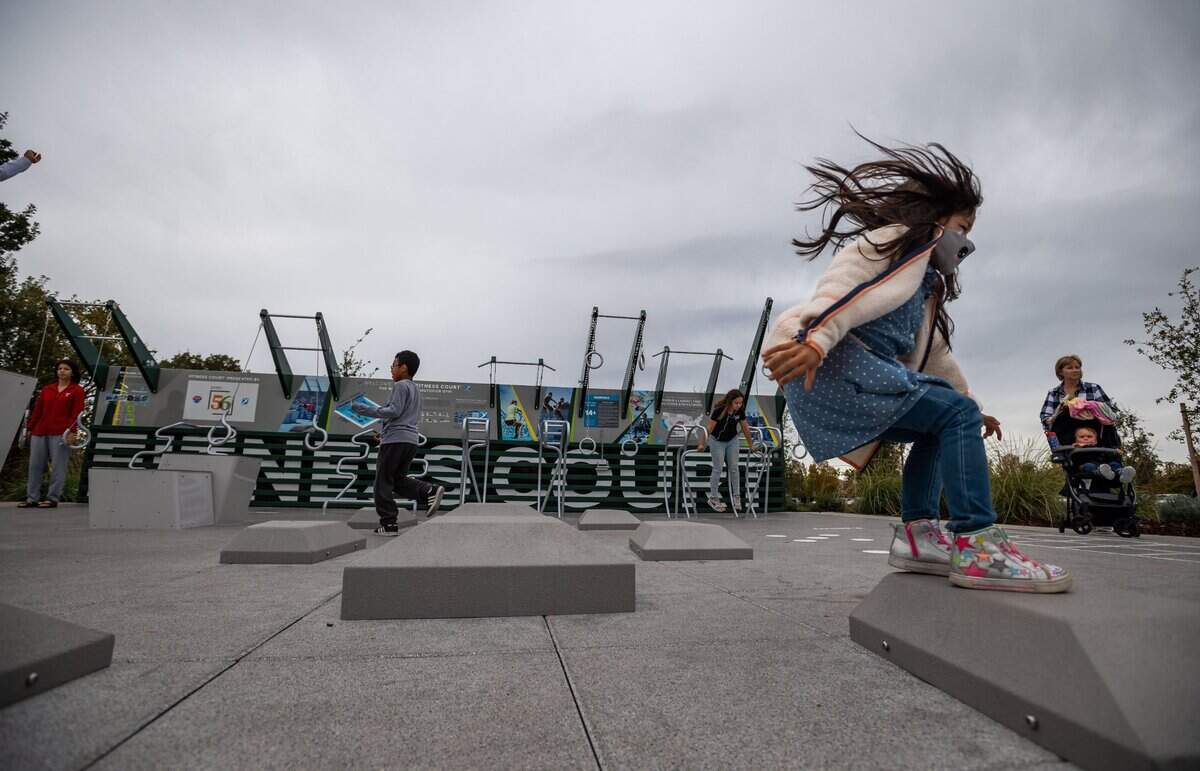
That reputation is among the reasons why Elk Grove remains one of California’s hottest housing markets, spurred partly by Bay area emigres looking for less expensive homes.
The ongoing COVID-19 pandemic also changed notions of how and where Californians work and learn, leading more newcomers to call Elk Grove home. Elk Grove’s population grew by 2,000 people — 1.2% — even as California’s population shrank for the first time ever in 2020.
State Department of Finance officials attributed the increase here and in other Sacramento-area suburbs to the changing work and education climate imposed by the pandemic.
“Many workers were offered flexibility to remotely connect to the office from their home or other remote location, and most public schools offered distance learning options for children,” state finance officials said upon releasing population data earlier this year.
“Elk Grove benefited tremendously from the San Francisco-Silicon Valley migration,” Lyon Real Estate president Pat Shea said in a March interview, counting the city’s highly regarded schools — Elk Grove is home to California’s fifth-largest school district — its many parks and trails and new housing developments among the draws.
From a city to a destination
But Doan says Elk Grove can also attract visitors to the city. He cautions that that is different from tourism, but in the same breath talks about the city’s Explore Elk Grove initiative. The campaign was met with skepticism in some corners when introduced a handful of years ago, but in keeping with Elk Grove’s plan-ahead ethos, the initiative anticipated the changes Elk Grove is seeing now.
“We were thinking about becoming a visitor destination years back,” he said. “We have one of the biggest youth soccer programs in the United States. We have the aquatic center at District 56. We’ve hosted the Amgen Tour. We’ve seen steady business occupancies,” Doan said.
In the past few years, a small but competitive craft brewing community has also emerged, developing an enthusiastic following and cultivating its regional reputation with brands such as Flatland Brewing Co., Tilted Mash Brewing, Waterman Brewing Co., Dreaming Dog Brewery and Hungry Pecker Brewing filling the list.
The breweries will soon be joined by Dust Bowl Brewing Co. The popular Turlock brewery’s new 6,000-square-foot east Elk Grove taproom set to open by year’s end will be a centerpiece of the city’s push to remake the Old Town historic district into a community gathering space.
Small family wineries are also staking their ground among the Sacramento area’s more decorated Amador, El Dorado and Lodi wine growing regions adding to Elk Grove’s visitor portfolio.
“We’re making a name for ourselves as an innovative community as well as the location at the confluence of two geographic regions (Sacramento and San Joaquin valleys) and the Bay Area,” Doan continued. “The zoo will help us check that regional destination box. The zoo is an opportunity to capture that economic opportunity. Any city would want to capture that.”
Here comes a casino ... and a zoo?
Elk Grove leaders have characterized the talks to bring the Sacramento Zoo to the city as “recent and rapid.”
That would seem an apt description of so much happening right now in Sacramento County’s second-largest city from its Old Town revival to its planned south area industrial park and flagship, Kubota Tractor Co.; and the ongoing construction for the SouthEast Connector project linking US 50 to Interstate 5.
City planners see the 34-mile Capital SouthEast Connector project as more than a driver-friendly shortcut, longtime Elk Grove City Council member Pat Hume told The Bee in May. They are examining how to create an “urban, built-in environment — a space different than everywhere else” on the connector, Hume said.
Planners are looking to the city’s Kammerer Road Urban Design Study to “leverag(e) the value of a new thoroughfare beyond its ability to carry vehicle traffic, to lay the foundation for a walkable city.” Planning commissioners held their first hearing on the study in January.
“It’s important that we do the right thing and accommodate the planned growth,” Hume told The Bee in May. “It’s a long time coming and it will take a long time to get to completion. This is important to the region. This could be a pretty important corridor for locations in Silicon Valley.”
A short distance from Kammerer Road, the $400 million Sky River Casino is rising near the site of the infamous “Ghost Mall” and is projected to open in late 2022. The aborted Elk Grove outlet mall project languished for years through multiple owners before it was demolished in 2019, clearing way for the casino site.
“When we have the casino, we’ll be able to draw from the Bay Area, the Central Valley. It’s one of the most easily accessible (casinos) in the state. It will be a major driver to the city,” Singh-Allen said.
The gaming tribe has pledged to invest $186 million in the city and Sacramento County over the next 20 years to support public safety, education, roads and other services. An estimated 1,500 workers are involved in the construction and the casino is expected to employ another 2,000 people when it opens its doors.
“This is a tremendous asset. I sit on a tourism board, I know what a destination place looks like and what it brings to a city,” Singh-Allen said. “Development inspires development and economic prosperity.”
On busy Elk Grove Boulevard, Dignity Health has marked out plans to build a six-story, 457,000 square-foot medical campus that would be the city’s first hospital.
From blueprint to reality
Elk Grove’s seemingly sudden momentum is the product of years of planning. Elk Grove has nearly always favored the long view over rapid returns, a patient philosophy that is paying off now as the city stands poised for what Singh-Allen calls its “legacy moment.”
“What you are seeing is a perfect storm come together, that planning to action,” Singh-Allen said. “You’ve gone from blueprint to something that’s real — that pivotal point. We’re seeing the benefits of all that is happening,”
“I say that ‘Elk Grove is open for business.’ It’s not by accident that the zoo looked at us. They see our eagerness to move projects along, but with a stable government. It isn’t by accident that people move here. This is that natural next step,” the Elk Grove mayor added. “If the goal is to be more than a bedroom community, what is the next level?”
The fingerprints of that long-game strategy are all over the city. Creating the now-burgeoning Southeast Policy Area was one of the city’s first tasks nearly 20 years ago. A civic improvement plan for the city’s historic Old Town has been on the books for nearly as long.
Under Sacramento County control for its entire history, incorporating in 2000 opened new opportunities for a newly minted City of Elk Grove, Singh-Allen said.
“Twenty-one years ago, we were at the mercy of the county,” she said. “To be able to plan your city, that was something we weren’t able to do. Now we’re seeing that vision coming together. Our population has grown and we’re very sophisticated in terms of what we want to see,” she said.
Buying the south-city land at Grant Line and Waterman roads for a proposed soccer franchise that failed to materialize was seen as a costly overreach in 2014, but Elk Grove leaders hung onto the land with a view toward another long-term goal: attracting light- and heavy-industrial firms to the city.
The available land would later lure Kubota Tractor Co.’s western U.S. headquarters to Elk Grove from nearby Lodi, the anchor for the city’s new industrial park.
“It was pretty bold at the time — 2014 — to say we’re going to get a major league soccer team. They said we were crazy,” Doan said. “We were criticized at the time for having these outsized dreams and that we spent too much money on the land. But, I always did my best work in a 20-year career when a city held its land assets,” Doan continued.
“(When you have land) you can control the pace and timing of a deal instead of working with a broker or developer who might not share the city’s values.
“Waiting on it for so long made it seem like it was the wrong decision,” Doan said. “But we still had this land — in 2015-2016, there was no market. Now there is. It was good stewardship and a good investment.”
Next on the drawing board is Project Elevate, a planned retail, dining and entertainment project on 20 acres at Elk Grove and Big Horn boulevards. Taken together with the neighboring District 56, with its civic, senior and aquatic centers and its new central city park, Singh-Allen says Elevate could represent another tipping point: the centrally located downtown Elk Grove had never had.
“Project Elevate has the potential to be a crown jewel of the city. We don’t have a downtown, so this is centrally connected from the east and the west side,” Singh-Allen said.
“We’ve already created a city as a place to live. People come here for the parks and the schools and the safety. We have great shopping. Now the ‘play’ part — I’ve lived here 30 years and that’s been really challenging. The (Sky River) casino will go a long way toward that. The zoo has the potential now to be a destination with that as that pivotal point.”
Overcoming pressure and pain points
But growing pains have accompanied the activity now transforming the city.
Elk Grove’s big-city aspirations have come with challenges confronted by bigger cities, exacerbated during the now nearly two-year-old COVID pandemic: homelessness, food insecurity, rising rents and growing concerns over housing affordability amid a still-hot real estate market.
The city’s service workers, children and seniors have been among the most acutely affected, with many seeking help for the first time from Elk Grove Food Bank Services during the pandemic.
Elk Grove received more than $20 million in federal American Rescue Act funds. The federal $1.9 trillion aid package signed by President Joe Biden in March was designed to help address the economic and public impacts of the ongoing COVID-19 pandemic. The city received a little more than $10.9 million in June. A second equal payment will arrive in June 2022.
Addressing housing affordability, transitioning Elk Grove’s unhoused off the streets and providing financial aid to small businesses and nonprofits hard hit by the pandemic have been stated priorities at City Hall and in the community.
Elk Grove added hundreds of affordable housing units including its The Gardens at Quail Run complex on Bruceville Road south of Elk Grove Boulevard this year to begin to meet demand and recently launched grant programs with the federal funds targeted to the city’s small businesses and non profit organizations.
But leaders here say they sense a momentum, two decades in the making, that could very well chart a new course for the city.
“This is kind of our moment,” said Doan, the economic development director. “We’re hitting our stride, but it took 20 years of thoughtful planning to get to this point. We’re becoming a community that can stand up on its own two feet. That’s a beautiful thing.”
This story was originally published November 28, 2021 at 5:00 AM.
.JPG)