
‘Our greatest challenge.’ Inside the Sacramento region’s $30 billion affordable housing crisis
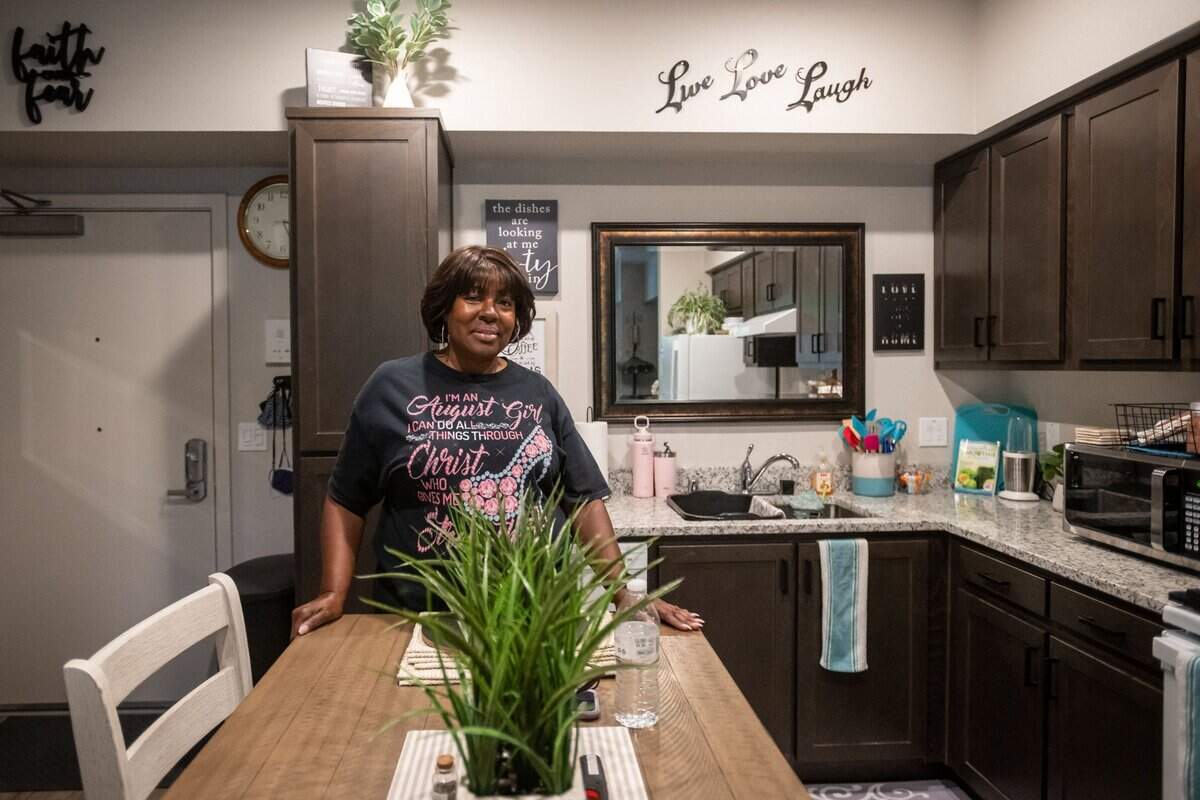
The walls of Robin Watkins’ apartment are painted with decorative phrases about love, peace and her faith in God. There’s one word that seems to be repeated in every room.
Home.
“I really have my own place,” Watkins says to herself every morning as she enters her kitchen, “and I can afford it and I can sleep at night because I have peace.”
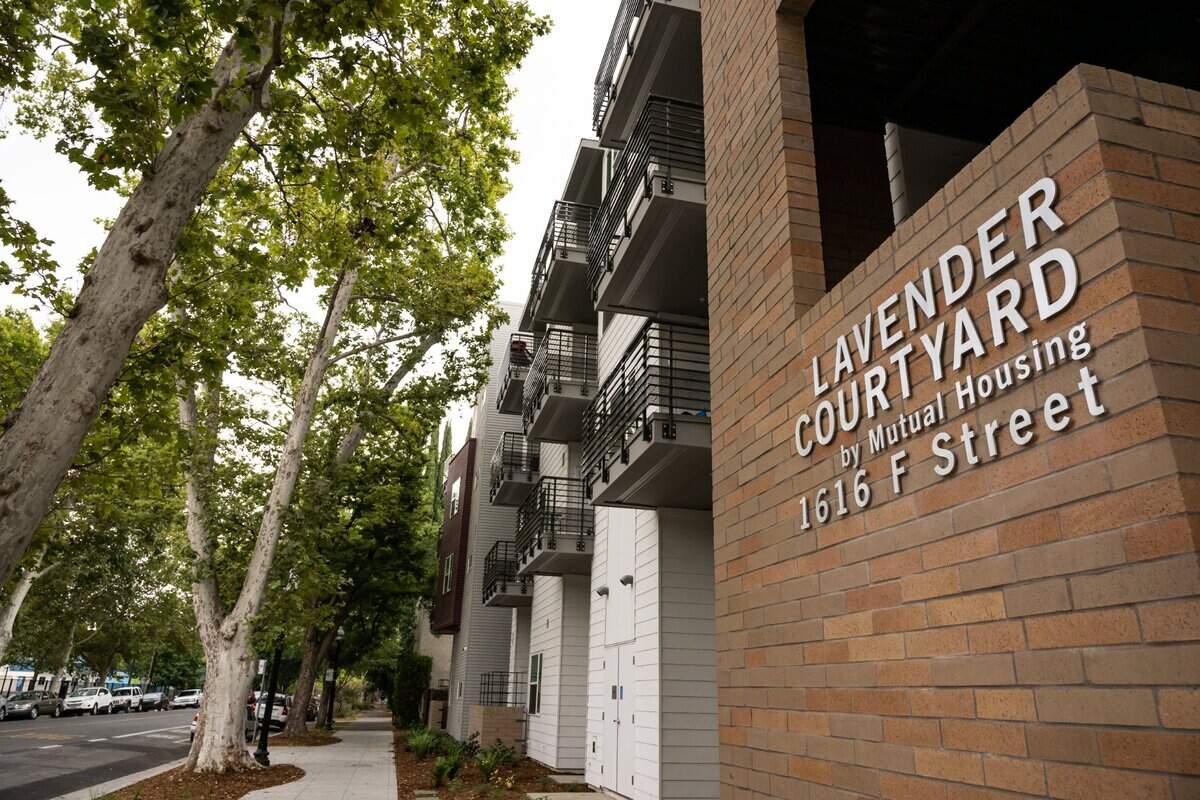
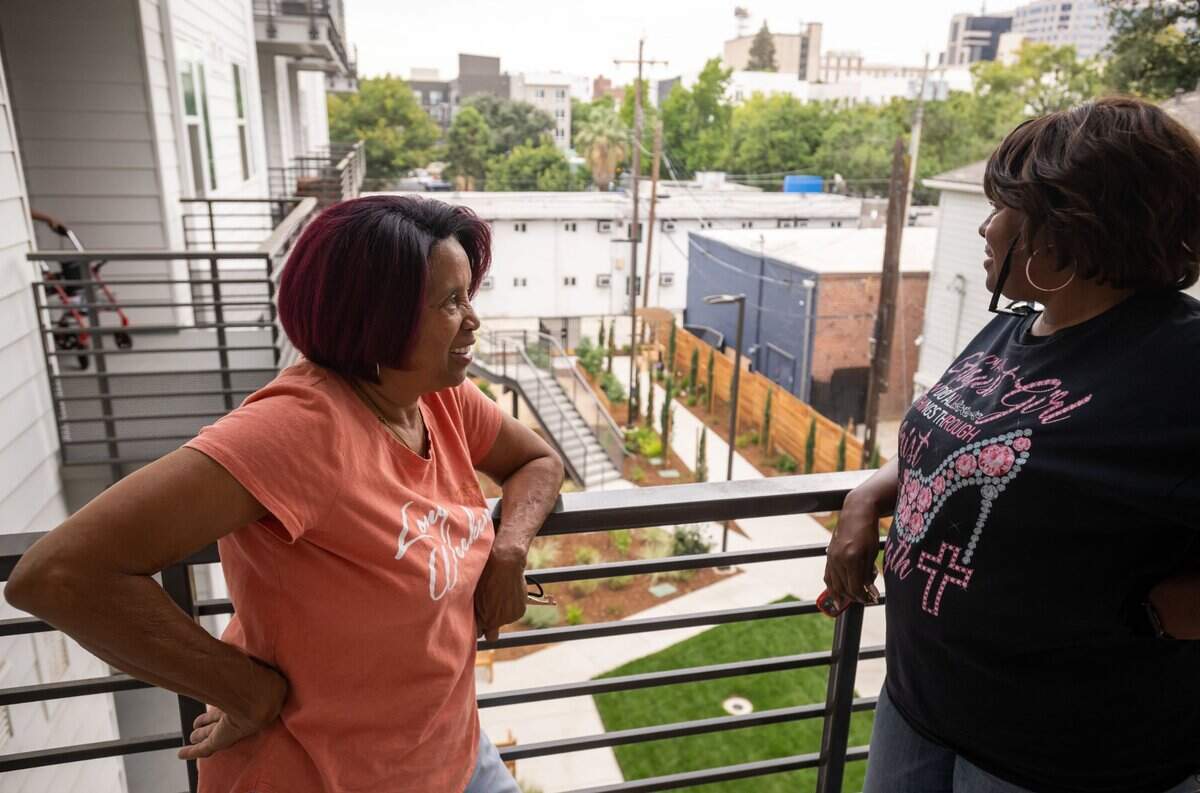
After four years of searching for a home within her budget, Watkins, 65, moved into the Lavender Courtyard senior affordable housing apartments in midtown Sacramento in June. She had left an apartment where the rent was steadily climbing and was living with her 90-year-old mother in North Sacramento.
But if something had happened to mom, Watkins feared she would be on the street. She put her name in the lottery for a spot in Lavender Courtyard and moved in two months later.
Watkins retired from Sacramento County 14 years ago. She works part-time at the Kohl’s department store on Arden Way. Her rent is $600 per month.
“I am truly blessed to be one of the lucky ones,” she said.
The Sacramento region faces an intractable affordable housing crisis, and thousands of families are behind Watkins searching for their own level of peace.
More than 60,000 units of housing for very low- and low-income earners need to be built this decade in the six-county region to keep up with demand, according to an analysis by the Sacramento Area Council of Governments. With construction costs rising, building these homes would take roughly $30 billion, housing experts said, more than four times the annual budget of Sacramento County, by far the area’s largest local government.
Hundreds of affordable housing units have been proposed or constructed in recent months, from Rocklin to south Sacramento. And yet a series of forces is conspiring against the region’s effort to provide enough homes for all income earners.
Funding is scarce, and competition for the limited money available is fierce. Most of the region is zoned to prohibit multi-family housing, a major barrier to building affordable apartments. Building fees, lengthy approval processes and minimum parking space requirements add to the cost of building, experts said. And while relatively rare lately, neighborhood opposition can scale down – or derail – projects before they start.
At the same time, the cost of living in the region is skyrocketing, as housing production has not kept up with the steady parade of transplants leaving expensive coastal regions for the relative affordability of the Sacramento real estate market.
Just 26% of families in the region can afford the monthly mortgage payments on the median-priced home of about $626,000, according to a Sacramento Bee analysis of data from the U.S. Census Bureau and real estate firm Zillow. Two years ago, nearly half the families here could afford the average home. After years of steep increases, the typical rent in Sacramento is higher than Portland, Philadelphia, Denver or Dallas.
“We’re in a massive crisis and we don’t have enough tools,” said James Corless, executive director of the Sacramento Area Council of Governments. “I do think we have a lot more will power and a lot more interest and a lot more understanding of the issue, but it’s no less complicated than it used to be. There are some jurisdictions that are trying to figure it out and it shouldn’t be this hard.”
The lack of affordable housing is directly linked to the region’s exploding homeless population. Nearly half the unhoused individuals contacted during a two-night survey of Sacramento County’s homeless population this year said a lack of affordable housing was a major barrier to solving the crisis.
Not just the homeless suffer. More affordable housing options are needed for entry-level office clerks, restaurant and service workers, seniors, students and people with disabilities. Nearly 20,000 state workers in Sacramento County don’t make enough to afford the typical two-bedroom rental.
“It’s the heart of our biggest challenge,” Sacramento Mayor Darrell Steinberg said, “and we just have to care enough to do the right thing.”
Not enough money for affordable housing
Even the best intentions don’t go far without money.
The construction cost of the typical unit of affordable housing is between $425,000 and $500,000, local housing experts said. Developers rely heavily on public subsidies to make up for the lower rents they collect. Yet local governments don’t have nearly enough money to subsidize the thousands of units the region should be constructing.
Sacramento County had about $21.5 million in its primary affordable housing funds at the end of 2021. The city of Sacramento had $5.3 million. Both funds are administered by the Sacramento Housing and Redevelopment Agency.
The affordable housing gap in those two jurisdictions combined is more than 23,000 units – and even with providing just a partial subsidy to projects, the city and county would need more than $2 billion to reach their goal.
“At the end of the day, there just isn’t enough,” said La Shelle Dozier, executive director of the SHRA. “You’re talking about billions of dollars and there has to be a contribution from the federal and state level and the locals have to have skin in the game.”
This year’s state budget includes hundreds of millions of dollars for affordable housing, but every city and county in California is competing for that funding. That’s forced some local governments to get creative.
The city of Sacramento has its housing trust fund that has granted more than $32 million the past two years to affordable housing developments, rental assistance and homeless shelters. As of last week, the fund had about $1.9 million left.
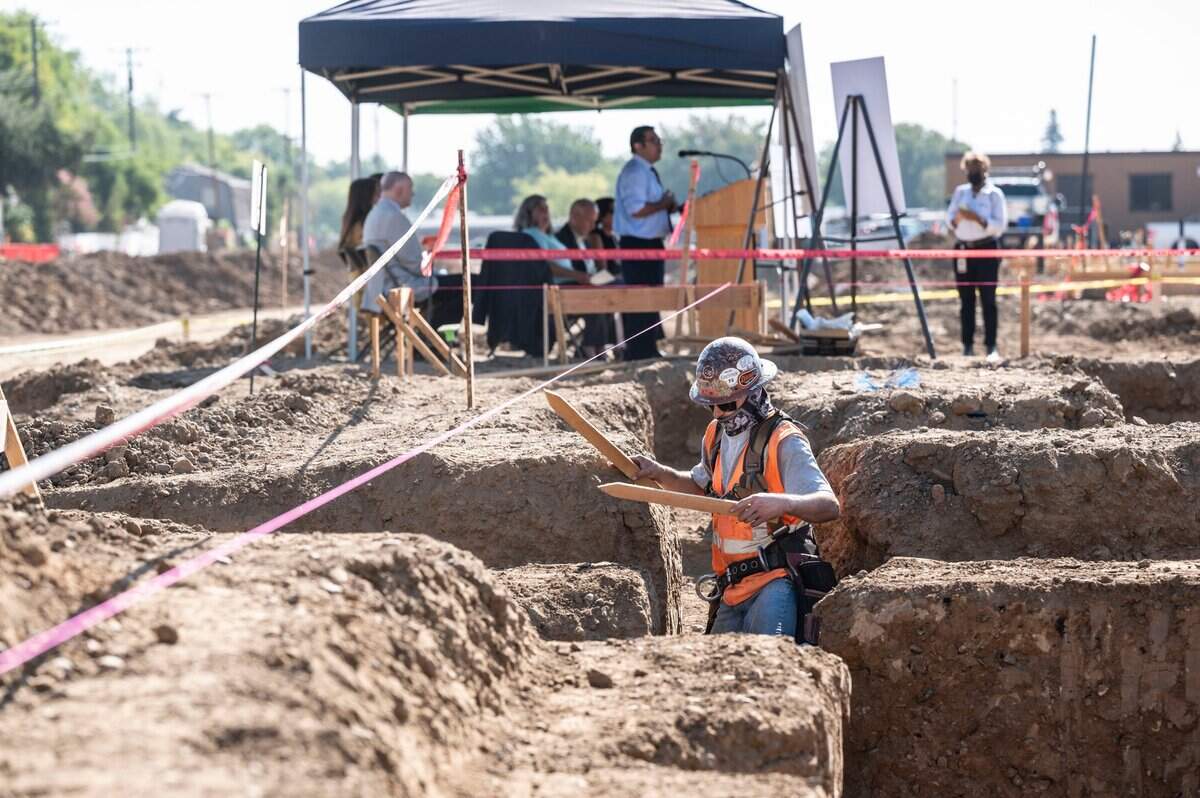
Speaking at the groundbreaking for a new 200-unit affordable housing development on Stockton Boulevard in south Sacramento earlier this month, Steinberg said the city must focus on building the city-controlled fund. The new project, developed by Mercy Housing, received $10 million from the city housing fund.
“Every single opportunity there is to grab a dollar of public funding to put into the city’s housing trust fund, that’s the first priority,” he said.
Steinberg had proposed in 2020 selling city-backed bonds to create a larger, more sustainable housing fund. But the COVID-19 pandemic struck a few months later and economic pressures derailed the plan. As a result, the housing fund has been left to compete for money from the city’s general fund budget, which also pays for core services such as police protection and parks maintenance.
“Ultimately we’re going to need a permanent source, there’s no question,” Steinberg said. “It’s been challenging.”
Folsom has been somewhat fortunate. The city has about $7.9 million in its housing fund thanks to development fees it collects from new housing, especially the sprawling neighborhood under construction south of Highway 50. More than half the homes Folsom needs to build this decade should be affordable, according to SACOG’s assessment.
“We could probably fund another one or two projects right now,” said Stephanie Henry, the city’s senior planner, “but that’s the tip of the iceberg.”
In addition to setting aside more money, local governments can make other decisions that housing advocates argue would help.
A recent report from UC Berkeley’s Othering & Belonging Institute showed 77% of the Sacramento region is zoned for single-family housing, “stifling the development of denser housing options, perpetuating racial and economic segregation, and shaping communities and the distribution of opportunity for millions of Californians.”
The city of Sacramento allows housing in commercial areas and has proposed allowing duplexes, triplexes and four-plexes in neighborhoods currently zoned for single-family homes. Some of the city’s wealthiest neighborhoods oppose the plan, fearful it will change the character of their communities, setting up what could be a bitter battle when the City Council considers the new policy in a few months.
Just over 60% of the city of Sacramento is zoned to allow only single-family housing. In some cities in the region, including Elk Grove, Lincoln and Loomis, at least 89.5% of the land is zoned for single-family residences, the Berkeley study found.
“What the city (of Sacramento) has done is very helpful in this regard and it’s going to have an impact,” said Roberto Jiménez, the CEO of affordable housing developer Mutual Housing. “But it’s going to take us years to get out of (the crisis). It’s just going to take a sustained effort and the question is: Does the will exist to keep putting forward the resources and does the political will exist going forward for a decade?
“I think we can make a serious dent if it does.”
Housing in the suburbs
The lack of affordable housing extends well beyond the region’s urban core.
Roseville is short nearly 6,200 units. Elk Grove needs to build 4,265 affordable residences this decade. Folsom, Lincoln, Rocklin, Rancho Cordova, West Sacramento and the unincorporated communities of Placer County all have gaps of at least 2,300 units.
In Rocklin, city officials have finished the arduous task of identifying enough land to accommodate the more than 3,000 units of housing it needs to build for very low- and low-income earners. Now the city must spend the next several years rezoning those areas to allow for dense housing, a process that will involve intense environmental reviews and public hearings.
“We’re trying to pick the best sites,” said Laura Webster, the city’s director of long range planning. “We don’t have a large inventory of vacant land in Rocklin so we have to pick and choose locations on main transit corridors that have access to schools and parks.”
The Placer County suburb is off to a promising start. Construction has started on a 288-unit affordable housing development near Wildcat Boulevard. The City Council last year approved 180 income-restricted apartments and 40 homes for entry-level buyers at the corner of Sunset Boulevard and Pacific Street, the site of a former K-Mart.
Folsom also has an opportunity. The city has identified more than 1,300 homes in the Folsom Plan Area – the large development underway south of Highway 50 – that could be affordable for low-income households.
“There are still a lot of challenges, especially if the (housing) market slows down (and the city collects fewer fees for its housing fund),” said Scott Johnson, the city’s planning manager.
Housing advocates say suburbs offering affordable housing to support their workforce is essential.
“So many of our residents are essential workers, people who work in service and hospitality and are working within our communities today but are being priced out of where they can live close to their work,” said Mary Jane Jagodzinski, a senior vice president at affordable housing developer Community HousingWorks. “And it creates a stronger fabric for a neighborhood if people can live and work in approximately the same community.”
A lack of affordable housing is also worsening the region’s homelessness crisis. During the bi-annual count of Sacramento County’s homeless population this winter, 44% of unhoused individuals interviewed told volunteers there is a “critical need for more affordable housing options and locations in Sacramento.”
John David Chapman, 66, lived in camps along Sacramento’s riverfronts for more than 30 years. He never looked for housing until a worker with Volunteers of America got him a space in a shelter. Two months later, he landed a home in Quinn Cottages, a transitional housing community north of downtown Sacramento.
Chapman, a military veteran, battles liver disease and is sure he’d be dead by now if he had stayed on the river. With a roof over his head the past four years, Chapman is finally on the path toward survival. He volunteers with VOA, helping connect homeless individuals with shelters.
“This is the only stability I’ve had,” he said. “A lot of people in here, a landlord wouldn’t let them in because they don’t have the financial means to get in.
“They don’t have enough housing for people like us around here.”
This story was originally published August 28, 2022 at 5:00 AM.