Waymo driverless cars coming to Sacramento roads. Where can you expect to see them?
AI-generated summary reviewed by our newsroom.
- Waymo will test self-driving cars on streets and highways in the Sacramento region.
- The DMV approved testing, but Waymo can’t carry passengers without another permit.
- Expert says Sacramento’s mix of road types makes it ideal for autonomous testing.
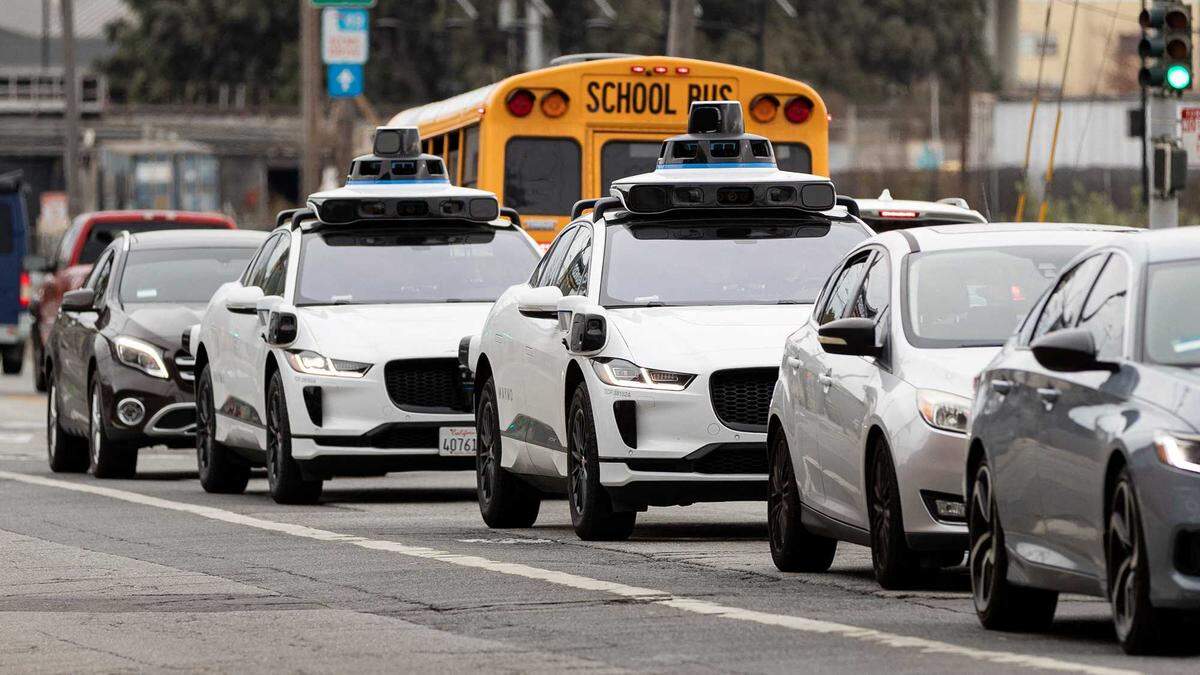
Waymo’s self-driving vehicles now have the go-ahead to operate in the capital region, following a decision quietly made last week by the California Department of Motor Vehicles to expand the company’s driverless testing territory beyond the Bay Area and Los Angeles.
But don’t expect to hail an autonomous taxi just yet.
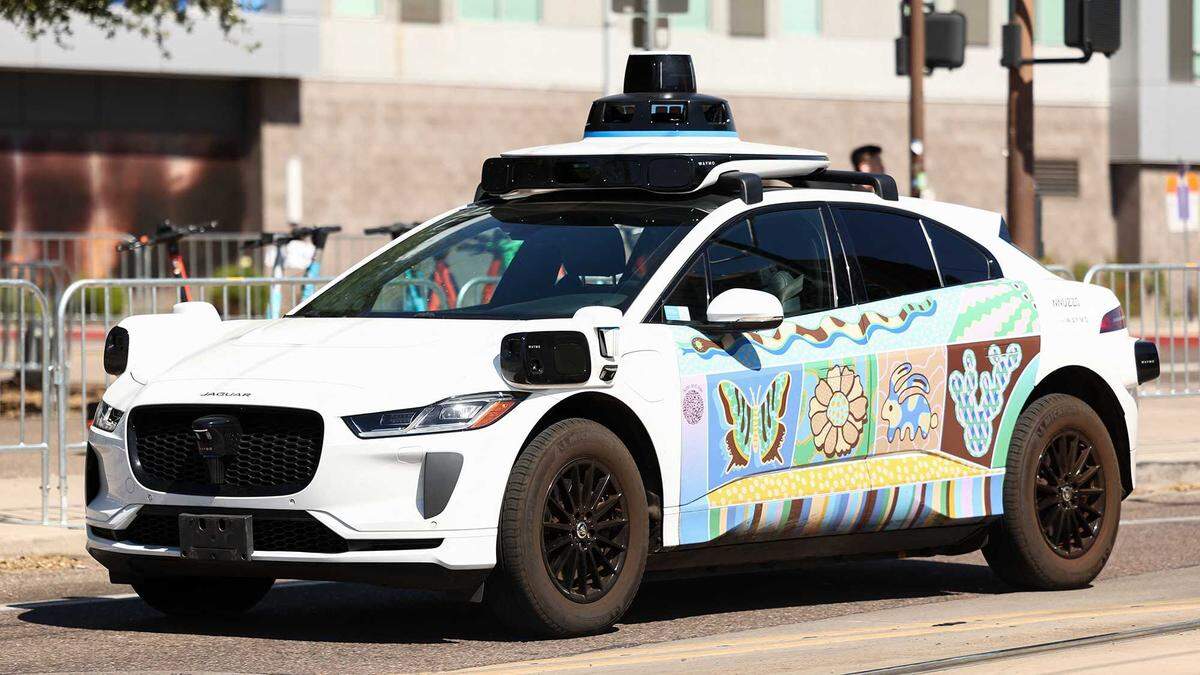
The DMV’s approval for non-passenger testing mode allows Waymo vehicles — the Jaguar I-Pace SUV and the Zeekr RT, a Chinese-build robotaxi — to begin operating on public roads including freeways without a driver behind the wheel in places like Sacramento, West Sacramento, Davis, Folsom, Elk Grove and Citrus Heights — a geographic leap from the company’s prior haunts.
Dr. Junshan Zhang, a professor at UC Davis’ department of electrical and computer engineering, said the expansion into the capital region gives Waymo “real-world complexity” beyond California’s urban cores.
“Sacramento is a great test field for driverless technology because it offers more than one type of environment,” said Zhang, who co-founded the school’s Davis AI, Robotics and Edge Research Group. “There is dense urban streets downtown, sprawling suburban neighborhoods and even semi-rural roads on the outskirts. This mix gives autonomous driving systems a chance to learn in varied conditions.”
Zhang also said Waymo’s testing could prove beneficial in the ever-changing landscape of Sacramento transportation.
“Sacramento is known for its bike-friendly infrastructure and frequent road construction, which adds real-world complexity,” he said. “This offer a compelling case for testing how these vehicles handle changing traffic patterns and multimodal interactions.”
The new permit, however, does not authorize Waymo to offer rides to the public or collect fares in the Sacramento region. For that, Waymo still needs a separate commercial permit from the California Public Utilities Commission, the company told The Sacramento Bee on Monday.
“We’re looking forward to opening our service to more Californians,” the company said in a written statement. “Our next stop in the Golden State will be San Diego.”
The DMV has yet to issue a public statement about the approval, merely updating maps on its website. But the deployment allows Waymo to run at all speeds at all times of day and night and in “all rain, fog and other conditions,” according to the DMV’s “operational design domain” webpage.
Zhang suggests the all-weather allowances and varied conditions offer “challenges” that could improve the service beyond Sacramento.
“Seasonal fog and summer heat can make sensors work harder, and agricultural traffic from surrounding areas introduces unique scenarios,” he said. “Add in older intersections with tricky layouts, and you’ve got a region that really pushes the technology to prove itself.”
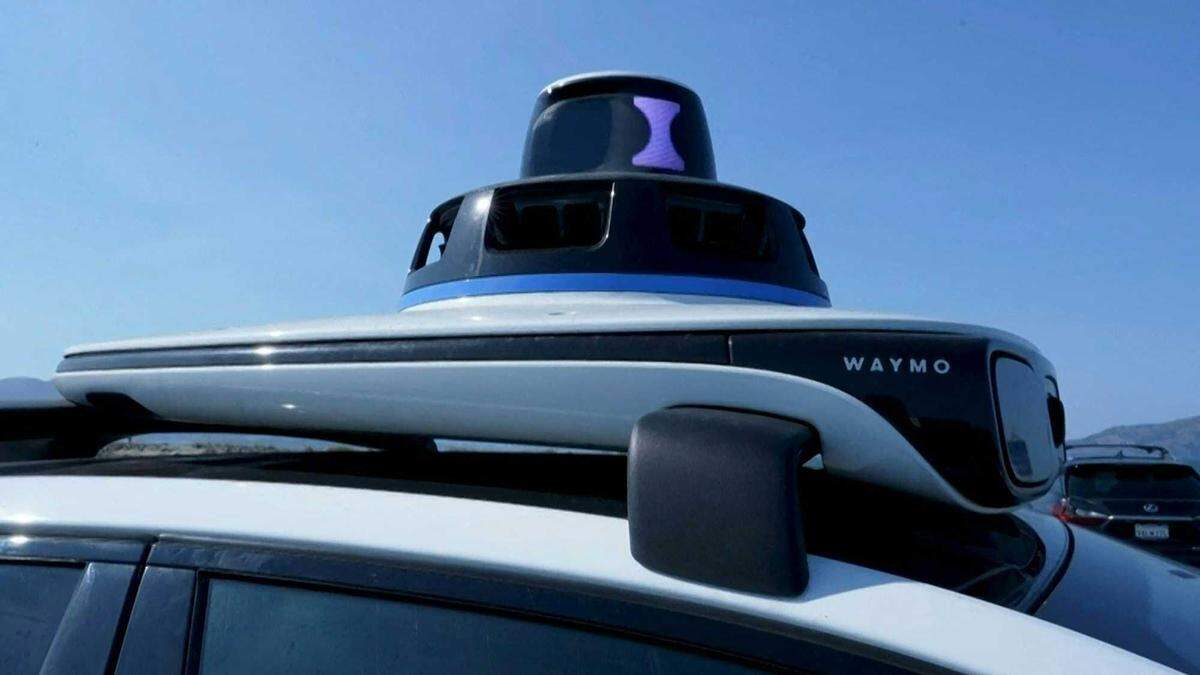
Autonomous vehicles rely primarily on onboard code and sensors, such as lidar, to navigate city streets but are also backed by remote human operators who assist in unusual traffic conditions. Waymo’s code and the DMV’s rules allow the vehicles to drive around in that operational design domain — a predefined area and set of conditions.
Waymo has not announced a start date for local operations or testing, and it’s not clear when they would ask state officials for the ability to transport humans in the capital region. Nonetheless, the move vastly expands the growing fleet of driverless cars in California.
While Waymo is the best-known name in driverless vehicles, it’s not the only company licensed for autonomous or semi-autonomous operations in the state. Others, including Cruise and Zoox, have held limited permits through the state’s multi-agency regulatory process.
The DMV’s new operational space gives Waymo the ability to jet across Sacramento and Yolo counties, including the cities of Davis, Rancho Cordova, Galt, and Woodland as well as the Yocha Dehe Wintun Nation, which runs Cache Creek Casino Resort northwest of Winters.
Zhang said capital motorists and pedestrians won’t need to change their habits — or guard — when the vehicles arrive.
“When an average driver sees these vehicles on the road, the most important thing to know is that these vehicles are designed to follow traffic laws and prioritize safety,” he said. “They’ll yield to pedestrians and cyclists and obey speed limits, perhaps more strictly than human drivers, and handle intersections just like a cautious human driver would.”
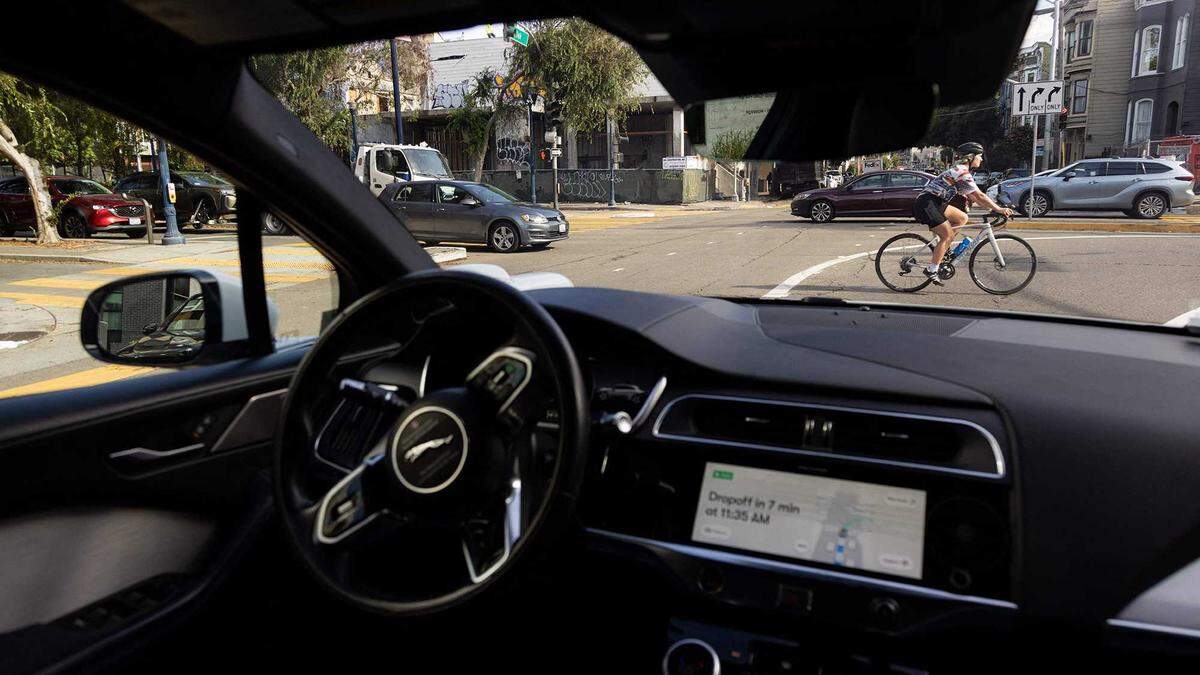
His advice if you see one in your rearview mirror or at the intersection: “treat these vehicles like any other cars.”
There’s no need to wave or signal to the vehicle — it won’t respond to gestures. Just drive predictably, avoid sudden maneuvers, and give them the same space you would any other vehicle.”
For now, Sacramento’s driverless future remains in test mode.
The company says it’s focusing its efforts on launching passenger service in San Diego. Approval for the south state expansion — which would allow its robotaxis to operate from Santa Clarita to the U.S.-Mexico border and inland as far as San Bernardino — could come by the middle of next year.
And Zhang said an everyday world of robotaxis overtaking capital roads is still a ways down the pike.
“Realistically, we’re still in the testing phase,” he said. “Thanks to the recent breakthroughs in AI, the autonomous driving technology itself is advancing and will move very quickly, but there are big hurdles left to solve, including scaling operations safely, earning public trust, and navigating regulatory frameworks.”
But, Zhang noted, that even when autonomous vehicles do well in testing, “integrating them into real-world traffic with unpredictable human behavior takes time since the real world can be really messy.”
“Sacramento’s diverse conditions make it an excellent test field, but they also highlight why this rollout needs to be gradual and carefully monitored.”
This story was originally published November 24, 2025 at 6:05 PM.