
Teacher suddenly can ‘see’ music after motorcycle crash. Doctors explain why
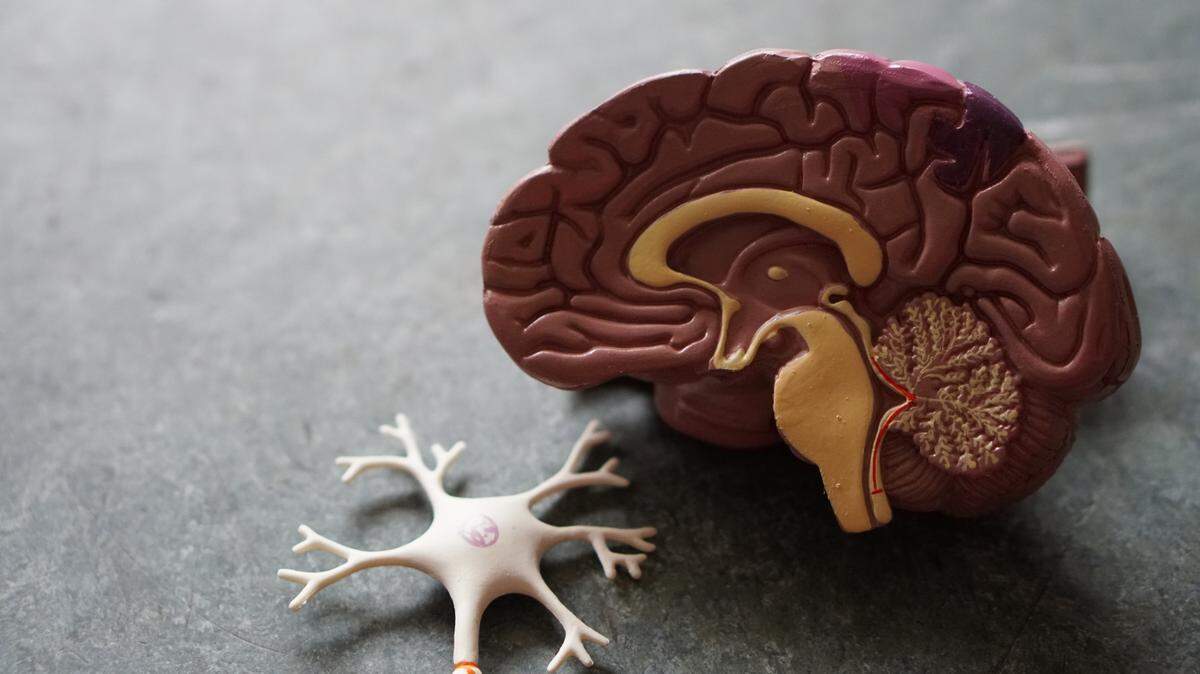
For many, a traumatic brain injury can be life-threatening.
For one man, hitting his head was life-altering.
During the summer of 2021, a 66-year-old performer turned music teacher was riding his motorcycle when he was involved in a serious crash.
The man was thrown from his motorcycle, traveling about 30 feet through the air, Tennessee researchers said in a case report published online in Neurocase on May 7.
He was wearing a helmet, but when emergency personnel arrived, he was confused, disoriented and wasn’t sure whether he had been knocked out.
Doctors conducted a series of tests on his brain and found he was experiencing signs of a traumatic brain injury, or TBI.
The man was struggling to remember recent events, couldn’t recall some words when he tried to speak and had general amnesia after the crash.
Seeing no bleeding or visual damage in the man’s brain, doctors sent him home to recover, according to the case report.
One month later, the man arrived at his follow-up appointment with complaints of vertigo and insomnia. He had pressured speech, meaning he spoke faster than normal and in long tangents. The man was still struggling to remember past experiences, doctors said, and his wife reported that she had to give him a white board to write things down throughout the day so he wouldn’t forget.
Doctors said the man also had no filter when speaking, meaning he couldn’t return to work for fear of saying something inappropriate that he couldn’t control.
As a music teacher, these symptoms were devastating. But, they were accompanied by a new talent that completely changed his life.
“During both appointments, he reported increased creativity and novel synesthesia,” the researchers said. “Specifically, he stated he was able to hear and see music simultaneously, which he had not experienced previously.”
What is Synesthesia?
“Synesthesia is the phenomenon in which a sensory stimulus evokes a different sensory experience, such as music evoking shapes or colors,” the researchers said. “Synesthesia can be associated with either positive (e.g., improved mathematical skills after sustaining a traumatic brain injury [TBI] or negative cognitive effects.”
In the case of the music teacher, he told doctors in interviews that when he listened to music, whether a recording or live, he could “see” the notes on paper in his mind, something he couldn’t do before the motorcycle accident. He also said he could name chord structures from just hearing the songs, another new skill.
“There is still much we do not know about synesthesia and why some people are born with (it) or how people develop it,” researcher Lealani Acosta of Vanderbilt University told McClatchy News in an email.
Synesthesia can be present from birth, be acquired after trauma to the brain or can be drug-induced, the researchers said.
One explanation is that synesthesia is caused by a flood of serotonin to the brain, a chemical that affects mood, sleep, digestion, wound healing, blood clotting and a host of other bodily functions.
In the case of a brain injury or drug use, the brain creates an excess of serotonin as a way to flood the neurotransmitters after a trauma, the researchers said.
“We can only hypothesize because we don’t typically clinically measure these biochemical changes in cases like these,” Acosta said. “For example, we don’t have serotonin levels on this patient. It’s still possible these neurotransmitters were involved, though whether they were ‘delayed’ or whether he was having these symptoms immediately afterwards, possibly masked by recovering from the trauma, is hard to determine.”
A Rare Combination
As the music teacher explored his new synesthesia talent, he also experienced an explosion of creativity, according to the case report. It is one of the first documented cases of both synesthesia and creativity developing simultaneously after trauma.
“I was writing constantly. … It was unacceptable for me not to,” he told doctors in interviews.
The man would have periods of creative genius from midnight to 4 a.m. He would write entire compositions, fall asleep, and then wake up forgetting he had ever composed. He would listen to the compositions with his wife later, and they both called /one “interesting and bizarre.”
His wife told researchers everything the man did was “the best” he had ever done. The flowers in his yard were the most beautiful he had ever seen, and he built the best fire he had ever created in their hearth each night, even through a hot summer.
The researchers defined creativity as “the ability to understand, develop, and express in a systematic fashion, novel orderly relationships,” a characteristic that helps make us human.
“Certainly the concepts of novelty, uniqueness, and breakthroughs that change how we see the world are common themes in the field of creativity,” Acosta said.
When researchers compared the music teacher’s creative impulses to that of other case studies following traumatic brain injuries, it mimicked other patients, such as a truck driver who suddenly found a passion for painting or a French artist who completely changed his style after a World War I brain injury.
“While it would be impossible to localize the anatomy of creativity to a single locus of the brain, the connectivity between various parts of the brain … heightens this idea of forging novel relationships,” the researchers said in the case report.
The doctors said brain damage from situations like a traumatic brain injury or even neurodegenerative diseases like Alzheimer’s, “while negatively affecting cognitive functions such as memory, can lead to novel artistic expression.”
For the music teacher, three months after his accident he was almost fully recovered and many of his problems had been resolved. He was able to stop using the white board to help his memory and was able to return to work.
He also kept his ability to see and create music in a whole new way.
This story was originally published May 24, 2023 at 10:33 AM with the headline "Teacher suddenly can ‘see’ music after motorcycle crash. Doctors explain why."
