Helene fact check: Here are the rumors and the reality in Western North Carolina
READ MORE
Hurricane Helene Aftermath
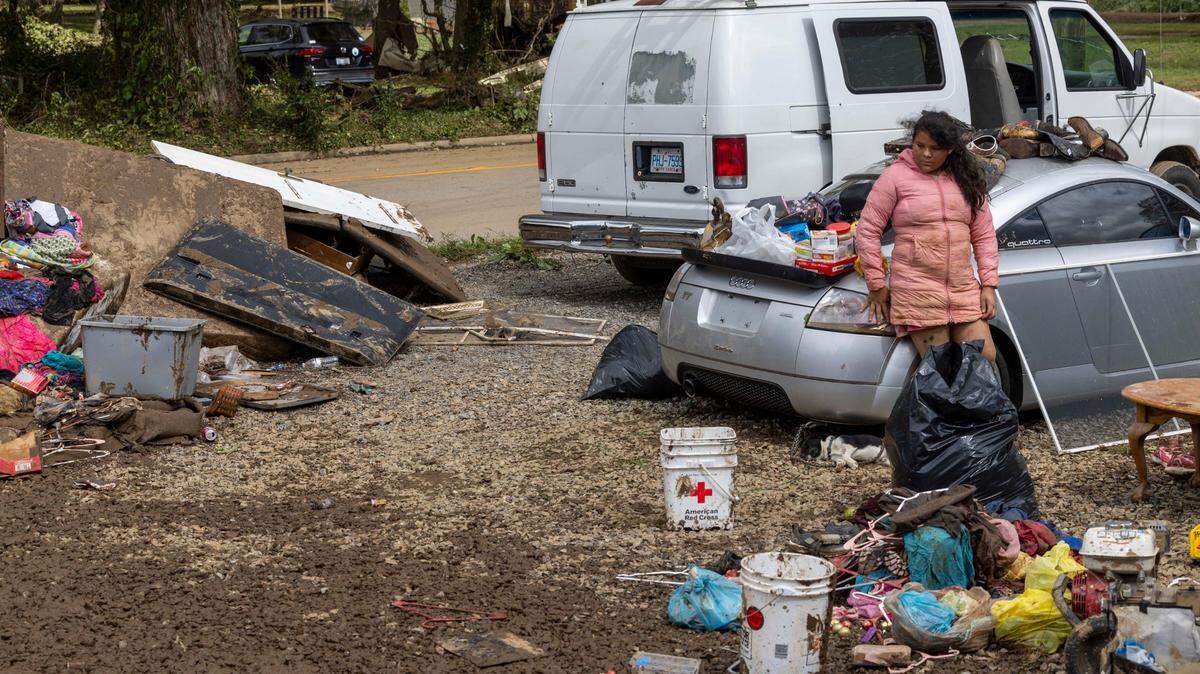
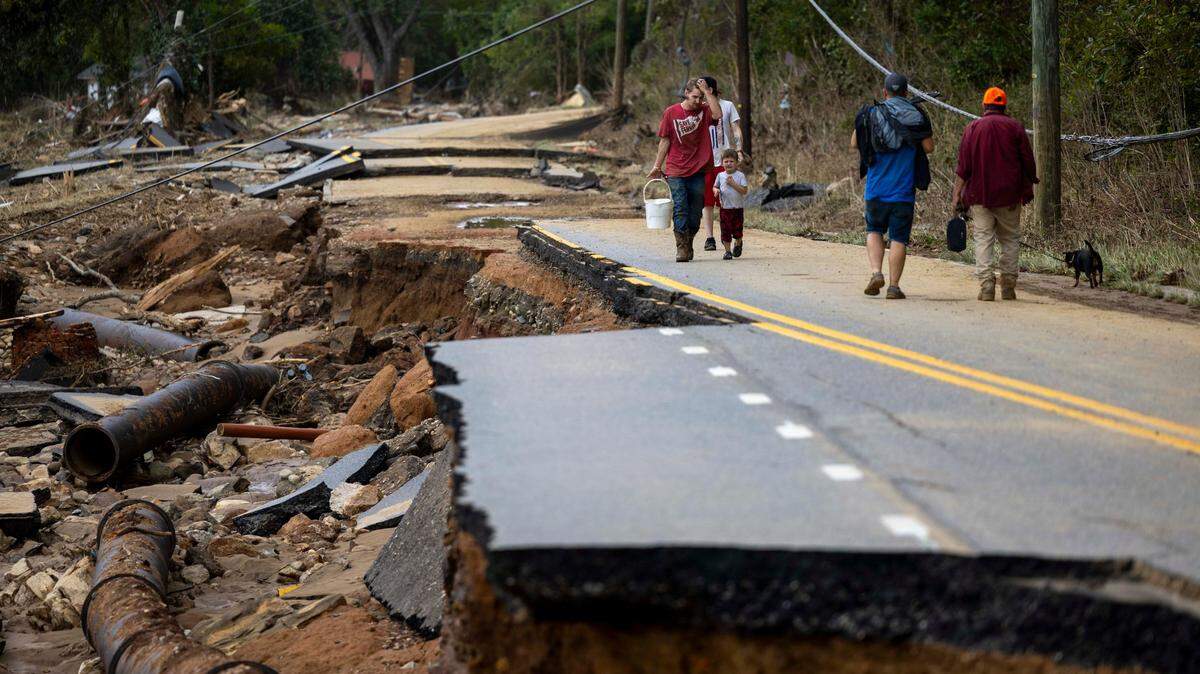
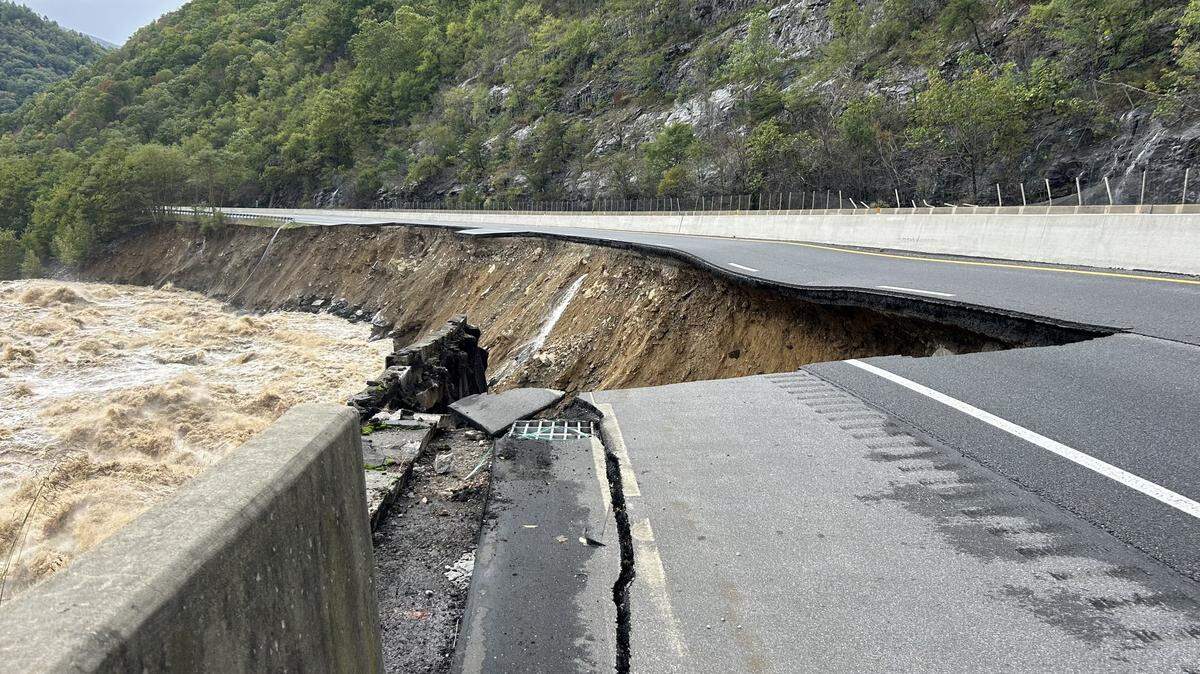
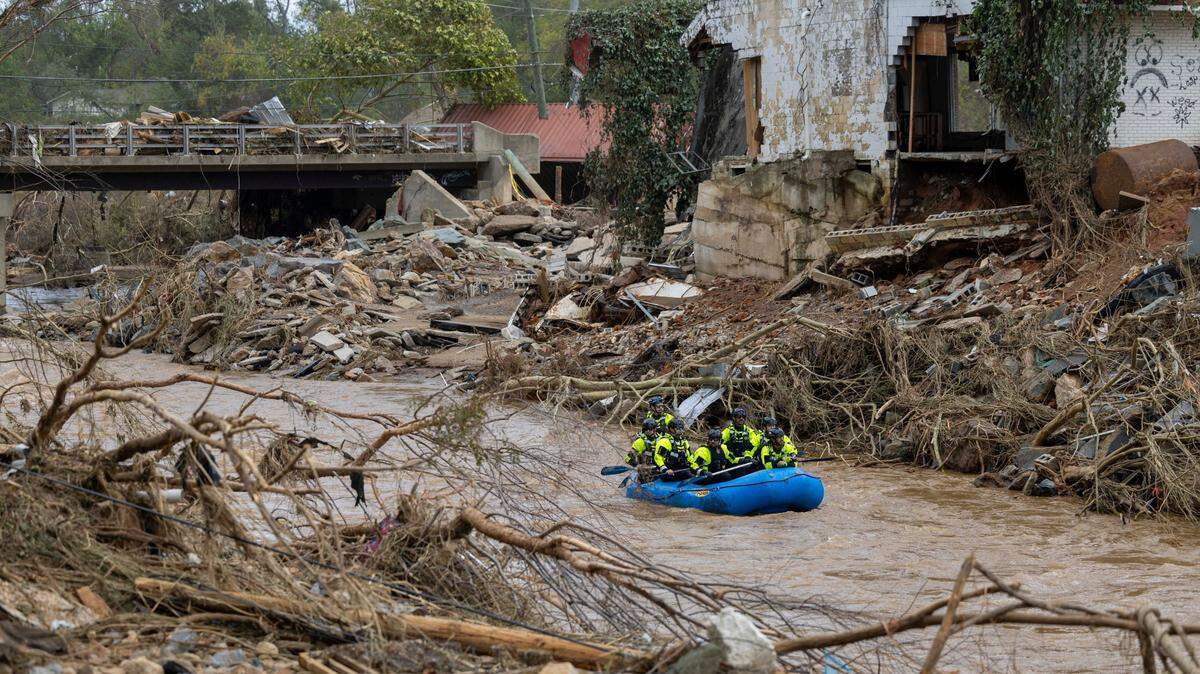
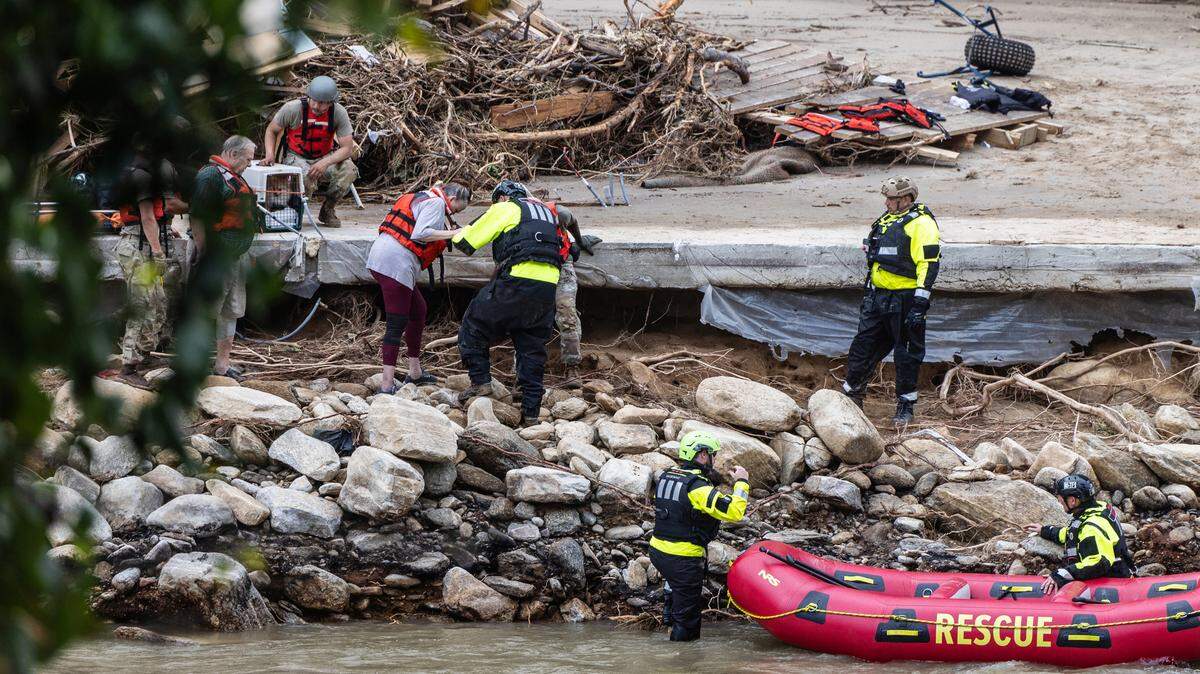
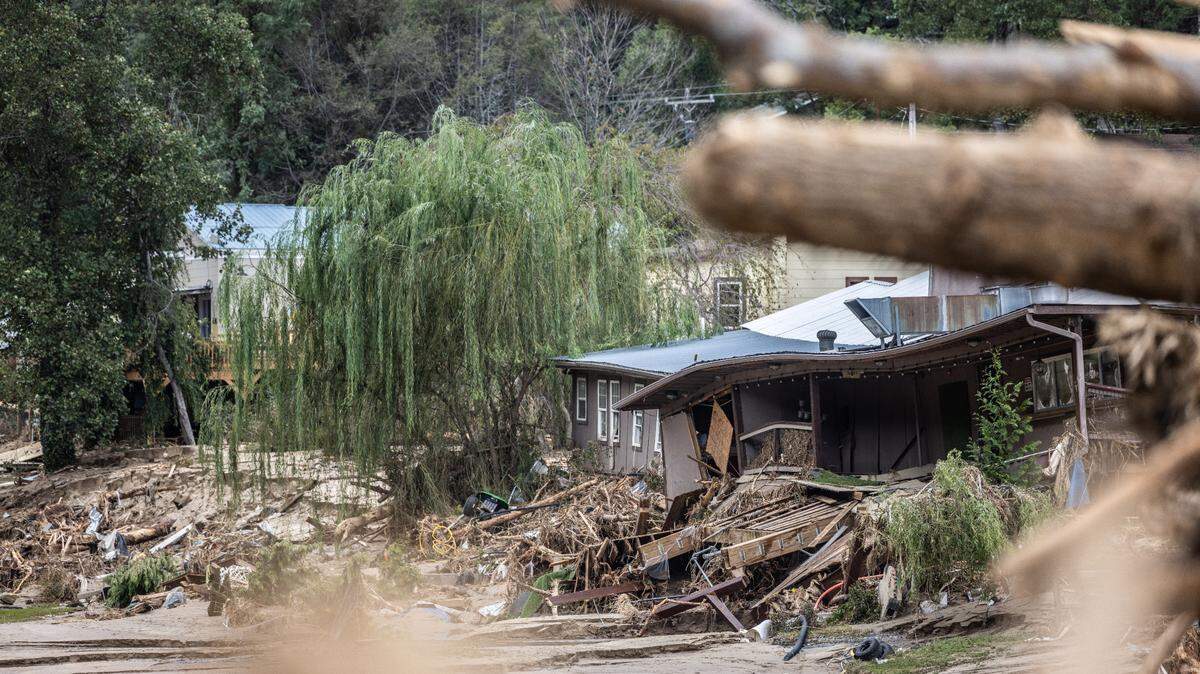
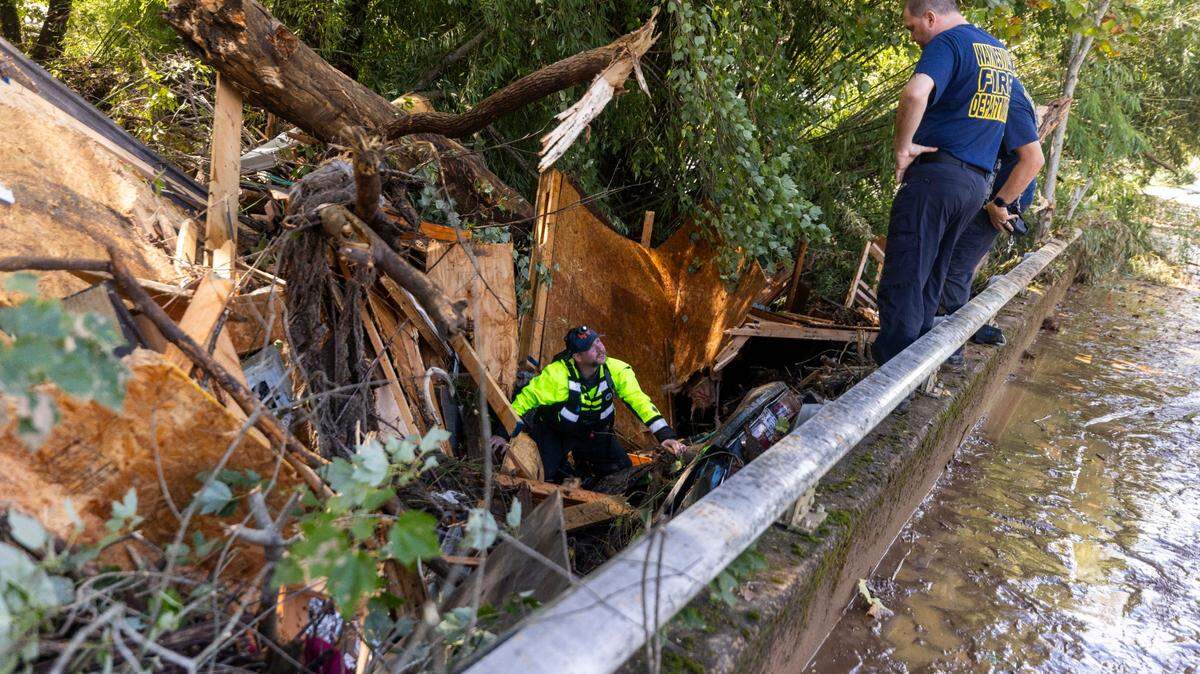
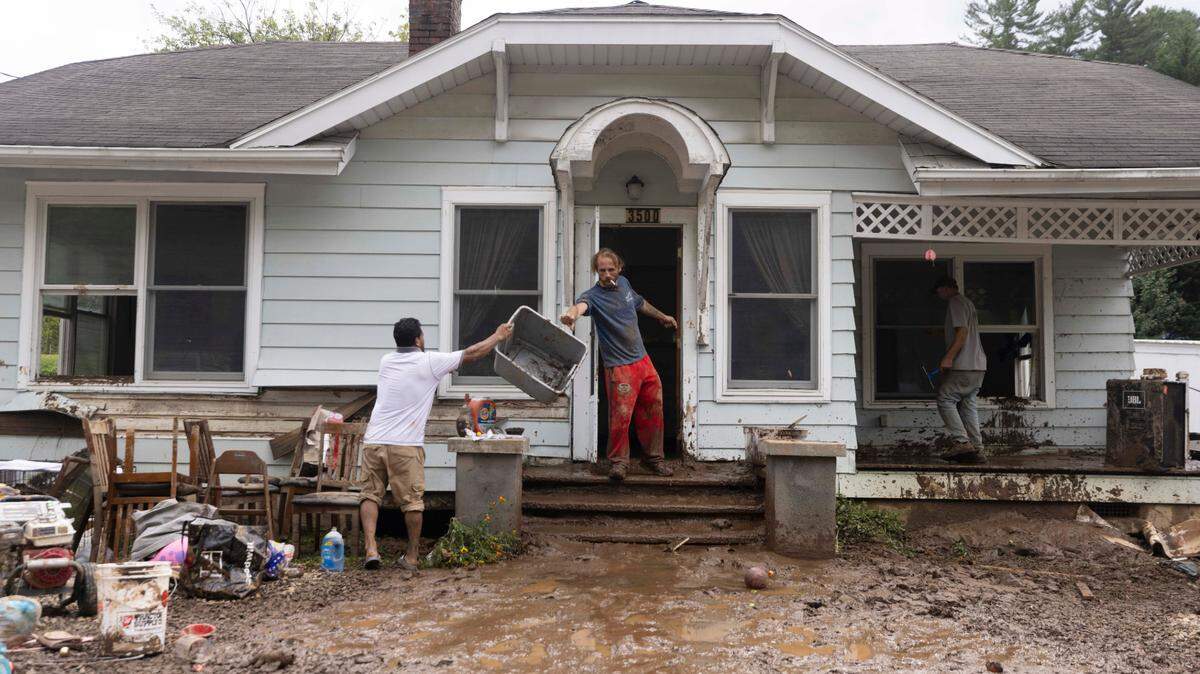
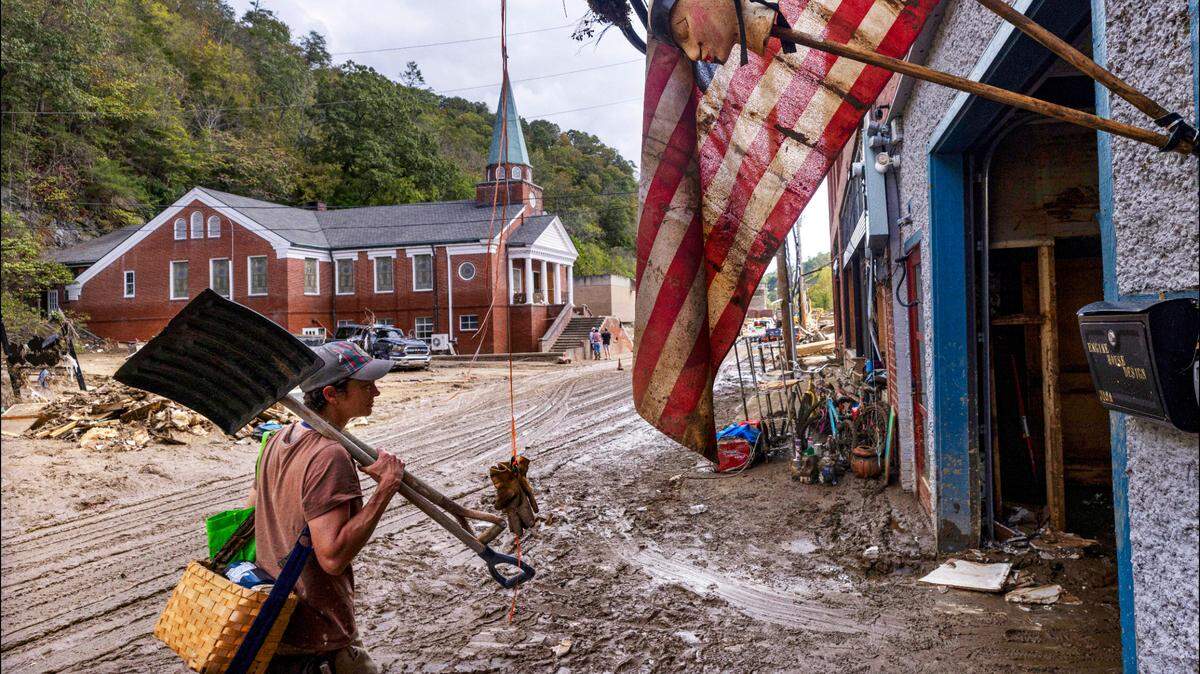
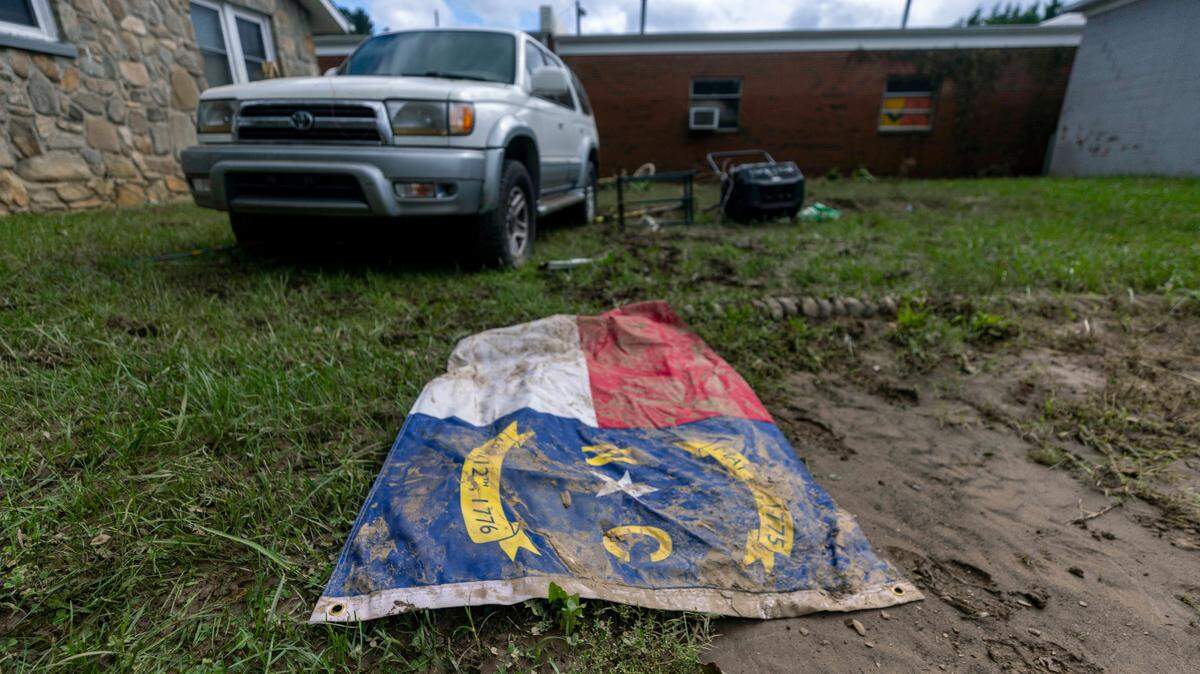
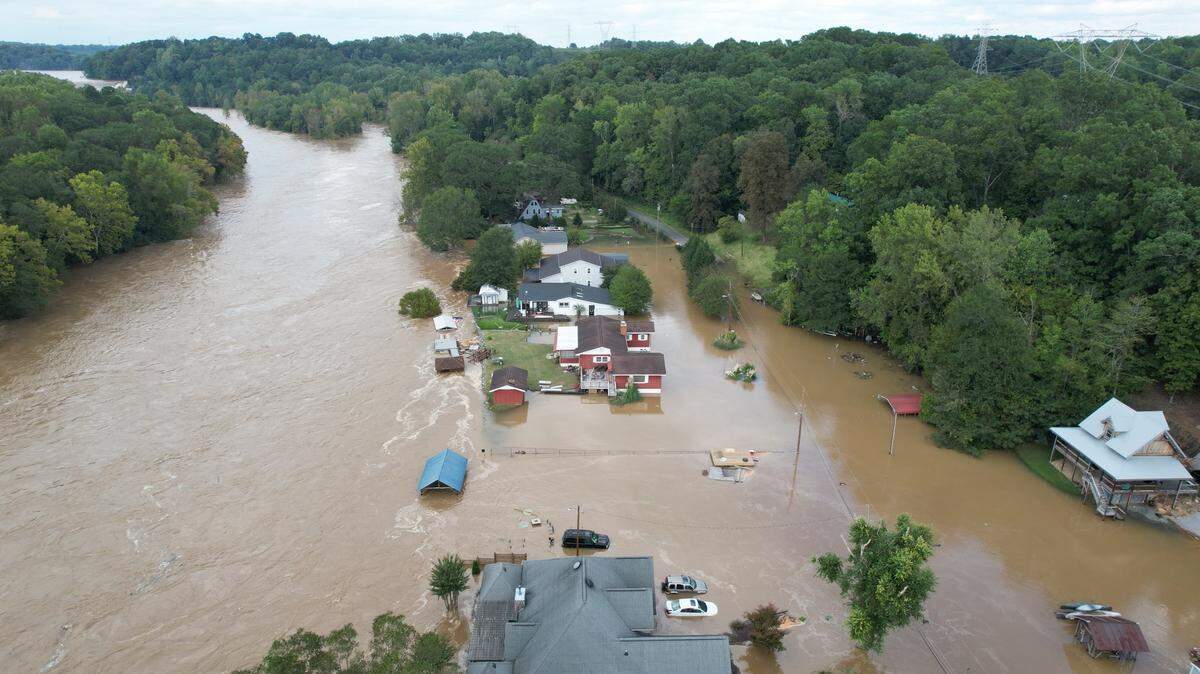
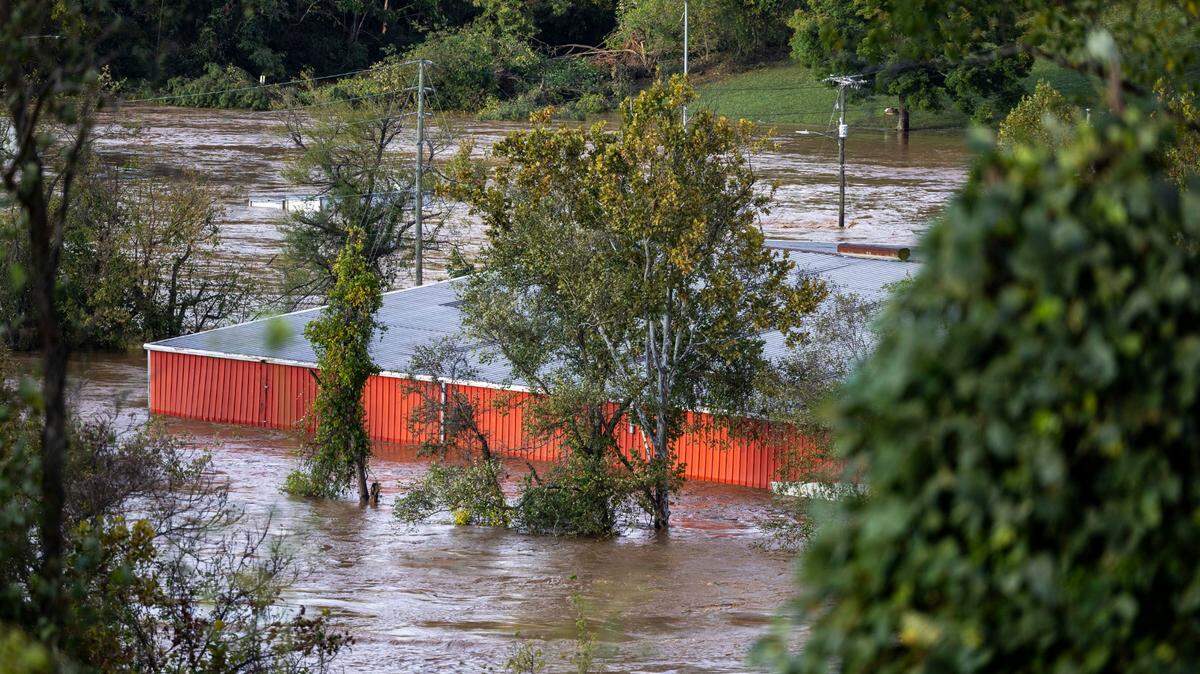
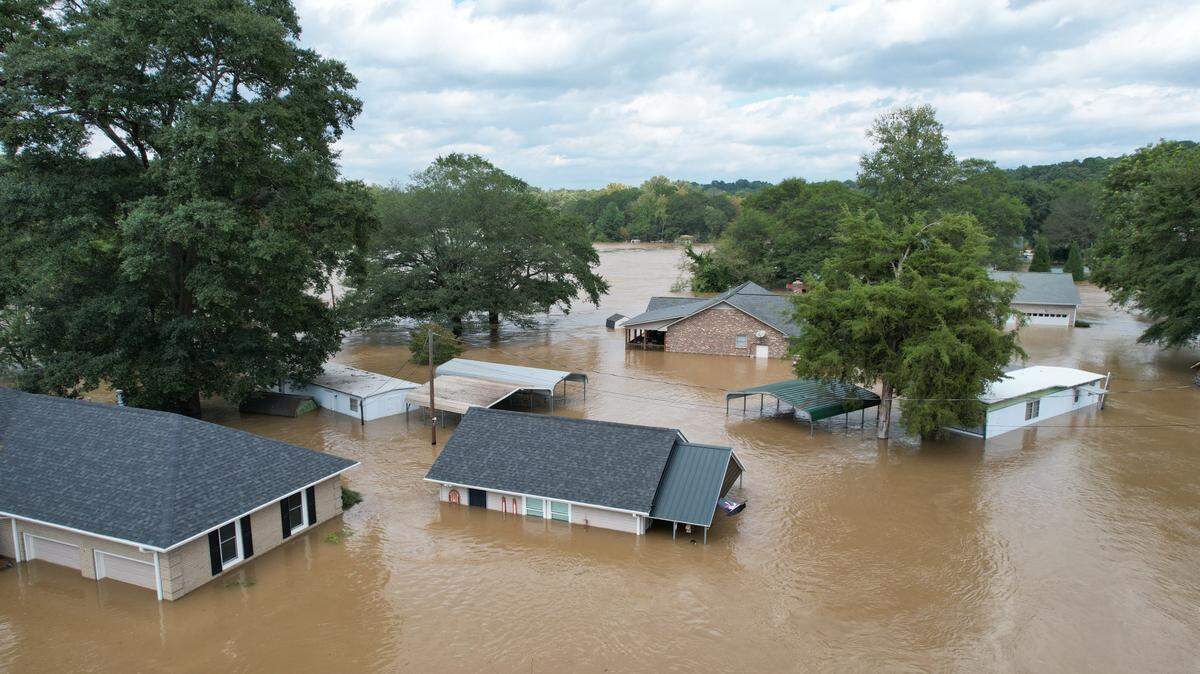
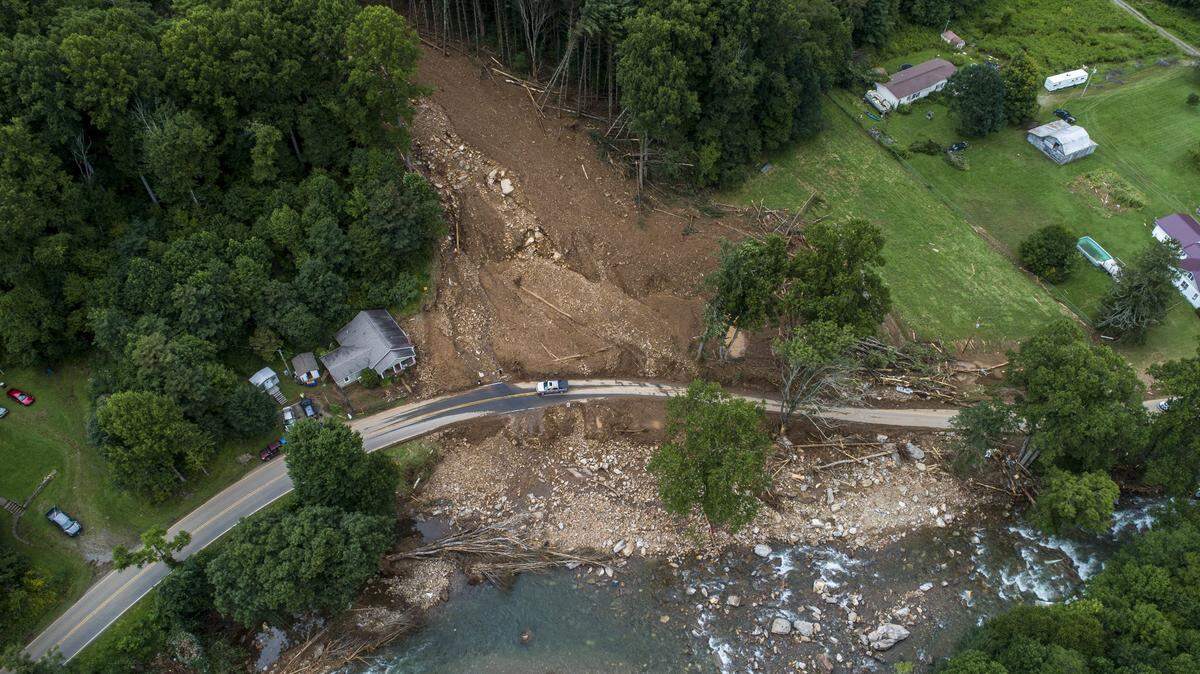
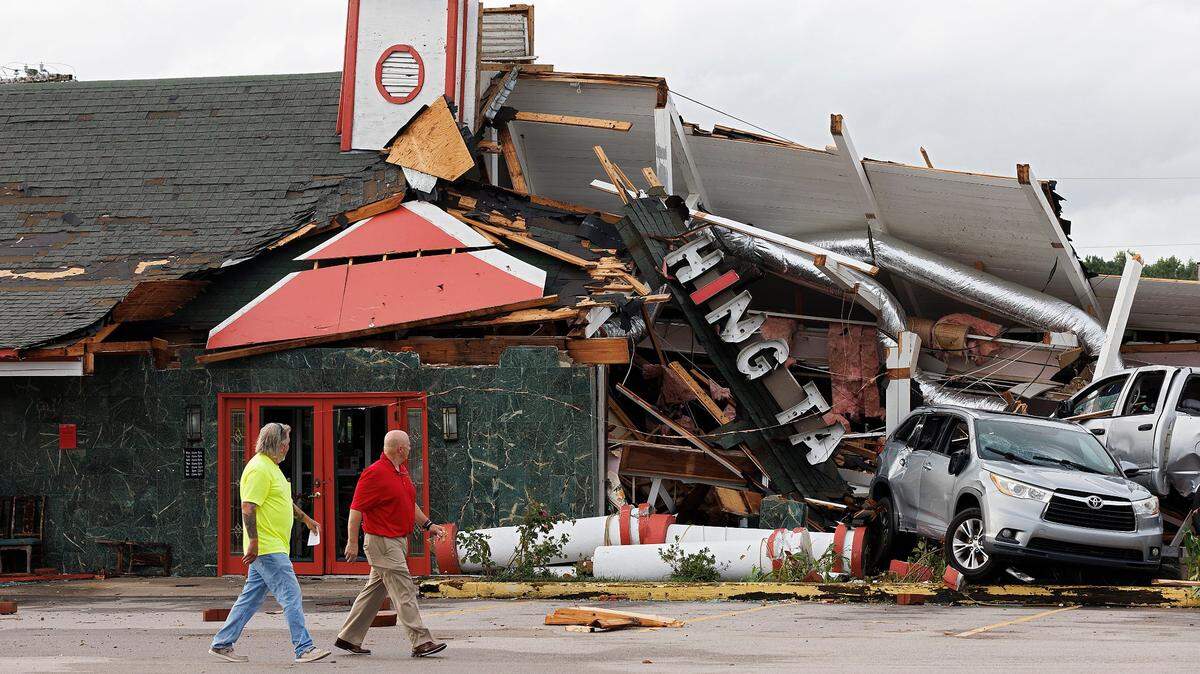
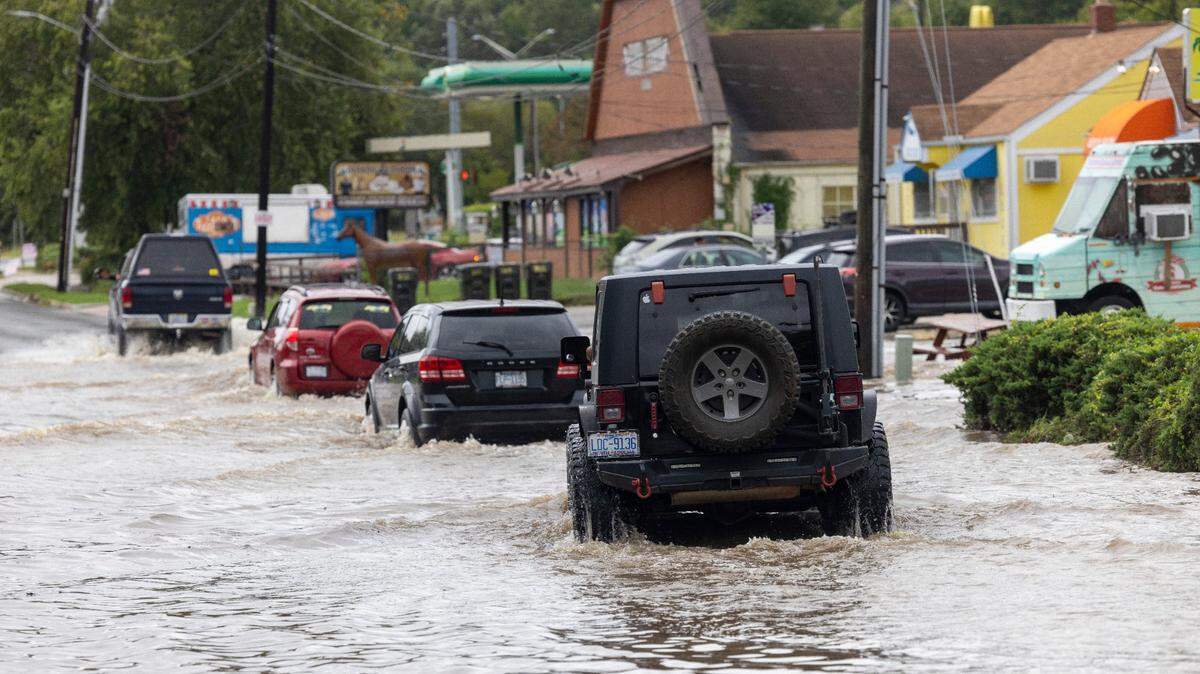
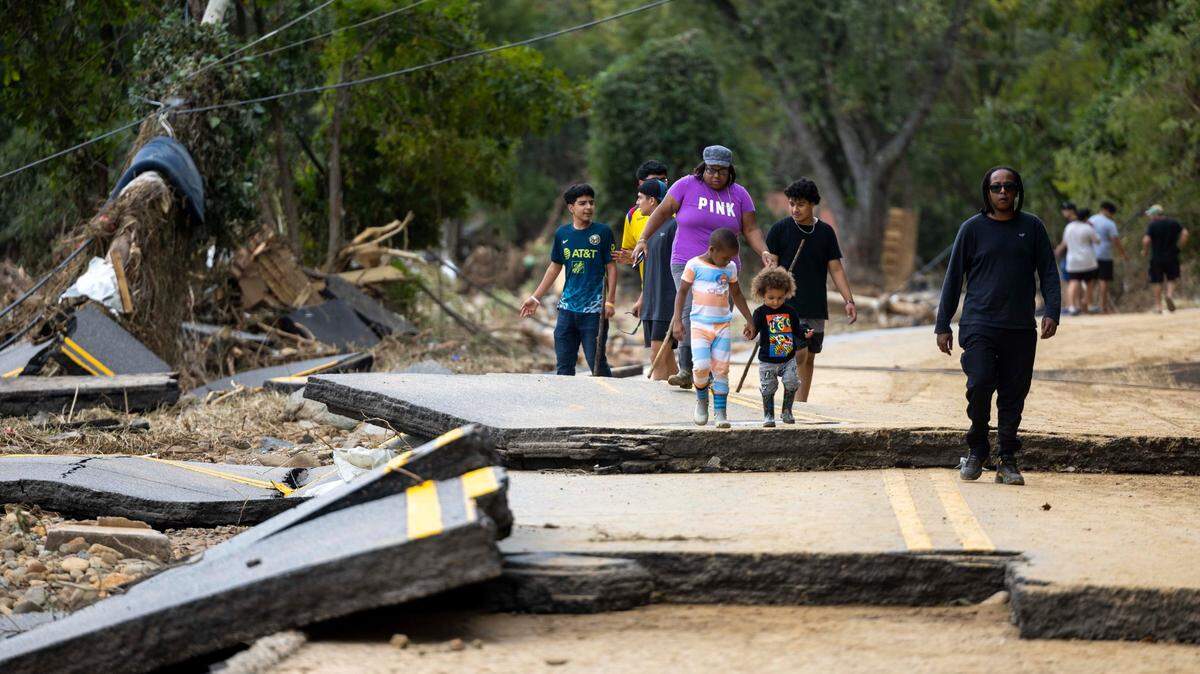
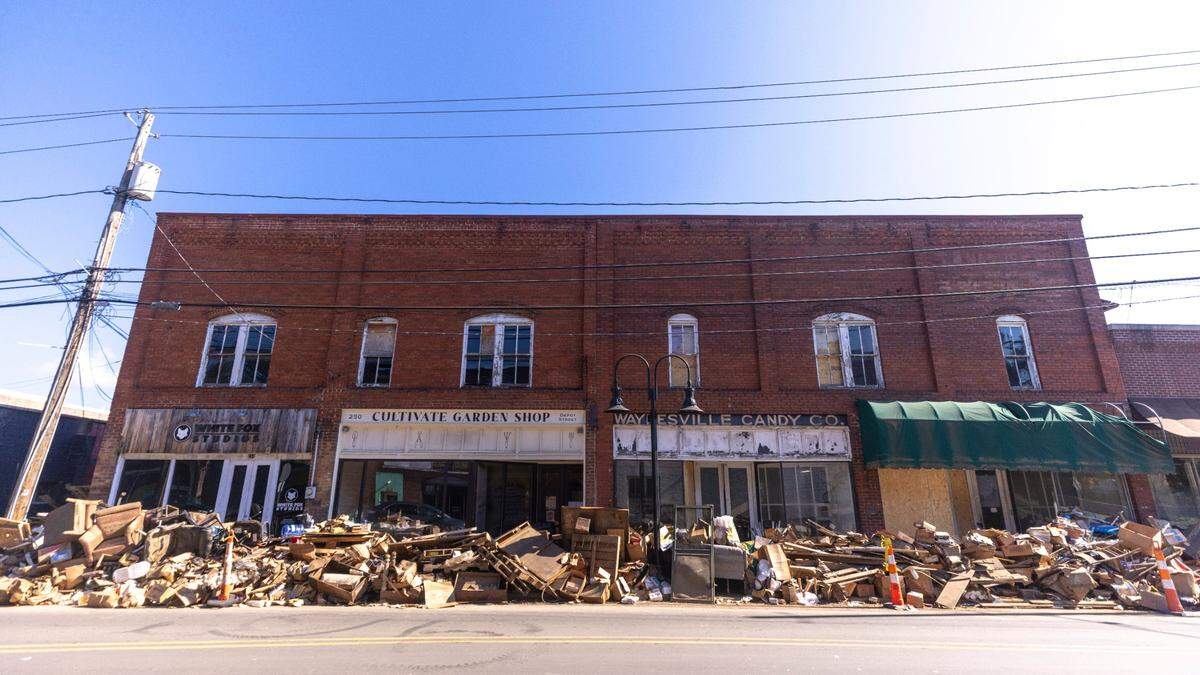
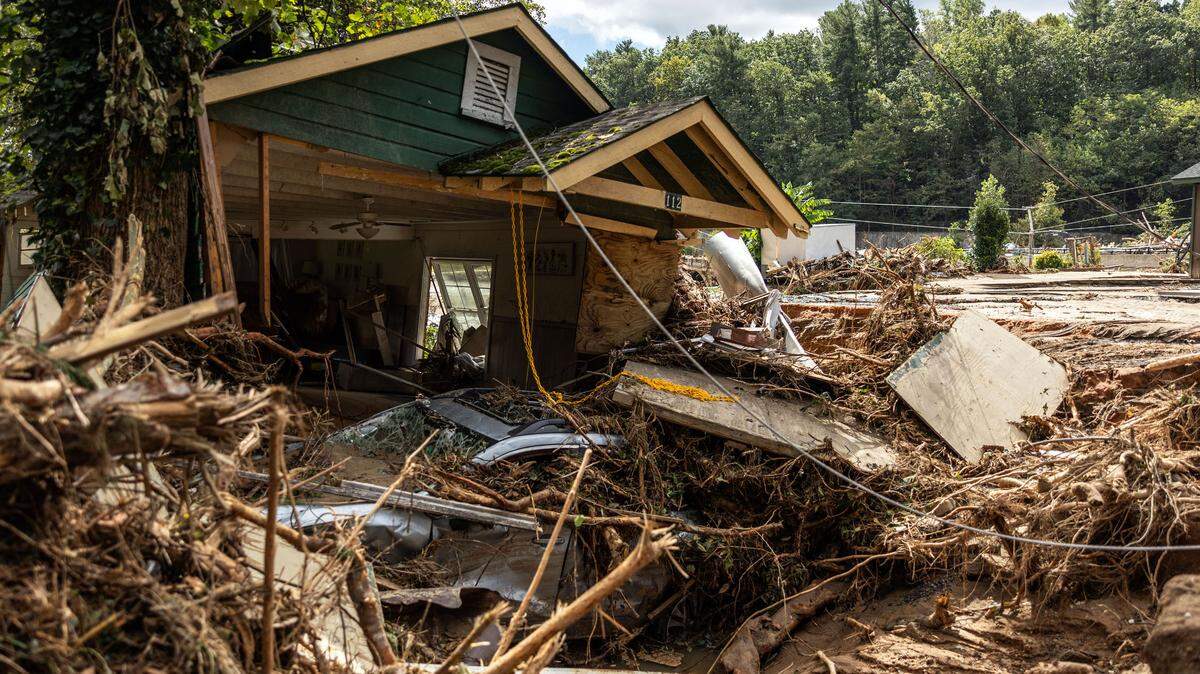
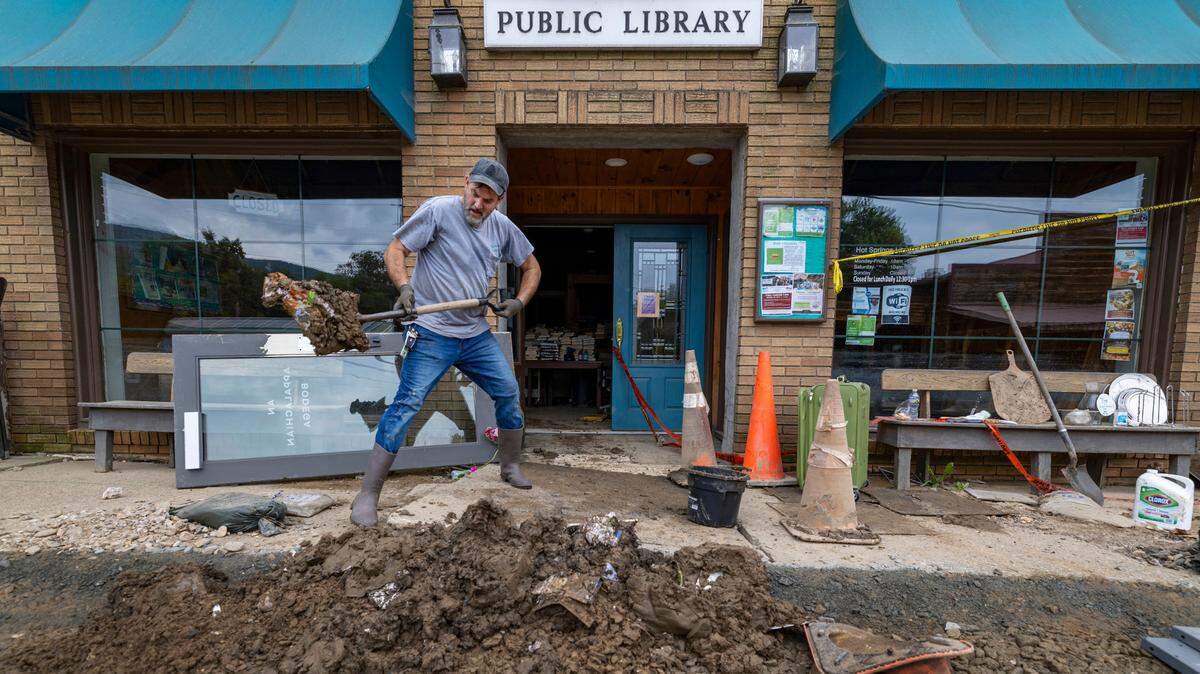
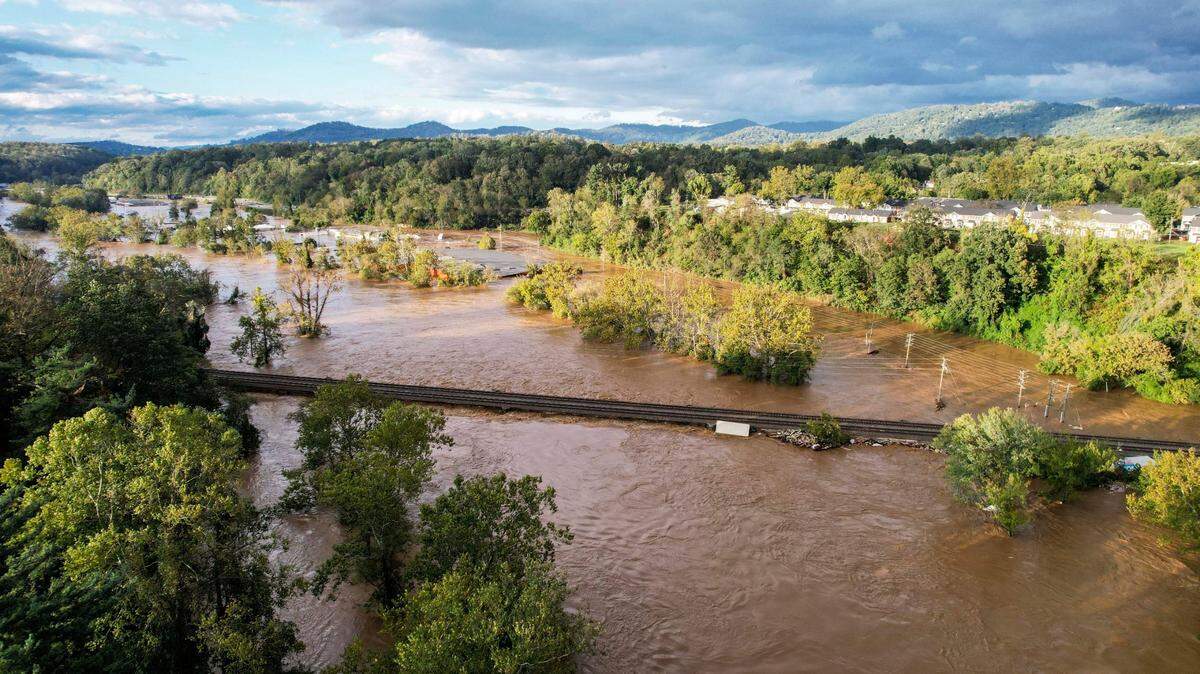
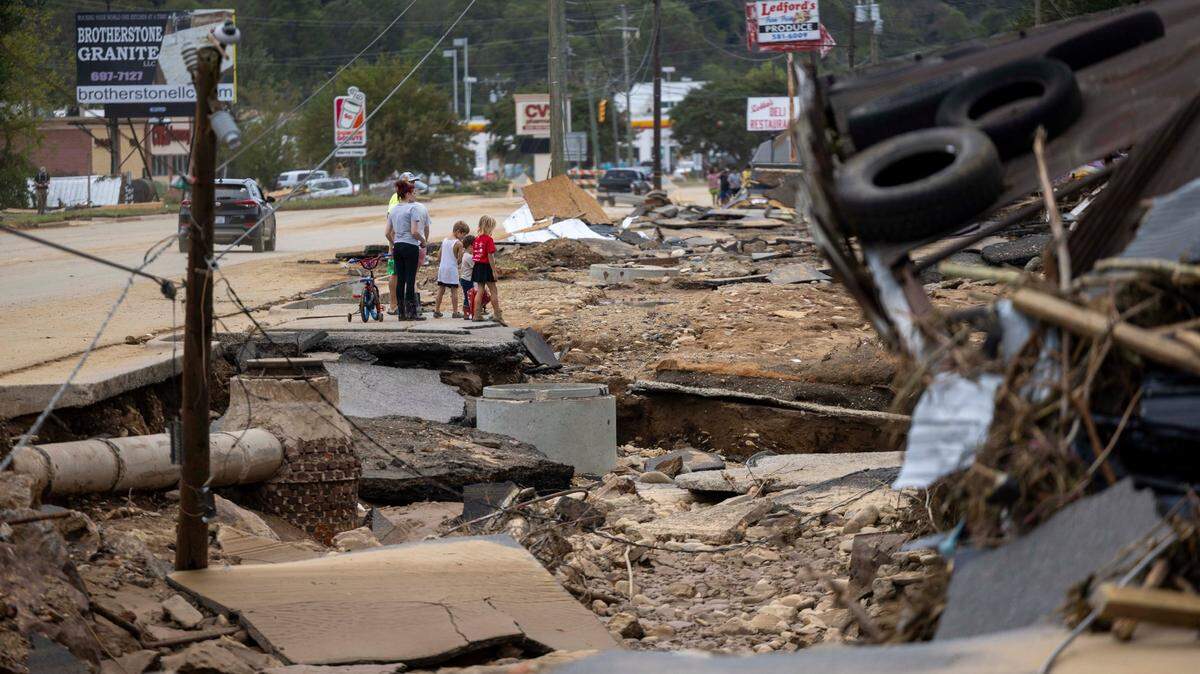
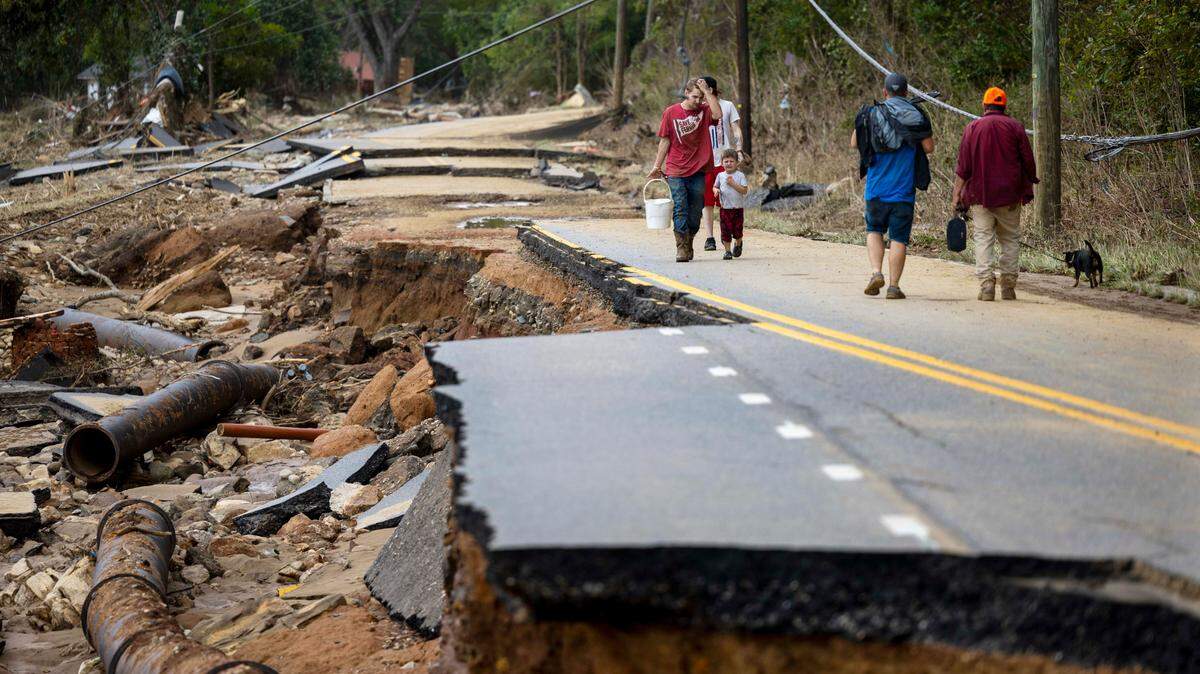
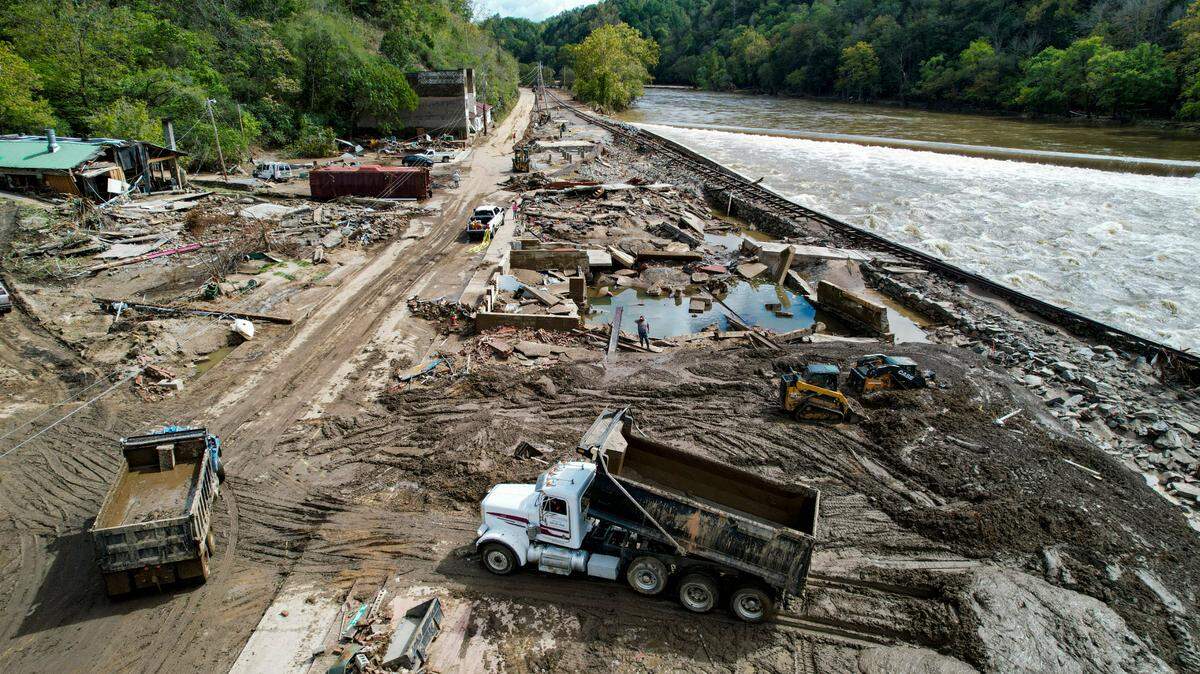
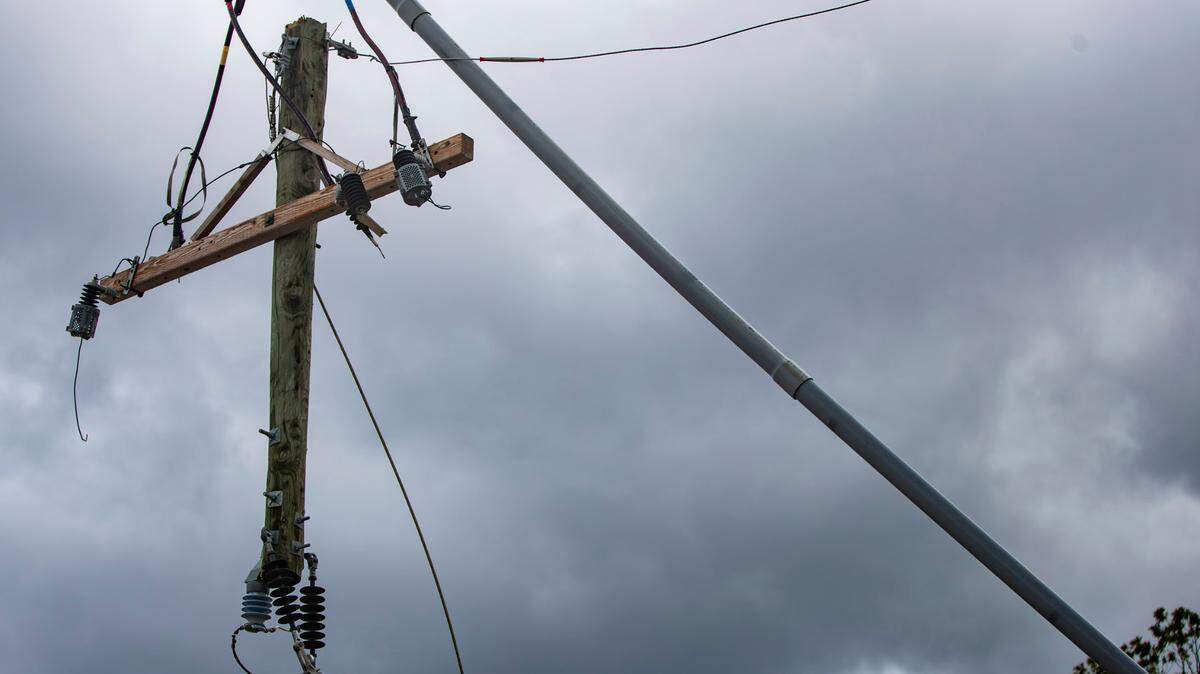
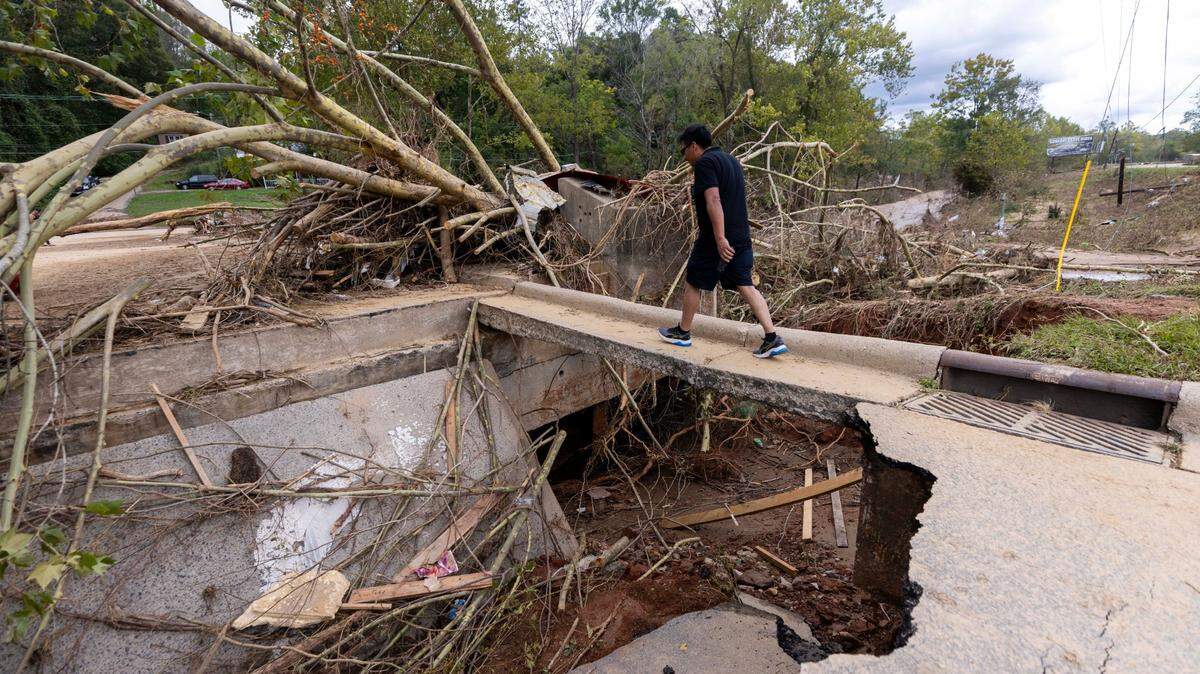
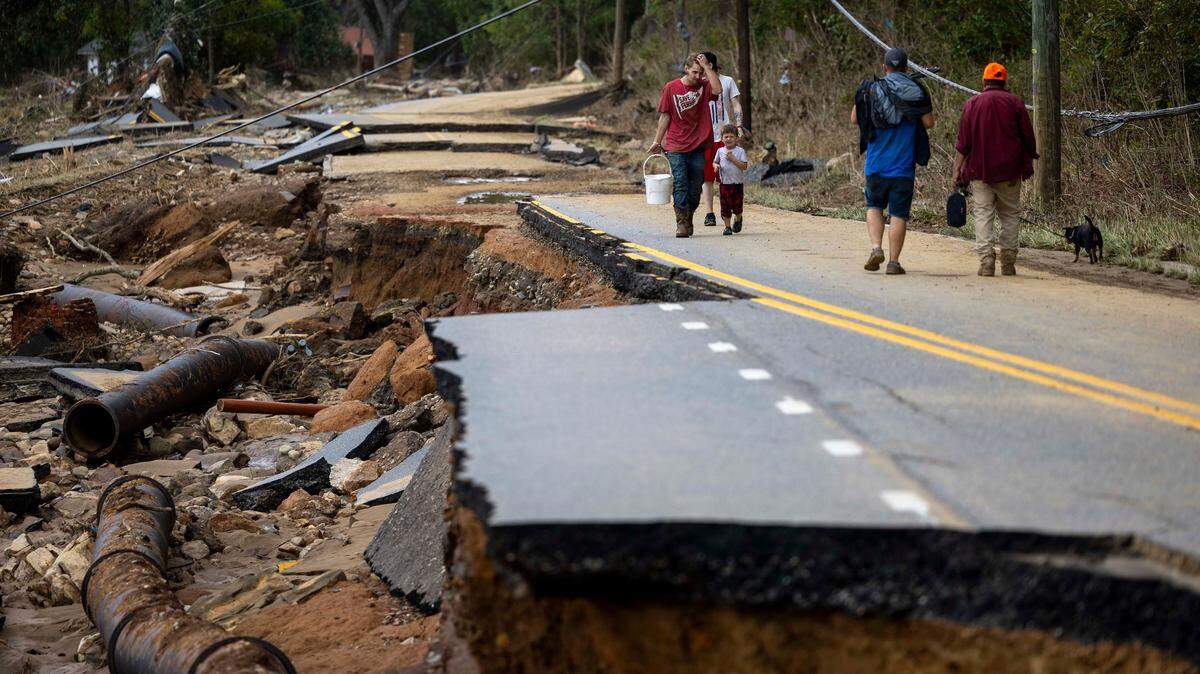
Hurricane Helene swept across the Southeast, causing major flooding and destruction throughout North Carolina. Here is ongoing coverage from The News & Observer and The Charlotte Observer about Hurricane Helene and the aftermath, particularly in Western North Carolina.
Expand All
Editor’s note: NC Reality Check is investigating the rumors and misinformation, some of it from official sources, inundating social media about relief efforts in Western North Carolina. If you encounter a rumor that you would like us to check out, email realitycheck@newsobserver.com
This file will be updated.
Emergency officials responding to the Hurricane Helene disaster in Western North Carolina say false rumors on social media are impeding their efforts to help tens of thousands of people in need.
“False information is being widely shared on social media channels, including AI-generated content and images,” N.C. Department of Public Safety officials said in a statement. ”Nefarious actors and those with ill intent may be taking advantage of this situation by spreading false information.”
The public should find and share information from trusted sources and discourage others from spreading information from unverified sources, NCDPS officials said.
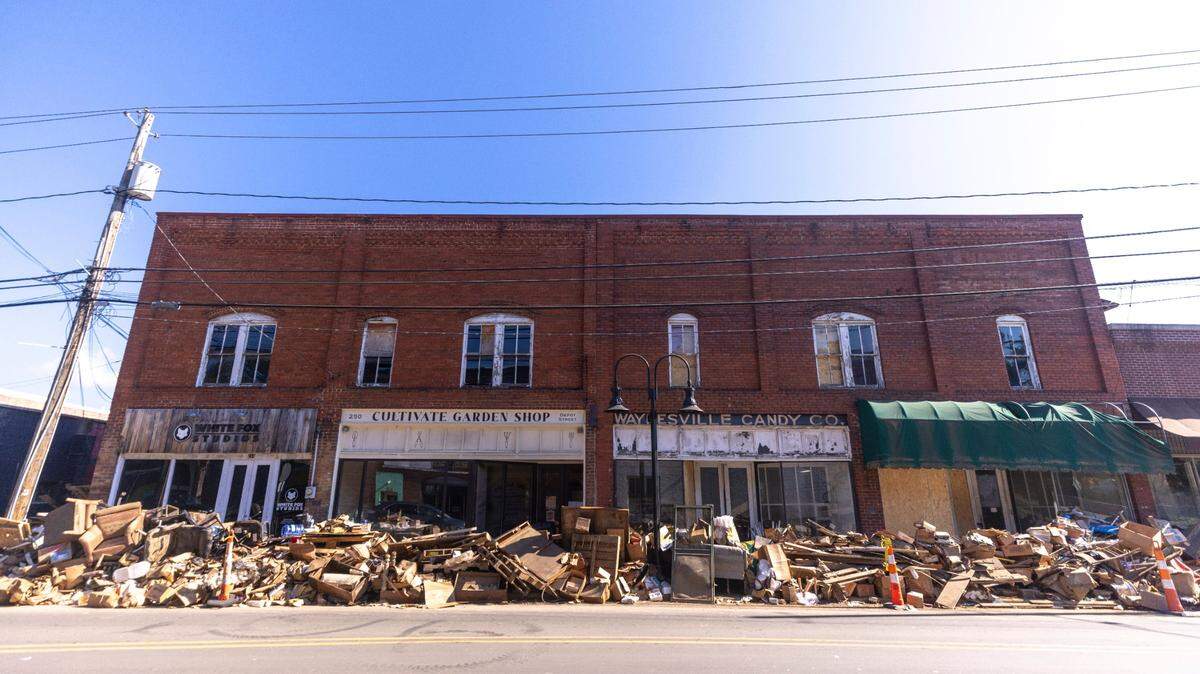
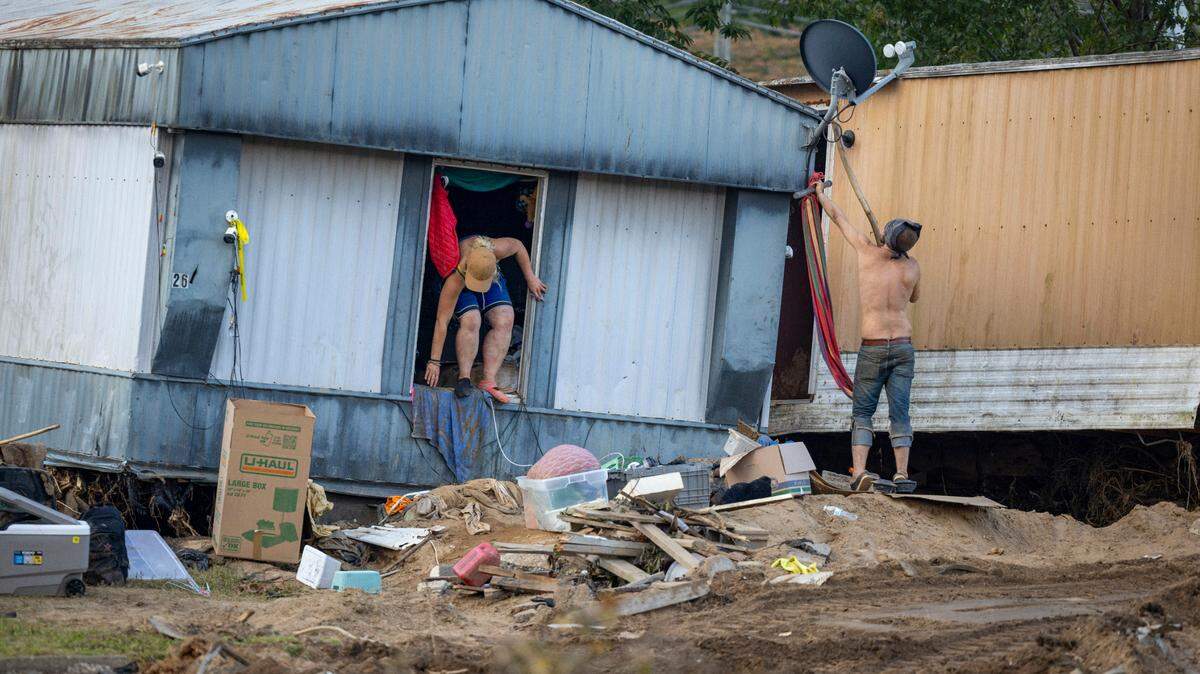
.JPG "RAL_100824-HELENE-TEL-001 (1).JPG")
On social media Friday, the American Red Cross said misinformation is hurting its Hurricane Helene relief efforts.
“Misinformation can spread quickly after a disaster, causing confusion and distrust within communities struggling to recover,” the Red Cross said in a statement. “Unfortunately, we’re seeing this during our response to Hurricane Helene.”
Here are rumors being spread on social media and the facts offered in response by government agencies and local officials:
Rumor: 15 people died of hypothermia in Avery County this week.
Facts: A spokeswoman for the county said of this rumor: “Mark it debunked in all capital letters, please.”
The rumor began with a post on social media platform X by an osteopathic doctor from the Midwest who has been working at a disaster relief center at the Avery County Airport. The county spokeswoman said Avery County Sheriff’s Office deputies are investigating the doctor’s intention for spreading the false rumor.
As of Wednesday, there had been four Helene-related deaths in Avery County, with three people still missing.
Rumor: Former President Trump said Gov. Roy Cooper and Washington Democrats blocked people and money from coming into NC to help those impacted by Helene.
Facts: Trump’s statement is false. Gov. Roy Cooper called it “a flat out lie.”
“We’re working with all partners around the clock to get help to people. Trump’s lies and conspiracy theories have hurt the morale of first responders and people who lost everything, helped scam artists and put government and rescue workers in danger,” Cooper wrote on social media, over a screenshot of Trump’s post on Truth Social.
Cooper’s post led to a response from Canton Mayor Zeb Smathers: “A 100% false statement by the former president…”
At least one person who identified himself as an Asheville resident backed up Cooper’s statements under his post saying, “Aid and effort has been coming in and we are grateful for it.”
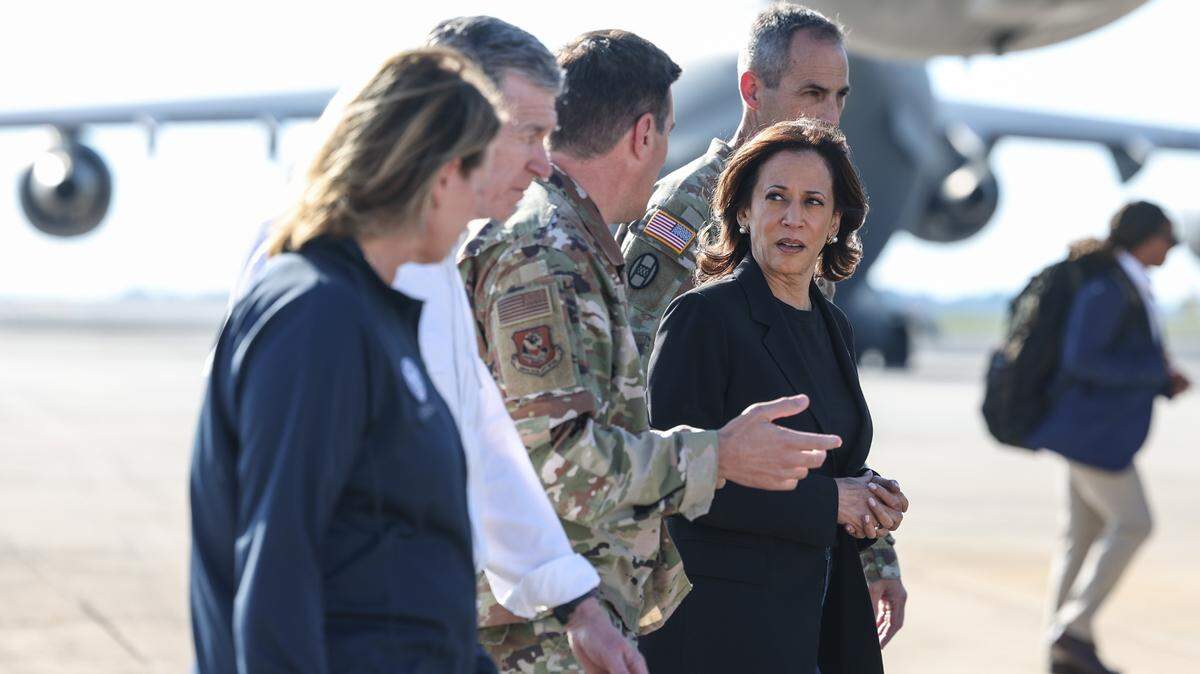
Before Hurricane Helene struck North Carolina, Cooper activated the National Guard. After the hurricane crippled the region, President Joe Biden, at Cooper’s request, ordered active-military to report to Western North Carolina to assist. Some 1,500 Army troops are now in the region, according to the N.C. National Guard.
Search and rescue teams, utility crews and highway construction teams from around the country have been helping with the recovery effort. Auxiliary law enforcement has been provided by the U.S. Border Patrol and the U.S. Bureau of Alcohol, Tobacco, Firearms and Explosives.
The state has also been coordinating and assisting with the collection of both monetary and volunteer donations.
On Thursday, Rep. Kathy Manning helped lead a group of 64 Democrats in Washington to call on House Speaker Mike Johnson to bring Congress back before the end of their October recess to pass additional disaster relief funding.
Rumors that donations and volunteers were being turned away aren’t accurate either. People faced roadblocks for safety reasons and needed to be rerouted to safer areas. (See below.)
Rumor: 163 school-age children were missing in Mitchell County.
Facts: Let’s start with the most updated news. “We have accounted for every child,” Mitchell County School board chair Brandon Pitman said during a phone interview Friday. Pitman clarified that “accounted for” did not mean no students were harmed when then-Tropical Storm Helene swept through Western North Carolina two weeks ago.
Mitchell County is a rural, mountainous area, part way between Asheville and Boone. Home to Spruce Pine and the county seat of Bakersville, it was significantly damaged by Helene flooding and rainfall. This year, Mitchell County Schools has 3,410 students enrolled.
Information that 163 school-age children were missing in Mitchell originated in a TikTok post from Michael Harbaugh, a Dayton, Ohio, resident who is running for Congress as an independent. In his video, Harbaugh interviews Kira Crisco of the Outdoor Wellness League, a North Carolina-based environmental education nonprofit.
“Landslides took out whole gatherings of homes,” Crisco said. “The lady here was actually just telling me that they have 163 kids in the school system that are still unaccounted for.”
On Oct. 9, the X account @GardensR4Health posted Harbaugh’s video, which has been reshared more than 11,000 times. Others have posted the video on Facebook and Instagram.
Pitman said Mitchell County Schools leaders did make a missing students list, though they couldn’t start immediately.
“Right before the storm hit us, we lost all communication,” he said. “All cell phones went down. Landlines. It was a few days before our teachers were able to get in, to start compiling a list.”
Mitchell educators then began contacting unaccounted for students. When internet service came back up, they checked social media accounts to see if students were safe, Pitman explained. Staff also went door to door for house visits.
“Just until probably last weekend, we didn’t really know exactly who was missing, who wasn’t missing,” he said. “So that’s probably where that rumor came from, because it took us some time to try to figure out who we could put on a missing list, and who would not be on a missing list.”
Mitchell County public schools have been closed since the storm.
Pitman wasn’t sure whether the district’s list of unaccounted for students was ever exactly 163 students. And the children the school district hadn’t accounted for weren’t necessarily missing to their family and friends (In Harbaugh’s original video, Crisco used the word “unaccounted,” but subsequent social media posts referred to the Mitchell children as “missing.”)
A certain number of children in Mitchell County, until quite recently, were in fact on a missing students list. On Thursday, Harbaugh posted an update on TikTok. Speaking in front of Harris Middle School in Spruce Pine, he said he spoke to a teacher who said the district had accounted for virtually every student.
Rumor: 1,000 bodies remain unidentified in Asheville
Facts: That claim and other social media rumors are false, Buncombe County spokeswoman Lillian Govus said. The rumors are hurting the emergency response to the Helene disaster in Western North Carolina, she said.
“1,000 unidentified bodies” at the Asheville hospital, the rumor claimed. “Buzzards everywhere.”
“And those hurt, because ... we have to redivert resources and make sure that our emergency personnel check that off the list,” Govus said. “And it may be the fourth time that we’ve done that.
“... It takes away time and resources from us being able to do those critical lifesaving maneuvers in our community,” she said.
“So,” Govus said, “I would ask that if you are so compelled to share information on social media, that those sources be from the county, the city of Asheville, the agencies that are supporting us at the federal level, at the state level with North Carolina Emergency Services, and verified individuals.”
Rumor: The government created the hurricanes that have hit the Southeast to suppress voting.
Facts: Scientists at the University of North Carolina and the National Oceanic and Atmospheric Administration say it is not possible to generate the energy required to artificially create a hurricane.
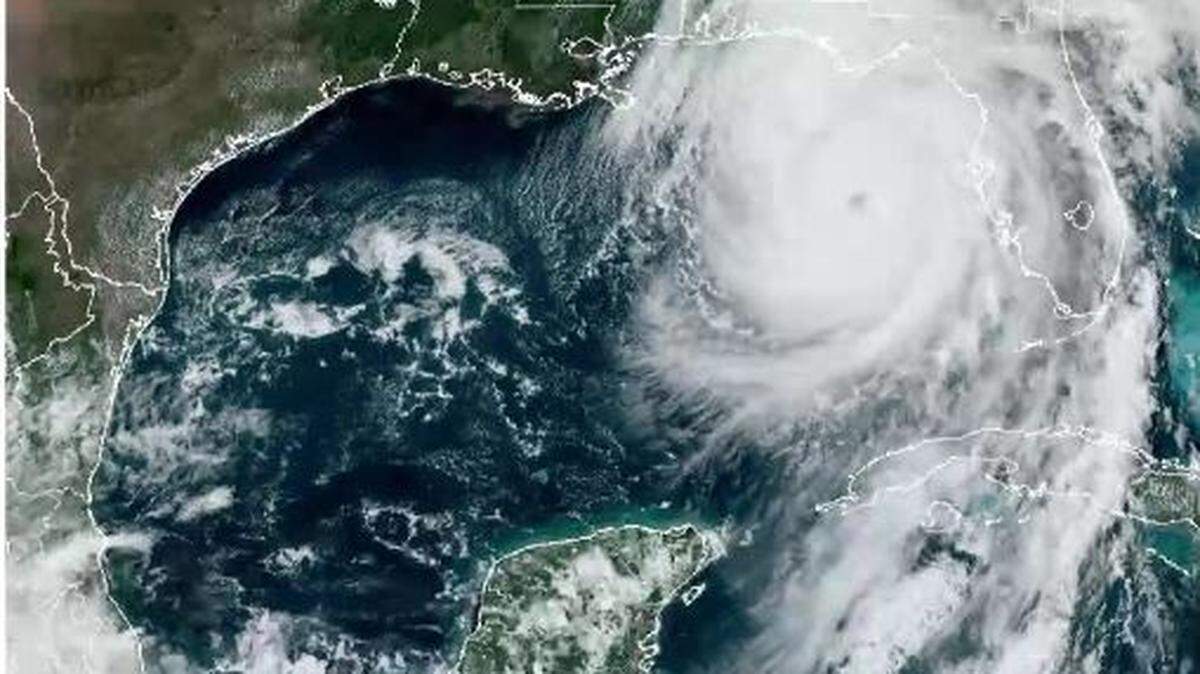
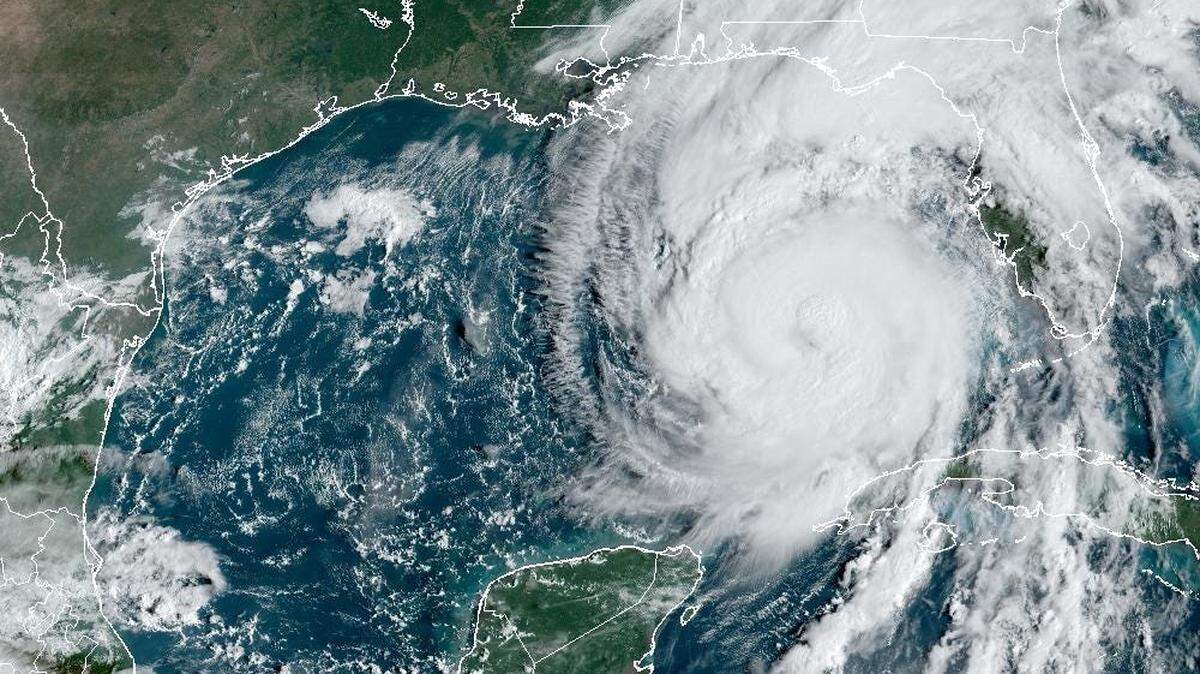
NASA says Hurricane Helene began as a thunderstorm in the western Caribbean first observed on Sept. 23 around 1,500 miles from North Carolina. The National Hurricane Center tracked the entire path of the storm. When it made landfall on Sept. 26, tropical storm-force winds extended more than 300 miles from the center of the storm, roughly the distance from Raleigh to Cherokee. NOAA’s research division says no weather modification technology could produce or steer such a storm.
Small scale cloud seeding has been used in attempts to induce rainfall over small geographic areas, with mixed results.
Read the full explanation here.
A companion rumor, that the government has held a patent on a process to control weather since 1948, is not true. The U.S. Patent Office granted a patent in 1948 to Harvey M. Branau, a man from Wilton, Wisconsin, titled “Process for Controlling Weather.” That patent application, however, describes a process for dissipating existing clouds and fog to keep weather clear around airports. It says nothing about generating storms. The patent expired in 1968. Branau was granted a second patent, in 1956, titled “Process for Weather Control,” which also focuses on ways to dissipate clouds. That patent expired in 1973.
Rumor: Your previous W-2 form can keep you from receiving the $750 initial FEMA assistance.
Facts: FEMA does not consider income when evaluating applications for assistance.
To help people quickly obtain essentials like food, water or baby formula, FEMA will provide $750 in assistance, also known as Serious Needs Assistance, upon an individual’s initial filing for federal relief.
Beyond these initial emergency funds, FEMA has already given out over $60 million to address property loss in North Carolina alone, FEMA Administrator Deanne Criswell said.
The payment does not affect benefits from other federal programs and is not considered taxable income, FEMA said. Disaster assistance are grants and “do not have to be repaid.”
It’s also not the only form of assistance available to disaster survivors. Individuals whose homes are affected by the storm and who incur hotel costs during the recovery, for example, may be eligible for displacement assistance, Criswell said on Friday. “Many will be eligible for this,” she said. “It will just depend where they were during the storm when they incurred the cost. Those are things that we can help them with.”
Survivors can apply for other forms of longer-term assistance such as housing assistance or home repair.
To apply, visit disasterassistance.gov, download the FEMA App or call 1-(800) 621-3362.
Rumor: An unmarked helicopter damaged a supply area, possibly deliberately
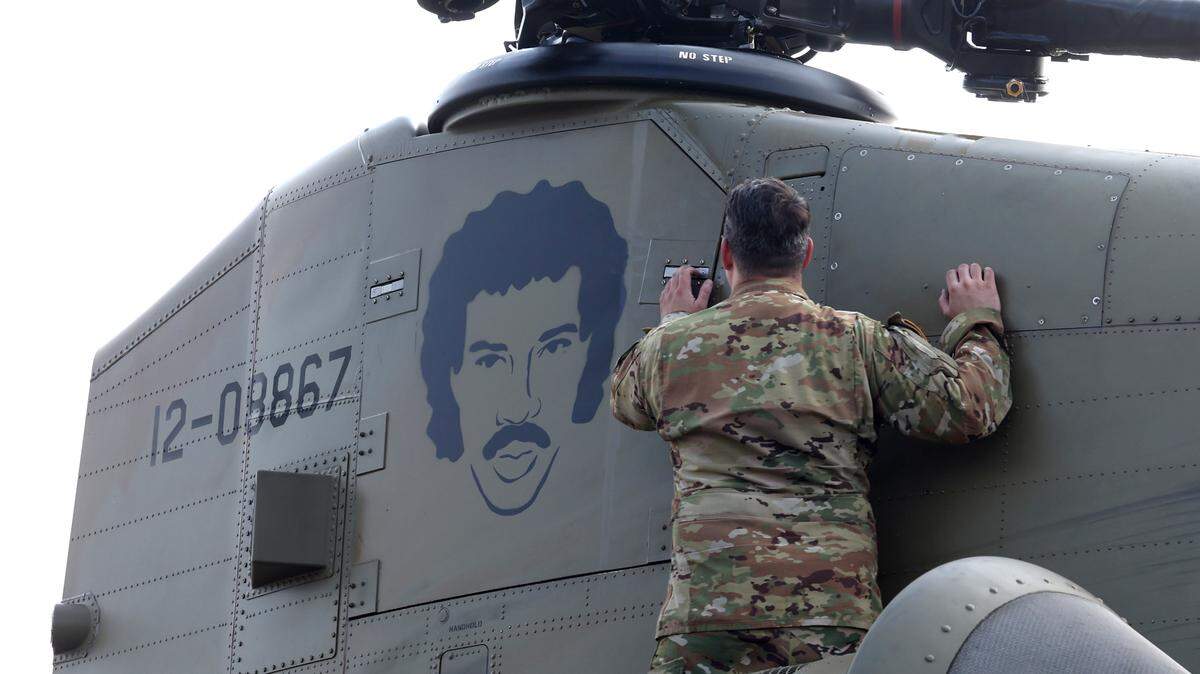
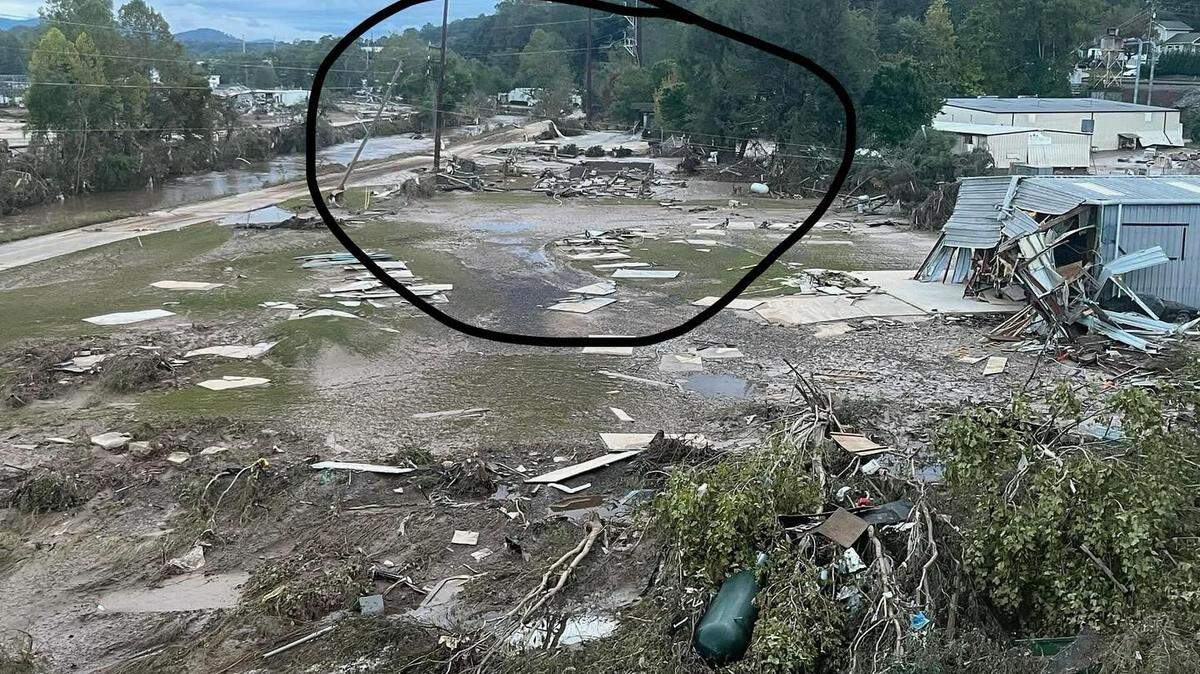
Facts: Sunday, video emerged of a UH-60 Black Hawk helicopter flying over a supply donation site near Burnsville, causing tents and supplies to fly around. In posts on X, the United Cajun Navy said the supplies damaged were at a distribution site they’d established.
The aircraft involved in the incident was a North Carolina helicopter, Maj. Gen. Todd Hunt, the adjutant general of North Carolina’s National Guard, said at a Wednesday press conference.
“I’ll take responsibility for it and we own it,” Hunt said.
The crew was trying to deliver a generator to the landing site, Hunt said, but upon approaching noticed there were too many people, tents and commodities near where they were trying to land.
“They pulled in power to take back off to go around in the helicopter and the rotor wash caused that damage,” Hunt said.
Rotor wash is a blast of downward air generated when rotor blades spin to generate lift on a helicopter.
NC National Guard officials are investigating the incident, and the flight crew has been grounded until that probe is complete.
“We are very sorry that happened,” Hunt said.
Hunt also said that while National Guard helicopters involved in the Helene response initially had no communication with people on the ground at landing sites, there is now “some communication,” particularly with emergency personnel.
Rumor: Cooper hasn’t called up National Guard
Facts: North Carolina Gov. Roy Cooper declared a state of emergency and activated the North Carolina National Guard before Helene reached the state on Sept. 25.
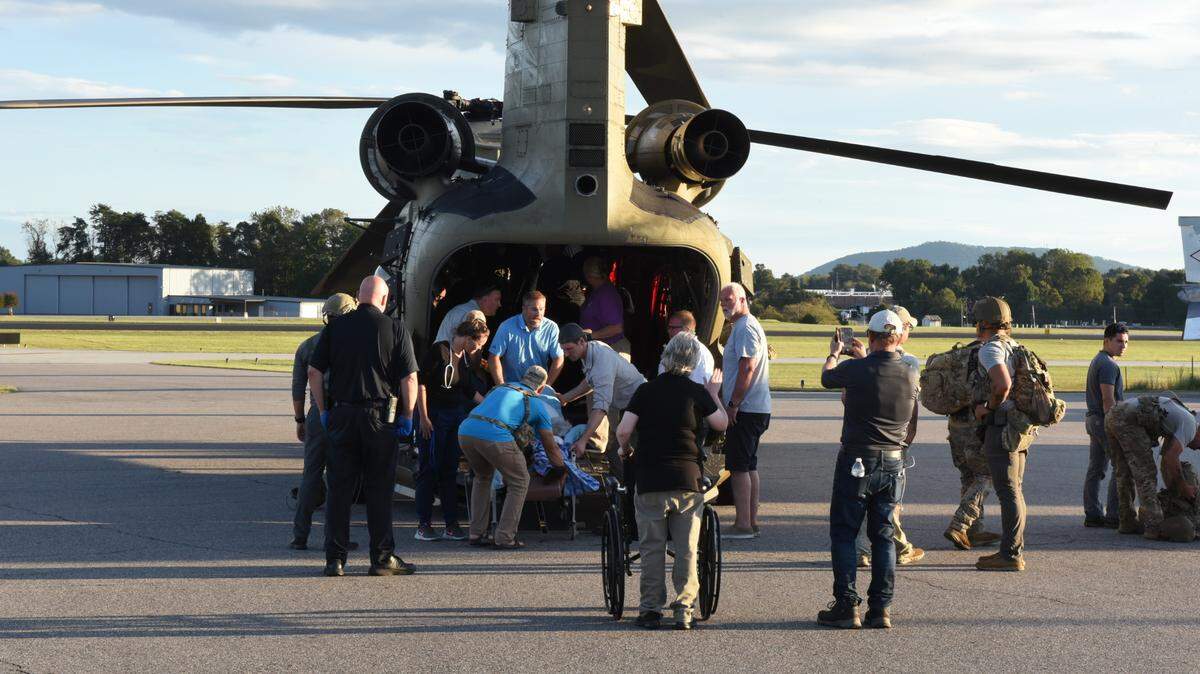
In the first few days after the storm, the National Guard reported conducting 16 missions and rescuing 119 people, including 41 in one mission to Buncombe County, and 11 pets. Multiple people, including a baby, were flown directly to hospitals for medical treatment, the N.C. National Guard reported.
On Oct. 9, state officials reported over 3,000 soldiers and airmen, including National Guard units from 12 different states and active-duty military from Fort Liberty and Fort Campbell, in the region.
The troops brought with them at least 40 helicopters and over 1,200 specialized vehicles and were helping local responders in a variety of ways, from search and rescue missions to food and relief delivery and cleanup efforts, state officials said.
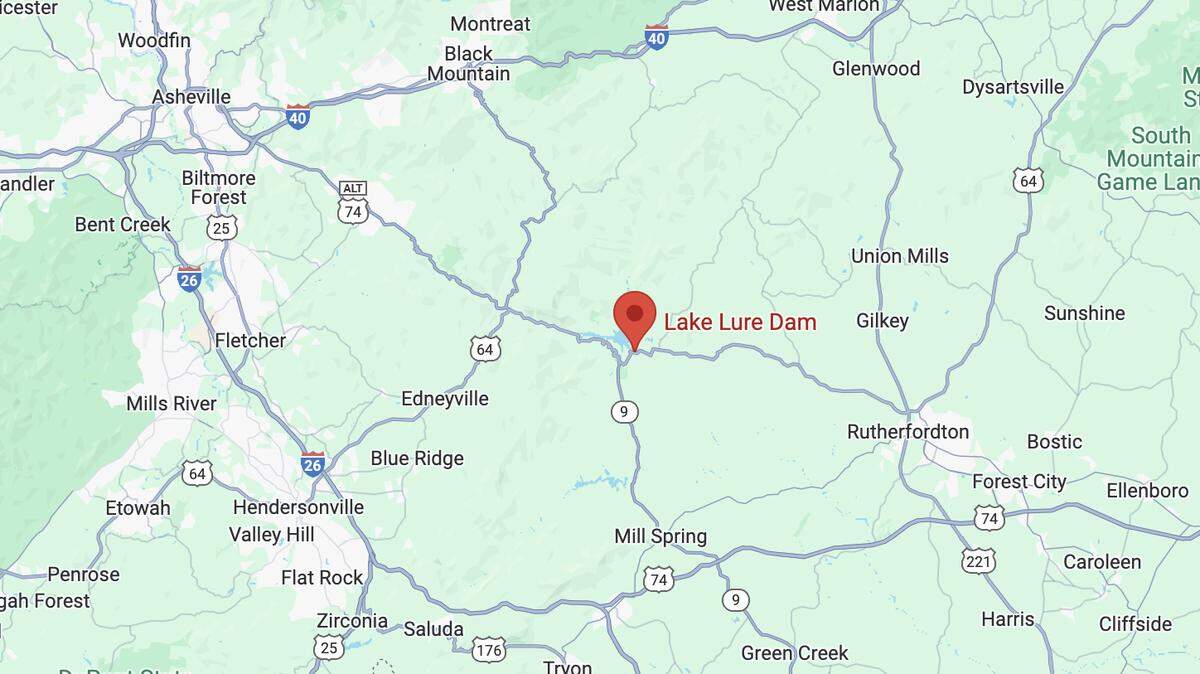
Rumor: The Lake Lure Dam burst
Facts: The Lake Lure Dam was damaged when Helene’s rains flooded the Broad River on Sept. 27, but is still standing and is structurally stable, town and state officials said.
The dam, built in 1926, sits on the Broad River, which flows from north of Bat Cave and Chimney Rock, N.C., to Lake Lure, where it shifts southeast toward South Carolina.
The state has designated Lake Lure a “high hazard” dam, which means a break could pose a large risk to people and property. In early 2024, town officials said they “are confident the dam is safe unless we experience a significant (10,000 year) earthquake or rainfall in excess of 30 inches of rain in a 24 hour period.”
On Sept. 27, the dam overflowed after over 18 inches of rain fell across northwestern Rutherford County before and during Helene, according to the N.C. State Climate Office.
Residents downstream were evacuated as the water level neared 992 feet, just a half-inch shy of the level at which the dam spills over the 124-foot-tall dam. But the dam held, and within a few days, the water receded enough that an engineer could check the structure.
Despite erosion on both sides of the support abutments, the dam was found to be stable, according to Josh Kastrinsky, spokesman for the NC Department of Environmental Quality.
The town is working with contractors, the National Guard and the state Department of Natural Resources to make repairs and remove debris from the lake, town spokeswoman Laura Krejci said in an update. A hazmat boom will be installed on Oct. 10 to soak up oil and other hazardous chemicals, she said.
A wastewater treatment plant at the bottom of the dam, which was also flooded, is being repaired, and a temporary lift station being installed until the damaged station can be replaced.
The town is in the midst of a 10-year plan to build a replacement dam 100 yards downstream that meets modern safety requirements, with $16.5 million in state funding and $238,070 in FEMA grants, with plans to apply for more, according to town documents.
Rumor: OSHA fined an Asheville fire department for capacity violations related to donations
Facts: The federal Occupational Health and Safety Administration, or OSHA, has not been in contact with any fire departments in Asheville, according to Asheville Fire Department spokeswoman Kelley Klope.
A search of OSHA’s online inspections database also did not find any reported violations in Asheville or for a fire department in North Carolina between Sept. 27 and Oct. 10.
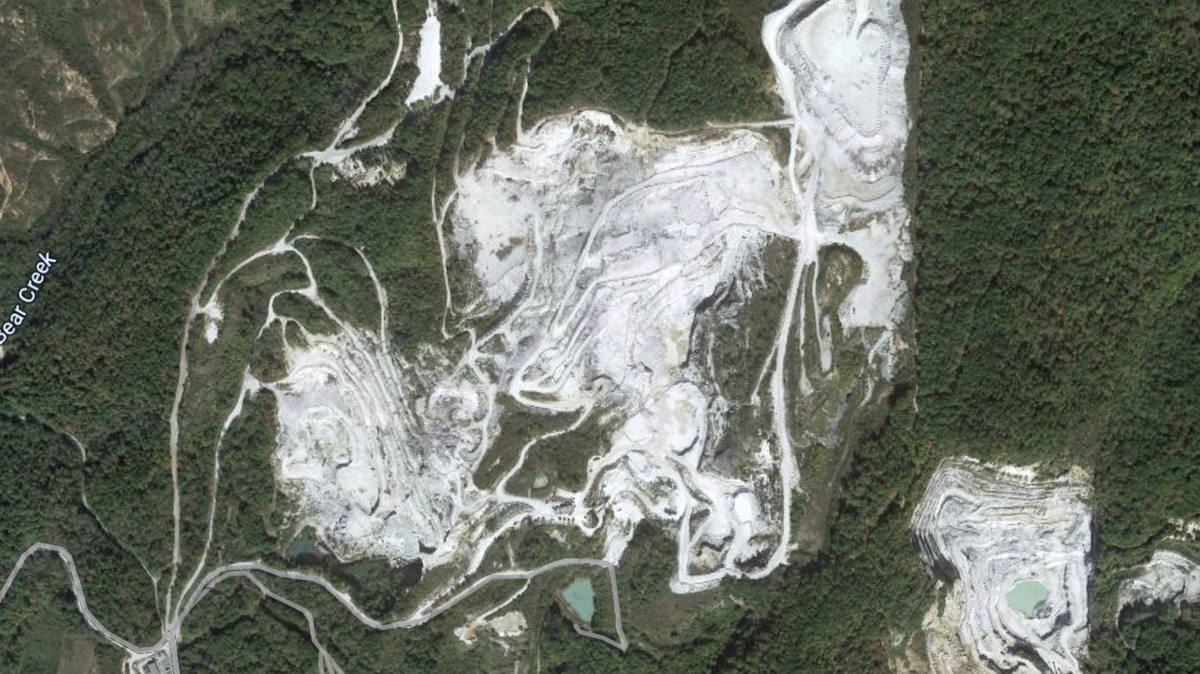
Rumor: The government is seizing land in Chimney Rock to get the critical metal lithium.
Facts: The government is not seizing land in Chimney Rock to obtain lithium.
On Oct. 8, Republican U.S. Rep. Chuck Edwards, who represents Western North Carolina, released a statement debunking several Hurricane Helene myths. His first fact-check focused on a prominent rumor about lithium and a small Rutherford County town that was devastated by the storm.
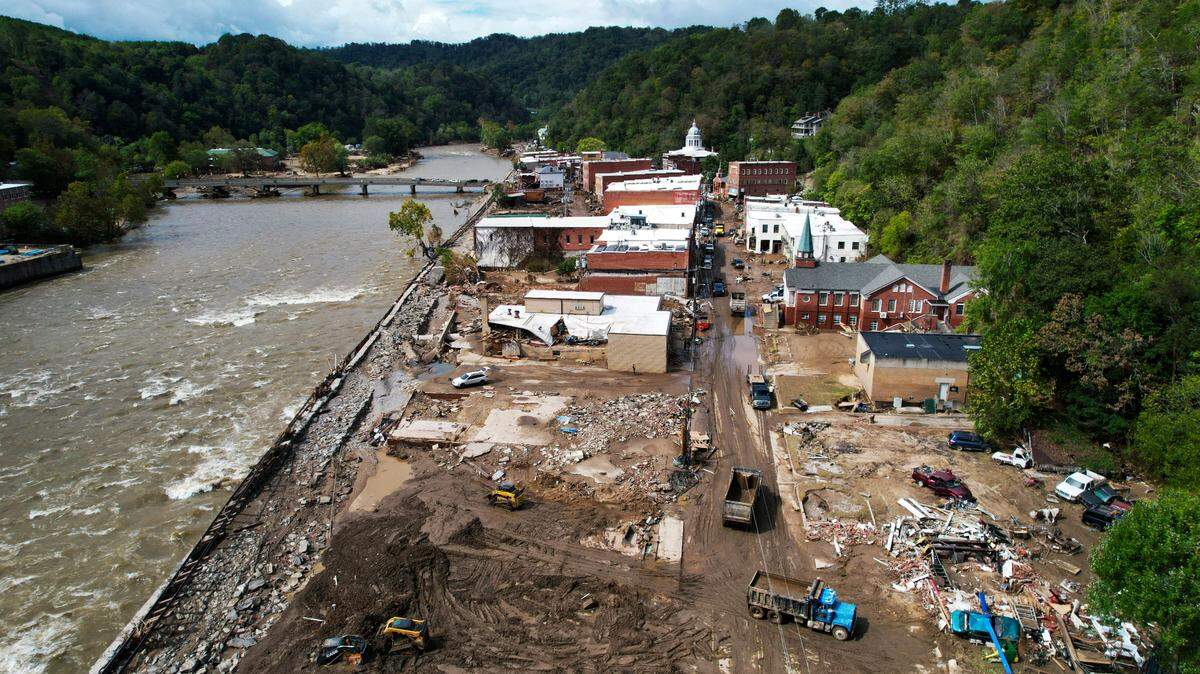
“Local officials have confirmed the government is NOT seizing Chimney Rock,” Edwards wrote. “There was no ‘special meeting’ held in Chimney Rock between federal, state or local governments about seizing the town.”
False news of lithium inspiring a government land grab spread in the aftermath of Hurricane Helene on X, Facebook, and TikTok. “Lithium, that’s why they’re doing it,” is how one person opens her TikTok video, which has since garnered 20,600 likes. Some of the posts referred to an Oct. 2 public meeting during which officials supposedly discussed seizing private property after rushing waters leveled most of Chimney Rock’s Main Street.
The next day, Rutherford County Emergency Management offered clarification on Facebook, stating, “These claims are entirely false.” The department said town officials had met with state, county, and federal leaders on Oct. 2 about coordinating support after Helene.
Lithium is not currently mined in North Carolina, but two companies want to start digging for it.
In 2015, a Charlotte-based resource company called Albemarle purchased a former lithium mine about 30 mile west of Charlotte in the small city of Kings Mountain. Albemarle currently operates the only active U.S. lithium mine, in Silver Peak, Nevada, but the dormant Kings Mountain mine could eclipse Silver Peak’s output by a factor of 10.
A different Charlotte-area lithium company, Piedmont Lithium, is lobbying to dig a brand new mine in Kings Mountain.
Lightweight with a high-voltage capacity, lithium is an ideal component in electric vehicle batteries. Lithium-ion batteries are also crucial to cell phones, laptops, cameras, toys, medical devices, and other electronics. In North Carolina, a series of forthcoming lithium projects has positioned the state as a key player in the emerging “EV battery belt” forming across the Southeast United States.
In late September, Albemarle submitted permits to the state and federal governments in its pursuit to restart the Kings Mountain mine (which is currently a 163-foot-deep lake). The company submitted these permits days before Helene passed over Western North Carolina, and some noted this chronology in posts about a Chimney Rock land grab.
More than 50 miles separate Chimney Rock and Kings Mountain.
As it tries to reopen the mine, Albemarle currently refines imported lithium at its Kings Mountain facility. In a statement to The News & Observer on Wednesday, the company said this plant “did sustain a period of power loss from Hurricane Helene; however the site facilities were not otherwise impacted.”
The site has since resumed normal operations, the company said.
Rumor: 200 people were found inside a church in Candler, NC, where they spent six days without food or water.
Facts: This is false.
Lillian Govus, spokeswoman for Buncombe County, confirmed to The News & Observer that this is false.
This widely circulated story comes from social media posts written by people outside of the area, some of them putting the total at 2,000 people and calling the Buncombe County unincorporated town “Chandler.” Many more from Candler itself have surfaced to debunk the story, noting it has gone unreported by every news outlet in the state, country and world.
This one from Sarah Reams on Facebook’s Hurricane Helene Safety Check-in page has gotten forwarded most often:
“I live in Candler, NC. The information in the post is not true. I have had cell service for most of the time and have been monitoring local and national news. There has been nothing reported about this. In addition, one of my friends has been doing search and rescue with local law enforcement and has not mentioned anything. ... Not to mention, I don’t think a church in Candler could hold that many people. Also, Candler is not that large, and it is definitely not a concentrated town.“
Rumor: FEMA is not responding to Swannanoa.
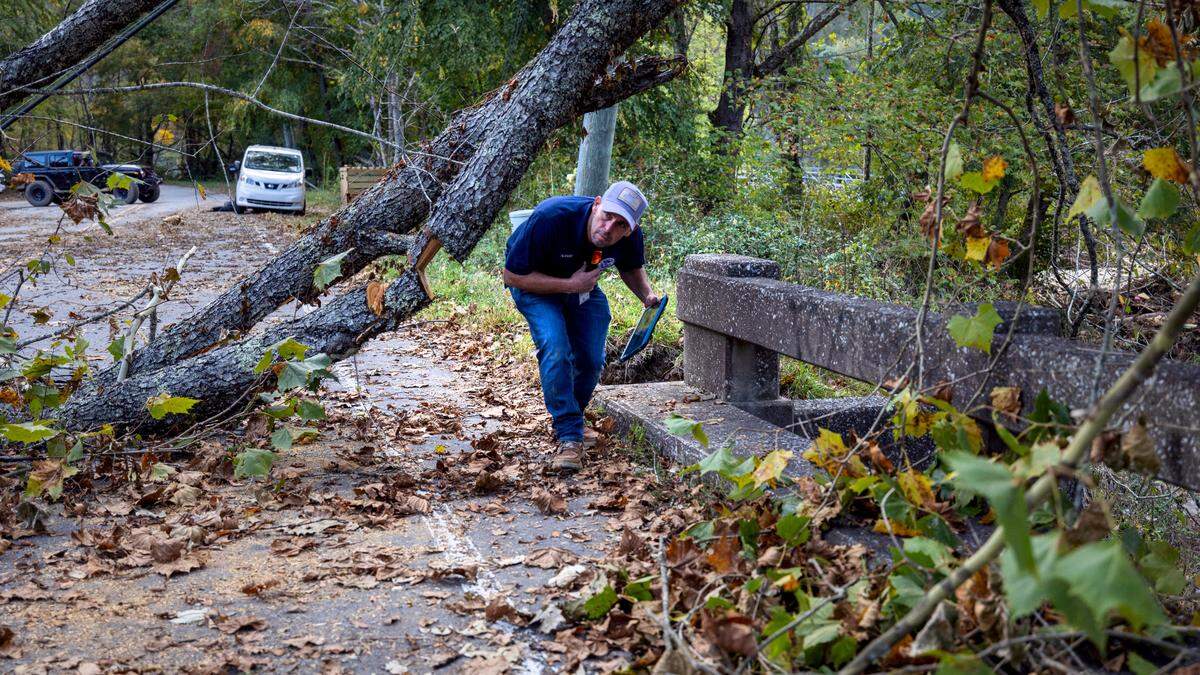
Fact: FEMA has sent more than 1,200 urban search-and-rescue personnel to Western North Carolina.
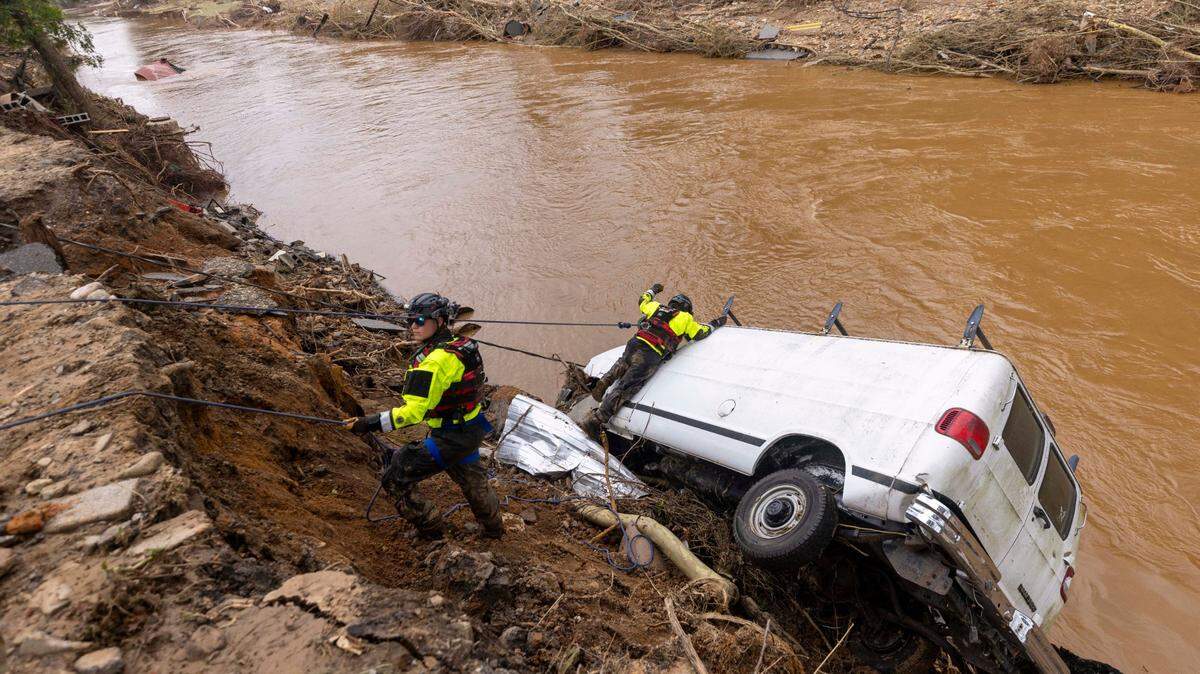
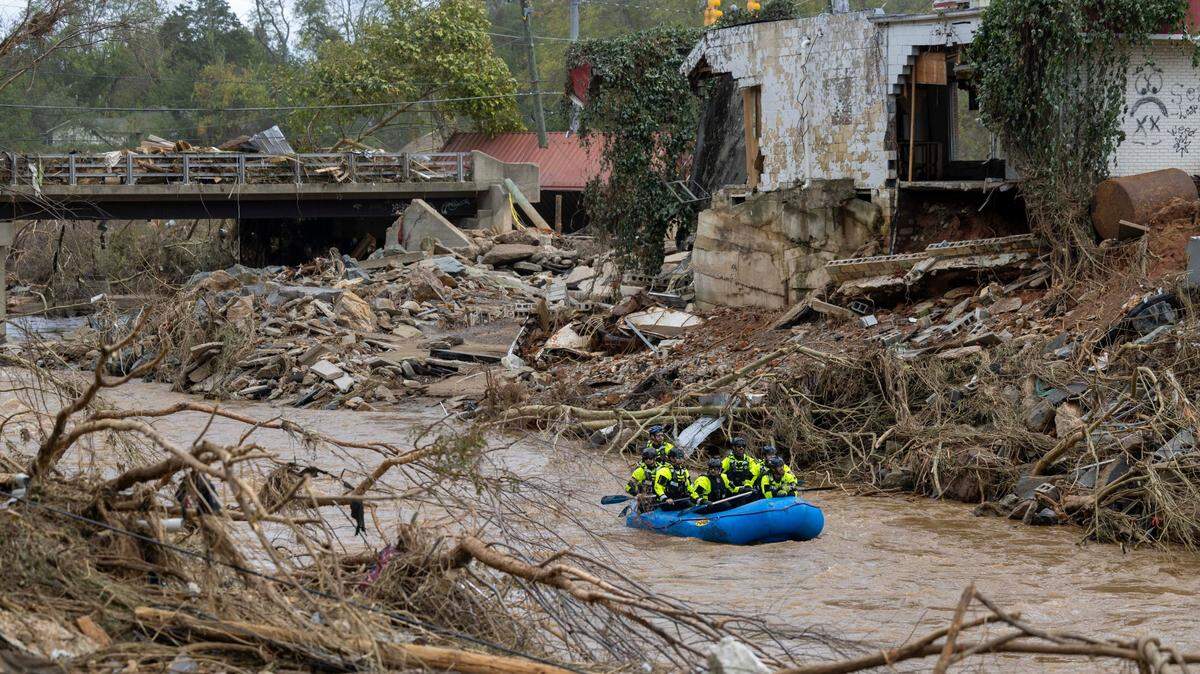
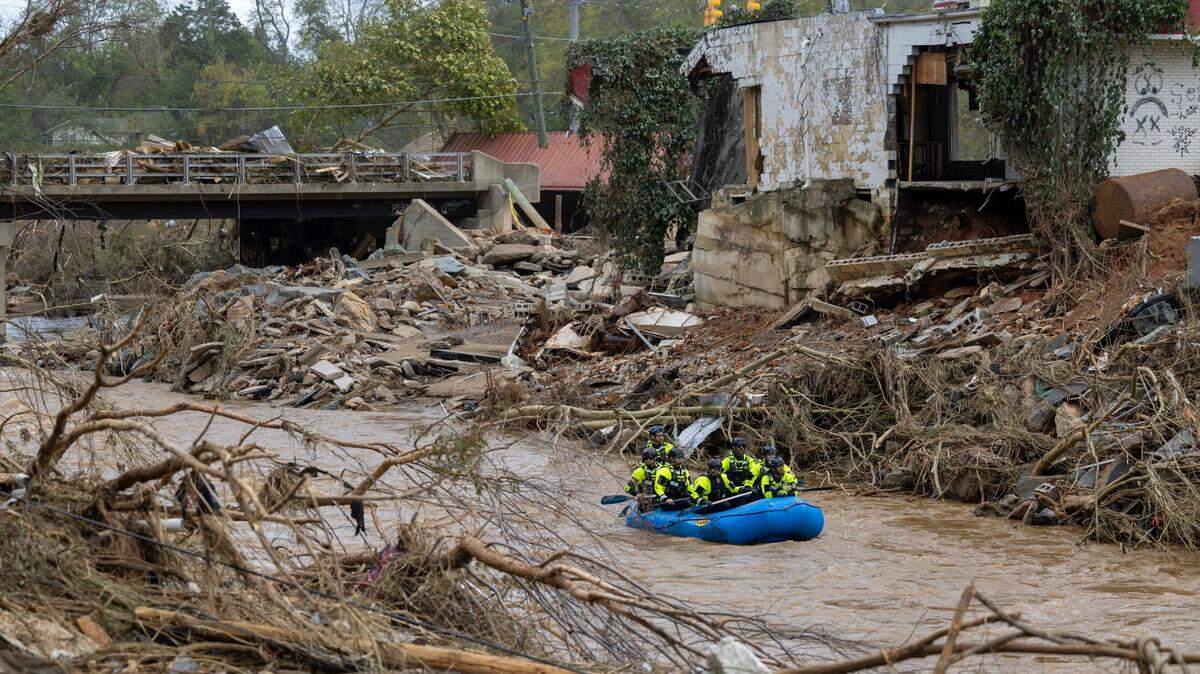
On Sunday, a FEMA task force was combing the Swannanoa River near the Whitson Avenue Bridge, searching for victims of the storm. They used excavators to pull cars from the water and search dogs to locate people beneath rubble.
Victims anywhere can apply for FEMA aid at DisasterAssistance.gov.
But many residents remain without power or internet access. FEMA Administrator Deanne Criswell traveled to Black Mountain, near Swannanoa, with Gov. Roy Cooper last week. On that trip, she said FEMA is sending survivor assistance teams into Black Mountain to register people offline, according to Black Mountain News.
Rumor: There are ‘bodies everywhere’ in Chimney Rock and the government has been seizing private property.
Facts: While the village of Chimney Rock was hit hard by the storm, Rutherford County government has confirmed just one storm-related death.
Rutherford County government said there have been no seizures of private property or discussions about seizing property involving the federal, state or local government. There was no “special meeting” on Oct. 2 about the government seizing the village.
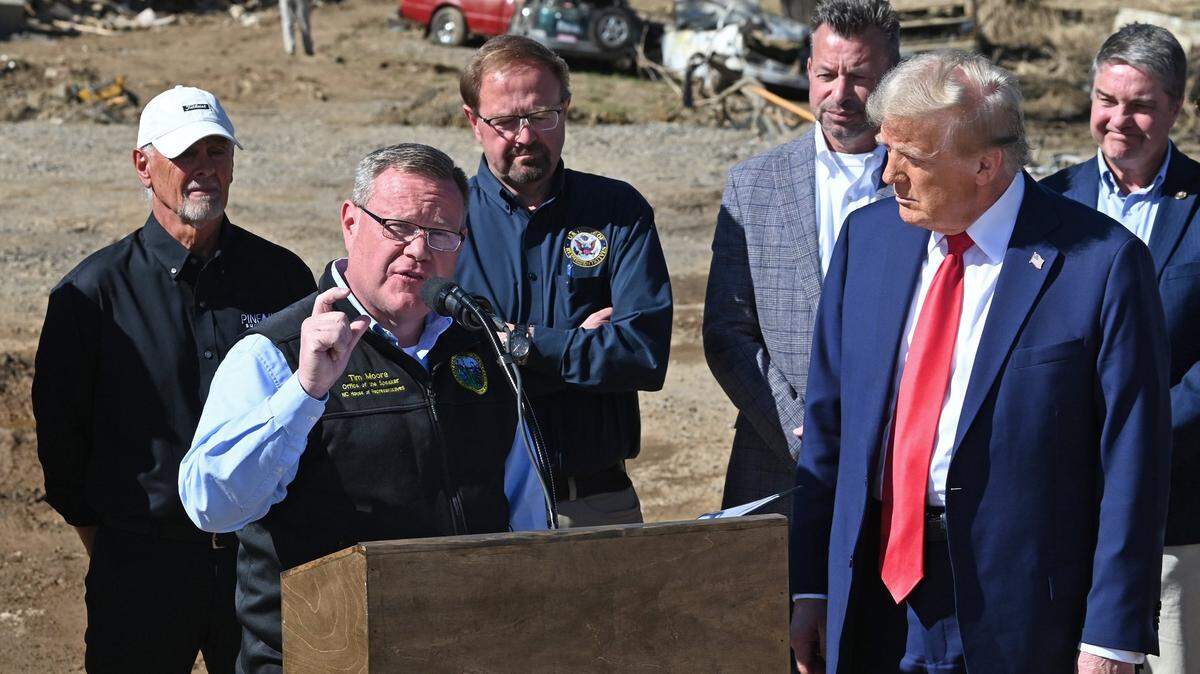
“Town of Lake Lure and Chimney Rock Village officials met with NC House Speaker Tim Moore, NC Senator Tim Moffitt, NC Rep Jake Johnson, Sheriff Aaron Ellenburg, County Commissioner Chair Bryan King, Emergency Mgt Director Frankie Hamrick, and representatives from our congressional delegation to offer them an opportunity to hear directly the impact to their individual municipalities and to request their support and advocacy for federal and state support,” the county said on Facebook.
The county is asking that would-be volunteers stay away from the village while contractors “clear roads and debris, a necessary first step to create safe conditions for any future volunteer efforts.”
Residents will be allowed to visit their properties “when it is safe” and will need proof of residency or ownership.
Rumor: FEMA assistance is taxable.
Facts: FEMA funds are not considered income and are not taxable. Applying for disaster relief will not affect eligibility for Social Security, Medicare, Medicaid, SNAP or any other federal and state benefits.
Assistance from FEMA is a grant and does not have to be repaid. It is not just for homeowners. Renters can receive help for lost personal property. FEMA can’t provide money for losses that are insured, however.
Rumor: Governments aren’t responding to the disaster.
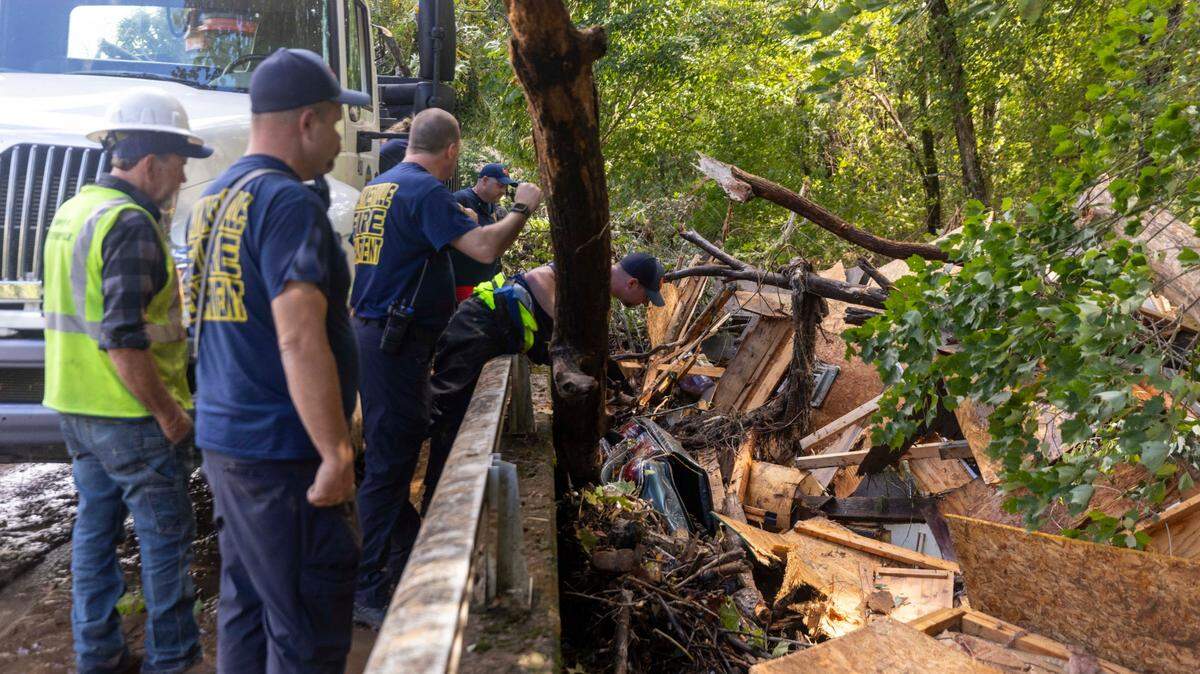
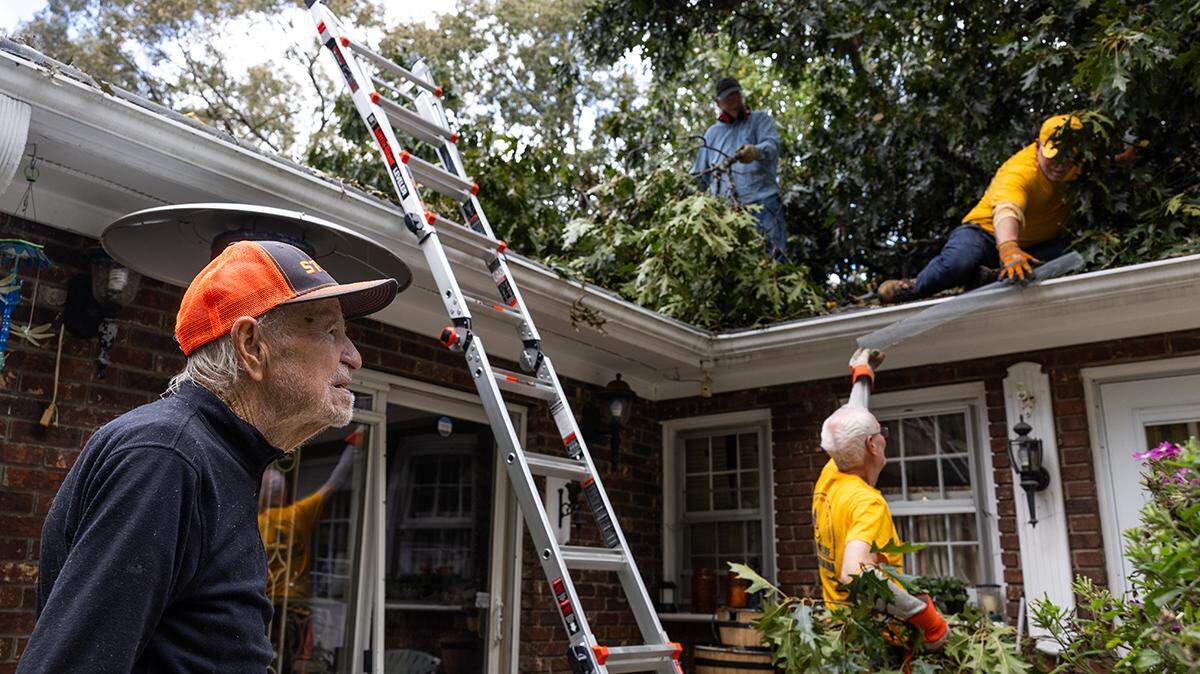
Facts: The N.C. State Emergency Response Team includes local, state, federal and military units; power and cell phone companies and other businesses; and volunteer organizations.
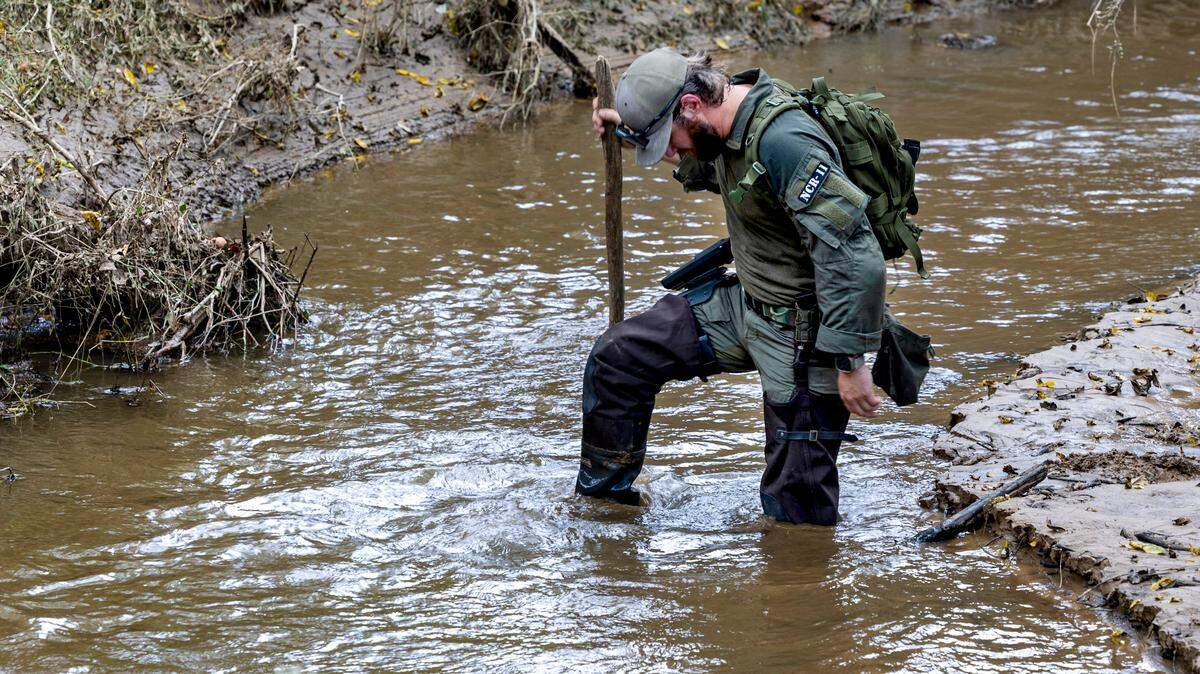
On Saturday, Mooresville Fire Chief Curt Deaton said his team alone has rescued 11 people and two animals in Ashe County and will remain there until it is safe for residents and their first responders.
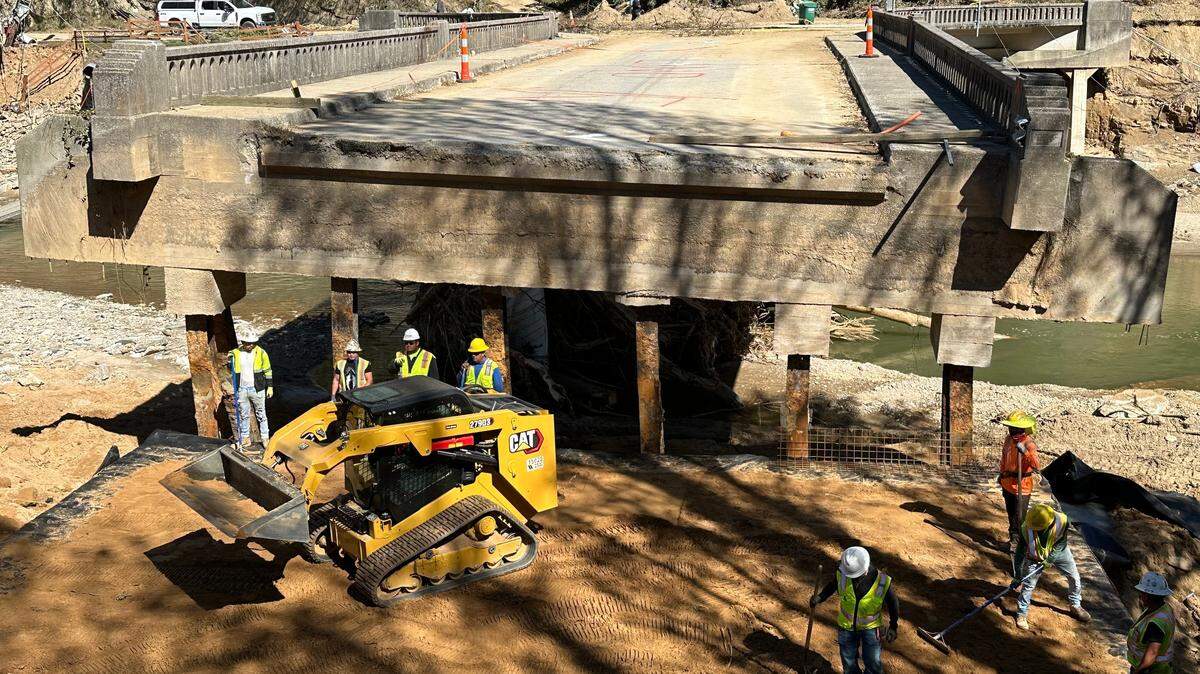
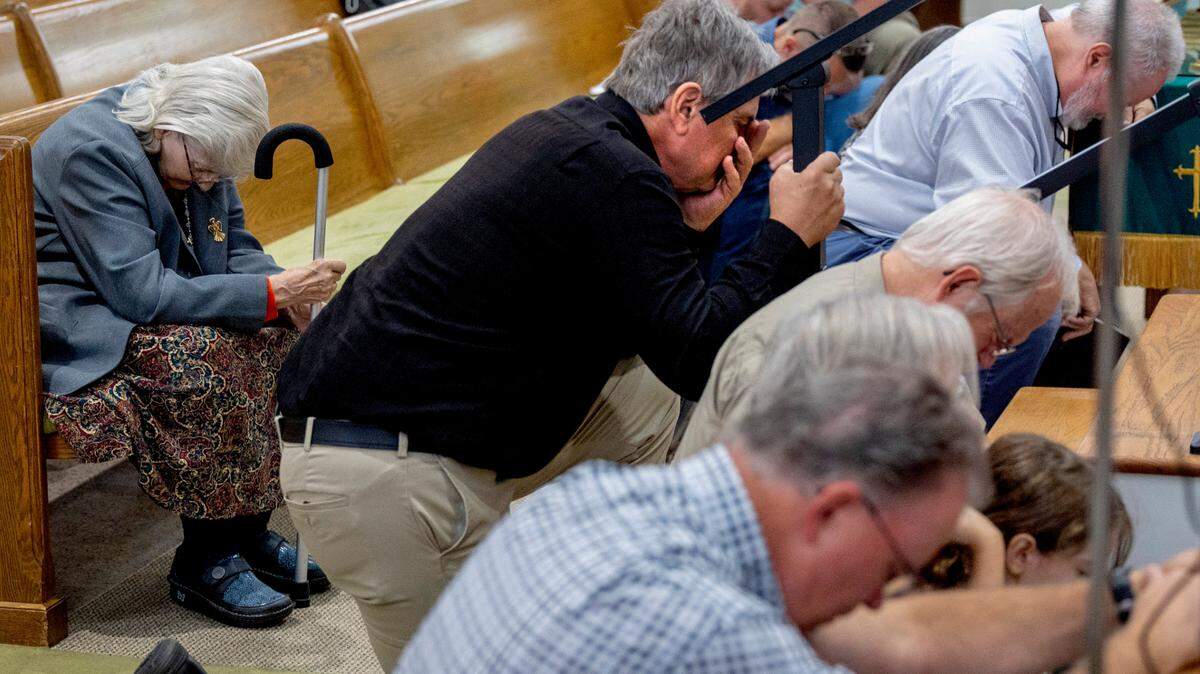
.JPG "RAL_100824-HELENE-TEL-002 (1).JPG")
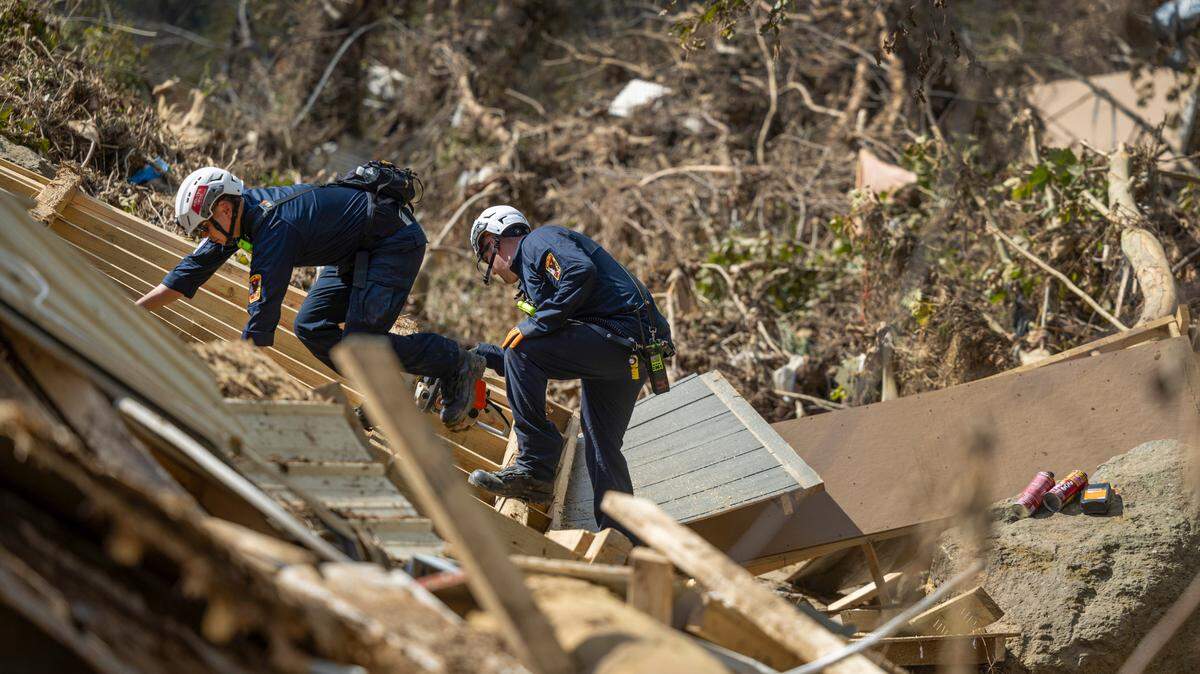
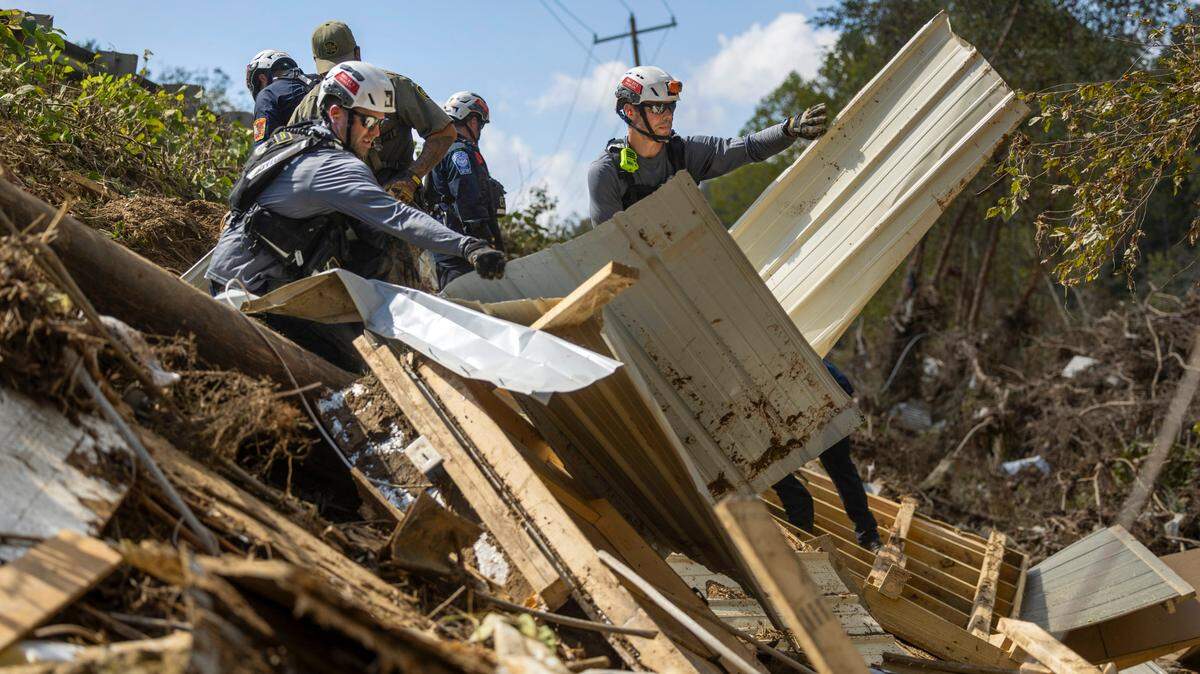
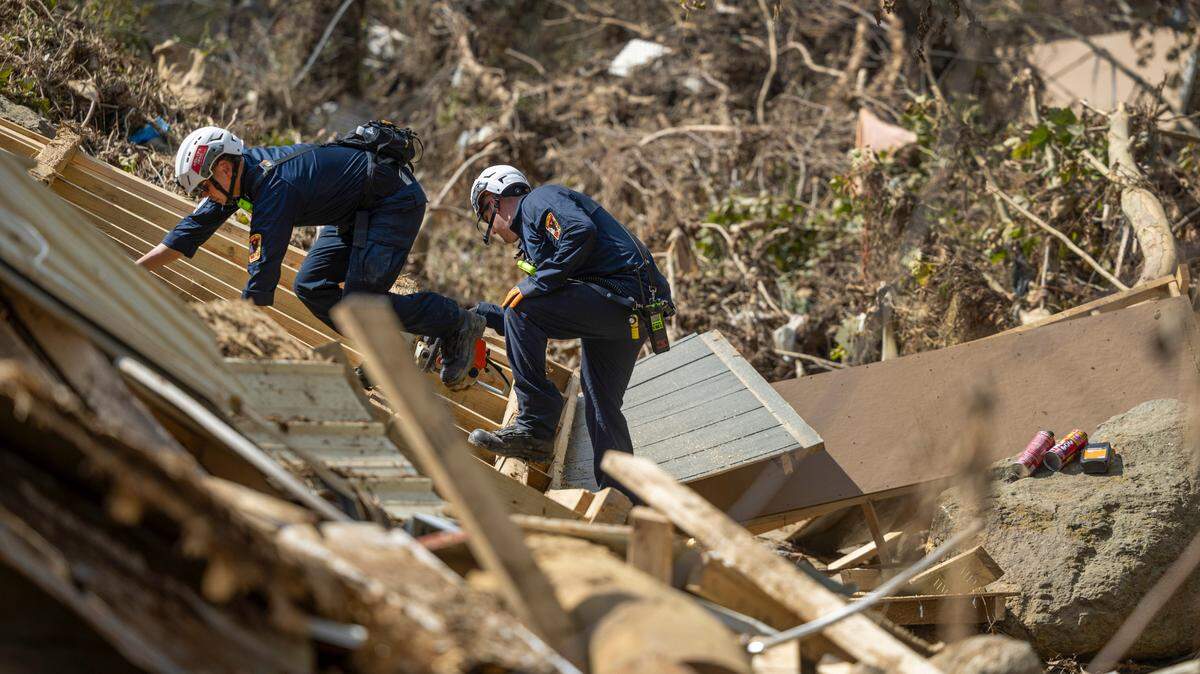
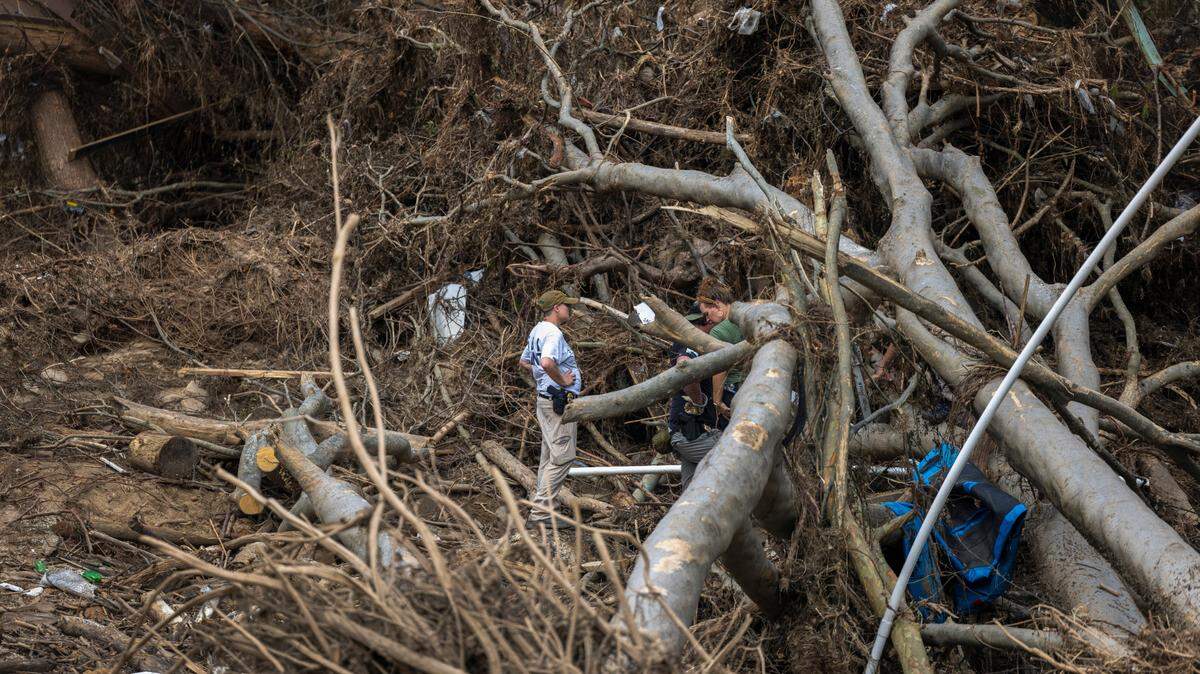
“This work is very strenuous,” Deaton said. “These men spend most of the time walking and climbing through dangerous debris piles, searching for any survivors or victims ... Some of our team, they’ve been there for 10 days straight now, working around the clock.”
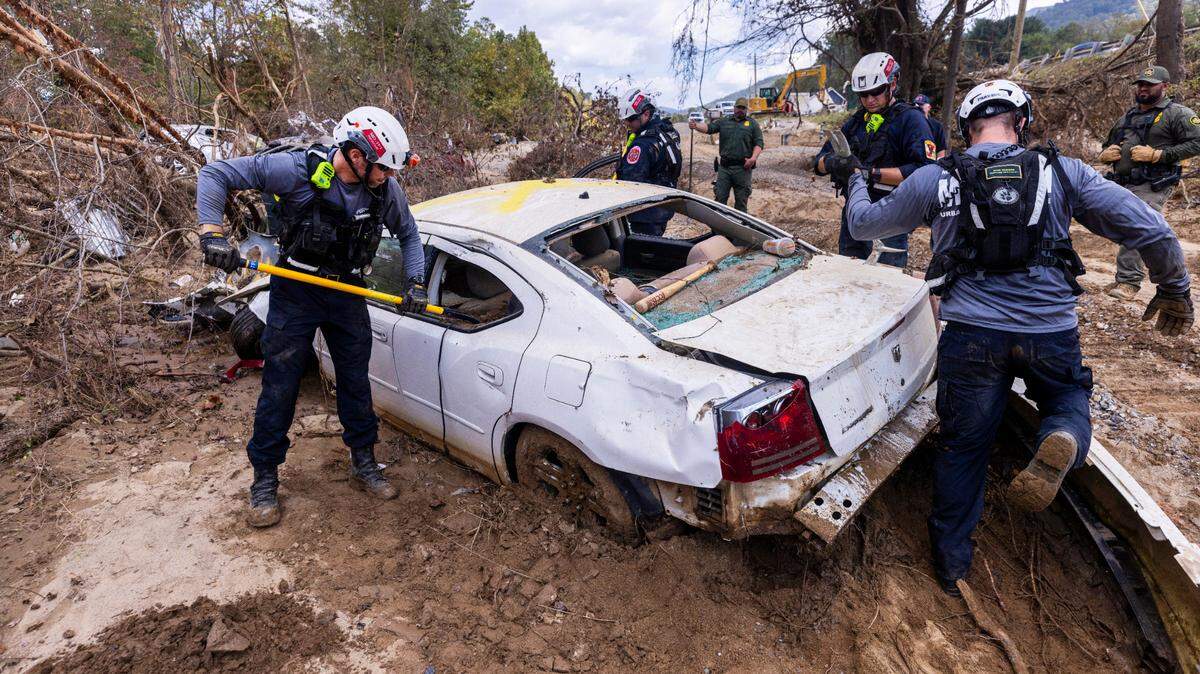
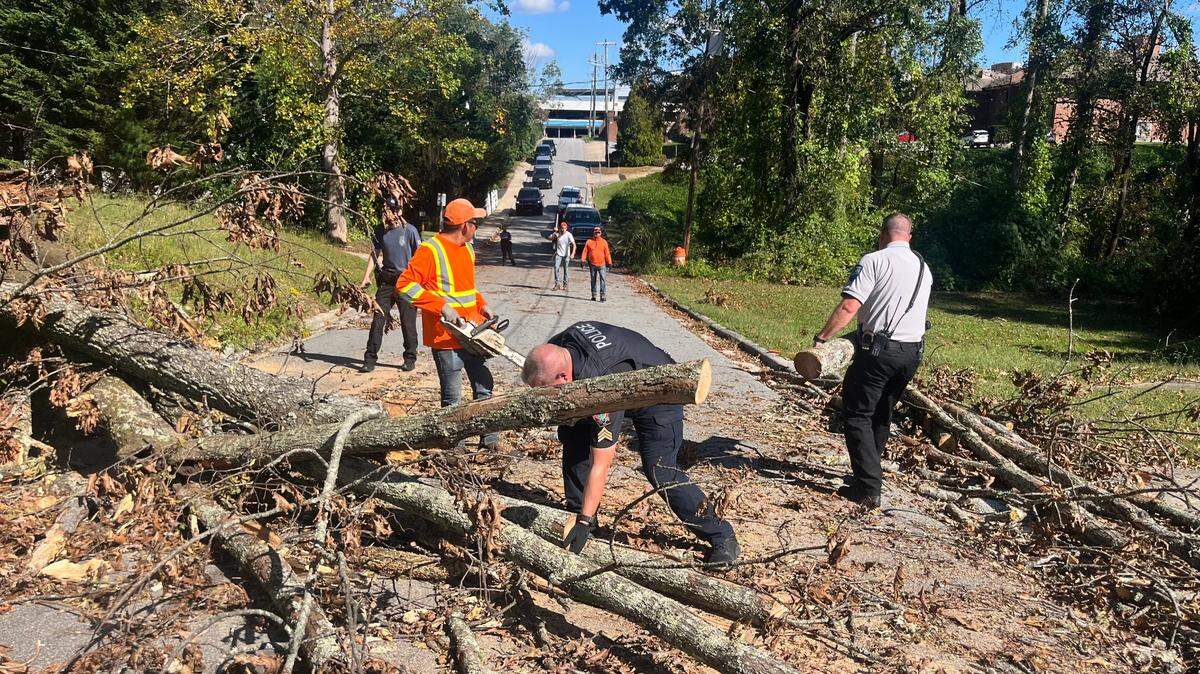
Sunday, reporters watched as a FEMA search and rescue team from Maryland scrambled over a fallen structure in Swannanoa, cutting layers of debris away with chainsaws because a human search team dog had indicated there may be remains there.
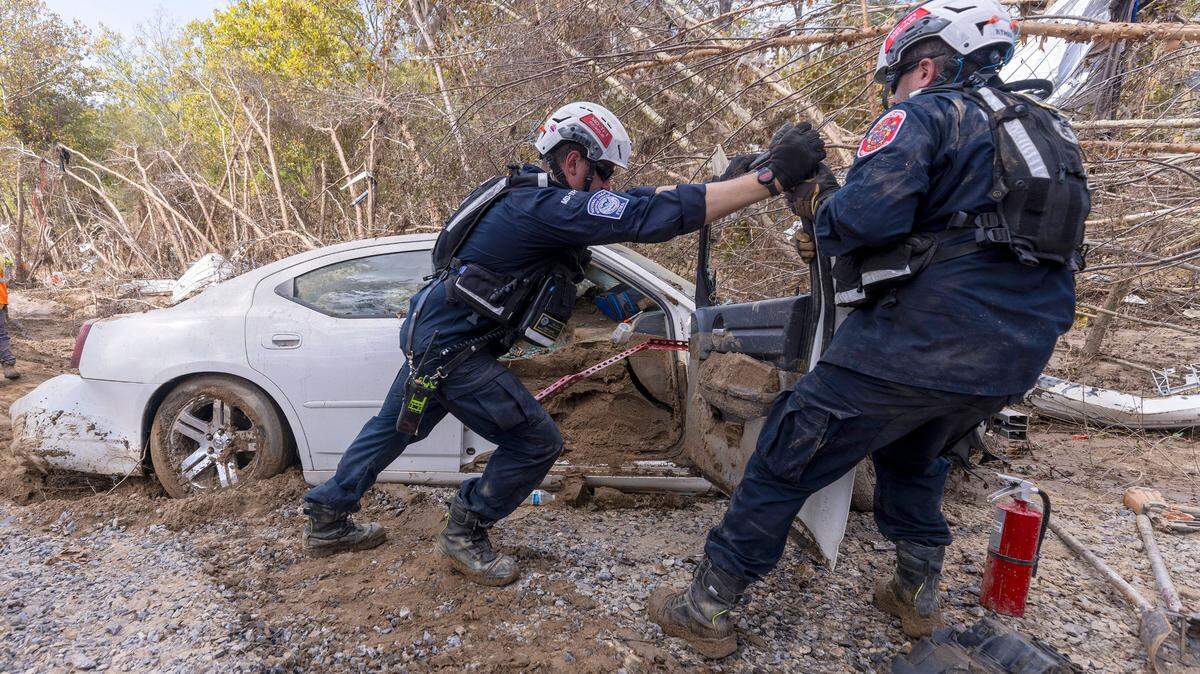
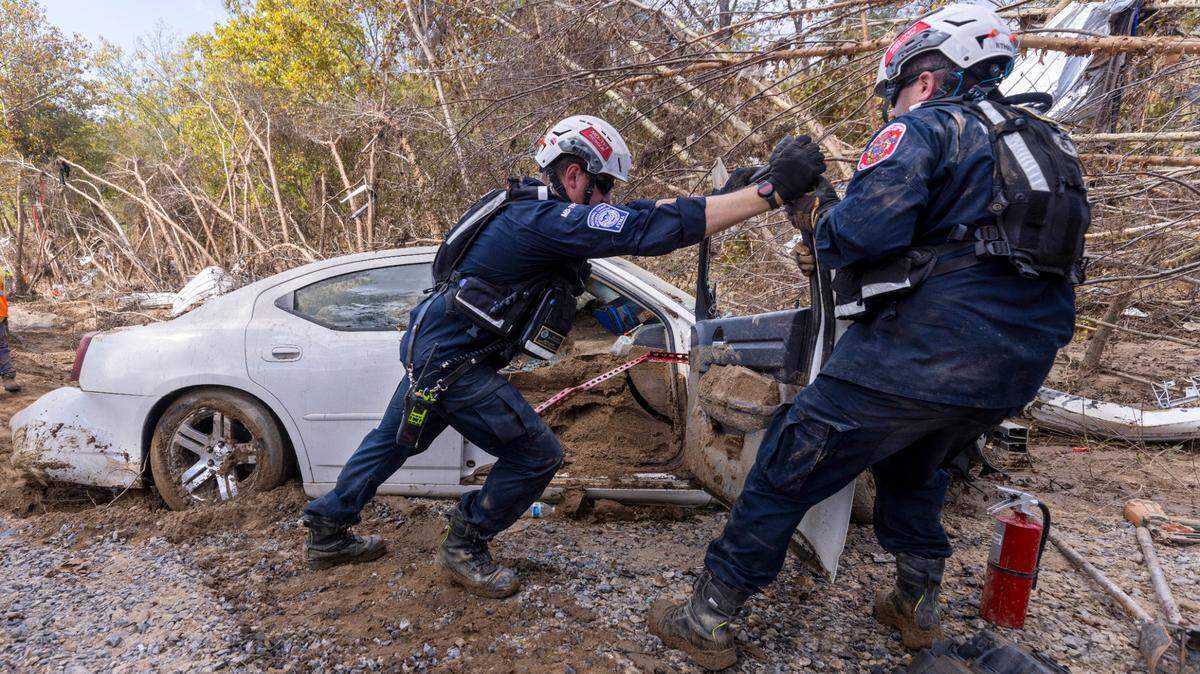
Just upstream, a construction worker using an excavator lifted a Dodge Charger out of the banks of the Swannanoa River. Members of the search and rescue team surrounded the car, smashing in windows and pulling off the door before shoveling thick layers of silt out of it. No one was in the car.
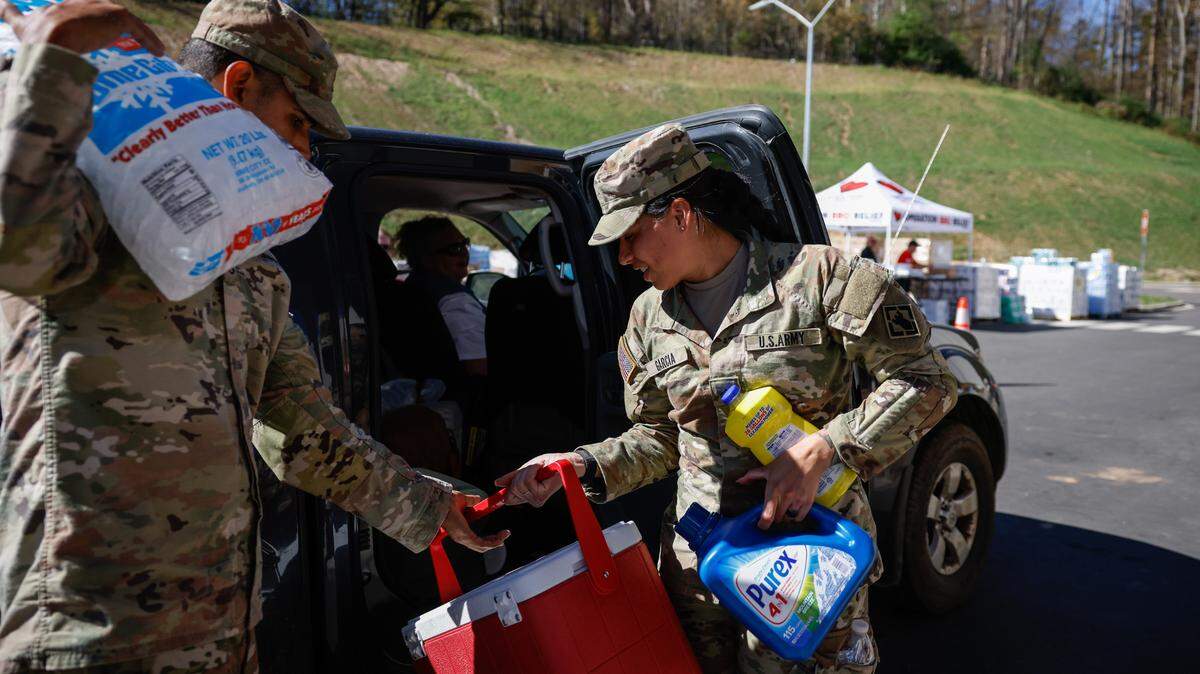
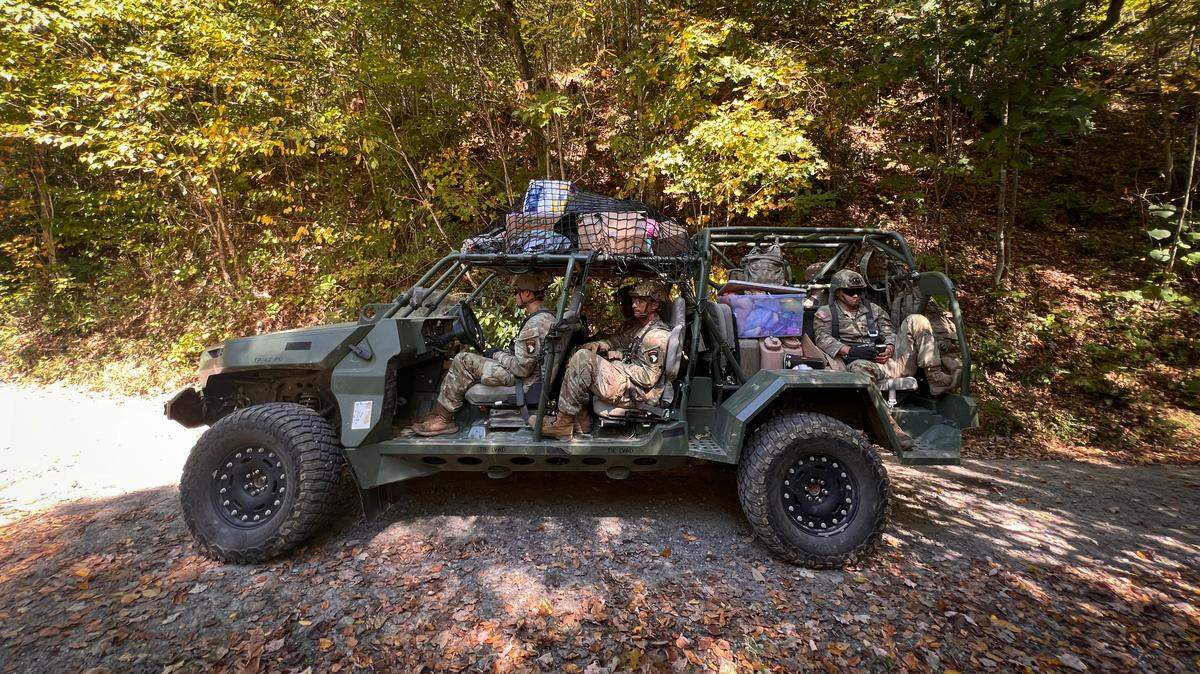
Also Sunday, the 18th Airborne Corps from Fort Liberty announced that the 1,000 troops requested last week had arrived in Western North Carolina, along with 500 Fort Liberty troops from the 1-502 Infantry Battalion and the 101st Airborne Division.
It said the military has identified “trafficable routes” for aid delivery in Swannanoa, Pleasant Grove, Old Fort, Spruce Pine, Bakersville, Fairview and Emerald City. Soldiers had begun distributing 2,800 meals and 4,500 bottles of water. The 82nd Combat Aviation Brigade on Saturday delivered more than 85,000 pounds of recovery supplies.
Urban search and rescue personnel organized by FEMA have been in the field across the western part of the state and thus far have rescued over 3,200 people, according to the White House.
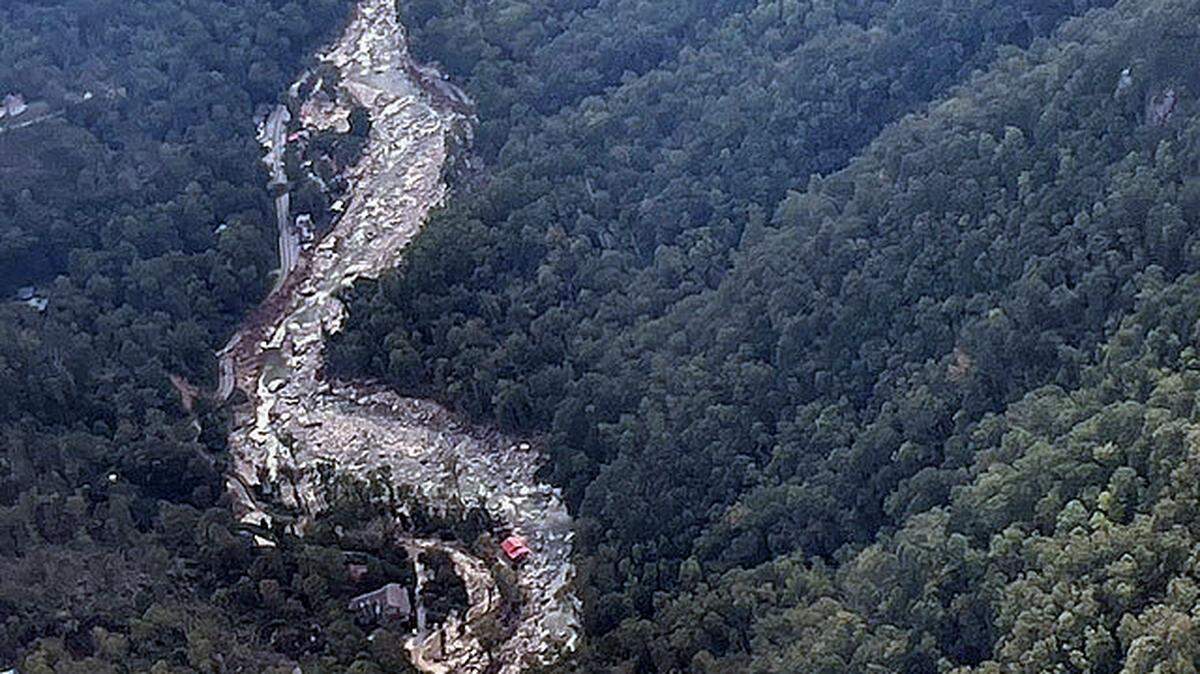
The National Oceanic and Atmospheric Administration has conducted 68 hours of flights to capture post-disaster imagery with a focus on Western North Carolina, helping local, state and federal officials to determine the extent of damage throughout the region and where to allocate resources.
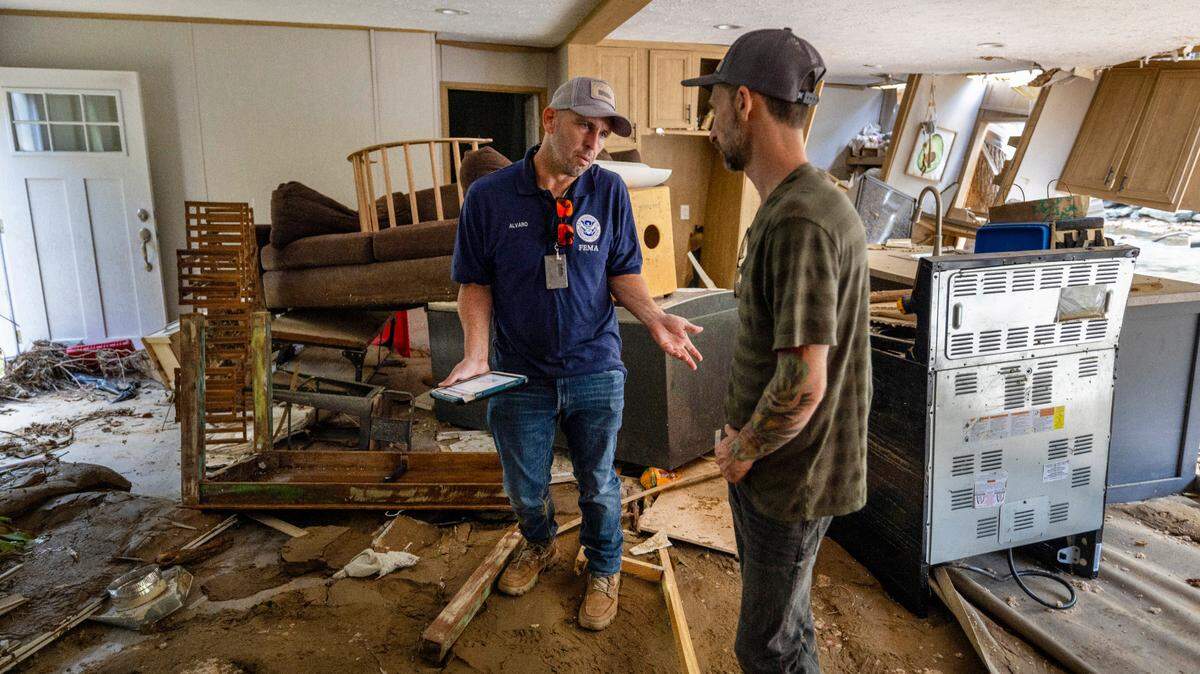
FEMA Disaster Survivor Assistance staff, including some of the agency’s most experienced leaders, are on the ground to help affected North Carolinians navigate their applications for federal assistance.
Overall, 10,000 federal staff are on the ground throughout the Southeast supporting relief efforts.
Rumor: Donations, volunteers turned away at checkpoints.
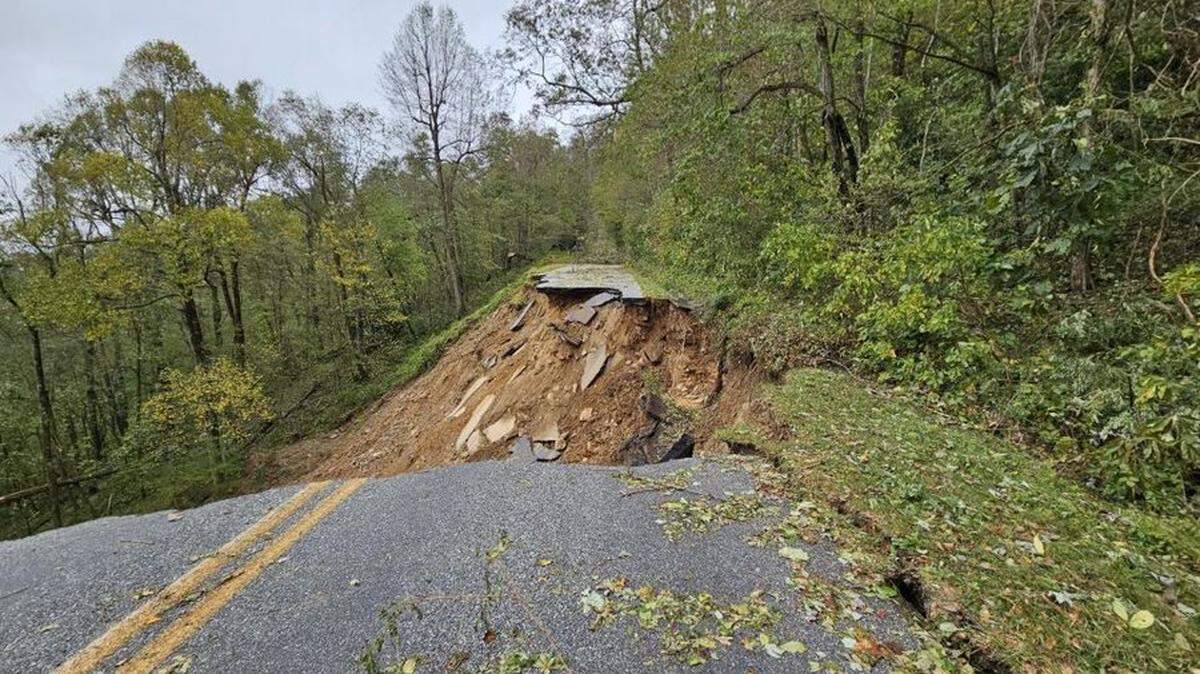
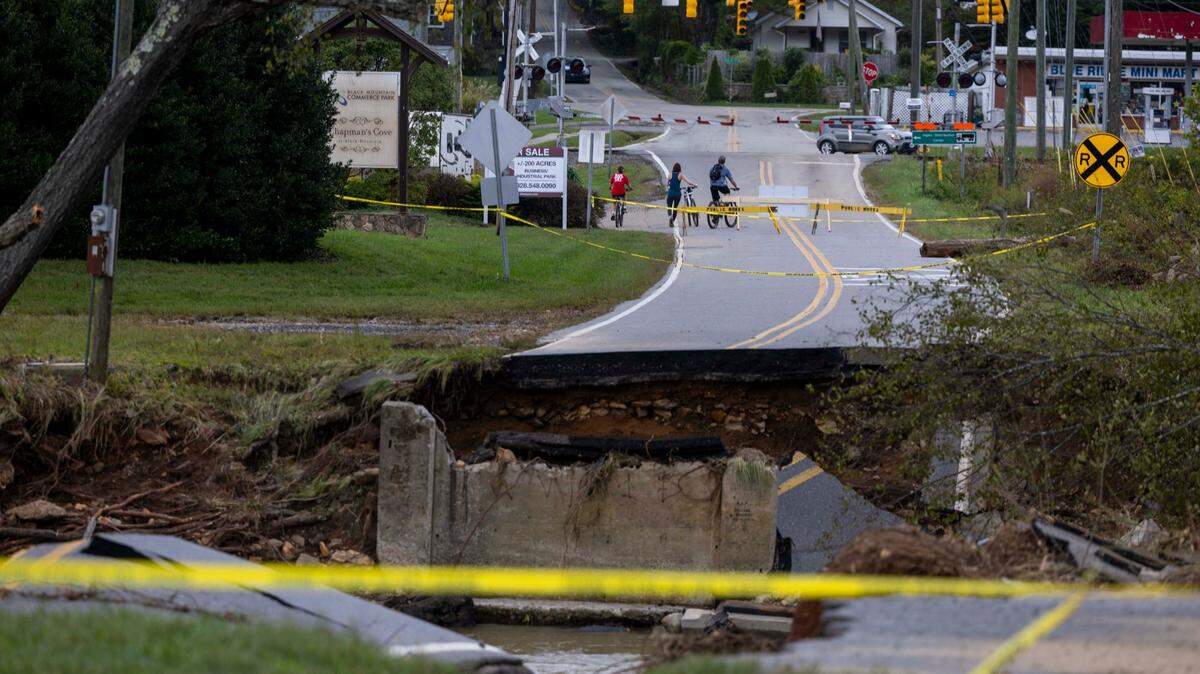
Facts: Western N.C. roads are still dangerous and impassible in many places, and landslides remain a threat. Traffic is being rerouted on some roads so emergency vehicles, disaster relief efforts and local traffic can still access them.
Rumor: Governments are discouraging and confiscating donations.
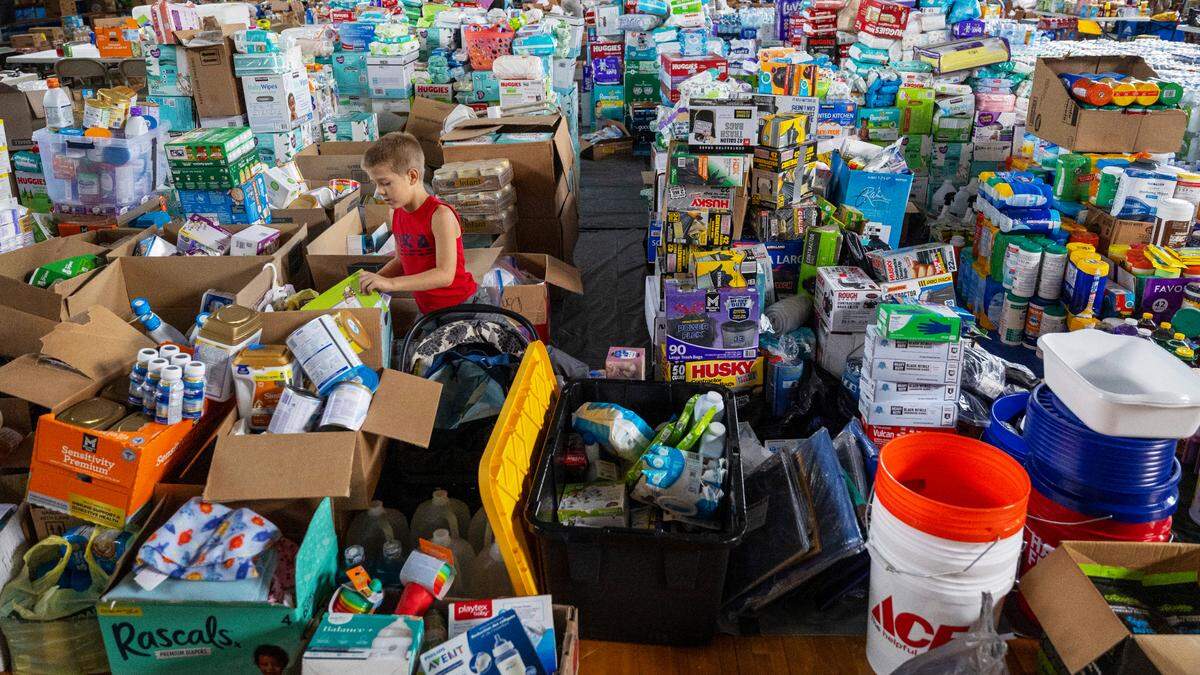
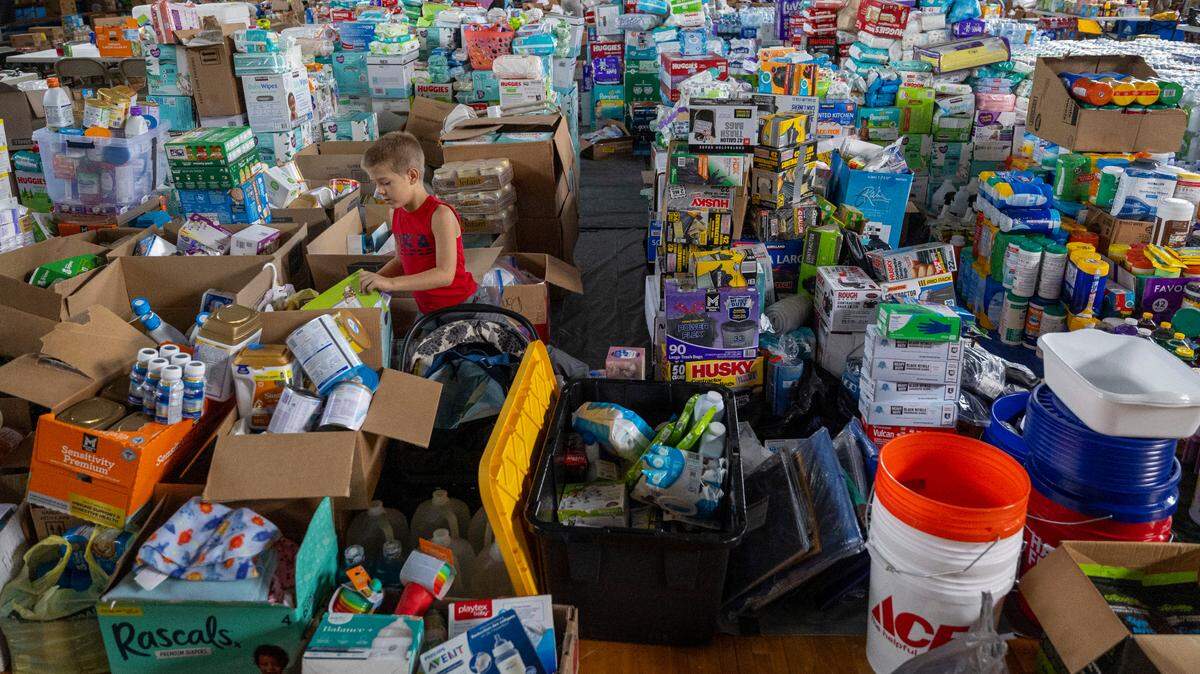
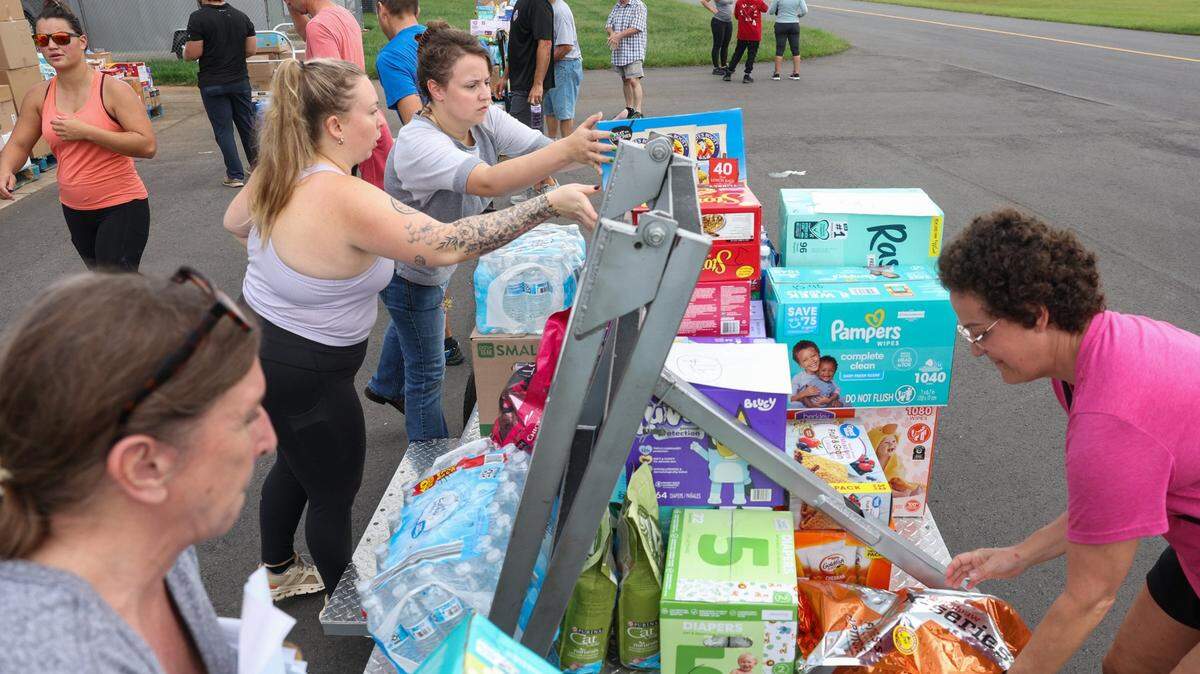
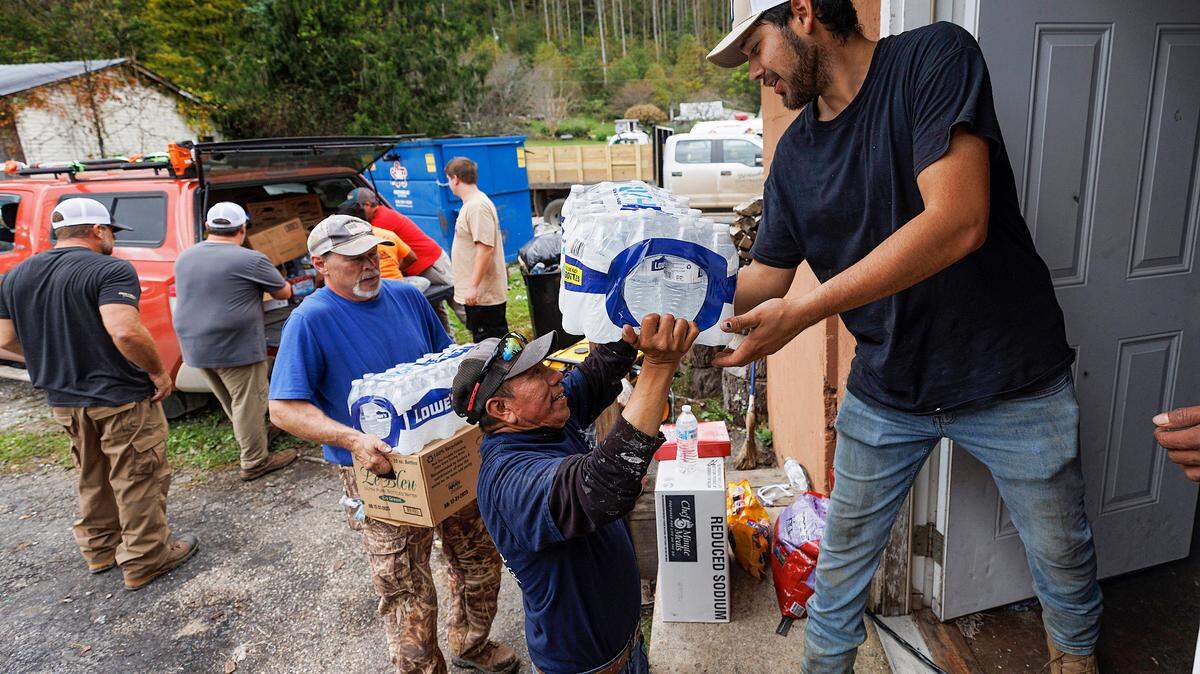
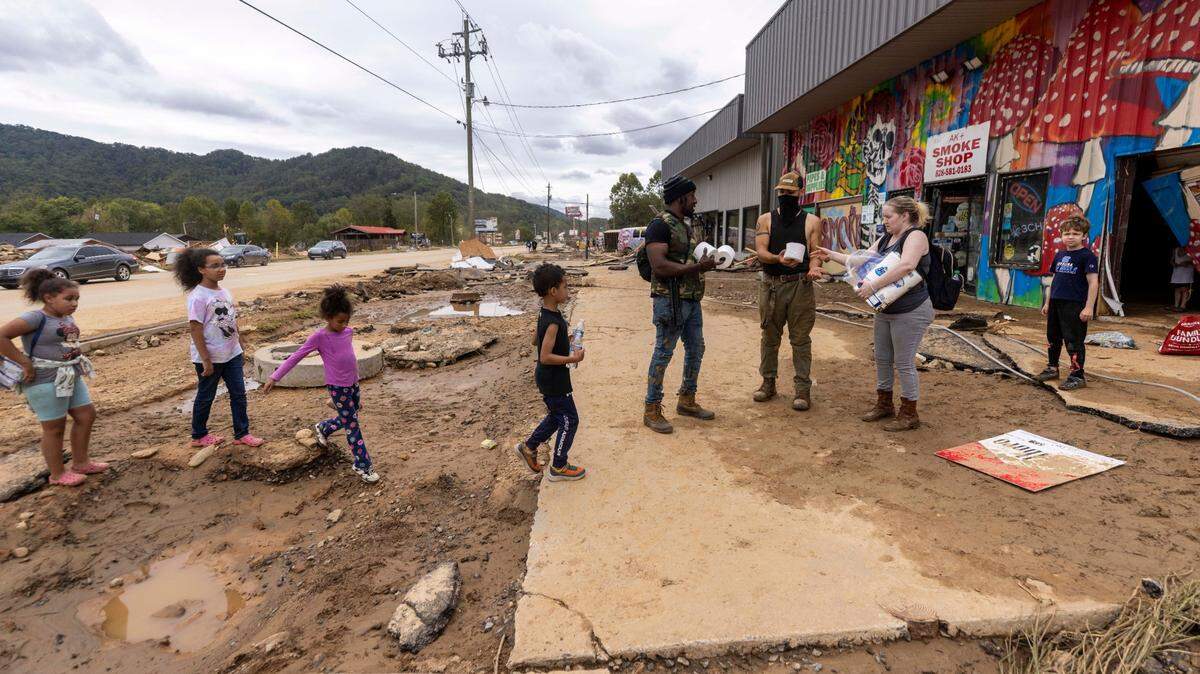
Facts: The state encourages financial donations to the North Carolina Disaster Relief Fund and to N.C. volunteer organizations responding to the disaster. The state is working with the organizations to collect and distribute physical donations coming in from across the state and country.
Coordinated volunteer disaster relief efforts are needed in Western North Carolina, according to the NC Department of Public Safety.
“We strongly encourage neighbors to continue helping neighbors in impacted areas,” department officials said. “Those wishing to volunteer should register at www.nc.gov/volunteer,” and not “self-deploy” to the region.
But emergency officials are asking people not to show up on their own bringing supplies.
In Banner Elk, the fire and rescue department posted on Facebook that the outpouring of donations has met their needs for the next week, and that the wave of suppliers are creating a “bottleneck” that compromises their already strained infrastructure.
“Cash donations offer voluntary agencies and faith-based organizations the most flexibility to address urgently developing needs,” NC Voluntary Organizations Active in Disaster President Kristy Kulberg said in a news release. “Although the need is great, and desire to help strong, it is important to avoid donating material goods or self-deploying to help until communities are safe and public officials and disaster relief organizations have had an opportunity to assess the damage to identify what the specific unmet needs are.”
Rumor: The FAA is restricting access to the airspace.
Facts: The FAA is not restricting access for recovery operations but is trying to people safe. There has been a 300% increase in air traffic in the region, the FAA says.
“The FAA is coordinating closely with state and local officials to make sure everyone is operating safely in very crowded and congested airspace,” according to a statement by the N.C. Department of Public Safety.
When President Joe Biden visited the area on Wednesday, the Secret Service took painstaking care to keep all search-and-rescue and relief flights going, a U.S. official told The Charlotte Observer.
The official said recovery-related flights that are coordinated by the N.C. Emergency Operations Center are assigned special Beacon codes and allowed to proceed. If a pilot lets the EOC know they are planning to deliver aid, the plane would be pre-cleared by the FAA.
The only flights affected would have been by pilots unknown to members of the relief or search-and-rescue community, the official said.
Rumor: “The Red Cross isn’t here.”
Facts: At least 1,300 Red Cross disaster responders are helping people in the Carolinas, Florida, Georgia, Tennessee and Virginia with safe shelter, food, hygiene items, medications and emotional support.
Before Helene made landfall, the Red Cross positioned hundreds of disaster responders and thousands of relief supplies across the Southeast.
The Red Cross is “engaging in targeted distribution of emergency supplies in low-income communities with high levels of minor or affected residential damage,” the White House said, alongside the Salvation Army, which has set up nine mobile feeding units that have distributed over over 12,600 meals, 9,600 drinks and 5,600 snacks.
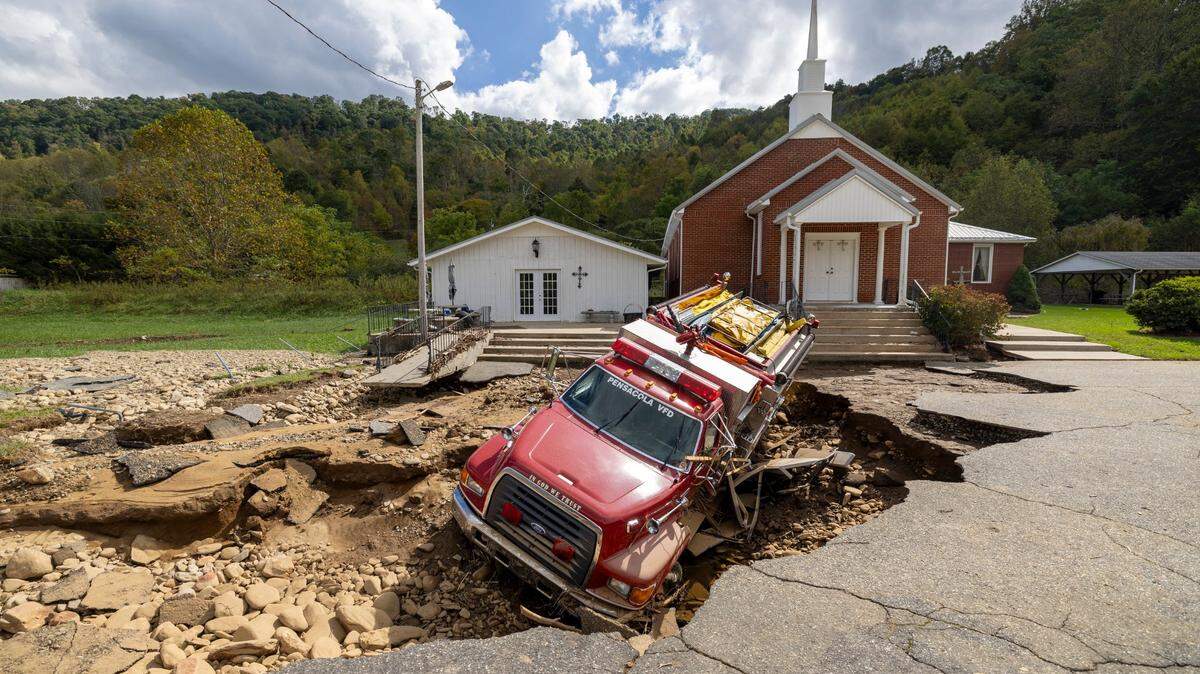
.JPG "RAL_GYvIOZ8WoAAzP3p (1).JPG")
Rumor: The Red Cross is confiscating or discarding donated items.
Facts: The Red Cross is not “confiscating, removing or discarding donated items,” Red Cross officials said in a statement Friday. The Red Cross focuses on providing shelter, food and relief after disasters.
“While we don’t accept physical donations, as managing them takes time and resources away from our mission, we work with community partners who are better equipped with these resources to handle and distribute these items,” Red Cross officials said.
Call 211 to find out where donated goods are available.
Rumor: The Red Cross is taking over shelters.
Facts: The Red Cross does not take over shelters. Rather, it provides management support at the request of local partners.
Rumor: The Red Cross is taking over volunteer groups.
Facts: While the Red Cross is working alongside other volunteer groups, the Red Cross is not taking over their efforts or services.
Rumor: FEMA does not have enough money to provide disaster assistance for Helene.
Facts: FEMA has enough money right now for immediate response and recovery needs.
FEMA Administrator Deanne Criswell said on Friday that “the disaster relief fund certainly does not have enough money to continue recoveries for everything that I have through the entire fiscal year.”
“But I have enough money to support the immediate needs for everybody impacted by Helene and Milton,” she added. “We’re assessing every day how much it’s drawing down on that.”
In North Carolina alone, FEMA has provided more than $26 million in housing and other types of assistance to over 25,000 households, it said in an Oct. 5 release.
More than 700 FEMA staff and over 1,200 urban search and rescue personnel are on the ground. Over 1,000 National Guard troops have also been deployed to the state.
Caitlin Durkovich, Deputy Homeland Security Adviser for Resilience and Response helping lead the response at the White House, told McClatchy that “that rumor, or misinformation, was not something that was ever conceived here. There was never a doubt that we could do both, and we’ve been doing both since the very beginning.”
FEMA and the rest of the federal interagency “have been very resourceful in terms of thinking about how we make sure we have sufficient resources going into Florida without disrupting what’s happening in North Carolina, South Carolina and Tennessee,” Durkovich added. “We have brought search and rescue troops from as far as California. The Coast Guard is surging resources — they were not as needed in Helene as they might be in Milton.”
Rumor: FEMA is no longer accepting applications for housing assistance.
Facts: FEMA is still accepting assistance applications throughout areas affected by Helene, it said.
Over 1,400 people who cannot return home are currently staying in safe and clean lodging through FEMA’s Transitional Shelter Assistance program.
FEMA said residents in declared counties who have applied for disaster assistance may be eligible to stay temporarily in a hotel or motel paid for by FEMA while they work on their long-term housing plan. People do not need to request this assistance. FEMA will notify them of their eligibility through an automated phone call, text message, and/or email, depending upon the method of communication they selected at the time of application for disaster assistance.
Twenty-two shelters are housing just over 1,000 people, FEMA said. Mobile feeding operations continue to help survivors in hard-hit areas, including three mass feeding sites in Buncombe, McDowell and Watauga counties.
For current application timelines, visit disasterassistance.gov or FEMA’s state-specific Helene disaster site for North Carolina.
Rumor: Funding for FEMA disaster response was diverted to support international efforts or border-related issues.
Facts: This is false, FEMA said. No money is being diverted from disaster response needs.
After the Homeland Security secretary last week warned that FEMA can meet immediate needs but is short of funding to make it through hurricane season, some are wrongly blaming agency spending on migrant services for draining disaster relief funds.
Contrary to claims made by former President Donald Trump and Elon Musk, FEMA did not divert disaster relief funds to house people who are living in the country without legal authorization.
Some Trump supporters amplifying this claim are alluding to a migrant services program funded by U.S. Customs and Border Protection money at Congress’ direction. FEMA distributed about $650 million last fiscal year under the program to relieve overcrowding in temporary shelters.
Others, like right-wing X user Libs of TikTok, are referring to a FEMA program that helps provide food and shelter to those in need. Congress previously appropriated funds under the program to a now-defunct arm that provided humanitarian relief for migrants, which was replaced by the CBP-funded program.
FEMA’s disaster fund, which supports federal disaster relief, is a separate spigot.
Read our full FEMA funding fact-check here.
Rumor: NC members of Congress voted against disaster funding.
Facts: Sen. Ted Budd and Rep. Dan Bishop, both Republicans, voted against a continuing resolution to keep the government funded at its current levels through Dec. 20. The CR refilled FEMA’s $20 billion budget.
Eighteen senators and 82 House members voted against the package.
Vice President Kamala Harris’ campaign and others have used the vote to criticize Budd, Bishop and the other 98 lawmakers for voting against disaster relief funding.
But is that a fair assessment?
“Appropriations bills are large, unwieldy pieces of legislation by design,” said Chris Cooper, a political science professor from Western Carolina University. “While it is true that the bill they voted against would have included FEMA funding, it also would have included a host of other provisions that have absolutely nothing to do with emergency management or disaster relief.”
Bishop took to social media to explain his vote, saying he won’t vote to spend billions on things the country doesn’t need when he has concerns about the election and “our debt is sky-rocketing.”
Budd’s spokesman told McClatchy he “wanted to see reform to the broken budget process” and that “when the government overspends on things it shouldn’t, it crowds out the real responsibilities it has, like disaster relief.”
Read our full Reality Check here.
Rumor: FEMA is in the the process of confiscating Helene survivor property. If I apply for disaster assistance and my land is deemed unlivable, my property will be seized.
Facts: FEMA cannot seize your property or land. Applying for disaster assistance does not grant FEMA or the federal government authority or ownership of your property or land, FEMA said.
When you apply for disaster assistance, FEMA said an inspector may be sent to verify the damage on your home. “This is one of many factors reviewed to determine what kind of disaster assistance you may be eligible for,” it said. If the results of the inspection deem your home uninhabitable, that information is “only used to determine the amount of FEMA assistance you may receive to make your home safe, sanitary and functional,” it said.
‘I only believe what I hear from people on the ground, who are actually there.’
Facts: Reporters and photographers from The News & Observer and The Charlotte Observer have been in Western North Carolina since the day the storm hit. This map will show you where they’ve been, with links to some of their stories. All of our Helene-related coverage is free.
This story was originally published October 5, 2024 at 9:55 AM with the headline "Helene fact check: Here are the rumors and the reality in Western North Carolina."




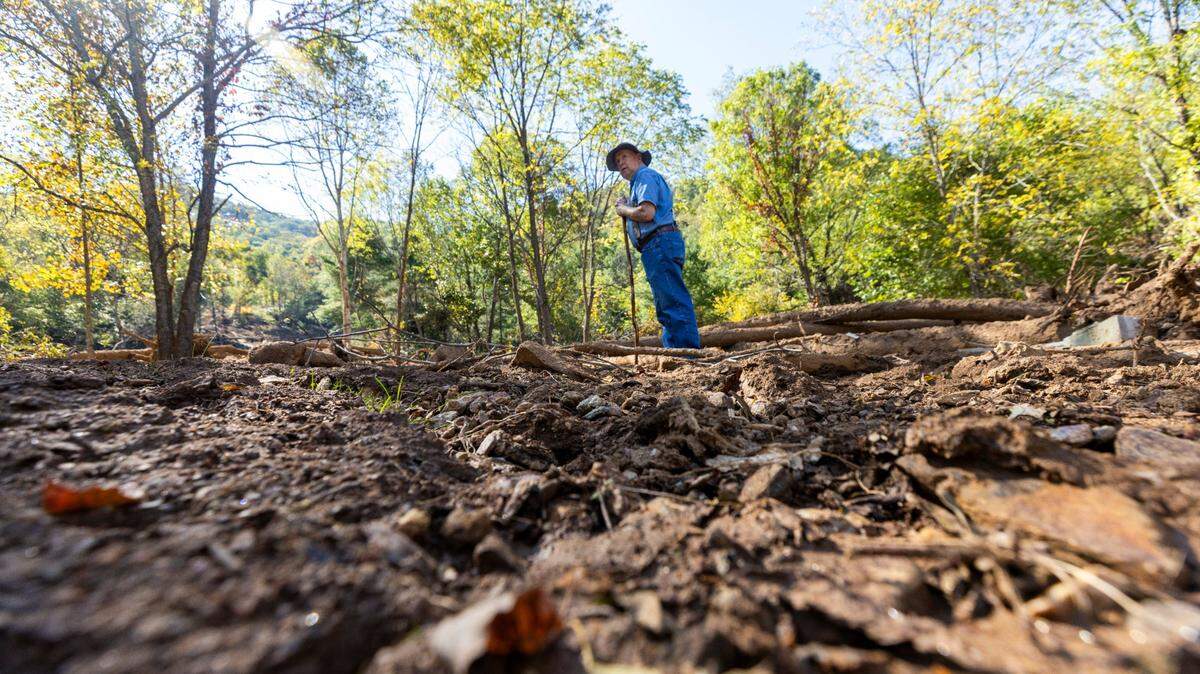
.jpg)



.jpeg)
.JPG)















.JPG)