800-year-old wooden contraption unearthed in Germany. See the medieval structure
Digging into the gray-brown mud of western Germany, archaeologists hit a stick. Several sticks. But this wasn’t a random wood pile. This was an 800-year-old structure.
Archaeologists excavated the damp soil near a waterway in Wiedenbrück ahead of a construction project, the archaeology department of the Westphalia-Lippe Regional Association said in a June 14 news release.
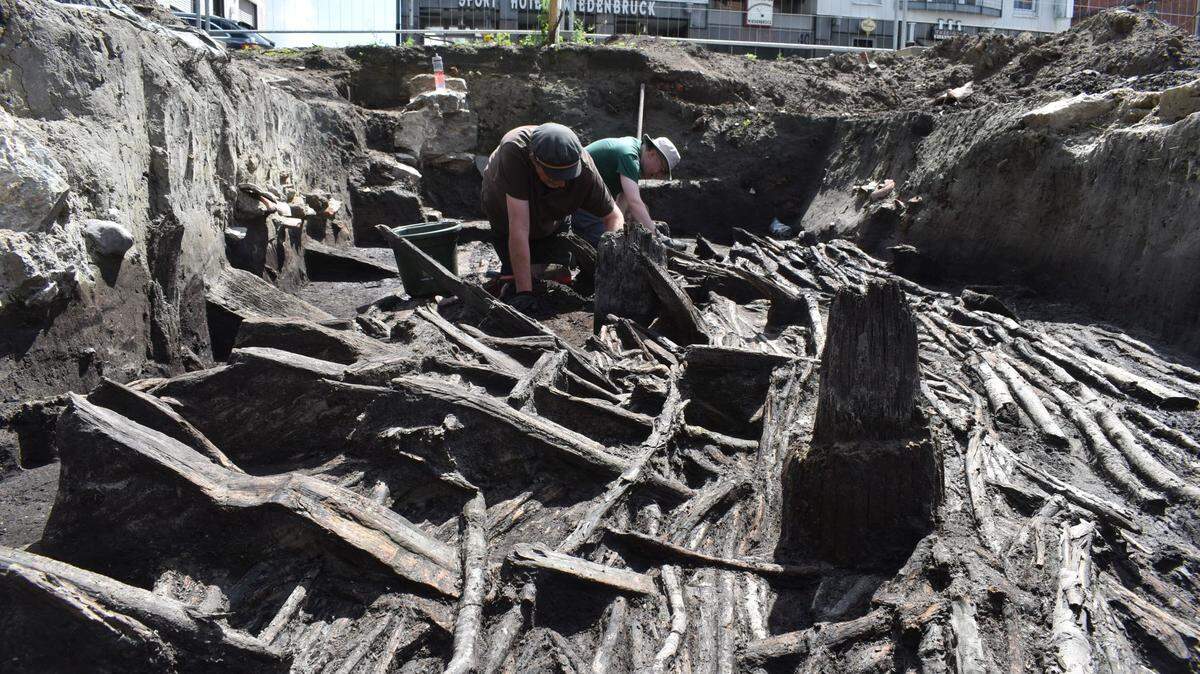
As they dug, archaeologists uncovered a large amount of carefully arranged wood. They identified the find as an 800-year-old structure used for holding back water.
The wooden structure, also known as a fascine, involved several rows of stake-like bundles with smaller branches woven in between, archaeologists said. Most of the branches measured about 4 inches in diameter and had cut marks at the ends.
A photo shows the small, densely packed logs.
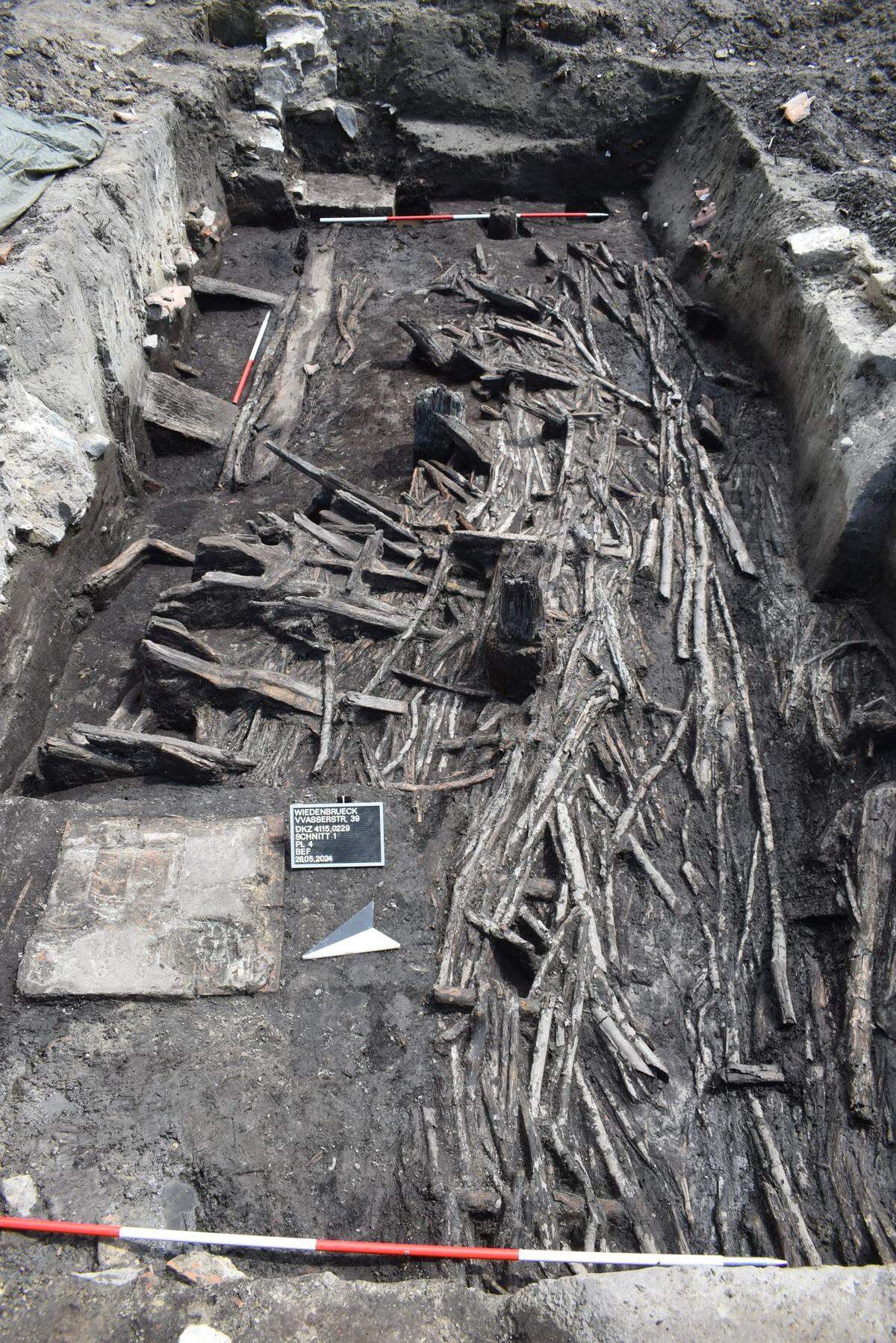
These types of structures were used during medieval times to reinforce sloping banks and reclaim land, the association said. The recently found wood is likely part of a larger reinforcement structure.
The 800-year-old structure was eventually covered with dirt to form an embankment and reinforced with larger posts.
The damp ground also helped preserve other unique artifacts, including pottery from the 13th century, animal bones and leather shoe soles, archaeologists said.
Excavations at the waterway in Wiedenbrück began in April and just ended, the association said.
Wiedenbrück is a small town in the Westphalia region and a roughly 260-mile drive west of Berlin.
Google Translate was used to translate the news release from the Westphalia-Lippe Regional Association.
This story was originally published June 14, 2024 at 11:59 AM with the headline "800-year-old wooden contraption unearthed in Germany. See the medieval structure."