2,200-year-old metal tool found at ancient fort in Spain. See the museum-worthy piece

At the bottom of a valley, the site of an ancient fort has been uncovered piece by piece.
The most recent excavation of Castro Das Barreiras, located in the municipality of Vimianzo in northwestern Spain, had just begun when archaeologists noticed something metal in the dirt.
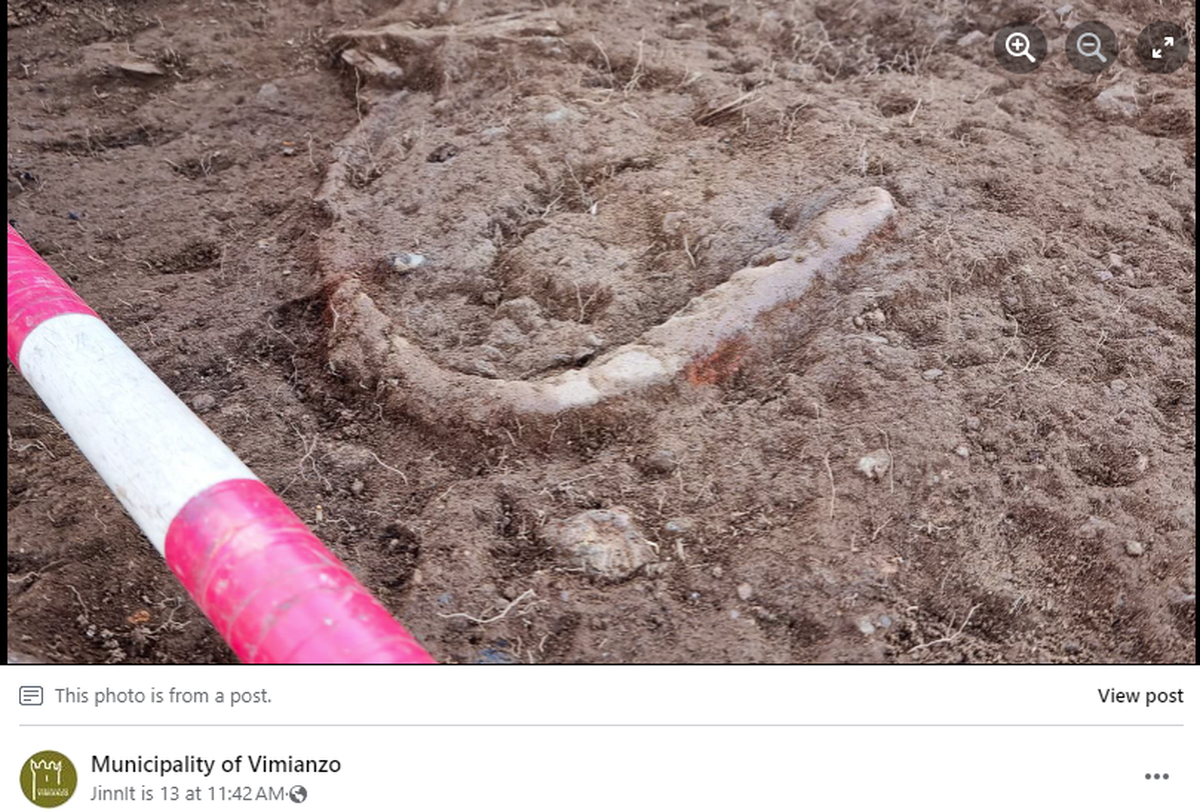
Slowly sweeping back the soil, a long, curved tool slowly emerged — a sickle.
The agricultural tool, used to cut grass, grain or other plants, had long since lost its wooden handle, Vimianzo officials said in a June 17 news release, but the metal was in surprisingly good condition.
It also confirmed the belief that the fort sat at the center of a sprawling agricultural community.
The Castro Das Barreiras is located in the center of the Vimianzo valley, Culturagalega reported, and it sits near the northern expansion of a settlement of Gallaecia.
The larger site has been studied in depth since 2018, according to the news outlet, and the fort itself towers over the town’s remains.
The sickle was found in hut five of seven, officials said, and it was either put there on purpose or simply left behind.
The sickle is a spectacular find, researchers said in the release, because there have been none like it ever found in the area, only pieces of other sickles or smaller bronze tools.
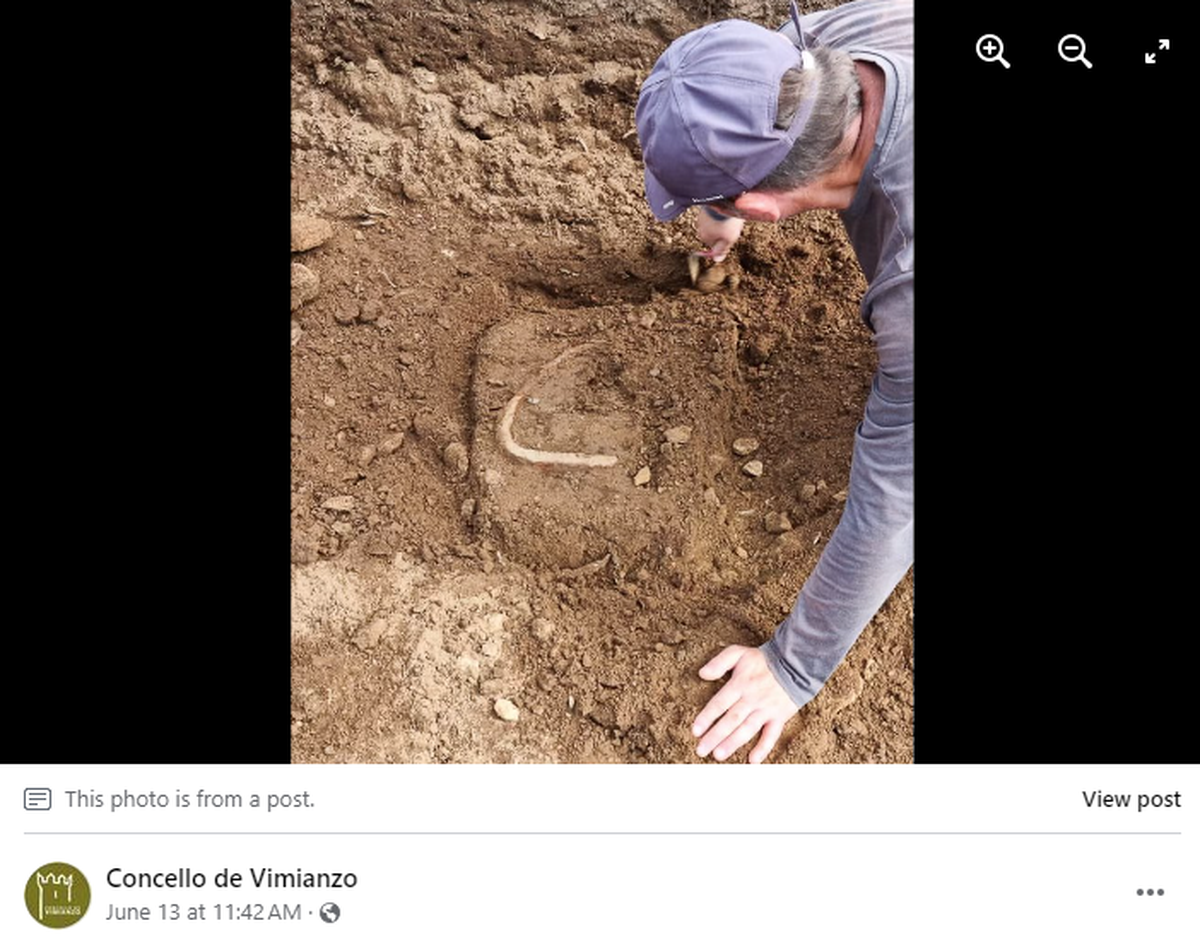
The find was dated to 2,200 years ago and would have been used to cut enough crops to store and then distribute the harvest, officials said.
Archaeologists believe this behavior was in anticipation for the Roman invasion of the Iberian Peninsula, beginning in 218 B.C.
The museum-like quality of the sickle, according to officials, makes it possible to better understand the agricultural traditions of the area that have not been explored.
Vimianzo is in the northwestern corner of Spain, just off the coast of the Atlantic.
This story was originally published June 17, 2024 at 1:19 PM with the headline "2,200-year-old metal tool found at ancient fort in Spain. See the museum-worthy piece."