Skeleton holding 600-year-old silver artifacts unearthed in Hungary. Take a look
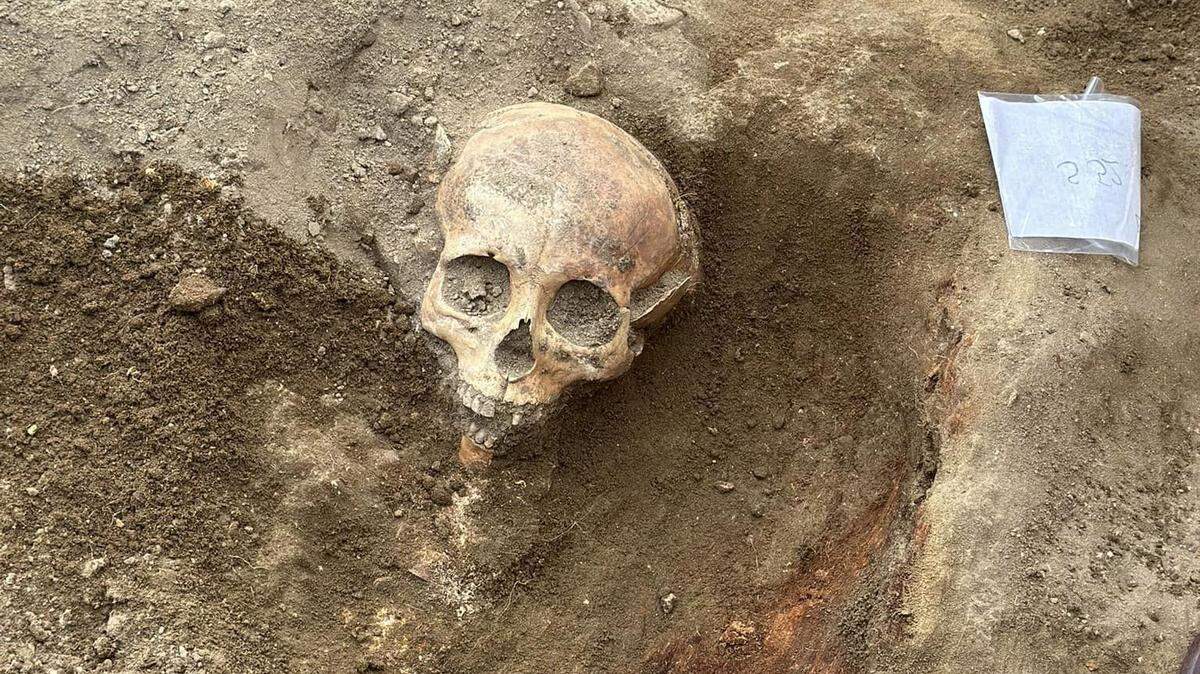
Archaeologists in eastern Hungary hoped to find something as they sifted through the gravelly dirt. But what reemerged surpassed their expectations.
Last fall, the team uncovered the ruins of a medieval building, or abbey, used by Benedictine monks in Tomajmonostora, Hungary’s National Institute of Archaeology said in a June 14 Facebook post. This year, they returned to excavate more of the site.
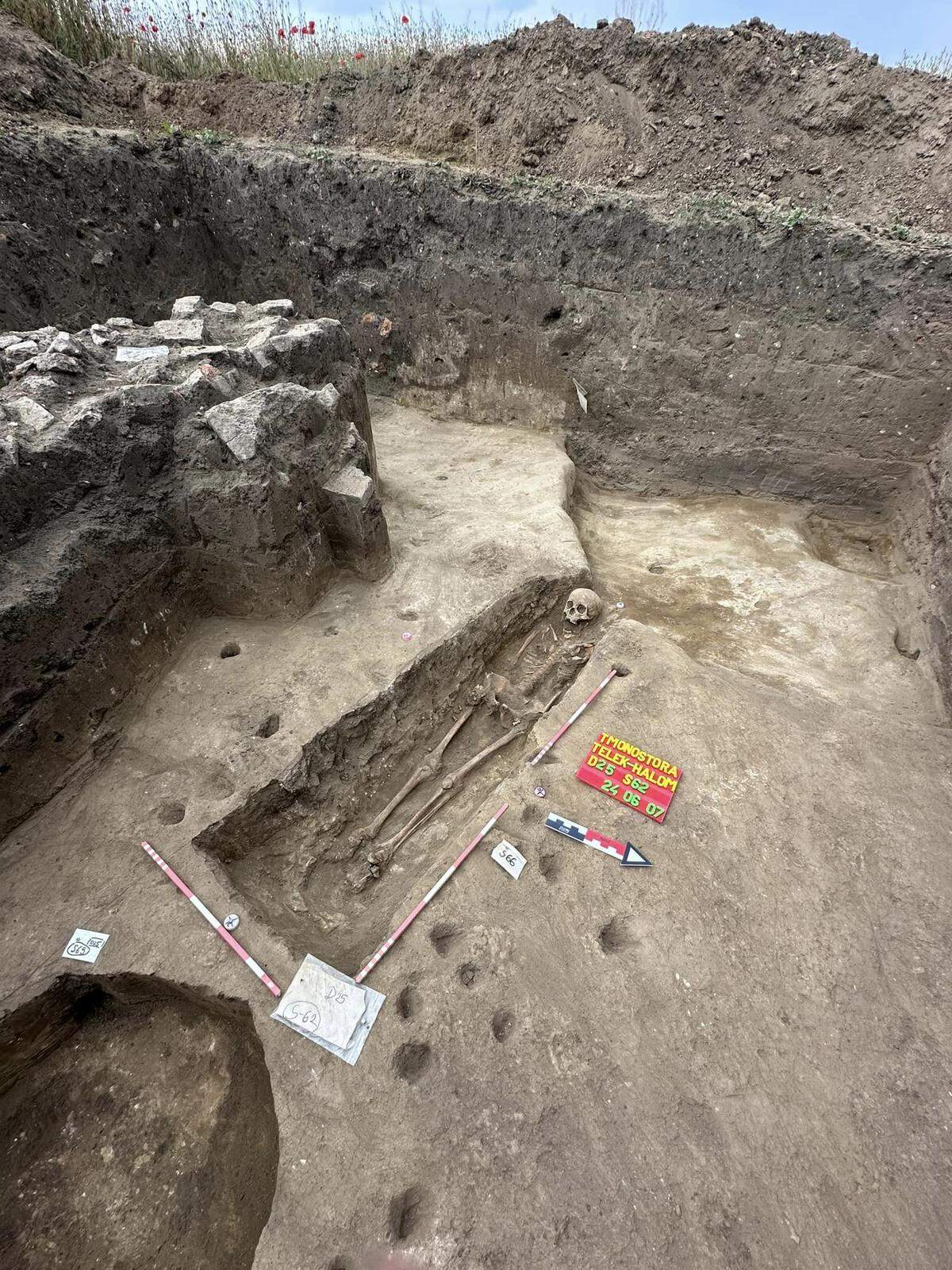
As they dug, archaeologists unearthed a skeleton holding a rusty cup and plate. They suspected this was part of a burial but don’t know for sure.
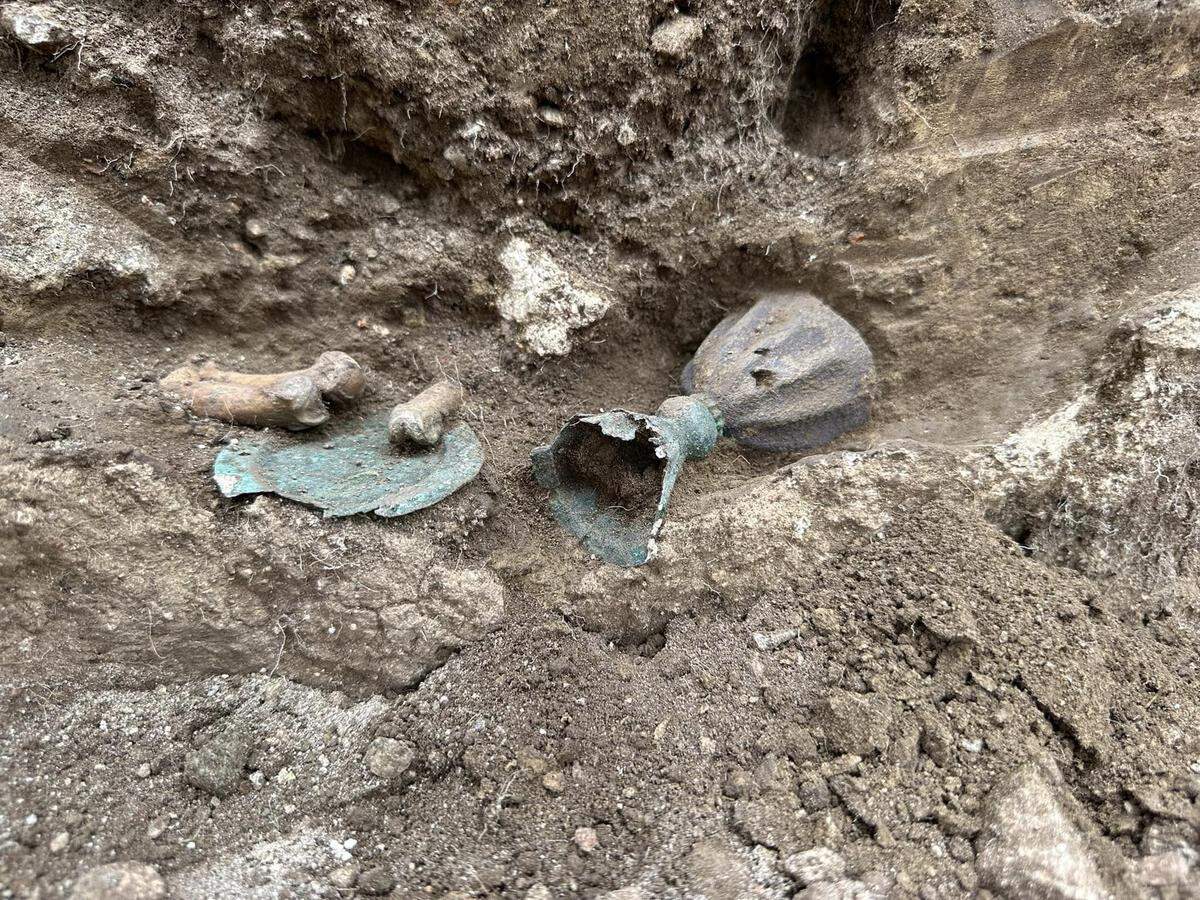
The skeleton’s treasures were identified as a silver communion set from the 13th or 14th centuries, the institute said.
Photos show the greenish blue artifacts. Seen up close, several bones are visible near the base of the chalice and on top of the plate.
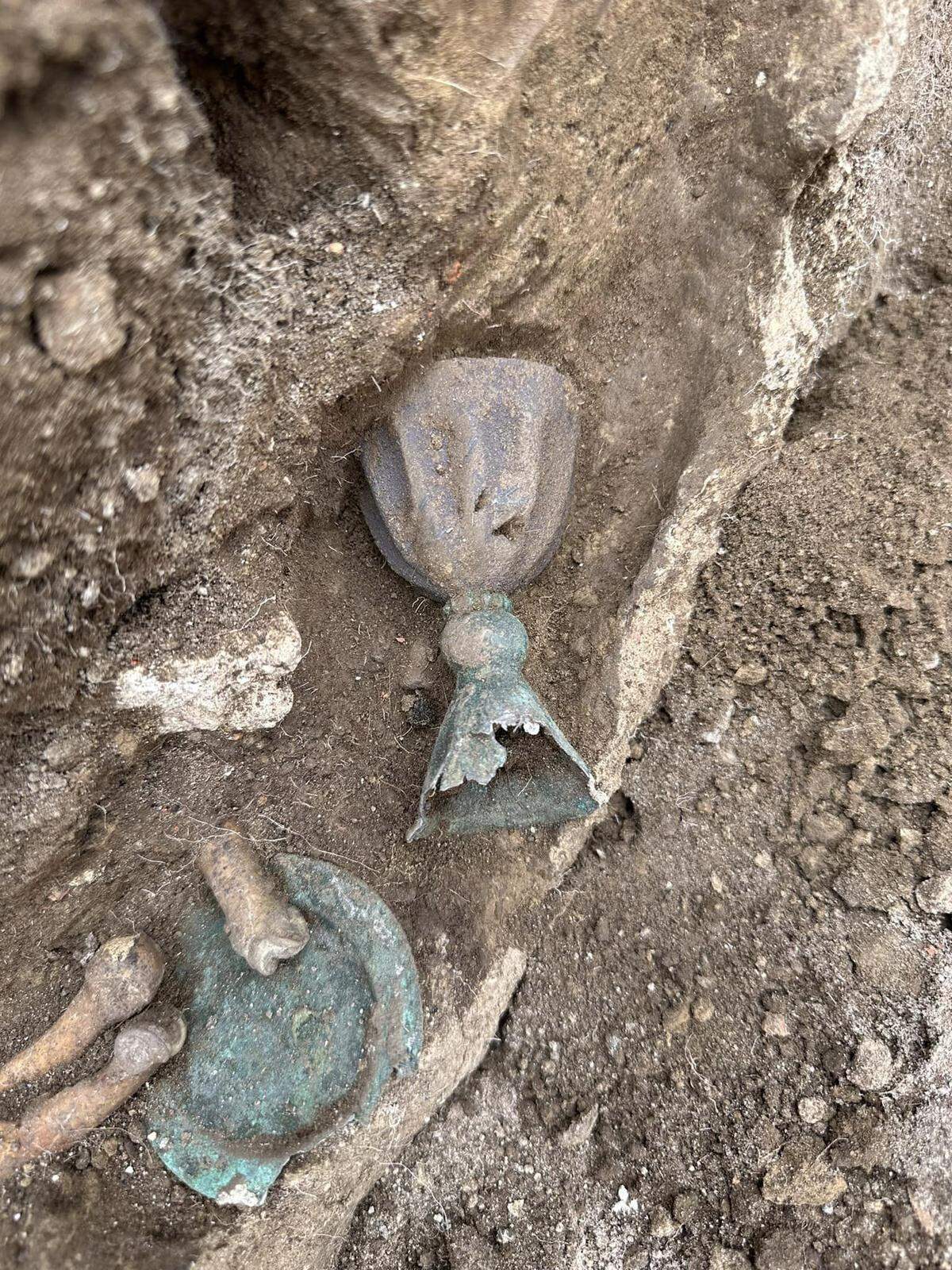
The 600-year-old communion set appears slightly chipped but generally well-preserved.
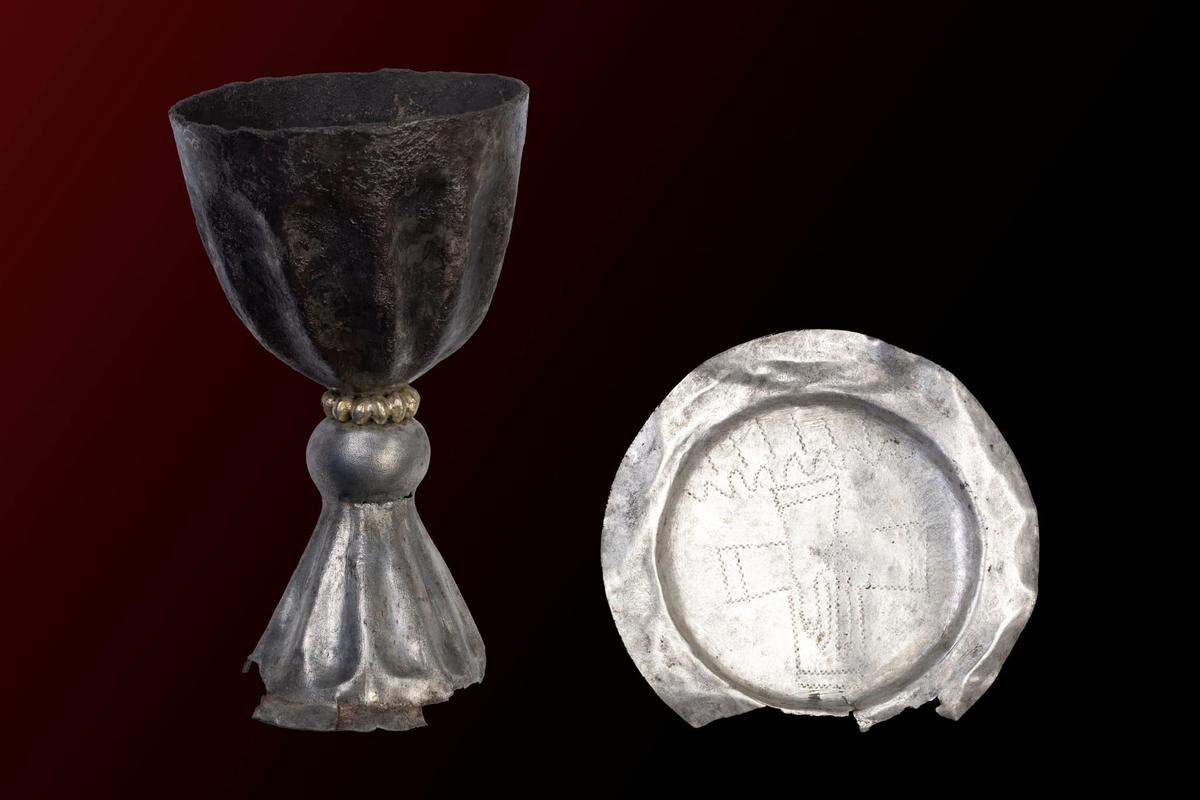
Another photo shows the gleaming silver artifacts after being cleaned. The plate, once used as a wafer holder, has a design carved into it. The markings look like a cross with a series of squiggles above it.
Archaeologists are still examining and restoring the artifacts.
Another photo shows the full skeleton. Archaeologists did not say how long ago the person was buried.
Excavations at the Tomajmonostora site also uncovered a second church that is older than the medieval abbey.
Tomajmonostora is a village in eastern Hungary and roughly a 100-mile drive east from Budapest.
Google Translate was used to translate the Facebook post from Hungary’s National Institute of Archaeology.
This story was originally published June 18, 2024 at 6:09 AM with the headline "Skeleton holding 600-year-old silver artifacts unearthed in Hungary. Take a look."