Nine ancient game boards found carved into 1,000-year-old ruins in Mexico. Take a look
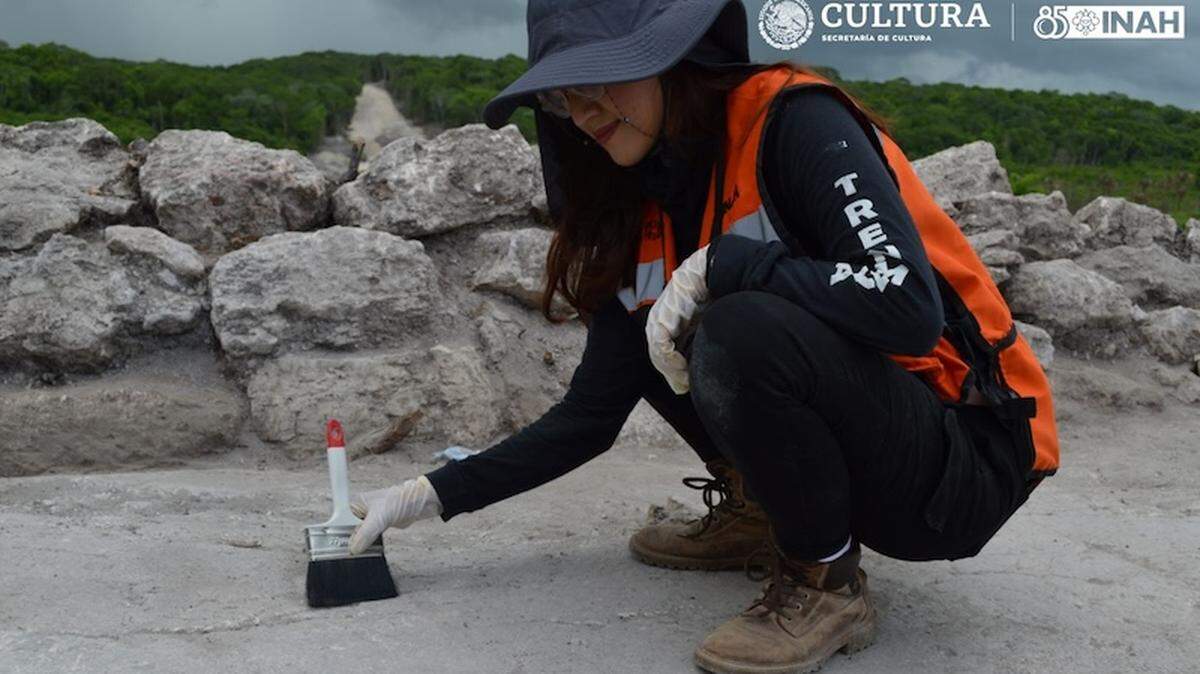
During construction work in southern Mexico, archaeologists excavated a 1,000-year-old building and found several designs etched into the floor. The carvings were part of an ancient Mesoamerican game.
Archaeologists excavated the 1,000-year-old ceremonial building in Xpujil as part of the Maya Train construction, Mexico’s National Institute of Anthropology and History said in a Sept. 5 news release.
Carved into one section of the stucco floor, they found nine patolli game boards.
Patolli is an ancient Mesoamerican game played by the Maya and Aztecs since roughly 250 A.D. for “leisure, gambling, or ritual practices,” according to a 2021 study published in the journal Papers from the Institute of Archaeology.
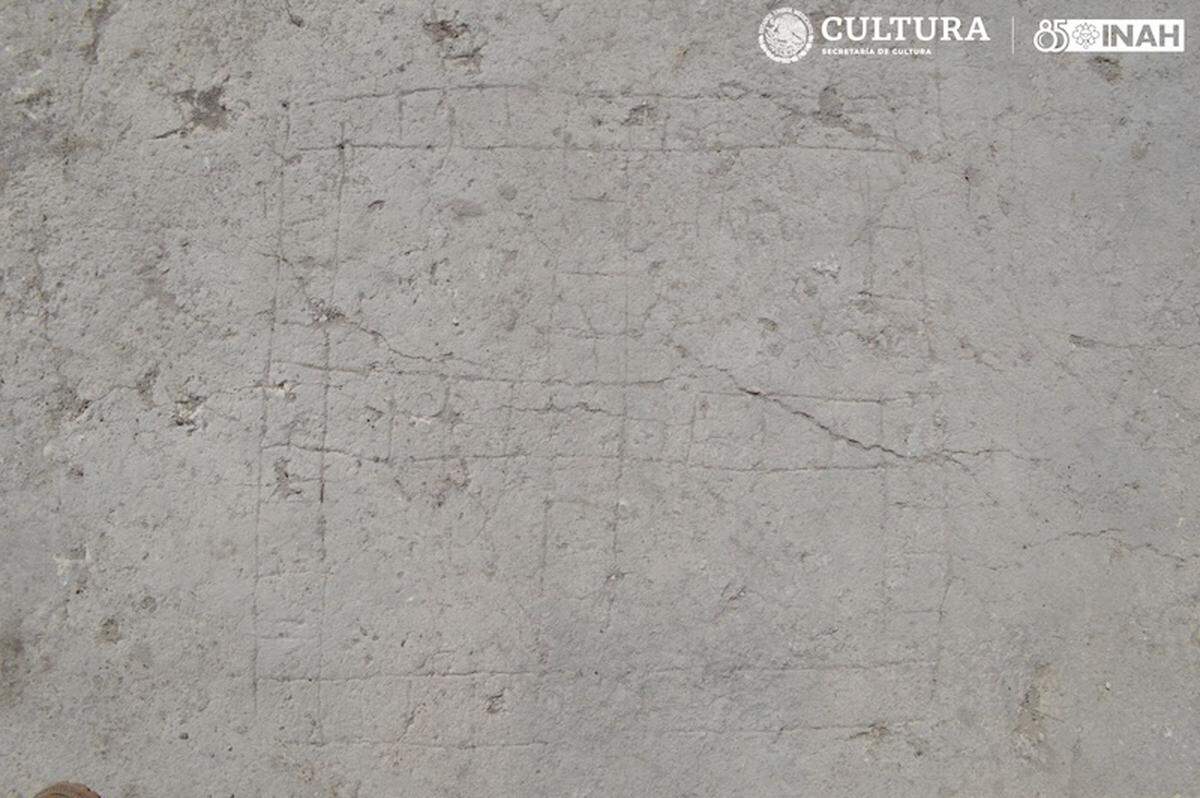
The game involved bean dice and a board, with the likely goal being to move pieces around the track, a 2021 study from the journal Latin American Antiquity said. Patolli boards varied in shape but generally seemed to be “symbolic representations of space and time.”
A photo shows a square patolli board found in Xpujil. The outer square and inner cross-shaped sections are divided into smaller spaces.
Of the nine patolli boards recently uncovered, four were square-shaped, two were circular and three were non-geometric shapes, archaeologists said. All boards were poorly preserved.
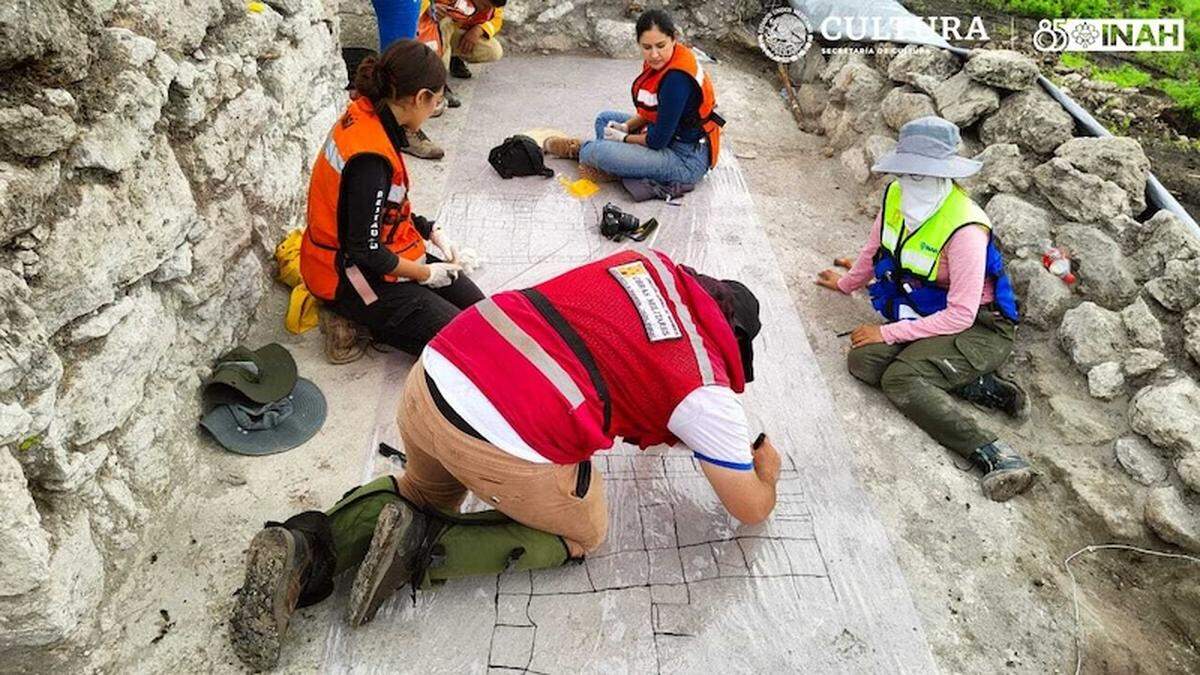
Archaeologists documented the games, carefully removed the carvings and then sent them to a laboratory for further restoration. Photos show part of this conservation process.
All nine game boards were carved within a long, skinny section of the ruins, roughly 40 feet by 10 feet, archaeologists said.
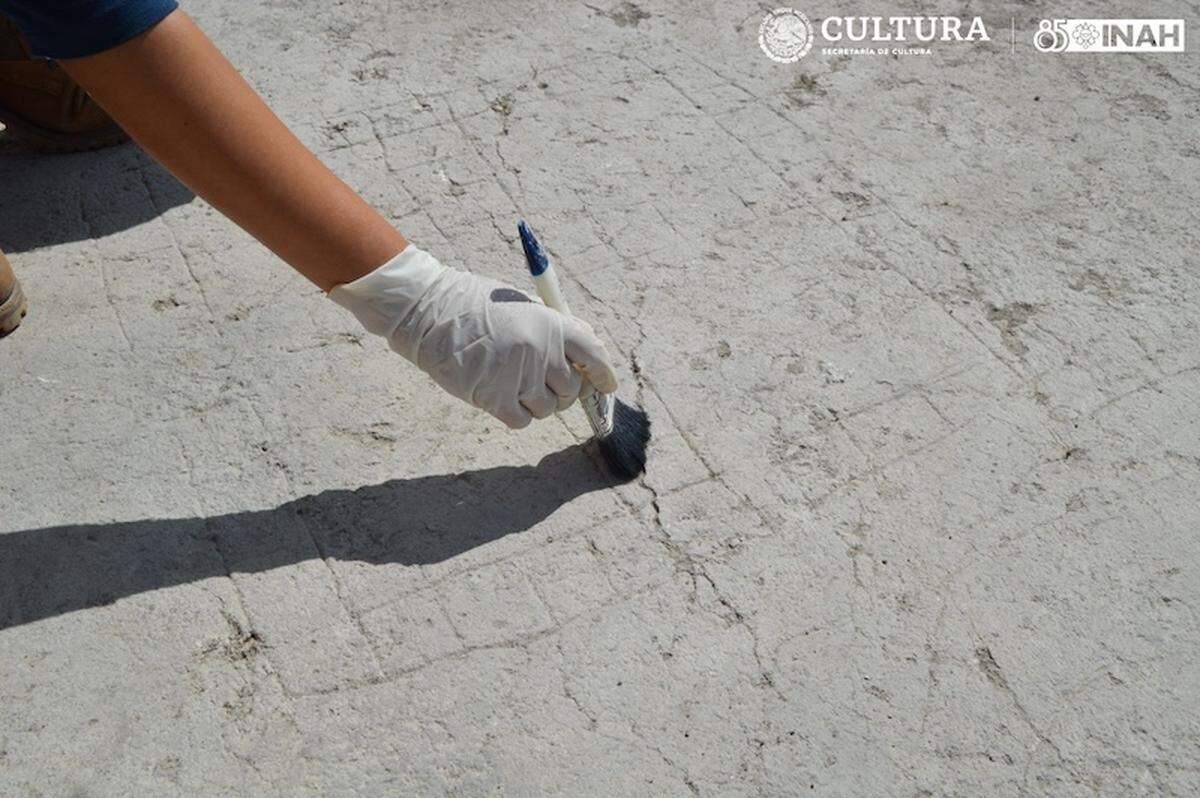
Excavations at the site in Xpujil took place between June and August 2023, officials said.
Xpujil is a town in Campeche, a roughly 750-mile drive southeast of Mexico City and near the border with Belize and Guatemala.
Google Translate was used to translate the news release from Mexico’s National Institute of Anthropology and History (INAH).
This story was originally published September 6, 2024 at 8:04 AM with the headline "Nine ancient game boards found carved into 1,000-year-old ruins in Mexico. Take a look."