Melting ice reveals centuries-old fabric items still ‘beautifully preserved.’ See them

Bundled up in winter coats and hats, archaeologists in Norway walked along a melting ice patch, their eyes fixed on the ground. They were searching for anything that looked human-made — and they were in luck.
The Secrets of the Ice archaeology team were camped at Lendbreen glacier, a site they’d surveyed several times previously. This year, however, “it has taken quite a hit! Old ice is visible everywhere,” they wrote in a Sept. 2 Facebook post.
And with “old ice” come old artifacts.
During one “quick hike,” archaeologists found “a beautifully preserved piece of textile” likely from the medieval period or Viking age, they wrote in another post. A photo shows the folded piece of woven material.
“It is likely to be cut from a larger piece of textile, but we need to unfold it to be sure,” Lars Holger Pilø, the project’s co-director, told McClatchy News. “That is the job of an archaeological conservator, not something we would do ourselves.”
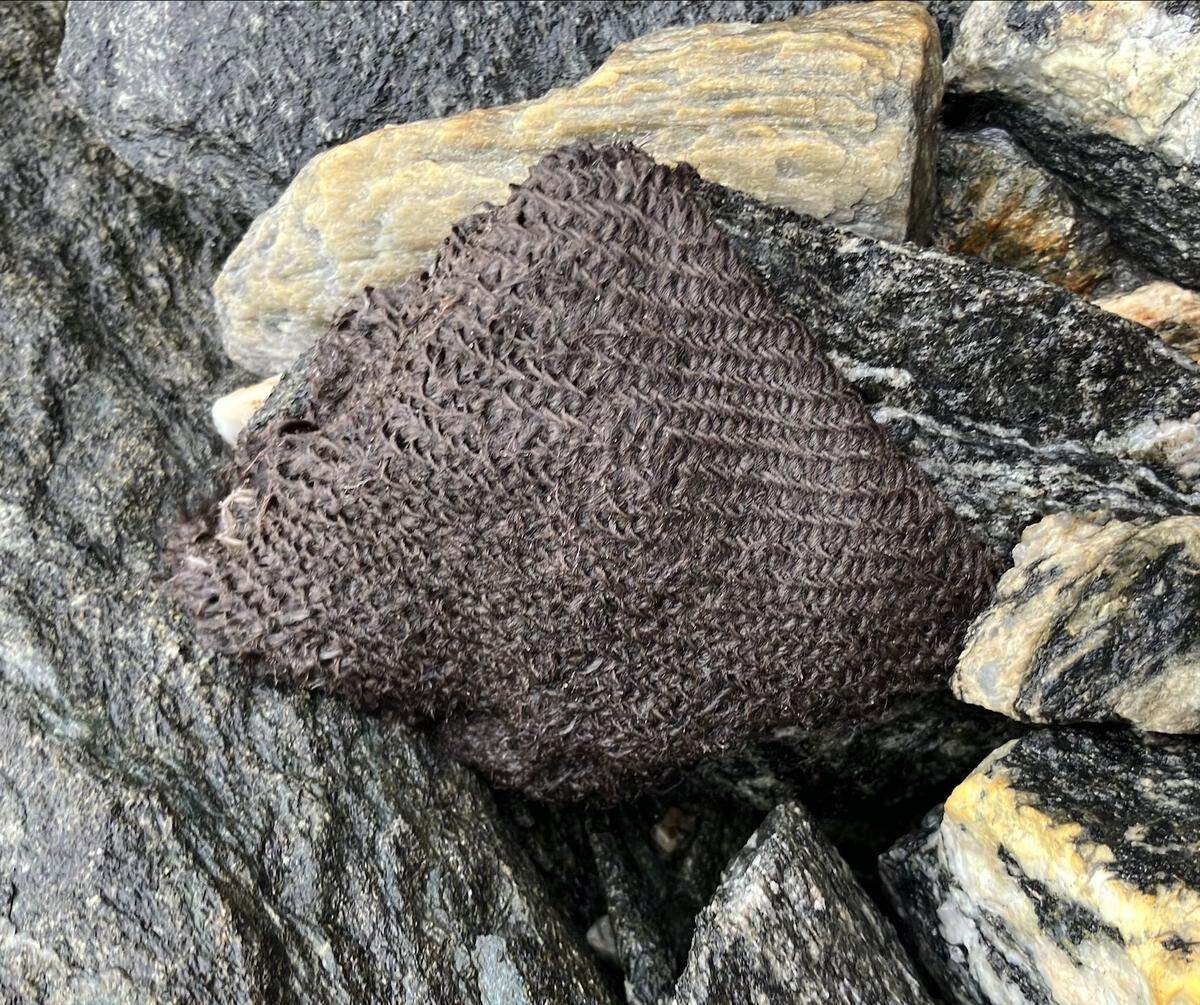
Fabric finds are typically rare for archaeologists because these materials disintegrate quickly in most environments. Glaciers are an exception. Fabrics trapped in ice are much more likely to be preserved and only begin to deteriorate after being reexposed to the air.
The recent woven textile is just one of over 50 cloths found in Lendbreen, according to a 2017 article from Secrets of the Ice.
While surveying the melting ice a few days later, archaeologists found another “exciting” fabric artifact: “a leather or hide object,” they wrote in another post. “This object is likely from the Viking Age or Medieval period.”
“It appears to have at least two different types of seams,” the archaeologists said. A photo shows the crumbled brown artifact.
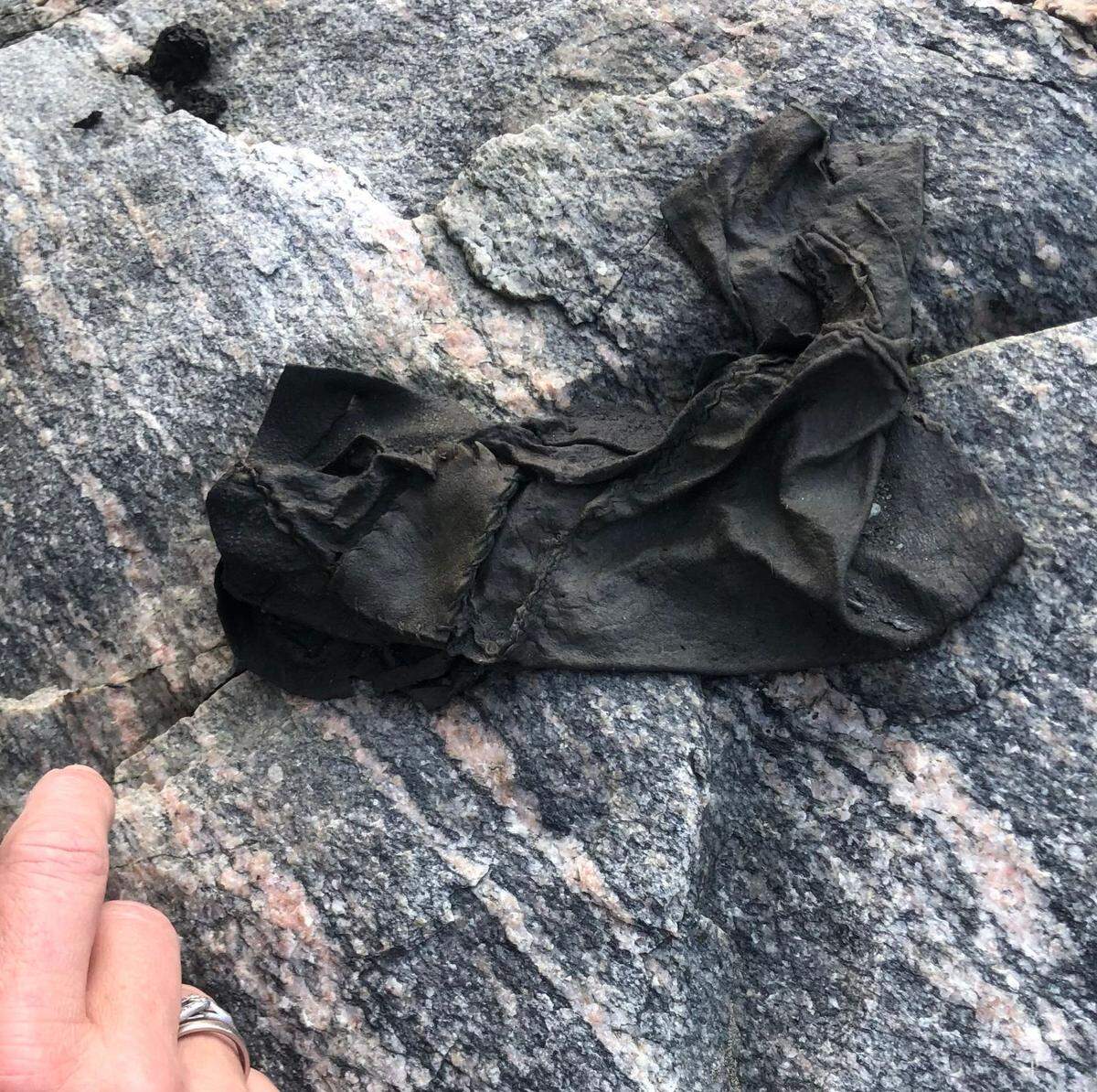
“The leather or hide object may be a shoe, but again we need to let a conservator examine it first,” Pilø said.
“If it is a shoe, they tend to be made of rawhide with the fur side facing out for a better grip on the snow,” he said. “The hair normally disappears over time, so it is difficult to say now if this was originally made in rawhide or leather.”
Other historic finds at Lendbreen included “three incredibly well-preserved Iron Age arrows,” Pilø said. A photo shows one of these wooden arrows.

Based on the shape of the arrowhead and nock, archaeologists dated the find to between 300 and 600 A.D., they wrote in a post. “This discovery will be a goldmine of information about ancient archery techniques when we get it back to the lab!”
“Until this year, we had never found (such) well-preserved arrows on this site,” Pilø said. “This is a sign that the melt is now reaching deep into the ice, exposing artifacts that have not been out of the ice since they were lost.”
“It was a very rewarding week of fieldwork,” Pilø said.
Lendbreen glacier is in southern Norway and a roughly 200-mile drive northwest of Oslo.
This story was originally published September 10, 2024 at 9:57 AM with the headline "Melting ice reveals centuries-old fabric items still ‘beautifully preserved.’ See them."