‘Large’ cave creature found in ‘heavily polluted’ pool in China. It’s a new species
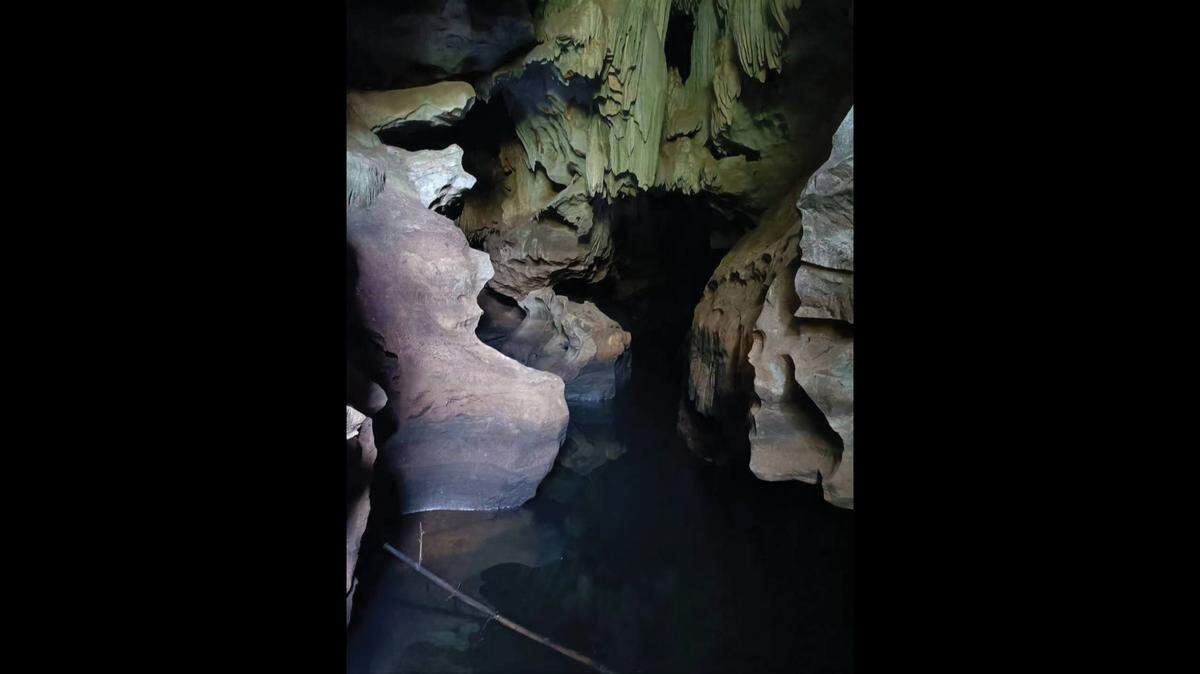
In a cave of southern China, some “large” creatures swam through “heavily polluted” water. Something about their brown, scaly bodies caught the attention of visiting scientists — and for good reason.
They turned out to be a new species.
Researchers visited several caves around a village in Guangxi in 2023 to survey wildlife, according to a study published Oct. 14 in the peer-reviewed journal Zoosystematics and Evolution. During their searches, they noticed some unfamiliar-looking fish in the underground pools.
Intrigued, researchers caught a few of the brown fish and took a closer look at the animals. They quickly realized they’d discovered a new species: Paranemachilus liui, or Liu’s cave loach.
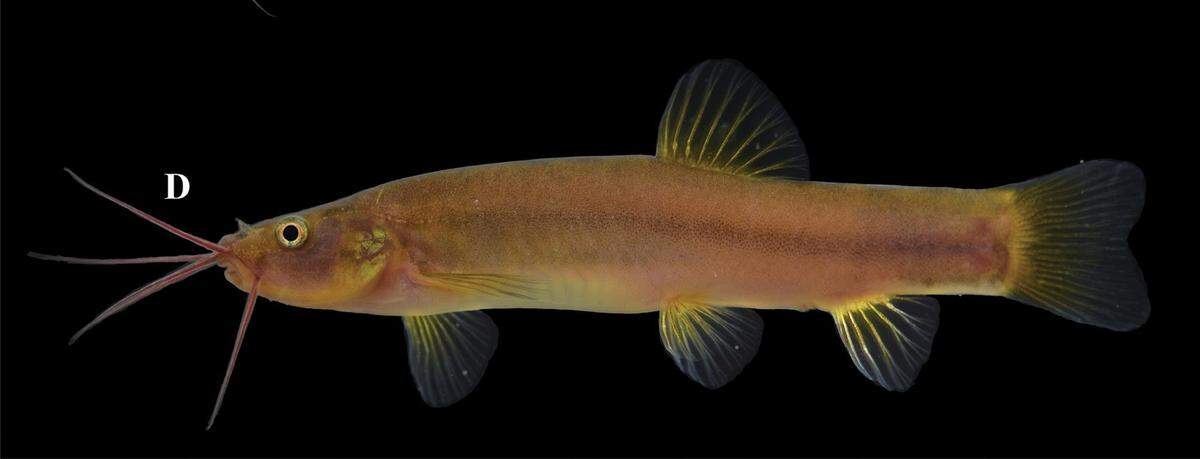
Liu’s cave loaches are considered “large,” reaching about 2.5 inches in length, the study said. Their “elongated” bodies are “completely covered by tiny scales.” Their lips are “smooth” with a “V-shaped notch.”
A photo shows the “yellowish brown” body and bright yellow fins of the new species. Several whisker-like barbels branch off its snout, and its eyes look almost neon yellow.
Liu’s cave loaches live in underground rivers and cave pools but don’t have the usual features of subterranean fish, the study said. Every year, the new species “migrates to a cave pond that floods during the rainy season for breeding purposes, despite the pond often being heavily polluted by effluent from nearby sugar factories and duck farms.”
Researchers said they named the new species after Zongyuan Liu, “a distinguished official, literary author, and thinker” who lived in the region around the late 700s, according to Britannica.
So far, Liu’s cave loaches have only been found in caves of Yifeng District, Guangxi, the study said. Guangxi is a province in southern China and along the border with Vietnam.
The new species was identified by its cheeks, nostrils, internal anatomy, body shape and other subtle physical features, the study said. DNA analysis found the new species had about 8% genetic divergence from other related loach species.
The research team included Hao-Lin Mo, Jian Yang, Peng Li and Li-Na Du. The team also discovered a second new species of cave loach in Guangxi.
This story was originally published October 24, 2024 at 5:43 AM with the headline "‘Large’ cave creature found in ‘heavily polluted’ pool in China. It’s a new species."