‘Assassin’-like creature seen covering itself in sticky resin. It’s a new species
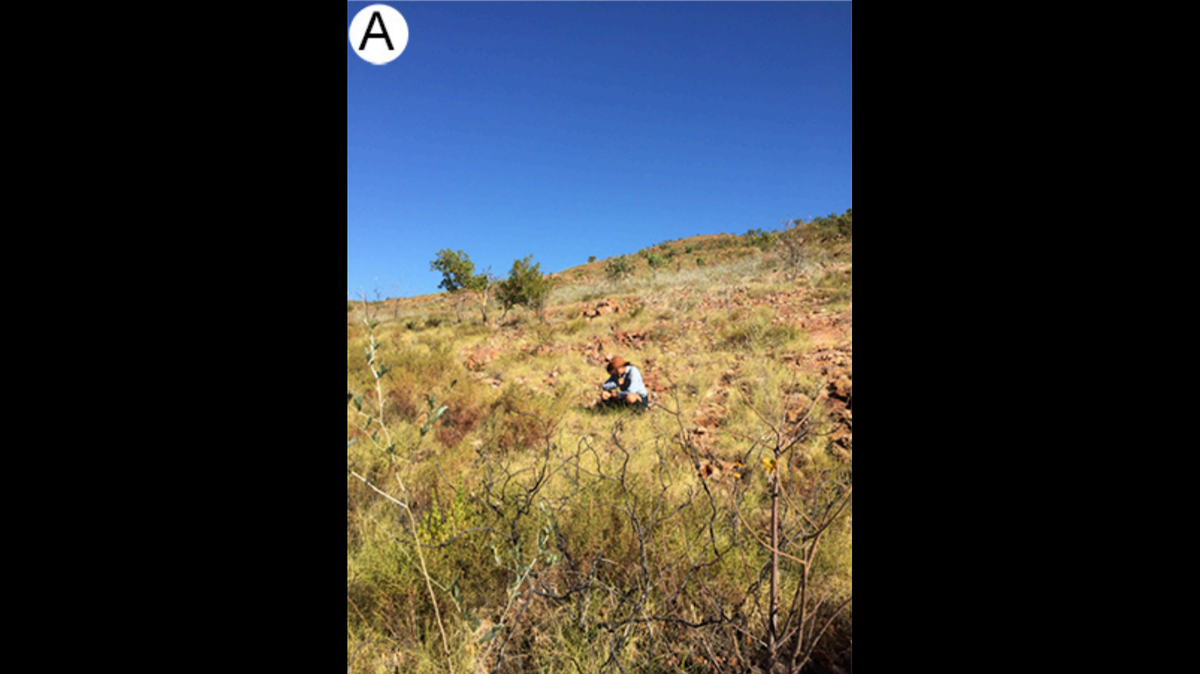
In a remote region of northern Australia, a black creature scraped some sticky resin off a plant and smeared the substance on its body. Something about the “assassin”-like animal caught the attention of nearby scientists — and for good reason.
It turned out to be a new species.
Researchers set up camp in the woodlands of Kimberly in 2018 and started searching for wildlife, according to a study published Oct. 28 in the peer-reviewed Journal of Australian Taxonomy. During the searches, some “sticky” insects caught their attention.
Intrigued, researchers captured dozens of these “shiny”-looking bugs, observed them in the wild and compared them to other known species. They quickly realized they’d discovered a new species: Gorareduvius gajarrangarnang, or the spinifex-dwelling assassin bug.
Spinifex-dwelling assassin bugs are “commonly found on spinifex grasses” and cover themselves in the plants’ sticky resin, the study said. Researchers watched the bugs scrape up resin with their hairy legs, smear it on their bodies and repeat. Female bugs also “coat their eggs” in resin.
Researchers aren’t sure why the new species uses resin, but the behavior could serve a protective purpose.
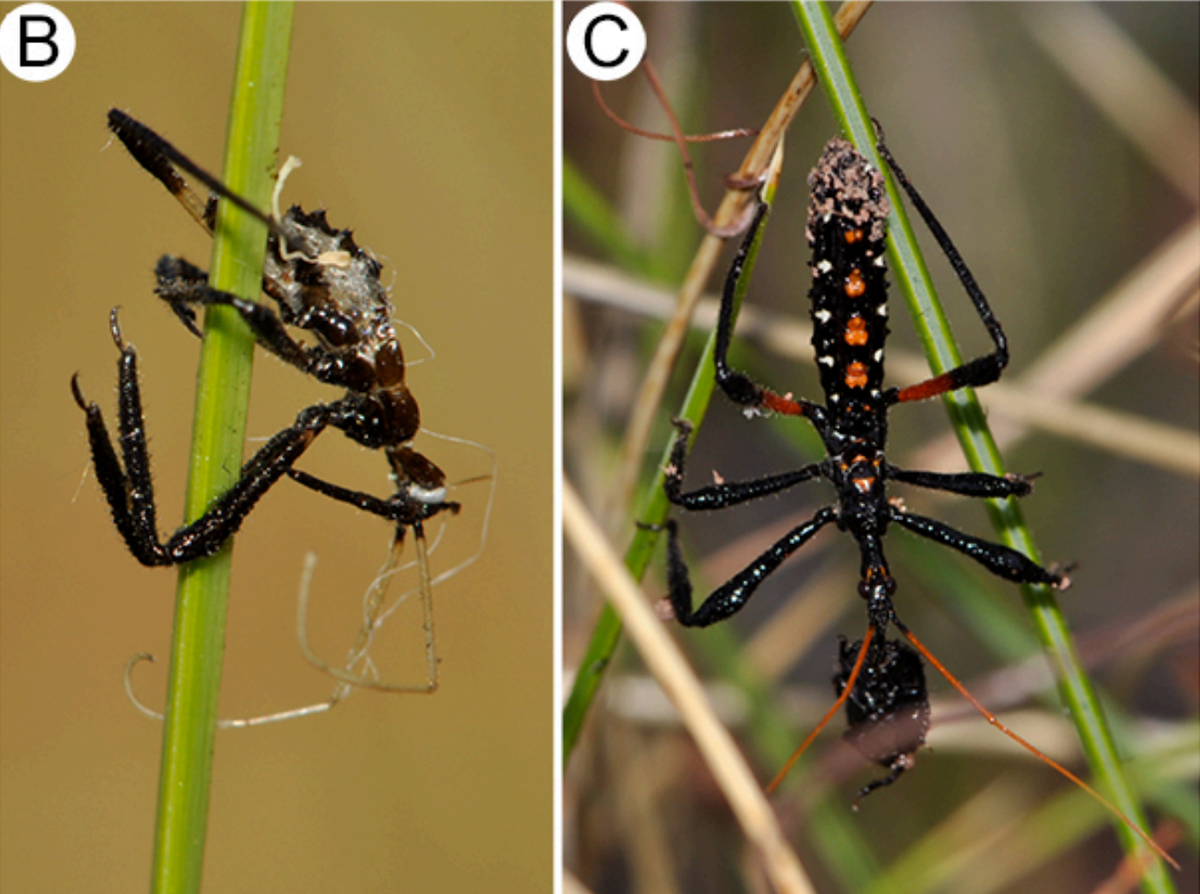
Spinifex-dwelling assassin bugs have “long, narrow” bodies less than an inch in length, the study said. They lack wings and are primarily black with some white, orange and yellow markings, photos show.
Generally, assassin bugs get their name from their predatory behavior, according to Britannica. Hunting styles vary by species but commonly include ambushing and piercing prey.
Some assassin bugs scavenge prey stuck to sticky plants, the study said.
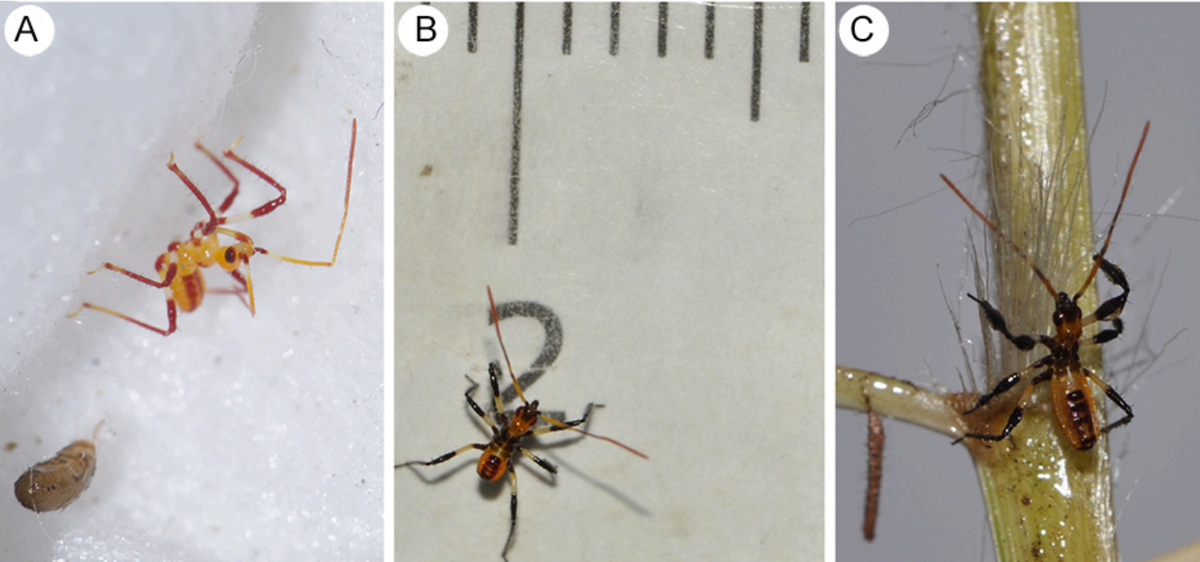
Researchers said they named the new species after the Miriwoong word “gajarrangarnang,” meaning “spinifex dweller,” after its preferred habitat and resin plant. “Miriwoong was once commonly spoken near the region where the (new species) was found, but is now a critically endangered language.”
So far, spinifex-dwelling assassin bugs have only been found in the Kimberley region of Western Australia, the study said. This remote region is a roughly 2,900-mile drive northwest of Sydney.
The new species was identified by its behavior, resin use, body shape, coloring and other subtle physical features, the study said. Researchers did not provide a DNA analysis of the new species.
The research team included Nikolai Tatarnic, Iria Chacón, and Fernando Soley.
This story was originally published October 29, 2024 at 9:58 AM with the headline "‘Assassin’-like creature seen covering itself in sticky resin. It’s a new species."