Mammals confiscated by police in India turn out to be ‘cryptic’ new species, study says
Scientists doing a routine analysis of confiscated wildlife in India started noticing a pattern in their data — and soon discovered a “cryptic” new species, already among “the most heavily trafficked mammals globally.”
Law enforcement in northeastern India seized pangolins and pangolin scales from wildlife traffickers and gave the specimens to scientists for forensic analysis, Mukesh Thakur, one of the researchers involved, told McClatchy News.
Pangolins are scaly, anteater-like mammals known for their long tongues, burrowing lifestyles and elusive habits. Throughout their homes in Africa and Asia, pangolins are threatened by poaching, habitat loss and other human-induced pressures.
As researchers analyzed the DNA of the confiscated pangolins, they noticed two patterns: Some of the scales belonged to the Chinese pangolin, a known species, but others were genetically distinct, according to a study published Jan. 7 in the peer-reviewed journal Mammalian Biology.
Intrigued, researchers tracked down one of these “cryptic” pangolins in Arunachal Pradesh. They measured the live animal, studied its appearance and released it in a wildlife sanctuary.
Looking at their data, researchers soon realized they’d discovered a new species: Manis indoburmanica, or the Indo-Burmese pangolin.
The Indo-Burmese pangolin looks “very similar” to the Chinese pangolin, which is part of why it “has often been overlooked,” Thakur, the study’s lead co-author, told McClatchy News. Two photos show the new species, which can reach over 3.5 feet long.
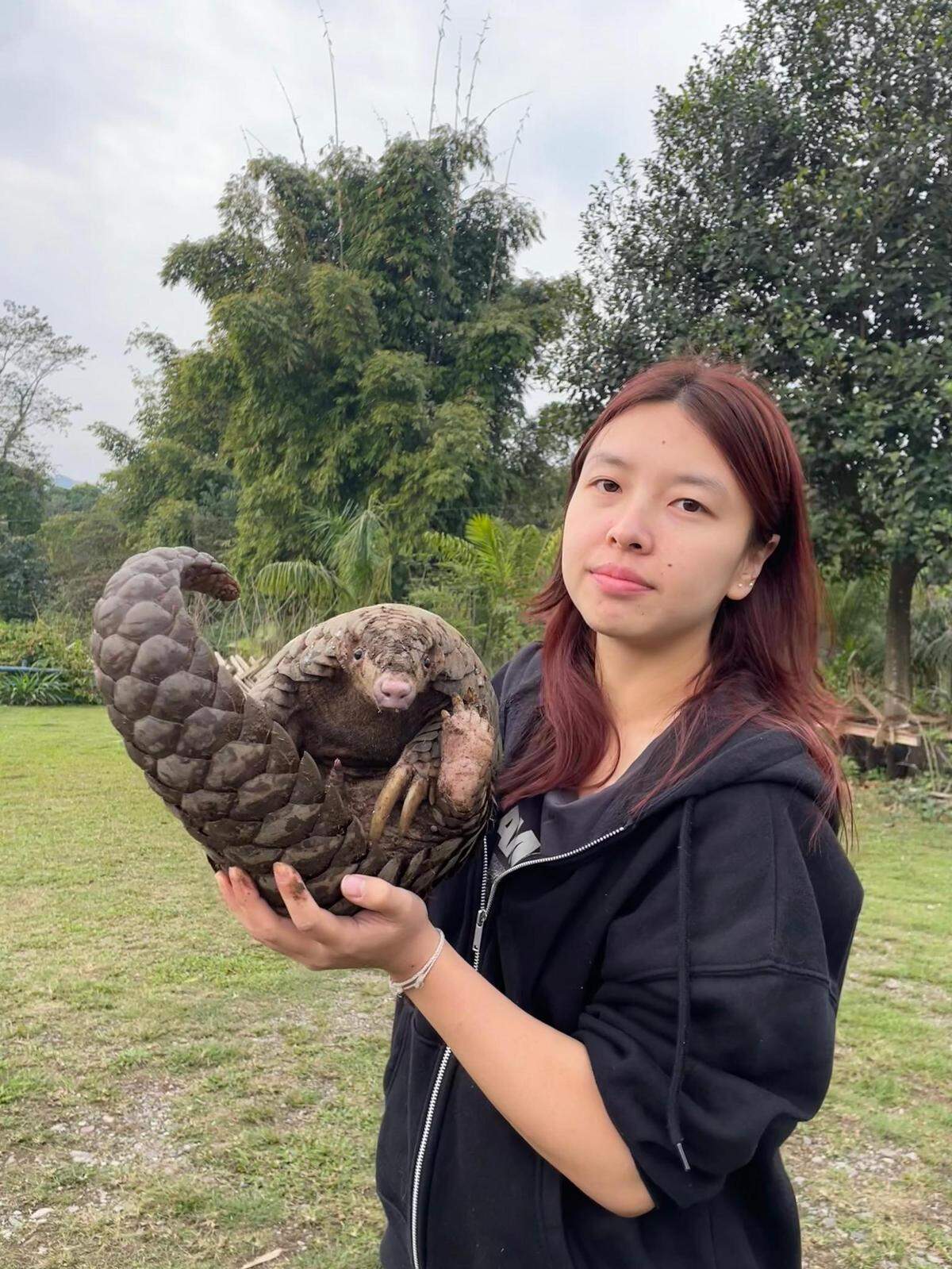
“Recognizing the Indo-Burmese pangolin as a distinct species amplifies its vulnerability,” Thakur said in a news release shared with McClatchy News. “This discovery calls for collaborative conservation efforts across its range to ensure its survival.”
Although considered a new species, Indo-Burmese pangolins are already affected by wildlife trafficking and face many of the same threats as other pangolin species. Much about its lifestyle and habitat remains unknown.
So far, the new species has been found in two neighboring states in northeastern India but likely also lives in nearby regions of Nepal, Bhutan and Myanmar, formerly known as Burma, the study said. Researchers named the new species after its range.
Researchers suggested further DNA analysis of pangolins and in-depth research of live Indo-Burmese pangolins.
The research team included Lenrik Konchok Wangmo, Avijit Ghosh, Stanzin Dolker, Bheem Dutt Joshi, Lalit Kumar Sharma and Thakur.
This story was originally published January 14, 2025 at 6:27 AM with the headline "Mammals confiscated by police in India turn out to be ‘cryptic’ new species, study says."