Poisonous creature — found among trash between houses — is a new species in Colombia
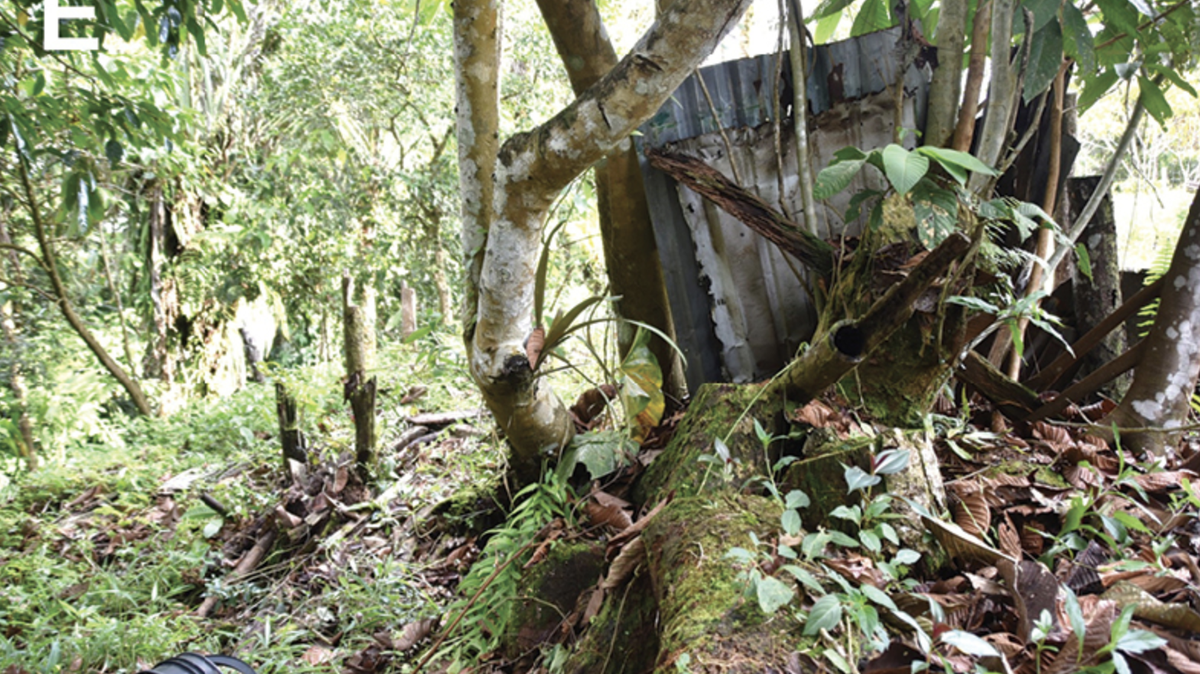
In the communities of western Colombia, small pockets of trees are fragmented between the houses. The areas create tiny ecosystems, but even these have been polluted by human garbage and waste.
The most dangerous thing in these bite-sized forests is not broken glass or chemicals — it’s a tiny, poisonous frog.
Epipedobates are species of poisonous frogs found in dry and humid tropical forests on the western side of the Andes in Colombia, Ecuador and northern Peru, according to a study published Feb. 6 in the peer-reviewed journal ZooKeys.
Researchers were searching for the frogs in surveys in 2014, 2016 and 2022 when they recorded a call they hadn’t heard before, according to the study.
They found the small amphibian making the noise and discovered it was a species new to science, researchers said.
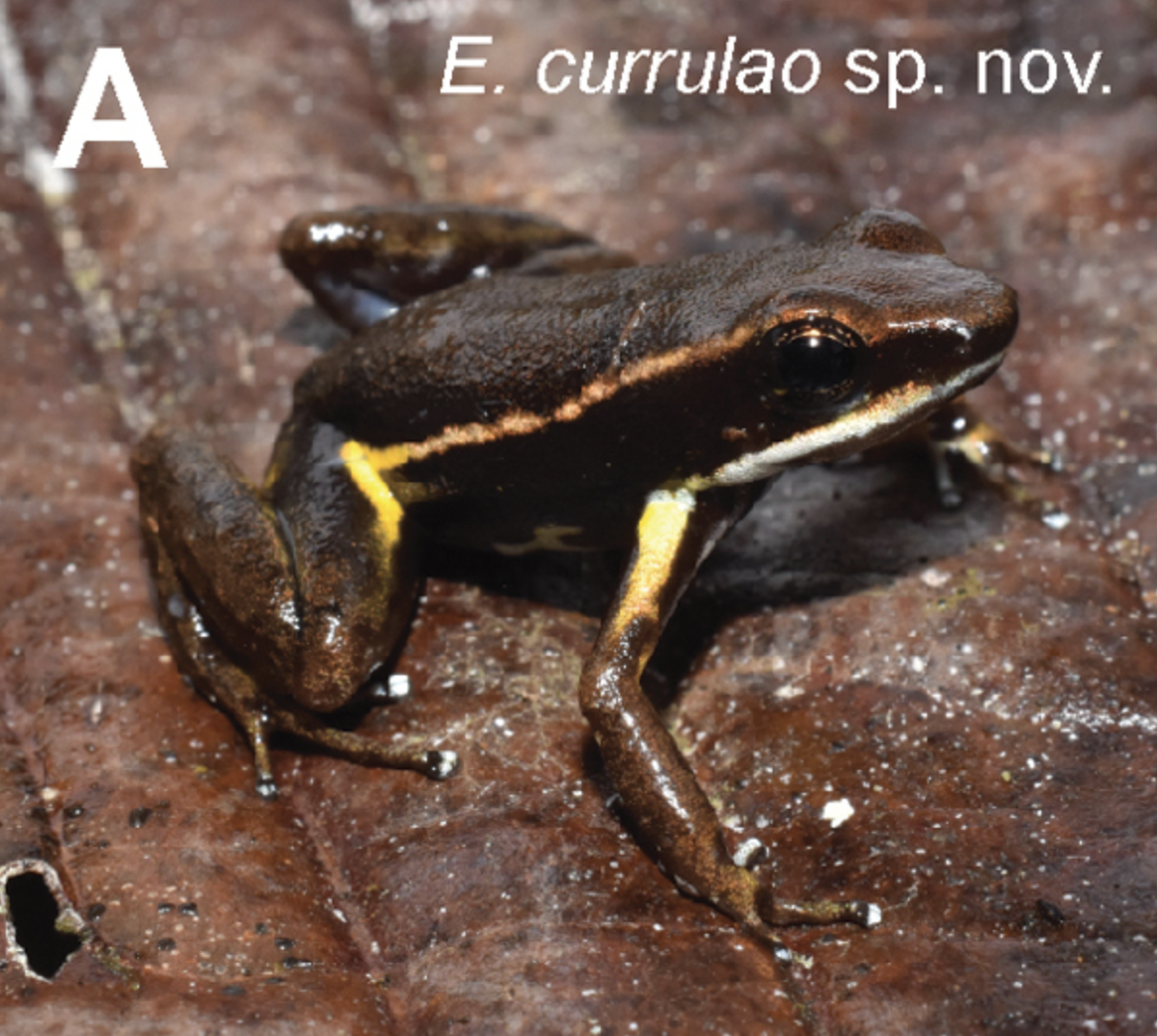
The new species is a “small dendrobatid frog,” meaning a brightly colored poison dart, or poison arrow frog, according to the study.
The frog is “uniformly brown” on its back, has “black sides, a white to yellow oblique lateral stripe, a bright yellow blotch” and a “pale-blue or turquoise” stomach with black spots, researchers said.
The frogs are about 0.7 inches long and let out a single loud call, according to the study.
“We find that the advertisement call of (the new species) is unique compared to other Epipedobates distributed in Colombia,” researchers said. The frog makes a single call while others are known from a series of calls up to three notes.
The frogs had previously been confused with another species, but upon close examination, the new species has a yellow-orange blotch on the side of its body that is white-yellow on other frogs, according to the study.
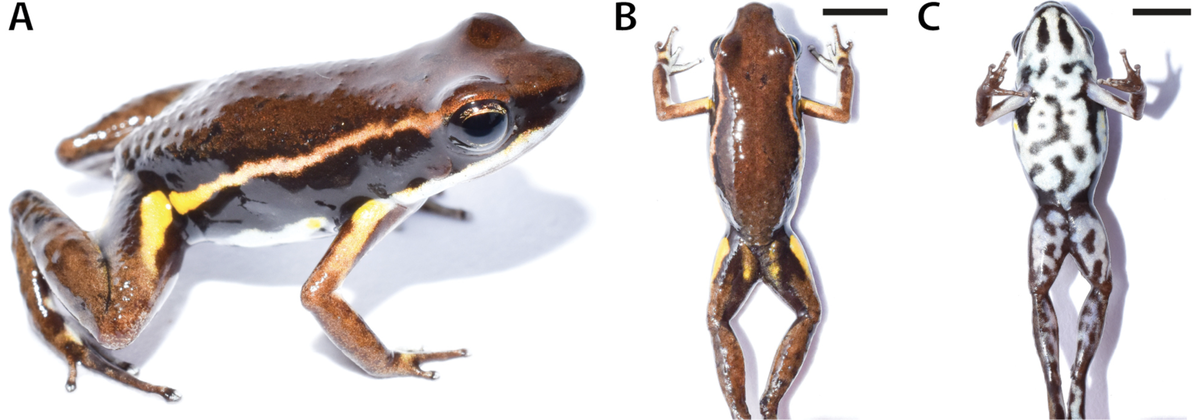
The new species was named Epipedobates currulao, or the Currulao Nurse Frog.
“Currulao” is a type of musical genre found on the Pacific coast of Colombia and Ecuador, also called “bambuco viejo,” according to the study. The genre is based in Afro-Colombian culture and “is a symbol of resilience in the face of racial and regional oppression,” researchers said.
The genre originated from African slaves brought to Colombia to work in gold mines and was later part of a land rights movement in 1993, according to the study.
“We named this species in honor of, and as an homage to, this musical genre that represents the culture of the southern Colombian Pacific because: ‘la música, como la vida, no se pueden dejar perder,’ which translates to ‘music, like life, cannot be allowed to be lost,’” researchers said.
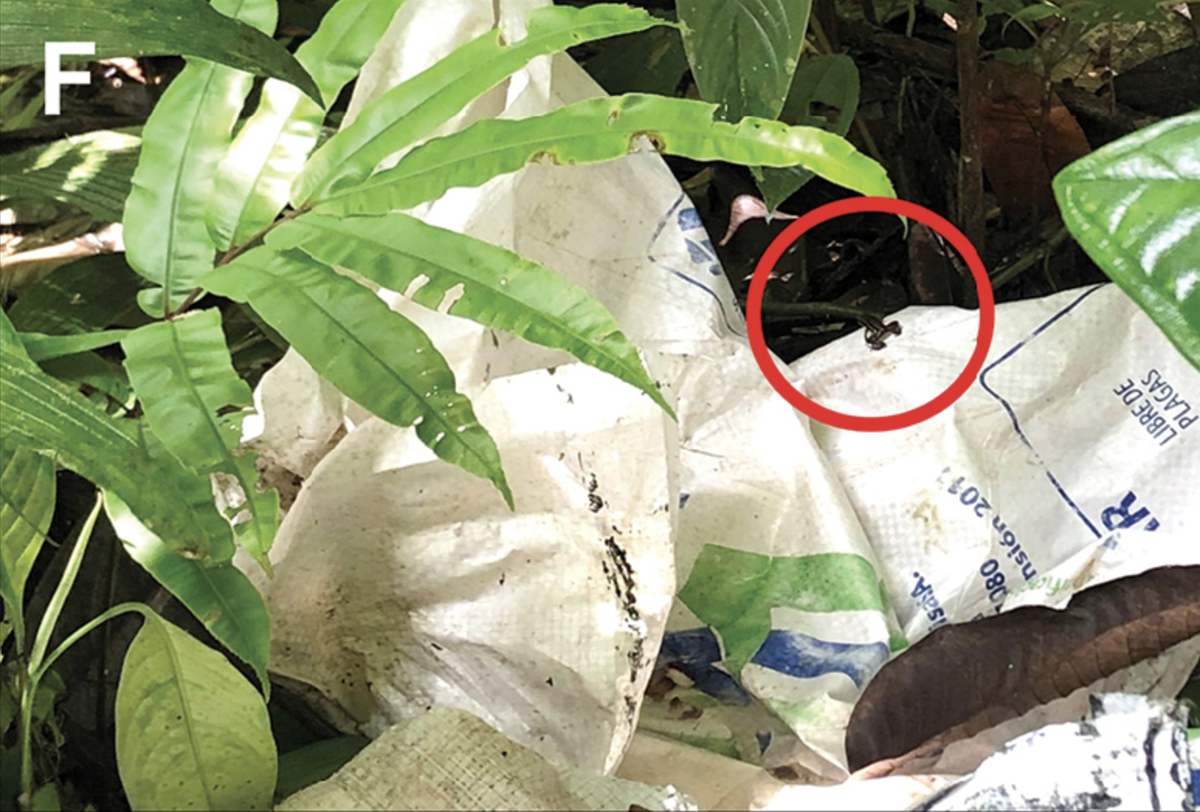
The new species lives on the ground and is active during the day near agroforestry areas, on the edges of younger forests or close to marshes and slow-flowing streams, according to the study.
“We observed individuals actively moving among the grass and leaf litter, or actively calling at the edges of water bodies. The (place where the primary specimen was found) includes tiny forest fragments among human dwellings. Usually, these areas are contaminated with garbage or agricultural residues,” researchers said.
The frogs were particularly vocal in the morning and late afternoon, according to the study.
Researchers suggest that the species be listed as “near threatened” because of the environmental stressors facing the animals, ranging from construction and garbage to forest fragmentation and loss of habitat. The species was relatively abundant in the search areas, researchers said, but its range includes areas of severe deforestation.
The new species was found in Ladrilleros, on the western Pacific coast of Colombia.
The research team includes Mileidy Betancourth-Cundar, Juan Camilo Ríos-Orjuela, Andrew J. Crawford, David C. Cannatella and Rebecca D. Tarvin.
This story was originally published February 7, 2025 at 8:25 AM with the headline "Poisonous creature — found among trash between houses — is a new species in Colombia."