Will California go all-in on sports betting? Here’s who wants a hold on the industry
READ MORE
Sports Betting in California
Online gaming giants, card rooms and California’s Native American tribes are all angling to legalize sports betting in California through ballot initiatives in 2022.
Expand All

Will California go all-in on sports betting? Here’s who wants a hold on the industry
Four sports betting initiatives are heading toward California voters. Here’s what they would do
Should California legalize sports betting? Vote now in The Bee’s poll
What you need to know about legal sports betting in California
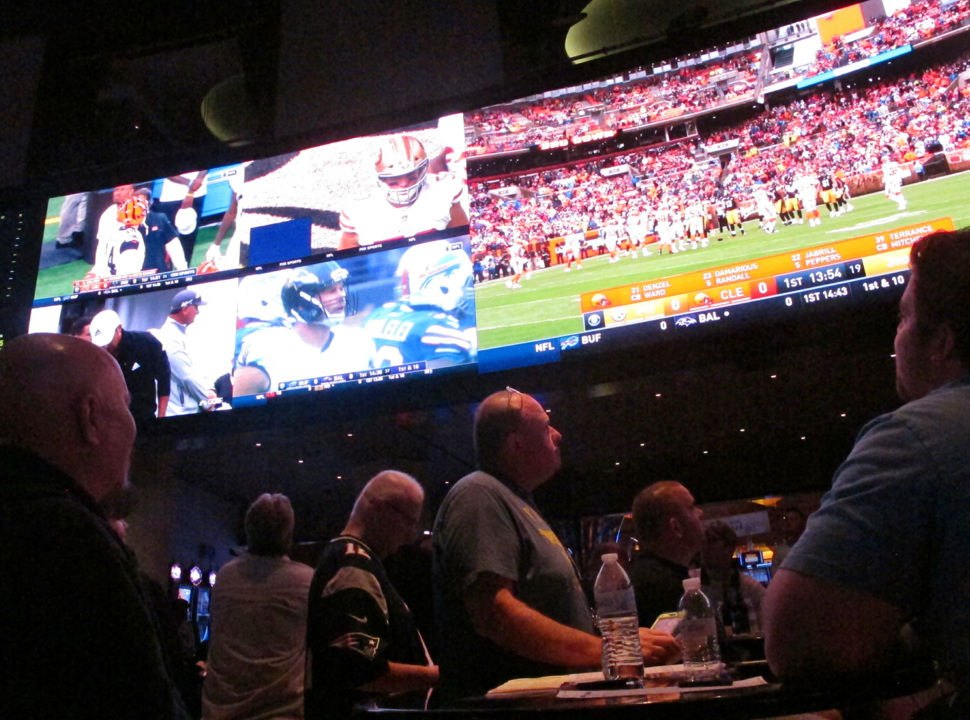
On any given Sunday during football season, Californians pack the sports book room at the Atlantis Casino and resort in Reno.
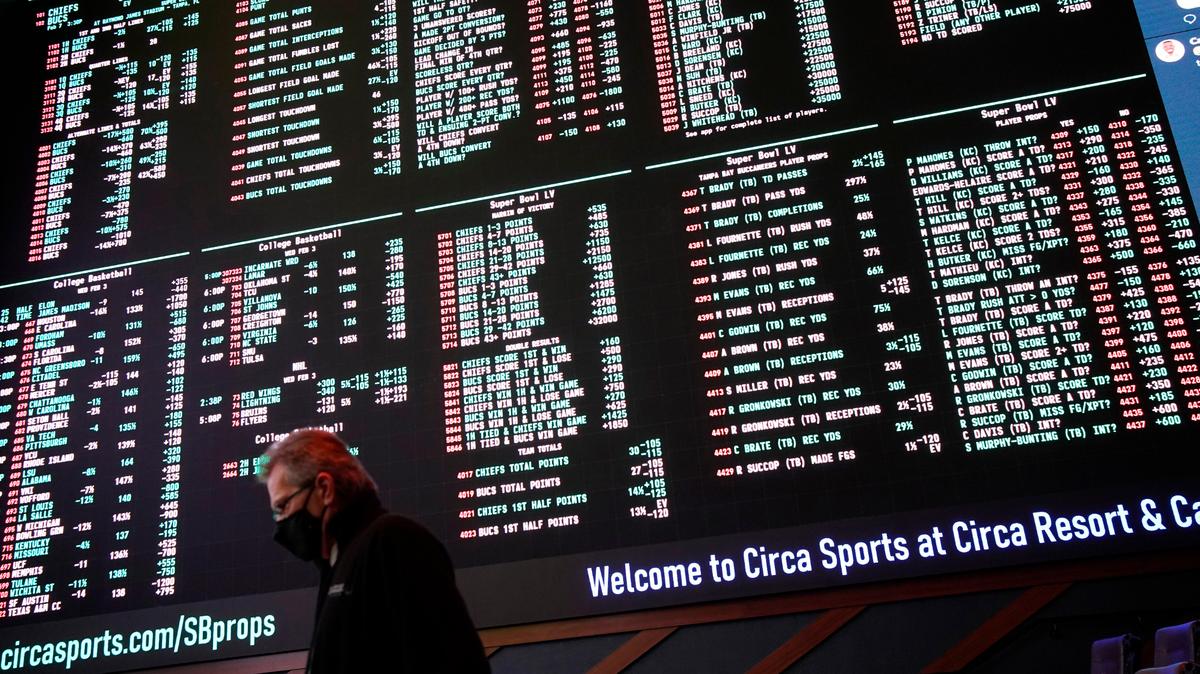
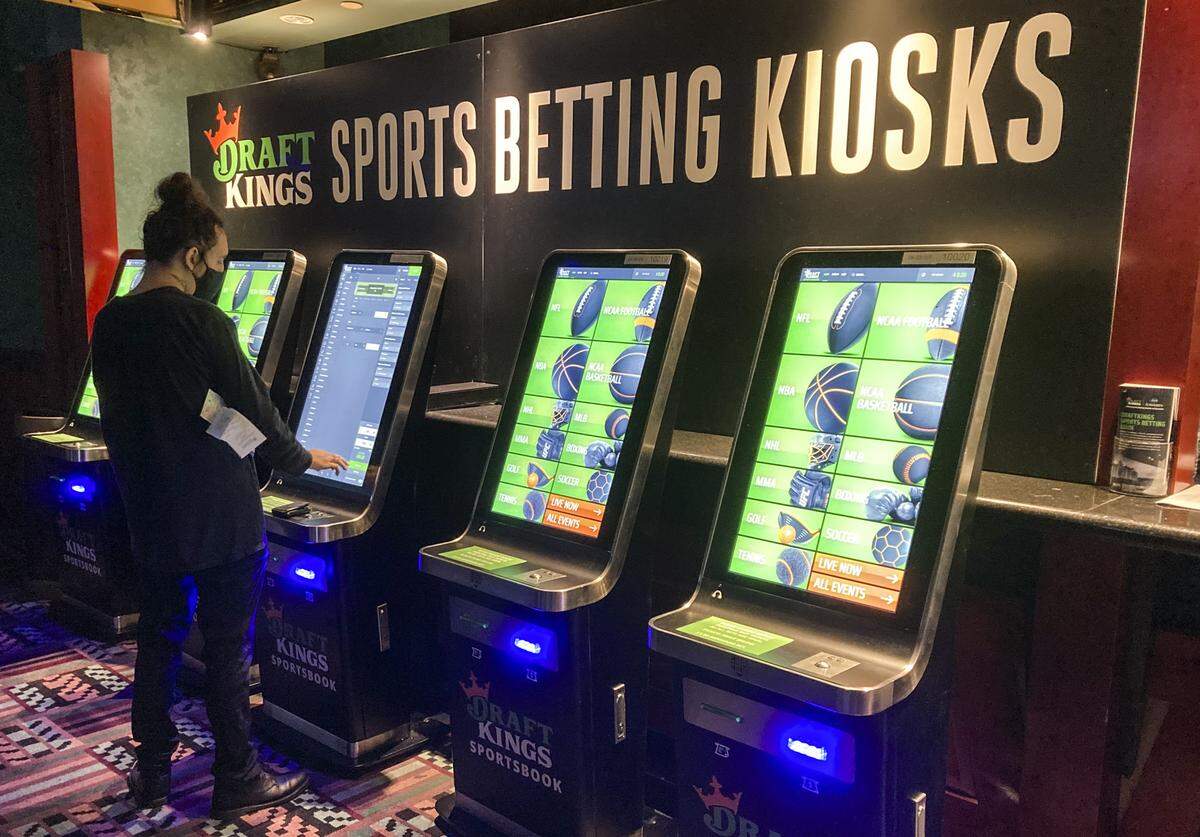
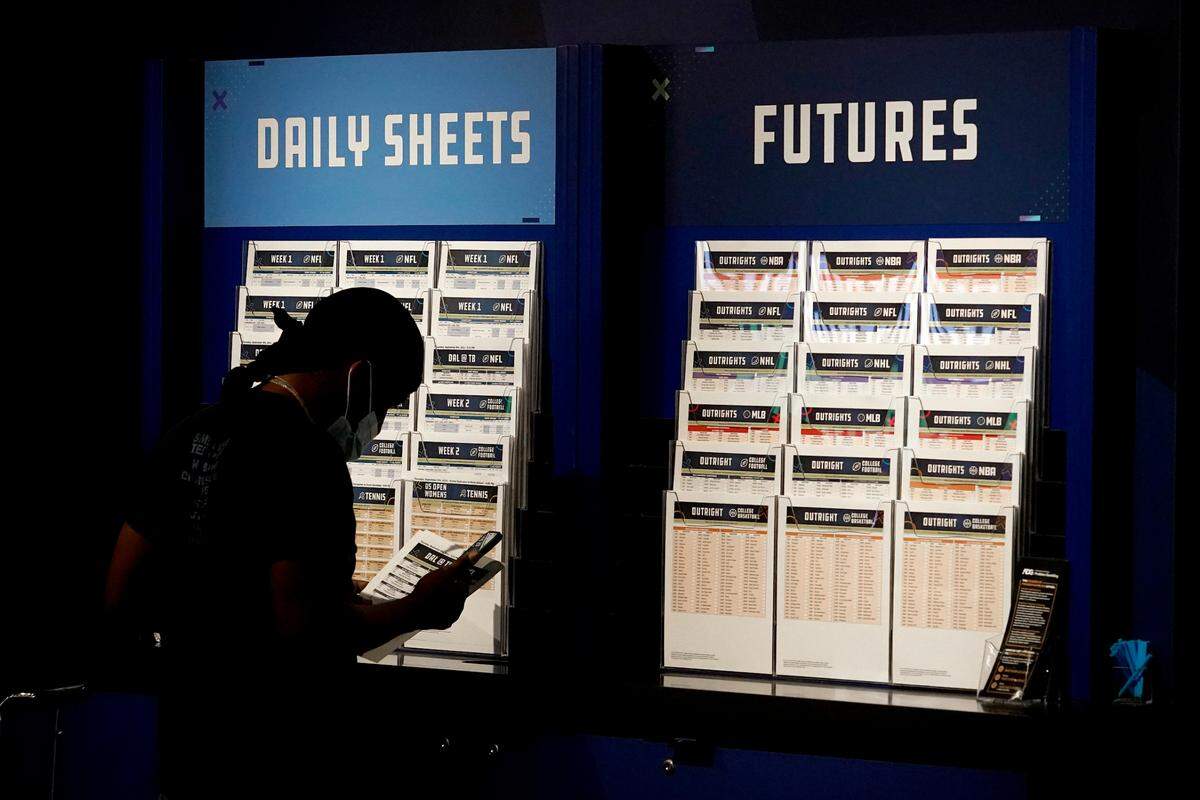
Fans arrive as early as 7:30 a.m. to watch the NFL. They make bets with a clerk at the counter or through self-serve kiosks. They place wagers on which teams will win, how many passing yards their favorite quarterback will record, or hundreds of other results that play out on screens lining the walls.
Some patrons spend all day watching football on the resort’s 75-inch flat screens — making bets from plush chairs while eating hot dogs and drinking beer.
Across the border, a mere 25 minutes away, such activities are illegal. That could change next year if California voters approve a change to the state constitution.
Online gaming giants, card rooms and California’s Native American tribes are all angling to legalize sports betting in California through ballot initiatives next year. At stake is the chance to control a fast-growing, lucrative industry and, possibly, the future of gambling in California.
The winner could determine where, when and how Californians bet on sporting events for years to come. The fight for one of the largest gambling markets in the U.S. is likely to get expensive and contentious.
“You are talking about a situation where the size and uniqueness of the opportunity combined with the diversity of the stakeholder groups … make any kind of universal compromise difficult, if not impossible to achieve,” said Chris Grove, a gambling industry analyst and partner at Eilers & Krejcik research firm.
The gaming industry, writ large, is changing.
After a 2018 Supreme Court case legalized sports betting, mobile operators such as DraftKings and FanDuel exploded across the U.S. Today, online sports betting is legal in 21 states, representing 40% of the population and creating an industry that is expected to make $3.8 billion by the end of the year.
Despite often being touted as a leader in economics and industry, the Golden State has yet to legalize sports betting.
California, which Grove called “the largest and most economically productive state in the U.S.,” represents a high-stakes opportunity for whoever is able to control sports betting — and whatever comes after. Many anticipate mobile sports betting will precede a wider array of mobile gambling akin to what is currently popular in the U.K.
But with outside gaming giants looking to set up shop in the Golden State, some tribes worry the dawn of sports betting could upend decades of exclusive rights to certain gambling.
Victor Rocha, conference chairman at the National Indian Gaming Association and publisher of Pechanga.net, said efforts by outside parties to take control of gambling in California is patronizing to tribes.
Similar battles plague other tribes across the country, Rocha said, like in Arizona, which recently opened up sports betting to professional sports teams.
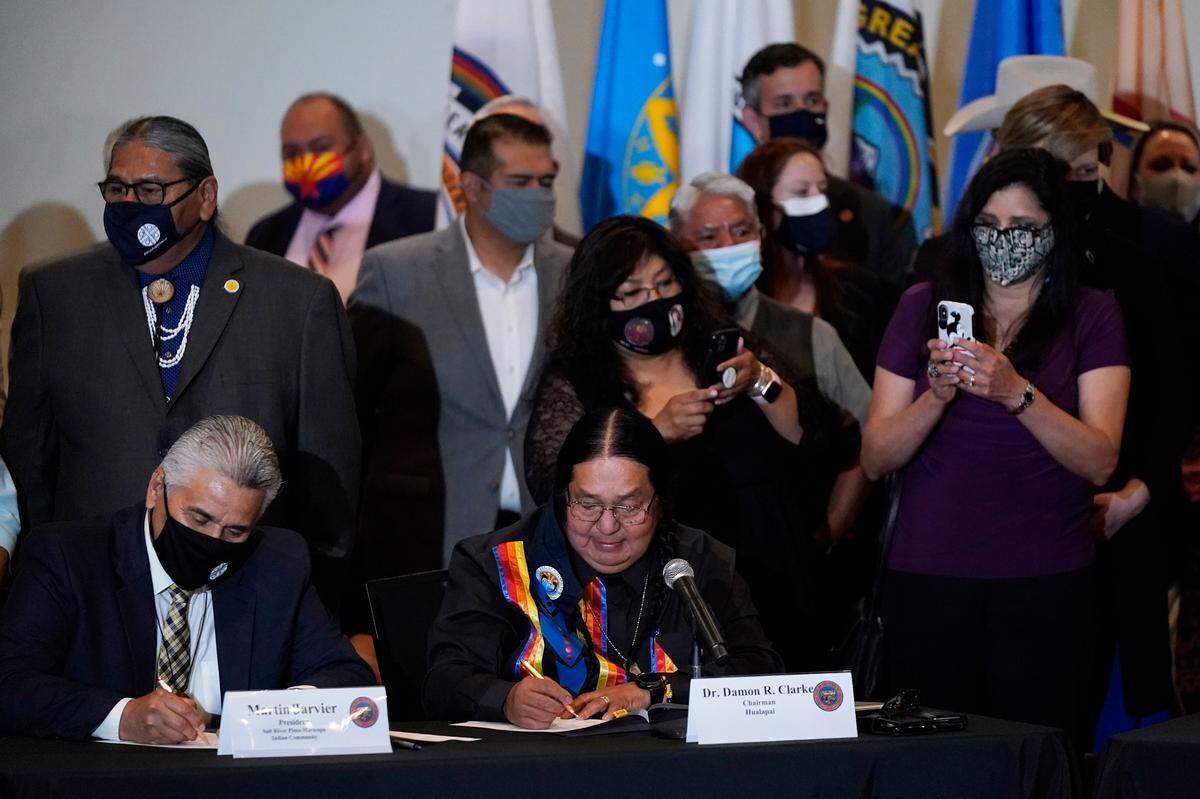
“For tribes, there’s never been something that they’ve had that has been productive and fruitful that hasn’t been taken away from them,” Rocha said. “Look at the land, look at the water, look at the minerals, look at the air.”
A majority of California tribes, about 80%, don’t have major gaming operations, however. Some leaders worry a sports betting deal will leave the small tribes behind.
Daniel Salgado, chairman of the Cahuilla Tribe, is leading a coalition of small and non-gaming tribes in California on the sports betting issue.
“Our coalition of small and non-gaming tribes will be looking hard at all of these sports-wagering proposals, to make sure those living in poverty get some benefits from whatever is proposed,” he said in a statement.
Sports betting initiatives
Online or mobile betting would let gamblers cast a bet on a professional or collegiate sports game. Retail betting, often called brick-and-mortar or in-person betting, would let gamblers place bets at a physical location like a casino or card room.
No national standard exists for conducting sports betting. In Nevada, for example, patrons must apply to physical casino locations to bet through apps from the comfort of their own homes.
State lawmakers have tried, unsuccessfully, in recent years to work out a scheme for sports betting that satisfies all parties.
A 2020 ballot measure, introduced during the pandemic, fizzled out before it could qualify for the November 2020 election.
In 2022, California voters could consider a slate of constitutional amendments related to betting. Four initiatives are brewing, and one has already qualified for the November ballot.
The Pechanga, Barona, Agua Caliente and Yocha Dehe Tribes introduced that measure in late 2019. It would let federally recognized Native American tribes operate in-person sports betting on tribal lands. It also adds the right to offer roulette and dice games, which would help tribal casinos compete with Las Vegas operators.
It would also authorize private lawsuits to enforce other gambling laws, opening an avenue for tribes to go after other gambling operators, such as card rooms.
But the measure says nothing about mobile betting. That’s where the card rooms come in.
The second initiative is backed by the leaders of four cities with card rooms, and would legalize in-person and online sports betting. It would also let licensed gambling establishments, such as card rooms, conduct additional games played with cards or tiles, games normally limited to tribal casinos.
Next, enter the online bookies.
The California Solutions to Homelessness and Mental Health Support Act would legalize online sports betting and direct 85% of the tax revenue to homelessness programs and 15% to non-gaming tribes. It does not legalize in-person betting.
Gaming companies such as DraftKings, FanDuel and WynnBET put $100 million behind the measure. Proponents argue that it’s complementary to the first measure introduced by tribes, as it would require all outside betting companies to contract with the tribes to operate in California.
But despite efforts to sweeten the deal, no tribes have backed the DraftKings effort.
In states where mobile giants like DraftKings and FanDuel can operate, they are typically the leading brands in those markets, said Grove, the gaming analyst.
It could explain why tribes aren’t interested in a shared deal.
In late October, the leaders of the Rincon, Graton Rancheria and Wilton Rancheria sent a letter to all state tribes asking for their input on a fourth initiative. This one, unlike the initiative introduced by Pechanga in 2019, would legalize in-person and online sports betting, but only through federally-recognized tribes with lands in California.
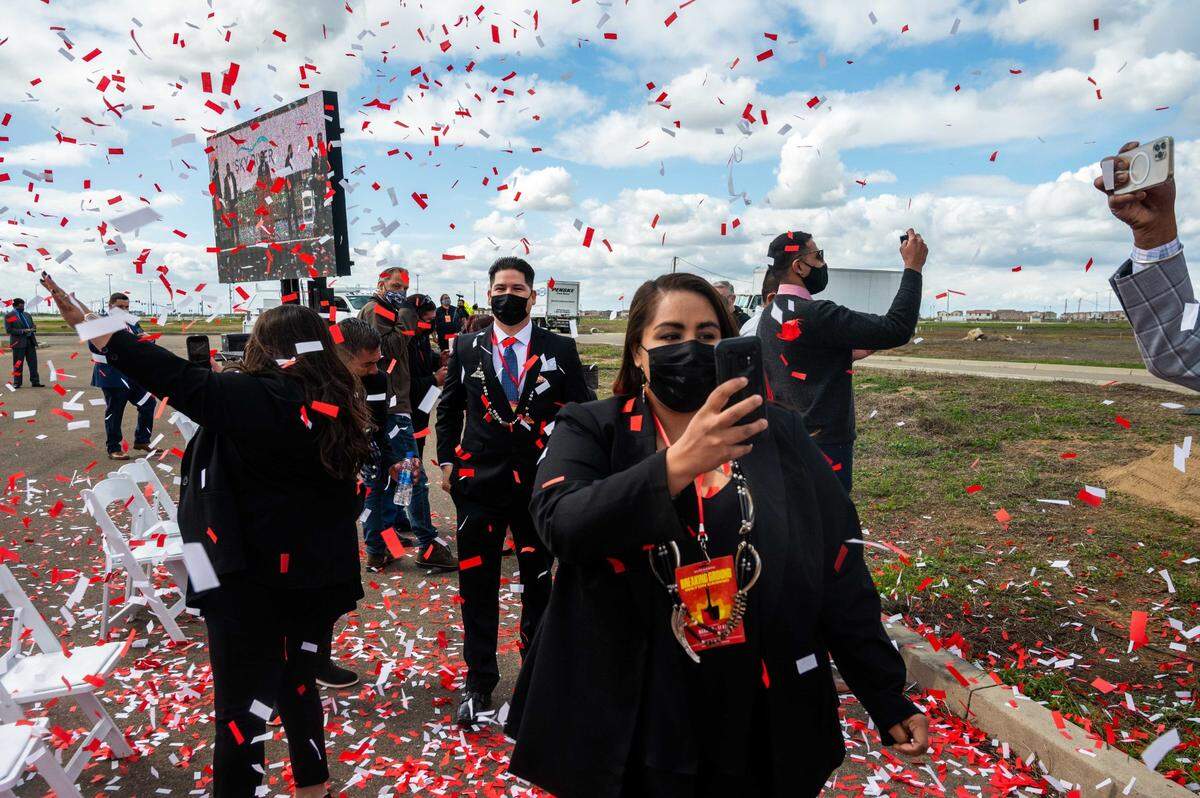
“If the DraftKings Measure or the Cardrooms Measure passes in November 2022, tribes would lose their exclusivity to class III gaming in California,” the letter said, in part. “Such passage would accelerate the legalization of online gaming by non-tribal interests, threatening the existence of Indian gaming as we know it.”
The tribes submitted that initiative, the fourth of its kind, in early November. It explicitly prohibits tribes from partnering with non-tribal entities to offer sports betting in California.
The measure also lets tribes offer games such as craps and roulette in a way that would replicate the games played in Las Vegas casinos.
Rob Stutzman, a longtime Republican consultant who represents the San Manuel tribes, one of those backing the initiative, said tribes are looking not just at sports betting, but other ways to expand their gaming.
“What they really want is craps and roulette,” he said. “If they have craps and roulette, they basically can replicate the Vegas offering.”
Sports betting revenue
Sports betting is already happening illegally in California, backers say, and by creating a legal market, the state could generate millions in tax revenue.
How the state would use that revenue, however, differs depending on the initiative.
The measure backed by DraftKings would charge a 10% tax on sports betting revenue — potentially creating “hundreds of millions” in revenue that would go largely to homelessness programs.
The mayors of Long Beach, Sacramento, Oakland, and Fresno all support this plan, saying it would help combat one of the state’s most pervasive problems.
The two initiatives backed by different groups of tribes would also both enact a 10% tax on sports betting revenue. The money would go toward various social programs related to problem gambling, mental health and homelessness programs.
For comparison, Nevada charges a 6.75% tax rate on sports betting revenue, and New York charges 10%, according to the American Gaming Association.

The measure backed by card rooms, however, is a bit different. It would impose a 15% tax on gaming revenue, the highest tax of any of the initiatives.
The revenue created from the card room initiative would first go to enforcement and problem-gambling programs, and any remaining funds to public education, homelessness, affordable housing, and mental health programs.
It’s not just state tax revenue at stake. Some groups stand to gain or lose serious cash in the sports betting battle.
Four cities back the card room measure, including Inglewood, Gardena, Colma, and San Jose. All rely heavily on tax revenue from card rooms to fund their city budgets, said Matthew Reilly, a consultant representing the group of cities.
In 2019, for example, card room revenue made up 14% of Gardena’s entire annual budget.
If voters legalize private action against gambling entities, as one of the tribal initiatives proposes, it would be “open season” on card rooms, Reilly said, which could put a serious dent in city budgets.
“If you are a deep-pocketed entity and you want to frivolously go after a card club ... tie them up in courts for any and everything, you don’t have to go to the (attorney general’s) office,” he said. “You can make them spend on lawyers until the cows come home.”
For some tribes, gambling operations are not just a business income. The revenue from casinos often runs tribal government: providing shelter, health care and education to tribal members.
“For us, it’s very deep and very real,” said Rocha. “You know, it isn’t just another big pool in Las Vegas or something like that.”
Salgado, the Cahuilla chairman leading a coalition of small tribes, said he’s concerned that a sports betting deal may only further push out the tribes who don’t currently reap the rewards of gaming.
“Gaming has been a great blessing for our brothers and sisters, and while we have stayed supporting their growing success, many of the most impoverished and needy tribes remain on the outside looking in,” he said in a statement. “As we contemplate sports wagering, we have an opportunity to make things more fair.”
Campaign money for gambling rights
Imagining a scenario in which all gaming parties get what they want is difficult. Who comes out on top could come down to how much they’re willing to spend.
Generally speaking, opposing an initiative is easier than supporting one, Grove said. The DraftKings measure already has $100 million behind it. Reilly, who represents the coalition of cities with card rooms, said one of the backers has nearly $10 million ready.
How much the various tribes are willing to spend in the fight over sports betting is unclear. But revenues indicate they have deep pockets. Per the California Indian Nations Gaming Association, tribal government gaming generated $7.8 billion in economic output in 2014.
That’s nearly double the amount the entire online sports betting industry is expected to generate by the end of 2021.
Whatever the outcome may be, analysts expect the battle over sports betting in California to be a costly one.
“This will be, full stop, the most expensive ... sports betting initiative that the U.S. has seen to date and will likely ever see,” Grove said.
This story was originally published December 3, 2021 at 5:00 AM.