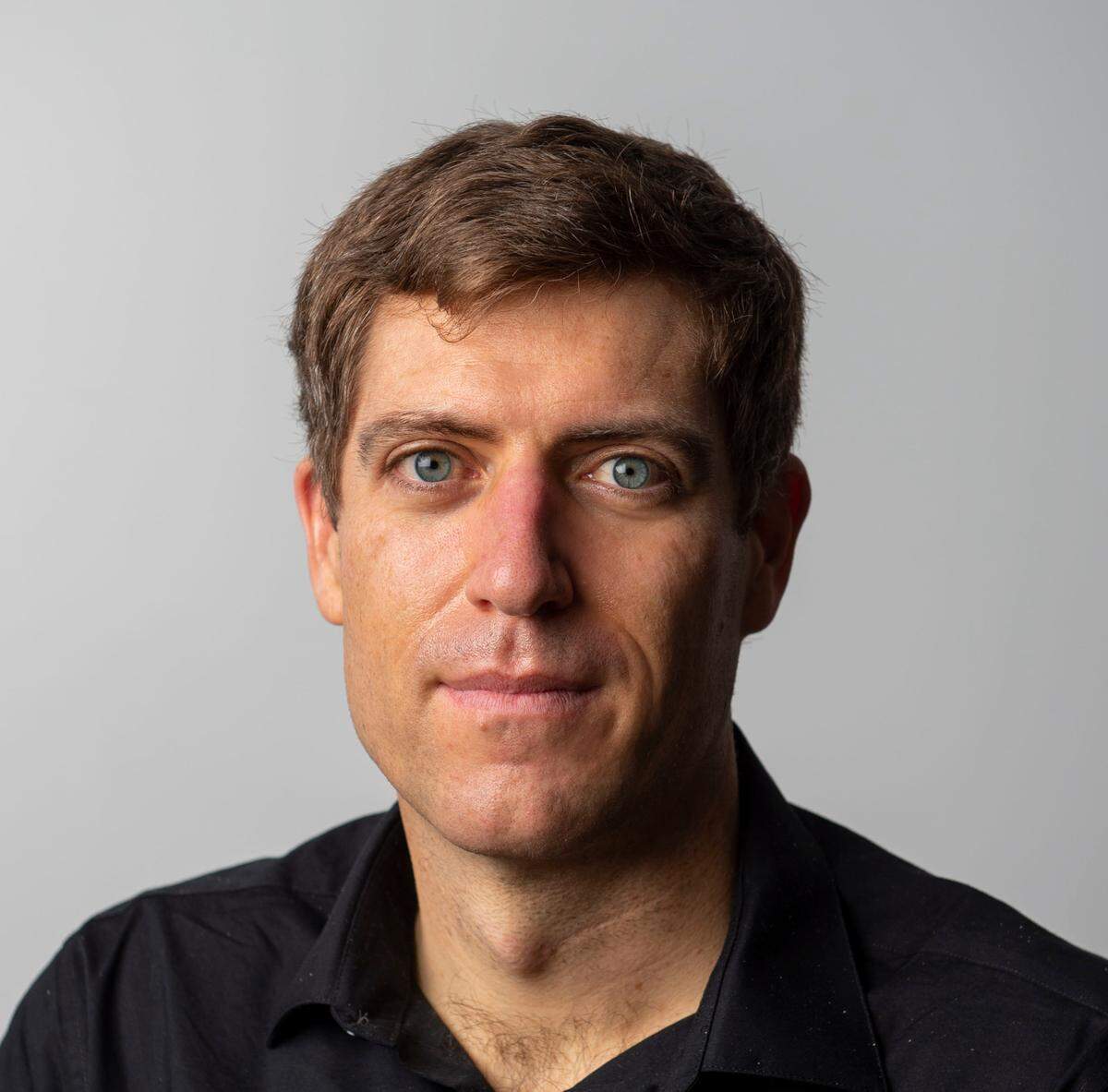
At Sacramento’s immigration court, these volunteers have their eyes on ICE
.JPG "Niko Volonakis greets and checks in an individual who is meeting with immigration authorities outside the John E. Moss federal building in downtown Sacramento on Tuesday, July 22, 2025. Individuals may have an immigration check-in, interviews, or court hearings.")
AI-generated summary reviewed by our newsroom.
- Volunteers monitor immigrant hearings to track ICE activity and support detainees.
- Court watchers document enforcement, notify attorneys, and assist affected families.
- There is a constant presence even with fewer detentions in recent weeks.
Heidi Phipps studied the papers posted on a bulletin board inside Sacramento Immigration Court as if she were searching names on a cast list for a high school play. It was before 8:30 a.m. and the third day in a row last month she had spent in a court waiting room, looking to see who was supposed to appear before a judge.
Twenty people were on the list she hoped would leave the courthouse that morning without being detained.
“It feels like ‘Groundhog Day,’” Phipps said to another volunteer in the room, referring to the movie in which actor Bill Murray relives the same day over and over.
She clutched a clipboard and waited.
Phipps, 39, leads a group of volunteers that has provided the most reliable account of immigration enforcement in the Sacramento area. Every day, immigrants go to the courthouse to try to convince a judge and government attorneys why they should be able to stay in the U.S. And every day, the volunteers listen to hearings for hours, escort people through the building, and track plain-clothes officers.
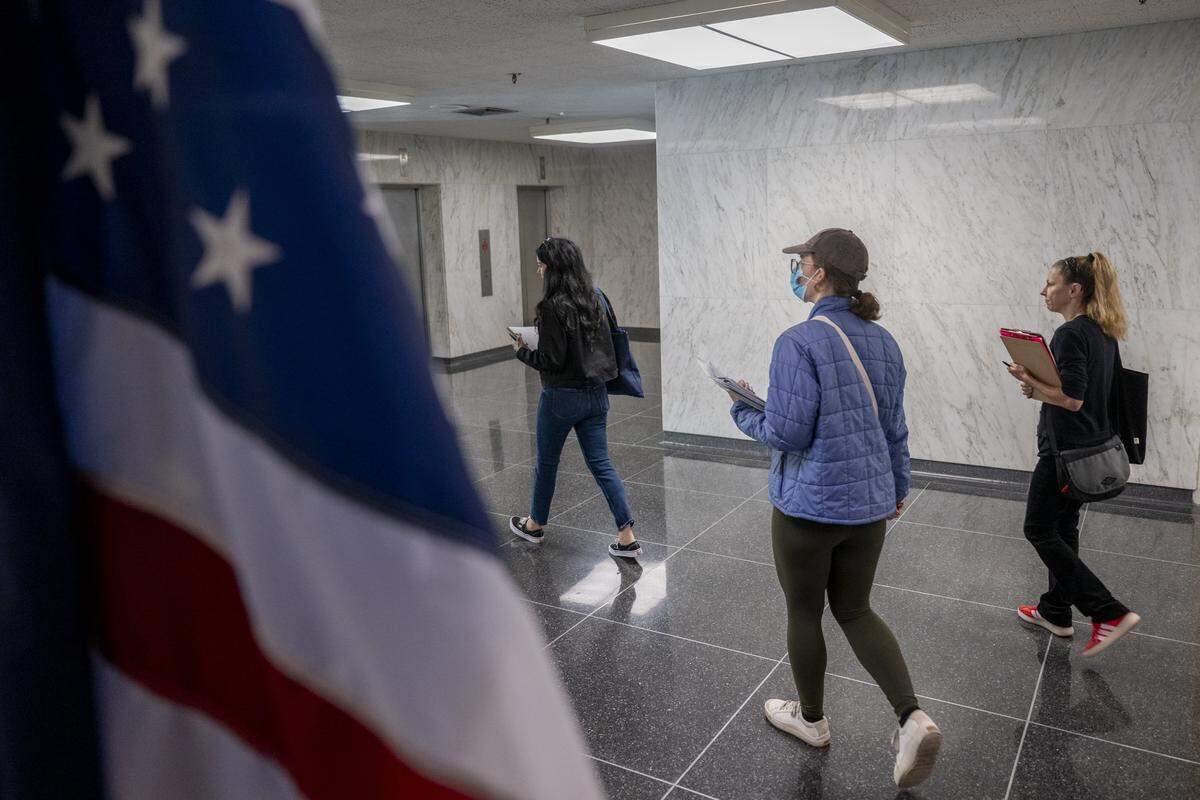
The initiative from the activist organization NorCal Resist began after federal authorities in late May detained three people — from Venezuela and Haiti — who attended their court hearings. Previously, officers were only supposed to take people into custody at immigration courthouses in limited circumstances. But the aggressive enforcement strategy is part of the Donald Trump administration’s effort to ramp up deportations nationwide. Nonprofits and people who were detained across the country are challenging the policy in federal court.
The most consistent display of immigration enforcement in the region has played out in the Sacramento court’s quiet hallways.
Officers have taken at least 38 people into custody who showed up for hearings, according to attorneys. The court watchers have seen many of them, in some cases coming face-to-face with U.S. Immigration and Customs Enforcement officers while people are detained.
The volunteers are often the only people in the waiting rooms, outside of immigrants with hearings, their family members and security guards.
“Just having someone present is so much more critical and crucial right now,” said Kamalpreet Chohan, an attorney for the California Immigration Project, which provides free legal help for people who don’t have lawyers. “There’s no way to describe how important it is.”
About 40 people regularly observe at the court, said NorCal Resist volunteer Autumn Gonzalez.
Their job is often anti-climactic.
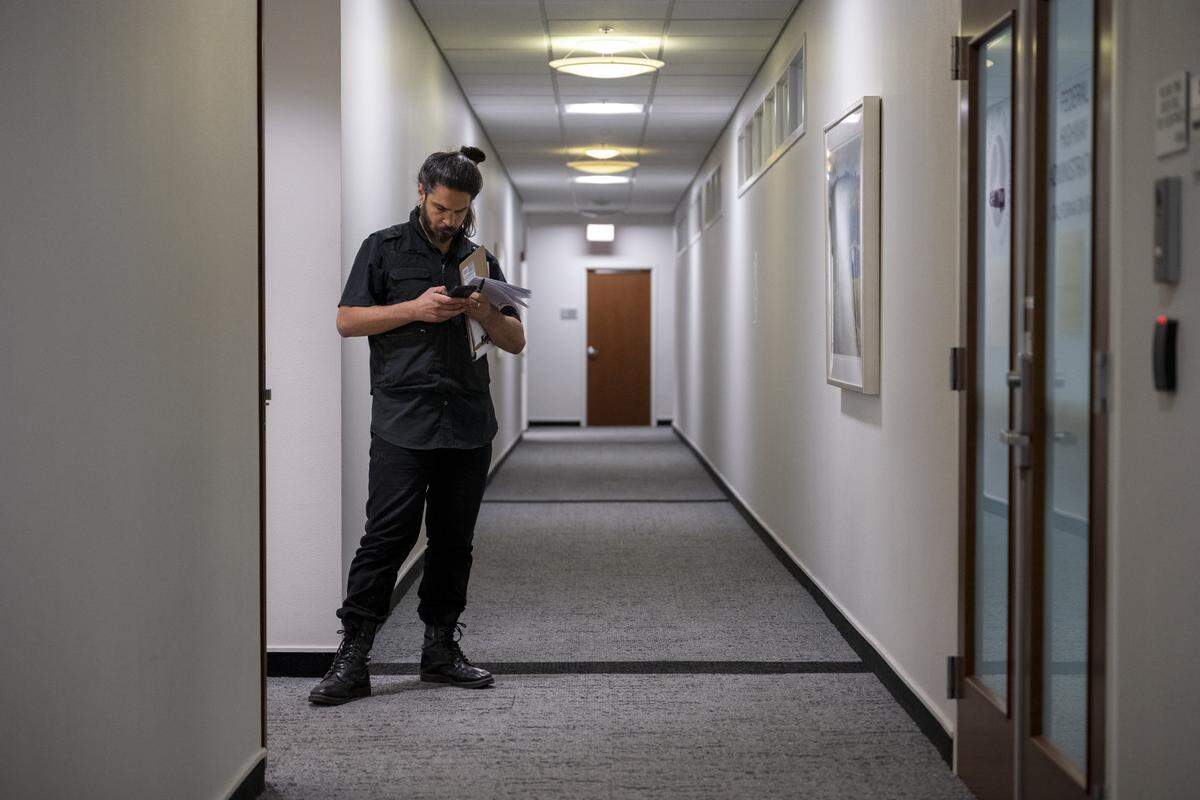
No ICE officers were in the waiting room on the recent July morning. Just like the two previous days, Phipps didn’t see anyone taken into custody. Detentions have dropped off after surging in June. Instead of standing in hallways outside courtrooms in T-shirts and tactical pants, officers have largely been absent.
Even so, Phipps worries that detentions would increase again if she and other volunteers stopped showing up.
“We need more people.”
‘No ICE right here?’
Niko Volonakis, a volunteer, begins most of his days observing the court around 7 a.m., greeting people as they approach the courthouse on Capitol Mall.
It houses many offices, including ones for federal agencies that oversee health, weather and highways. Along with court hearings, people also go there for citizenship interviews, naturalization ceremonies and for check-in appointments with ICE. The agency’s division that detains and deports people has an office there.
If an appointment is immigration-related, Volonakis, 37, knows where the person needs to go. Court hearings are held on the building’s fourth and fifth floors.
“If we look after each other, everyone wins,” he said last month.
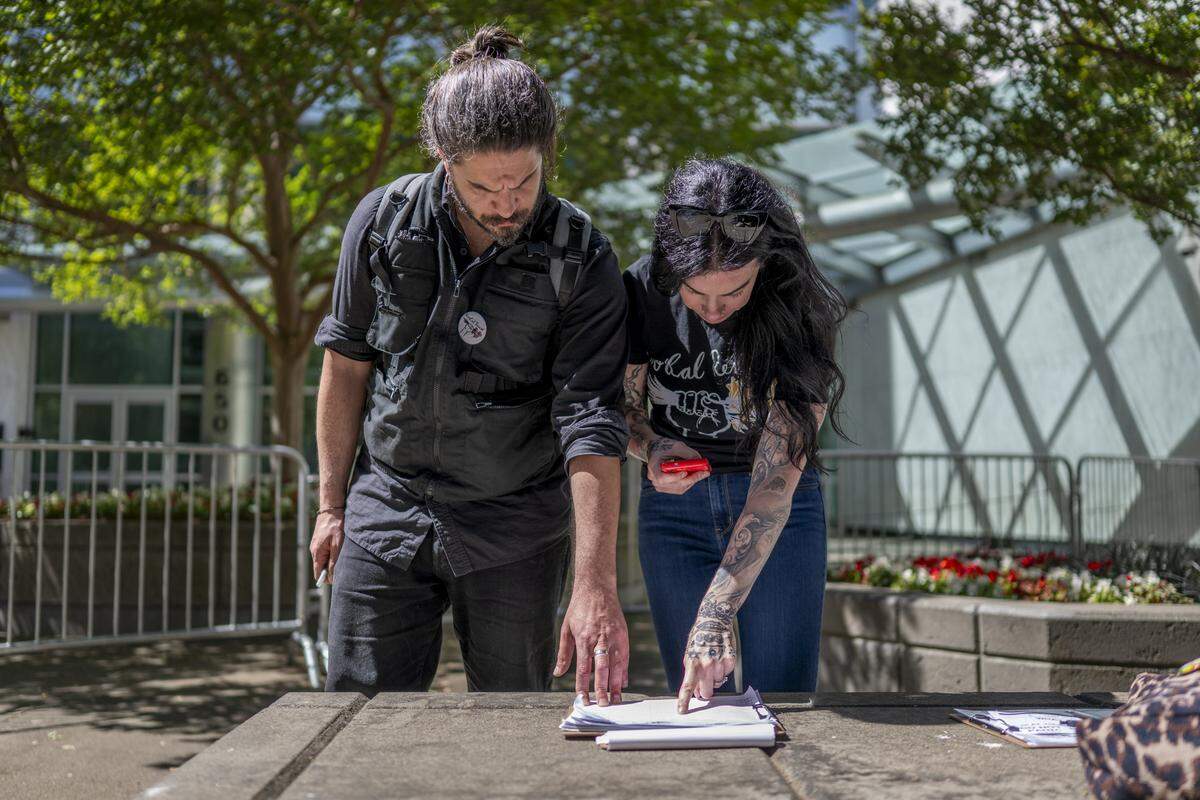
Volunteers ask people showing up for hearings if they are willing to share their name, immigration identification number and a way to reach an emergency contact in case they are detained. They carry papers translated into several languages if the person doesn’t understand English.
Sometimes people give the court observers a skeptical look and decline to share their information. But many others have.
The task has multiple purposes: If someone is detained, volunteers can alert immigration attorneys and also reach people’s loved ones to let them know what happened.
In one example from June, Chohan, the pro-bono immigration lawyer, was able to intervene in the case of a man who was taken into custody after showing up to the courthouse for a hearing. He was later released. The attorney said she wouldn’t have known the man was detained if it wasn’t for the court watchers
Most people required to show up at the courthouse don’t have lawyers and appear in group hearings in front of judges.
Ghassan Shamieh, a San Francisco-based attorney, was surprised to see several volunteers in the waiting room on a recent day.
He was representing a man from Afghanistan in an asylum case.
“I think it’s a tremendous resource for folks who don’t have other means,” Shamieh said. “All respect to them and the other organizations who are doing it.”
There was a group hearing that afternoon with Russian and Spanish speakers. Phipps stood in the waiting room while it was ongoing. The courtroom door was closed. After a while, a Russian man stepped out.
“You good?” Phipps asked him.
“I think so,” the man responded. “No ICE right here?” he said jokingly. No officers were in the hallway. Volunteers then walked him out of the building.
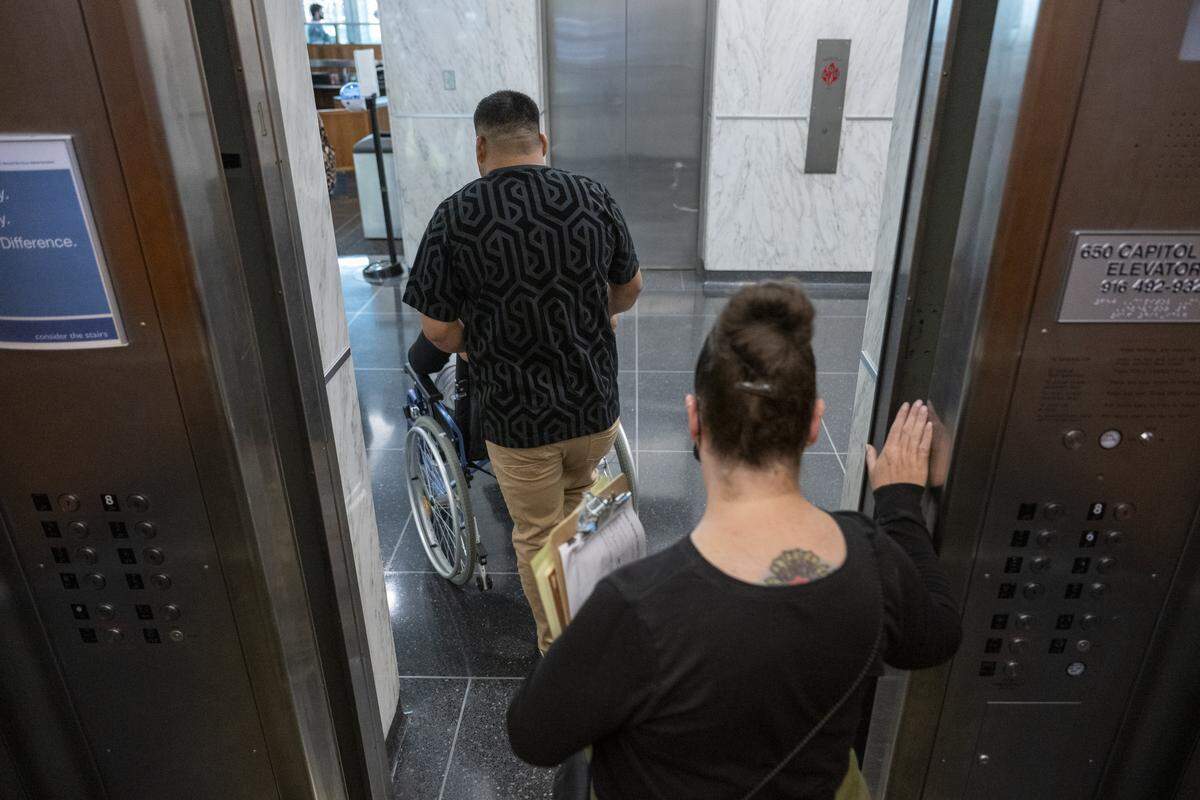
Peggy Bernardy was inside the courtroom. It was her first day as a volunteer observer, but not the first time working with NorCal Resist. She previously provided legal help for people representing themselves in asylum cases.
Bernardy, 68, is a retired attorney who said she worked on immigration cases in the 1980s, before taking a job as a public defender and later an environmental lawyer. During the hearing, she listened to what the judge said and waited to see if the government attorney tried to dismiss any cases. The legal tactic has preceded detentions in Sacramento’s court and others across the country.
It didn’t happen on this day. After the hearing was over, she said she was alarmed by the courthouse detentions and vowed to keep coming back to observe.
“I’m really distressed,” Bernardy said. “We need a lot better policy on how we treat people who were not born in this country.”
‘Document and support’
Morgan Murphy has several memories that stick out about her time as a court watcher. Not all of them involved someone being detained.
She and another female volunteer offered to escort two men out of the building after their hearings. When they all stepped into an elevator, they were joined by two ICE officers. Murphy said when the elevator reached the first floor, the officers gestured for the volunteers to leave first. They didn’t.
One of the officers then told the group they would “‘go for a little ride’ and proceeded to push every floor button,” Murphy said. The building has eight stories. When the elevator made it back to the first level, the officers stepped out. Murphy said she and the other volunteer then walked with the men to the exit and they left the building without being detained.
“It was just like a display,” she said, “purely for intimidation.”
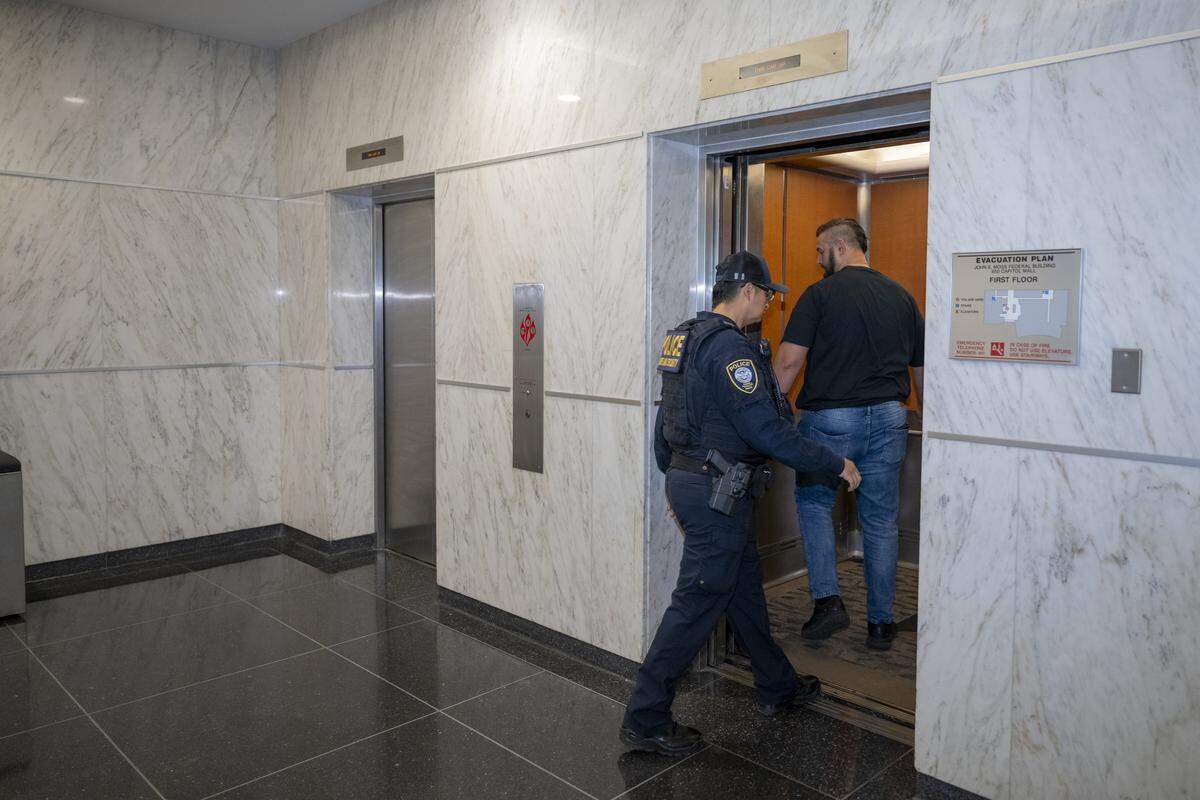
Later that day, Murphy said an officer told her he could use facial recognition software on her to figure out who she was and where she worked, after Murphy declined to share that information.
Tricia McLaughlin, a spokesperson for the Department of Homeland Security, which oversees ICE, declined to confirm or deny “law enforcement capabilities or methods” in an emailed statement to The Sacramento Bee.
“The fact of the matter is the media is more concerned with peddling narratives to demonize ICE agents who are keeping Americans safe than they are with reporting on the criminals who have victimized our communities,” McLaughlin said.
Murphy also remembered a man from Afghanistan who had stepped out of a courtroom after a hearing. Officers were waiting nearby. When the man learned that, he huddled in a small circle with several court watchers to pray. Then, he walked toward the officers and was detained.
“Even though we can’t stop it,” Murphy said, “I think it makes a difference to be there and document and support.”
Doing so has become more difficult for volunteers. In June, signs posted near court waiting rooms and in hallways state there is no loitering or conduct that “impedes or disrupts the performance of official duties” of government employees.
While taking people into custody, federal authorities have tried to clear reporters and volunteers from the area, citing those signs. Last month, a security guard threatened to detain a Bee reporter for standing in an otherwise empty hallway near a court waiting room.
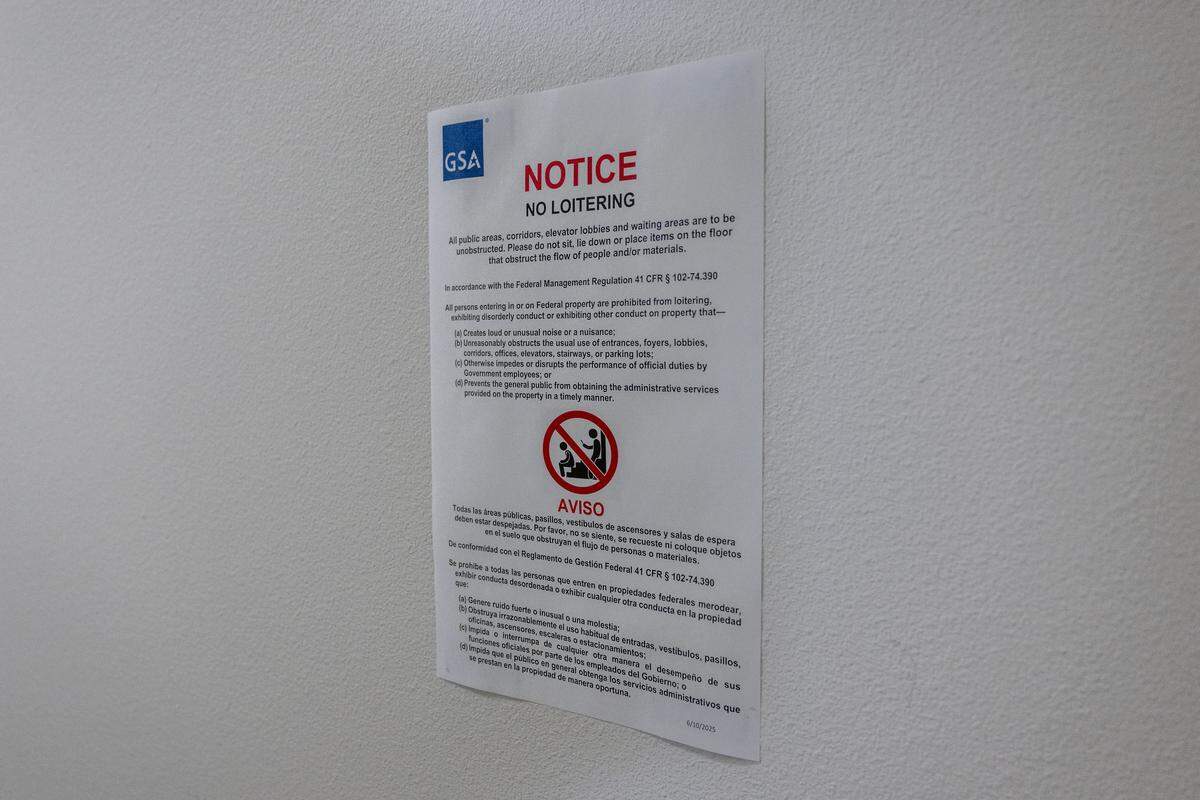
Reporters and observers were also barred from entering the building multiple days in June and officers detained several people with hearings during that time.
A Homeland Security Department spokesperson said in an emailed statement that NorCal Resist was “a group of violent activists that want to disrupt ICE from enforcing the law and removing criminal illegal aliens from our country.” And that ICE would continue to “arrest and deport criminal illegal aliens to make America safe.”
The spokesperson, who did not identify themselves, provided a link to a video showing a NorCal Resist volunteer being detained after he was accused of damaging the tire of a U.S. Customs and Border Protection vehicle during an enforcement operation in south Sacramento.
When asked for examples of violent actions in the Sacramento court, the spokesperson did not respond.
‘If we weren’t there’
Phipps started court watching in early June. A man was taken into custody her first day, one of at least 30 people detained that month, according to the tally from immigration attorneys. He was there by himself and had shown up late to a hearing.
Phipps decided she wanted to keep coming back.
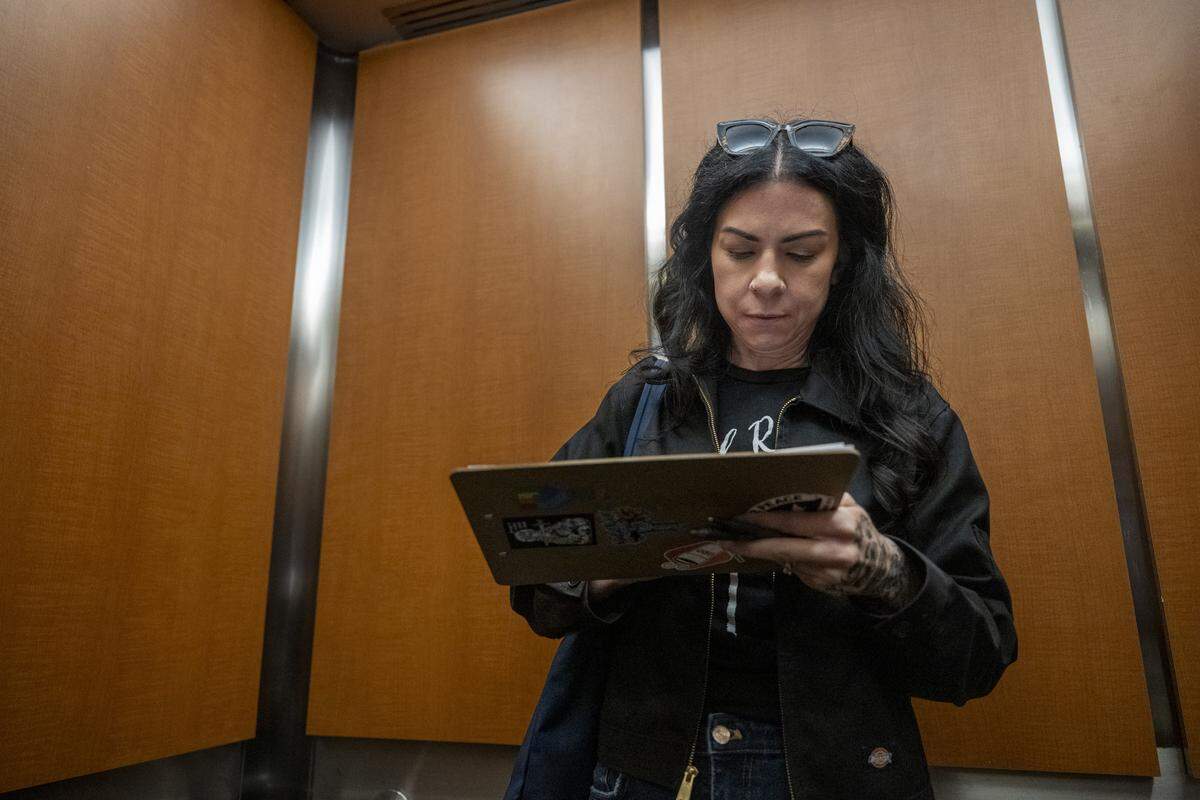
Her motivation stems from her time as a Navy Hospital Corpsman in Afghanistan after joining the military in 2007. Along with providing medical aid to soldiers, she was also part of a female engagement team that met and talked with Afghan women.
“I witnessed first hand what people were subjected to,” she said, “and why some of them have to flee.”
Phipps thinks about them and what immigrants have to overcome to make it to the U.S. when she sees people who show up for their hearings. She believes the detentions there are cruel and dehumanizing.
“I couldn’t imagine what would happen if we weren’t there.”
Her volunteer hours are not just spent in the courthouse. Phipps takes part in virtual training sessions for people who want to be court watchers. She also stays up late into the evenings to put together folders for new volunteers. They include a pen, paper to keep track of people with hearings, and cards explaining a person’s rights when confronted by immigration authorities.
“It’s the necessary tools that we use every day,” she said. “Hopefully if I’m not here, they use these tools to train the next person.”
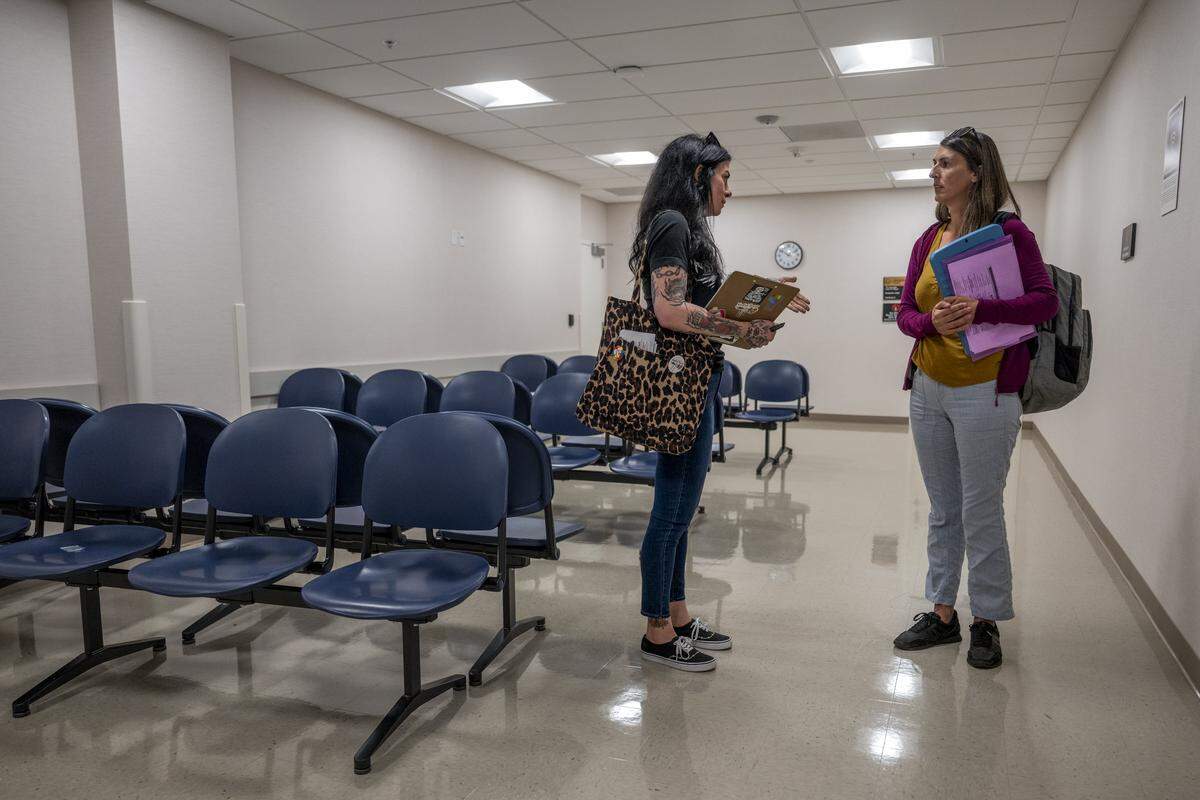
On a recent July morning, she stood outside the courthouse wearing a NorCal Resist T-shirt and lugging a leopard-print tote bag filled with folders when Jessica Drizin arrived.
Drizin, 39, drove about two hours from the South Lake Tahoe area to volunteer at the court. She was troubled by what she saw as a lack of quality control in the Trump administration’s escalating immigration enforcement and wanted to better understand what ICE officers were doing.
“This is quite possibly the most worrying thing going on in our country right now,” she said. “I feel this really strong call to action.”
Phipps took her inside the building for a tour, showing Drizin where to find the elevators, courtrooms and daily schedule.
Even with a four-hour round trip, she planned to keep returning to the courthouse a few times a month.
This story was originally published August 7, 2025 at 5:00 AM.