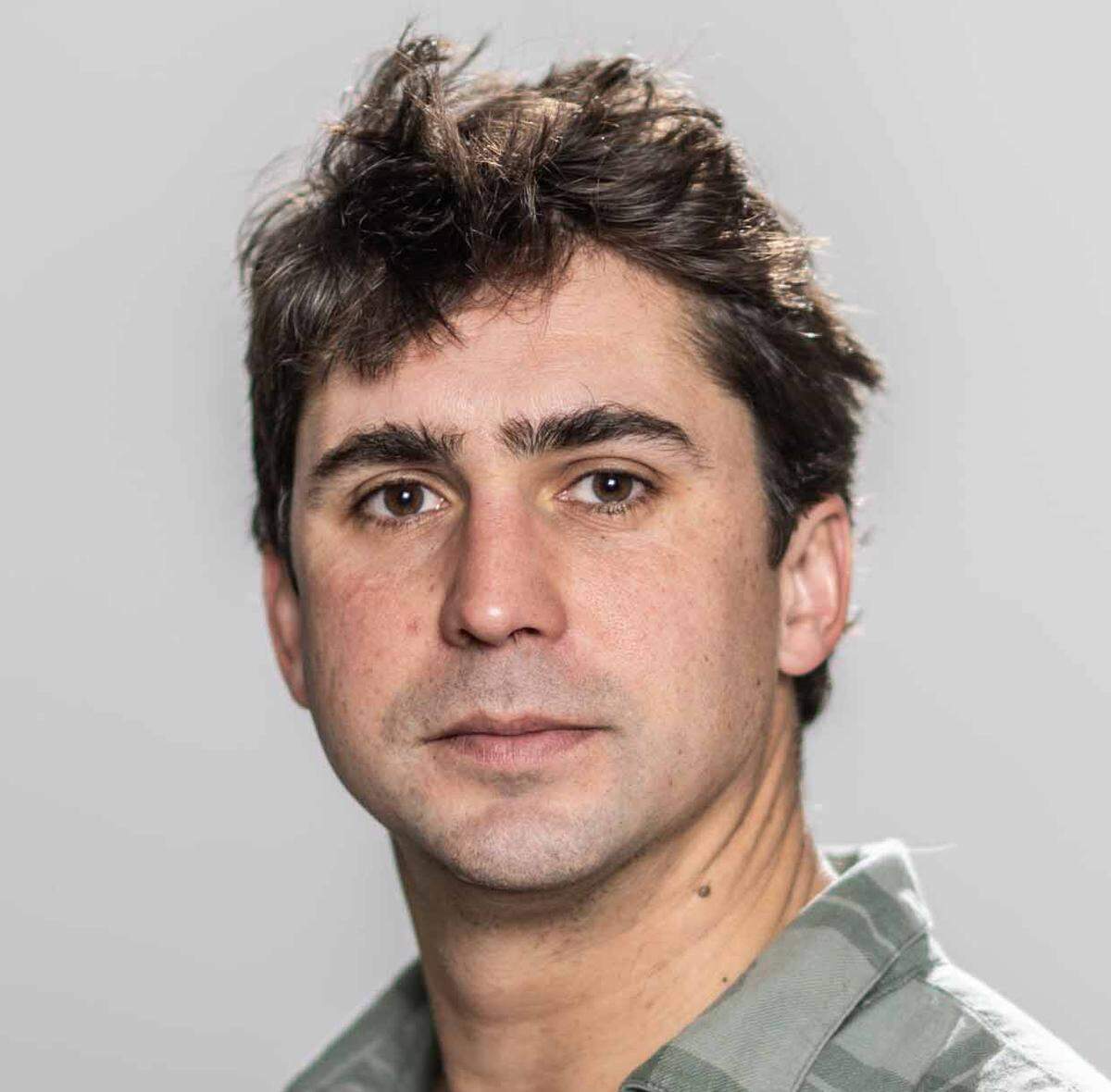
Mia Bonta pleads for ‘pandemic-level’ response to Feds’ gutting of Medi-Cal
AI-generated summary reviewed by our newsroom.
- Bonta launches statewide listening tour to shape California health policy response.
- Federal H.R. 1 changes risk removing up to 2 million Californians from Medi-Cal.
- Lawmakers debate revenue options, including a billionaire tax, to plug budget gaps.
Most people would rather not return to the early days of the COVID-19 pandemic.
To address California’s current health care landscape, Assemblymember Mia Bonta, D-Alameda, says we must.
“We should be responding to this moment as if it were another example of the pandemic,” she said. “We should be having a COVID-level response.”
“This moment,” for Bonta, is a series of political shocks reshaping California’s health care system — most notably the federal “One Big Beautiful Bill Act,” or House Resolution 1, signed last July, which altered everything from how states fund Medicaid to who qualifies for coverage.
When President Donald Trump passed H.R. 1, he said he was eliminating “waste, fraud, and abuse” of the Medicaid system. Among other things, the legislation adds work requirements for able-bodied adults starting in January 2027, revokes Medicaid access to some immigrants, including refugees and people seeking asylum, and checks whether someone is eligible for the program every six months instead of every year.
The signing of that federal legislation, plus — as Bonta puts it — “really gnarly” decisions the state has made to limit health care for undocumented immigrants, pushed Bonta into the office of Assembly Speaker Robert Rivas, D-Hollister, last summer. The lawmakers were about to disband for the Fall Recess, and Bonta, who chairs the Assembly Health Committee, offered to spearhead a listening tour.
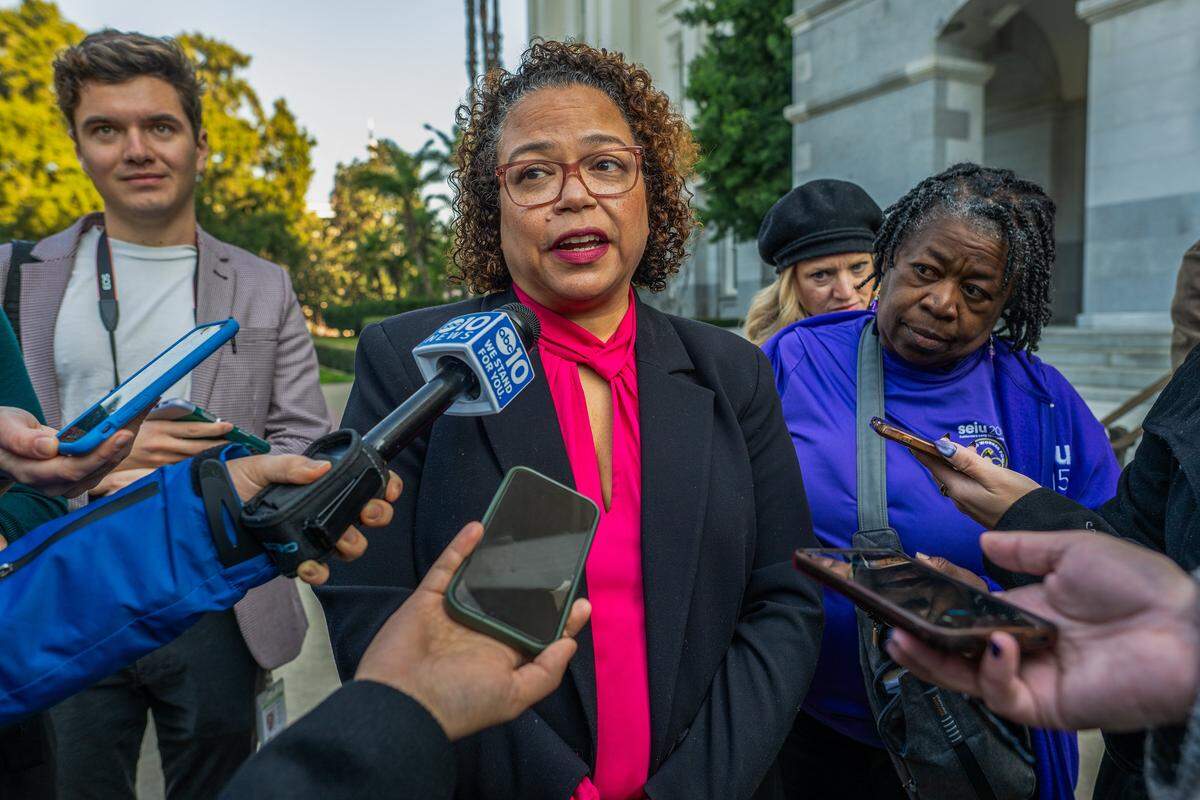
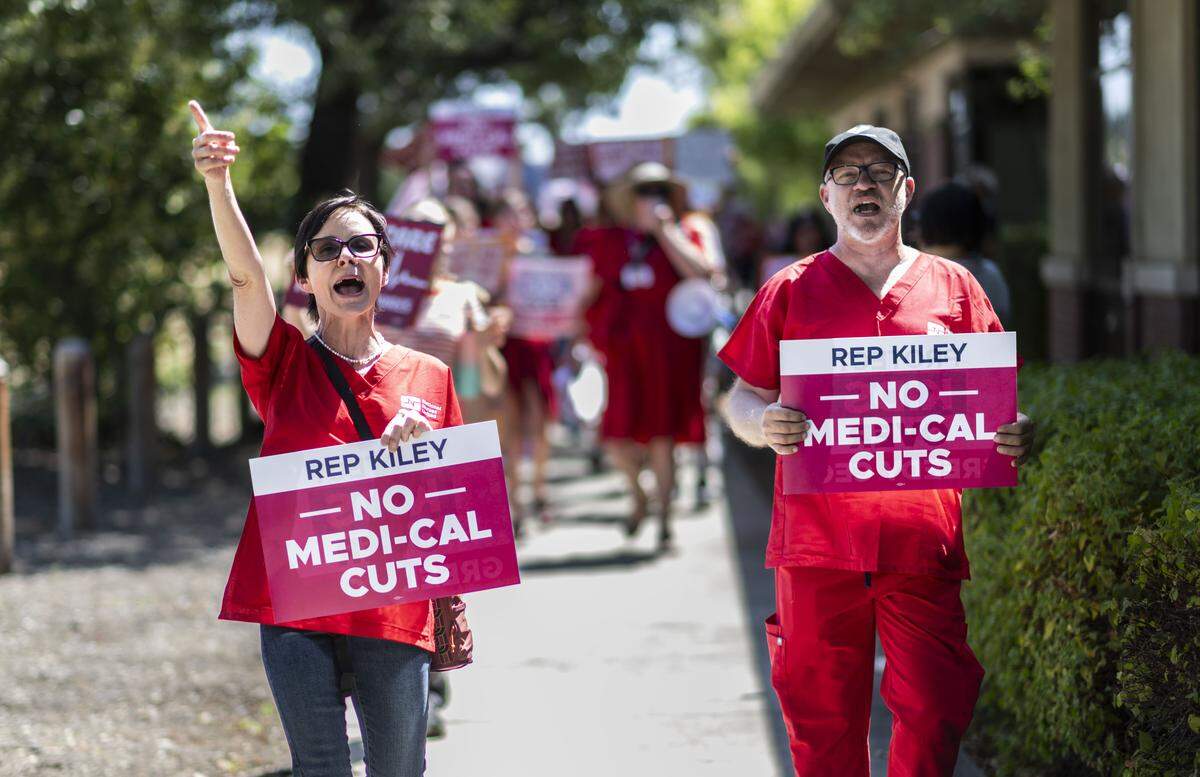
California’s Legislative Analyst’s Office estimates the federal law will result in over 1 million people exiting from Medi-Cal over the next few years — about 7% of people currently enrolled. A California Department of Healthcare Services estimate put that number closer to 2 million. The department also projects that H.R. 1 will result in tens of billions less in federal funding for Medi-Cal per year.
“I knew that what could happen was that we would all go back to our districts and start to hear from various circles within the health care space what the problem was,” Bonta said. “I was worried about 80 on the Assembly side coming back with 80 different solutions, and so I really wanted there to be a sensibility around hearing from people.”
Rivas approved, and Bonta’s team launched, coordinating a plan for a statewide tour during the Fall Recess to hear from hundreds of health care stakeholders. A tour, from San Diego to Fresno to Santa Rosa, that Bonta hoped would yield some ideas.
Four months and six health care roundtables later, the stage for Bonta and her allies to confront the state’s health care crisis is set. The California Legislature is back in session and staring down a budget deficit that is $18 billion according to their analyst’s estimate, and around $3 billion according to Gov. Gavin Newsom’s criticized, but far more optimistic, budget proposal.
Budget deficit looms over health care solutions
Advocates say the governor’s January budget proposal suggests he’ll continue a trend, begun last year, of backing off the state’s commitments to some of its most vulnerable populations. Newsom has not proposed any new money to keep people on Medi-Cal, only allocating what’s required to comply with new federal law.
So while Bonta, who described herself as a Newsom “fangirl,” is looking for the unified state response that defined the early days of the pandemic, when, or if, she’ll get it is not clear. Leaders of the Senate and Assembly have yet to signal their approach to health care.
“There’s no way that California is going to be able to backfill for the irresponsibility of the federal government, all of the dollars that the federal government is robbing California of for Medi-Cal, Medicare, for providers, and for SNAP,” she said in an interview with The Sacramento Bee. “We have to recognize that.”
Bonta remains hopeful: In an interview with The Sacramento Bee, she called the governor’s budget proposal an “opening salvo,” and spoke highly of her partnership with the three other women who lead health care budget-related matters in the Capitol: Assemblymember Dawn Addis, D-Morro Bay, Sen. Akilah Weber Pierson, D-La Mesa, and Sen. Caroline Menjivar, D-Panorama City.
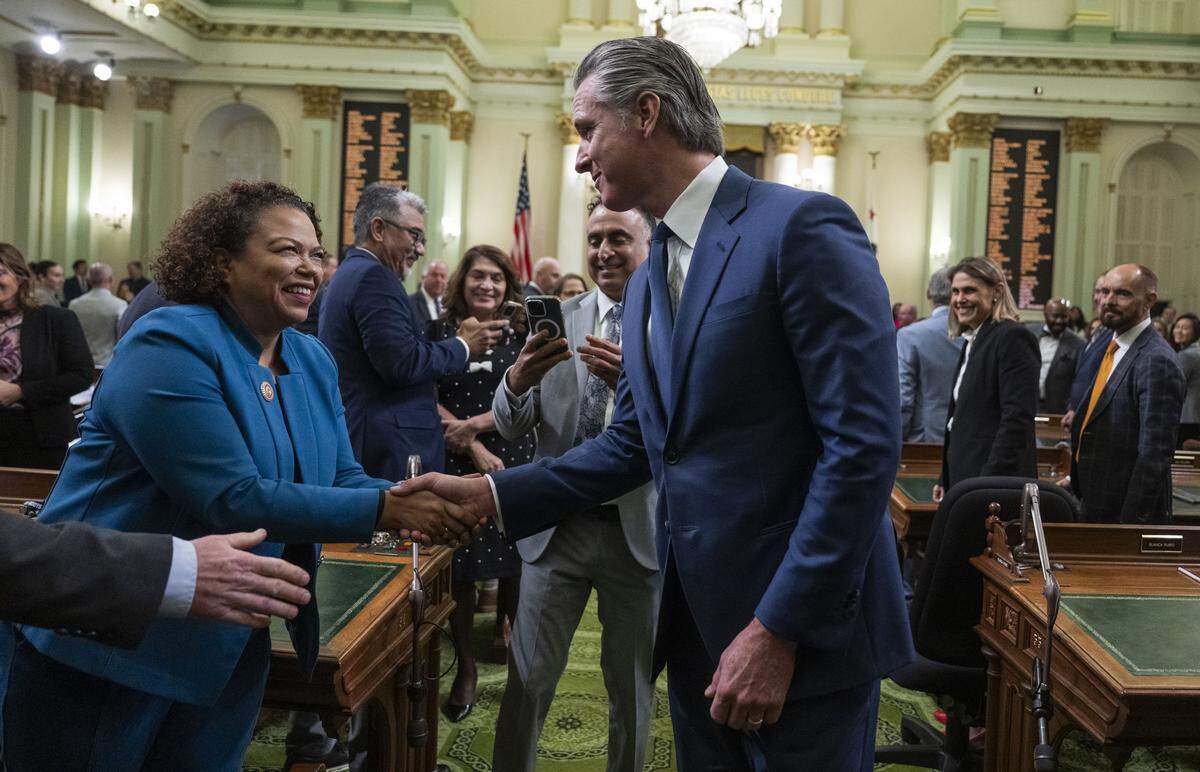
“I would say we’re in contact all the time, formally and informally,” said Addis, who chairs the Assembly budget subcommittee on health. Addis said their goal for the session is to “hold the line.”
“We cannot lose anymore,” she said. “We are facing potential collapse of some of our health systems if we can’t hold the line and then claw back some of the (funding).”
Bonta is blunt about how constrained the state will be. Even so, the Oakland lawmaker can see levers the state can pull.
She floated the idea of rebuilding elements of the state’s indigent care system, which provides health insurance for the lowest income people, and was largely dissolved after the passage of the Affordable Care Act. With the federal changes in mind, Bonta said she thinks the state has room to reconsider premiums on undocumented immigrants scheduled to begin in 2027 and also reconsider regulatory burdens on health clinics and hospitals.
She has also emerged as a leading advocate for raising new revenue. Progressive lawmakers specifically are zeroing in on a proposal for taxing corporations with a high number of employees on Medi-Cal.
However, the ideas are just that for now — there are no legislative proposals yet. Those are likely to come in the next few weeks, before a deadline at the end of February to introduce new bills. Conversations about how to balance the budget will also transpire over the next few months, with the next iteration of the spending plan expected in May.
Clinics fear collapse
Outside the statehouse, fears that the federal law will blow apart California’s health care system are growing. Clinics and hospitals around the state — particularly those in rural areas or those that serve marginalized populations — could shutter as people lose insurance coverage and choose not to seek medical care until it’s an emergency.
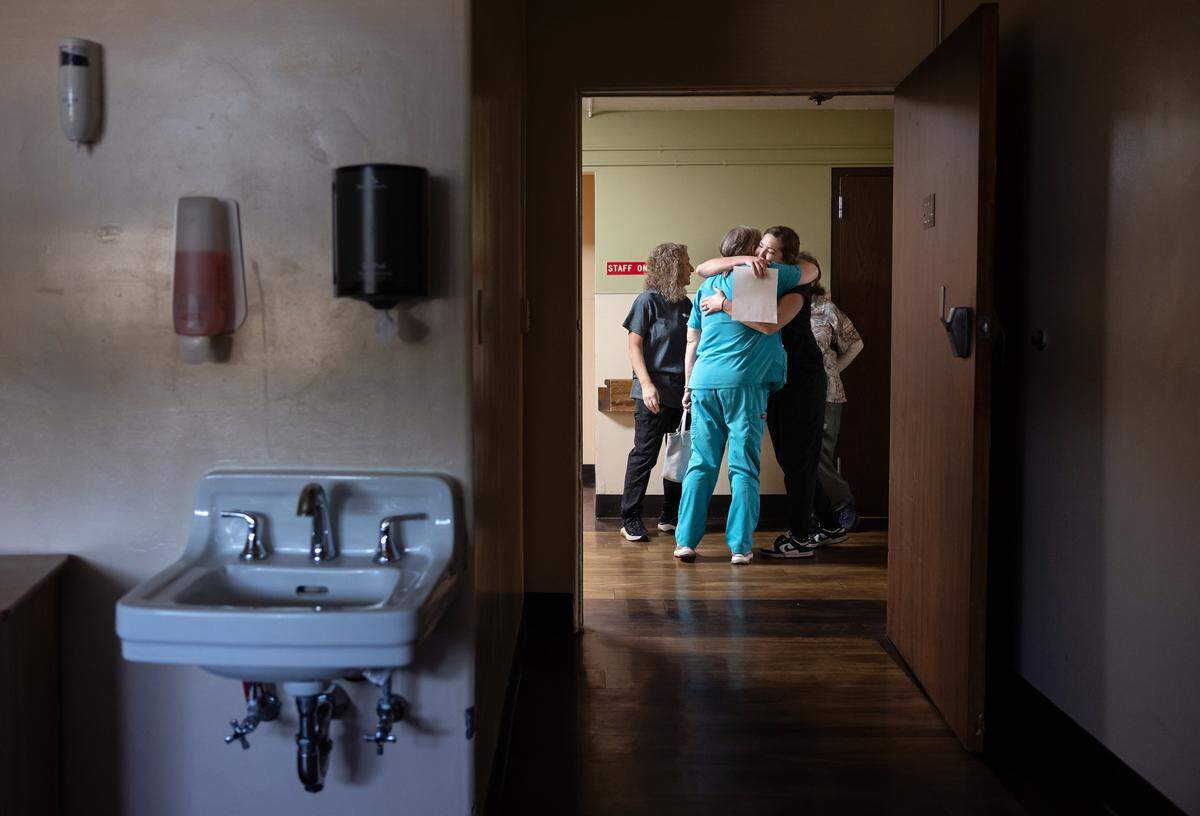
And while elected officials are still being cautious, outside the statehouse the clamor for action is getting louder. One high-profile example is the controversial “billionaire tax” proposal.
The ballot measure was proposed by labor union leaders who represent health care workers and would place a one-time tax on California billionaires’ assets, seeking to raise $100 billion to stopgap the losses in federal health care funding to the state. It has drawn condemnation from Newsom as well as from the state’s ultrawealthy tech barons, some of whom have threatened to leave the state or already taken steps to do so.
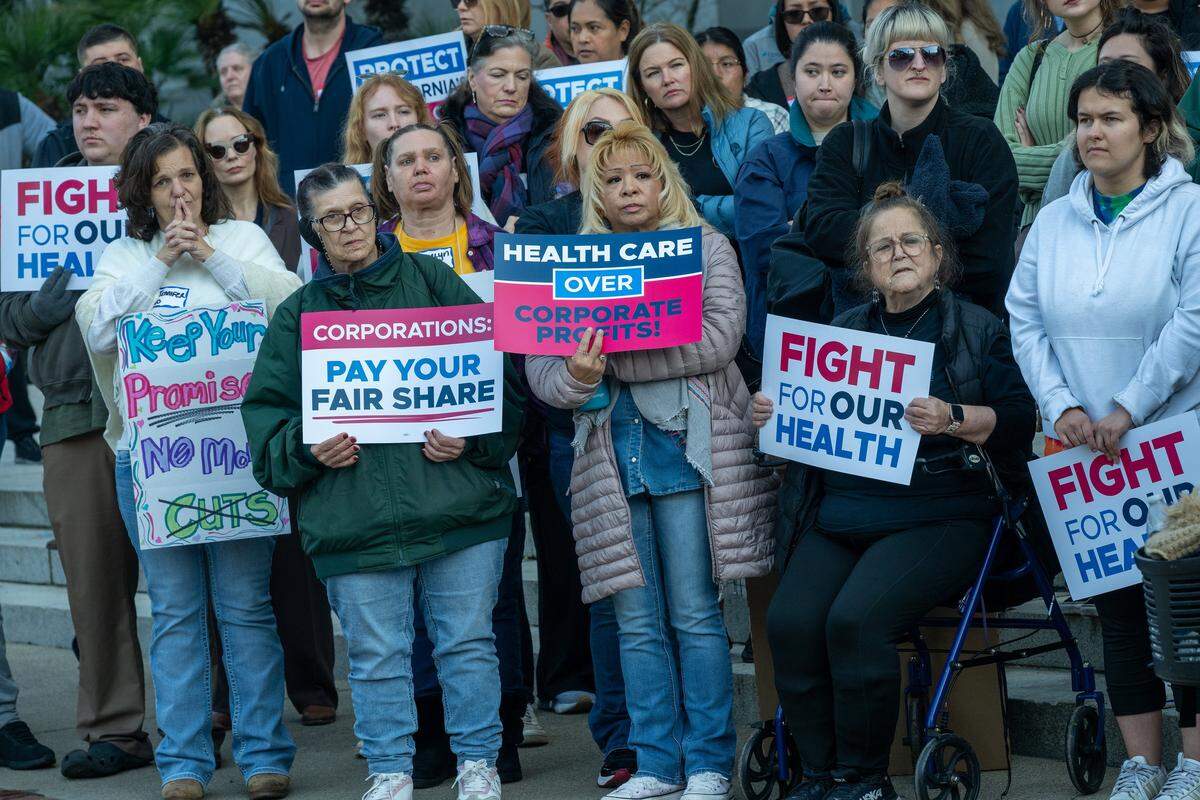
On Jan. 14, hundreds of people gathered on the Capitol steps to call for action from Newsom and the Legislature. Among the speakers was Jim Mangia, the president of St. John’s Community Health, a federally-funded health clinic in Los Angeles, and a sponsor of the billionaire tax. The Trump administration has already sought to slash into his clinic’s budget, Mangia told the crowd, threatening grants that cover maternal health programs for minority women, provide transgender health care and prevent the spread of AIDS.
“We demand that the state Legislature and the governor step up and backfill these cuts from the federal government and save health care for our communities,” Mangia said. “It is unconscionable that we would balance the California budget on the backs of people experiencing homelessness, on the undocumented, on transgender community, on the Black families who built this state.”
Undocumented immigrants at risk again
But a bigger funding threat lurks around the corner, with roots not in Trump’s White House but in Sacramento. Last year, Newsom pushed the Legislature to freeze enrollment of undocumented immigrants in Medi-Cal to balance the state’s budget. Legislative leaders backed much of his effort and ultimately, lawmakers approved a scaled-back version of Newsom’s plan, though they delayed its implementation.
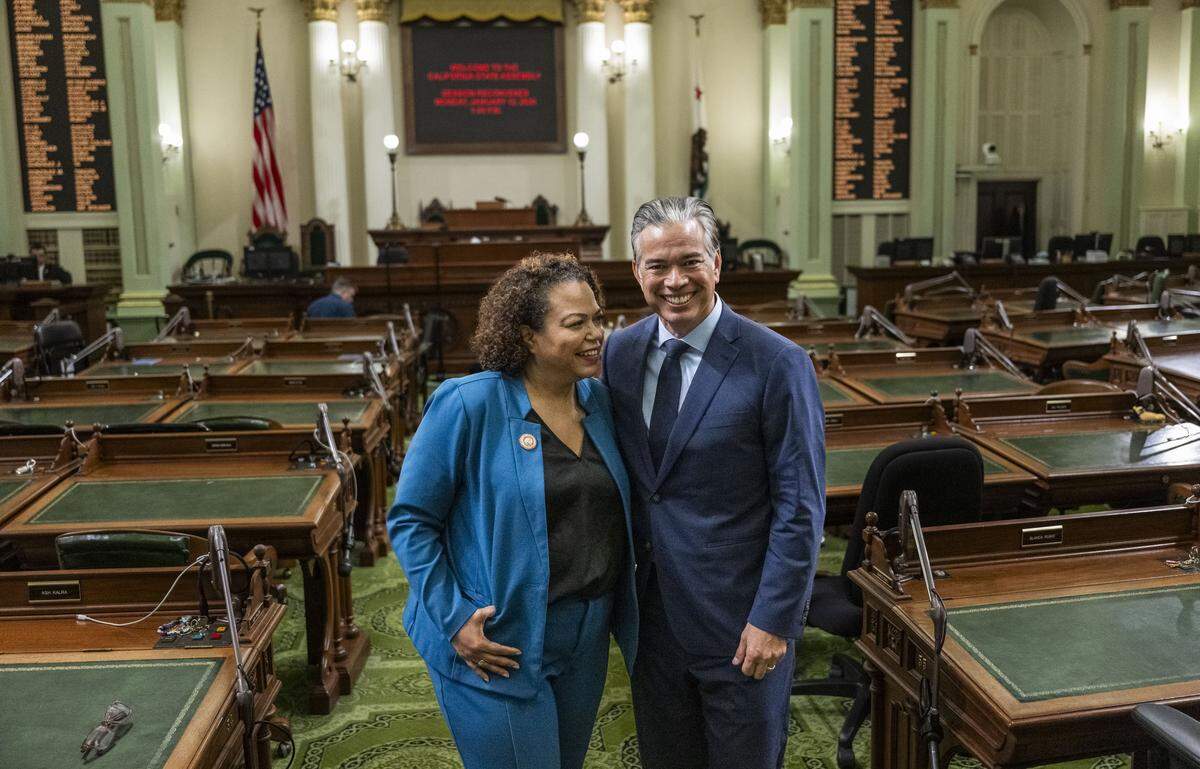
Bonta — who’s married to California Attorney General Rob Bonta — is one half of one of California’s most high-profile political power couples, but she’s no stranger to life on the margins. As she’s charted her political career, Mia Bonta has described herself as the child of social activists. She was raised largely by her mother and has spoken publicly about facing racism, housing insecurity and poverty as a Black Latina woman.
“I have these very clear memories of being 8, 9 years old, and saying, ‘Hey, Mom, I think I have a toothache,’ ” Bonta said at a coffee shop in Oakland, “and that being a big deal, not only because I was in pain, but because for her, I could see the calculation — ‘My baby has a hurt tooth. How do I get that tooth taken care of and pay the rent and make sure that I have food in the refrigerator?’”
Around the state today, she said, families “are trying to do that same calculation, who are going to be deferring (health) care, who are waking up to empty refrigerators that they don’t know how they’re going to fill, and who are scared and panicked.”
On the other side of Lake Merritt from the coffee shop, workers in clinics that serve Oakland’s immigrant population say they’re worried about fiscal stability.
La Clinica de La Raza was started in the 1970s by a group of UC Berkeley activists, and its sites fan outward from the mostly-Latino Fruitvale neighborhood.
Zenaida Aguilera, the organization’s compliance and privacy officer, said most of its 84,000 patients are immigrants, and 90% use Medi-Cal for health insurance. She said the clinics don’t track how many patients are undocumented, but every year they hire dozens of promotoras, or health educators, to help people sign up for Medi-Cal.
With fewer people eligible for Medi-Cal and changes to payment systems, she anticipates the clinics will provide more uncompensated care, and there will be job losses.
“It really does take concerted effort not to go down a rabbit hole and think, you know, are we going to survive?” she said. “But then I always remind myself we have to step outside of that fear and know that we have to. The patients that count on us don’t have any other options.”
Politics of taxes, immigrant health care complicate legislative plan
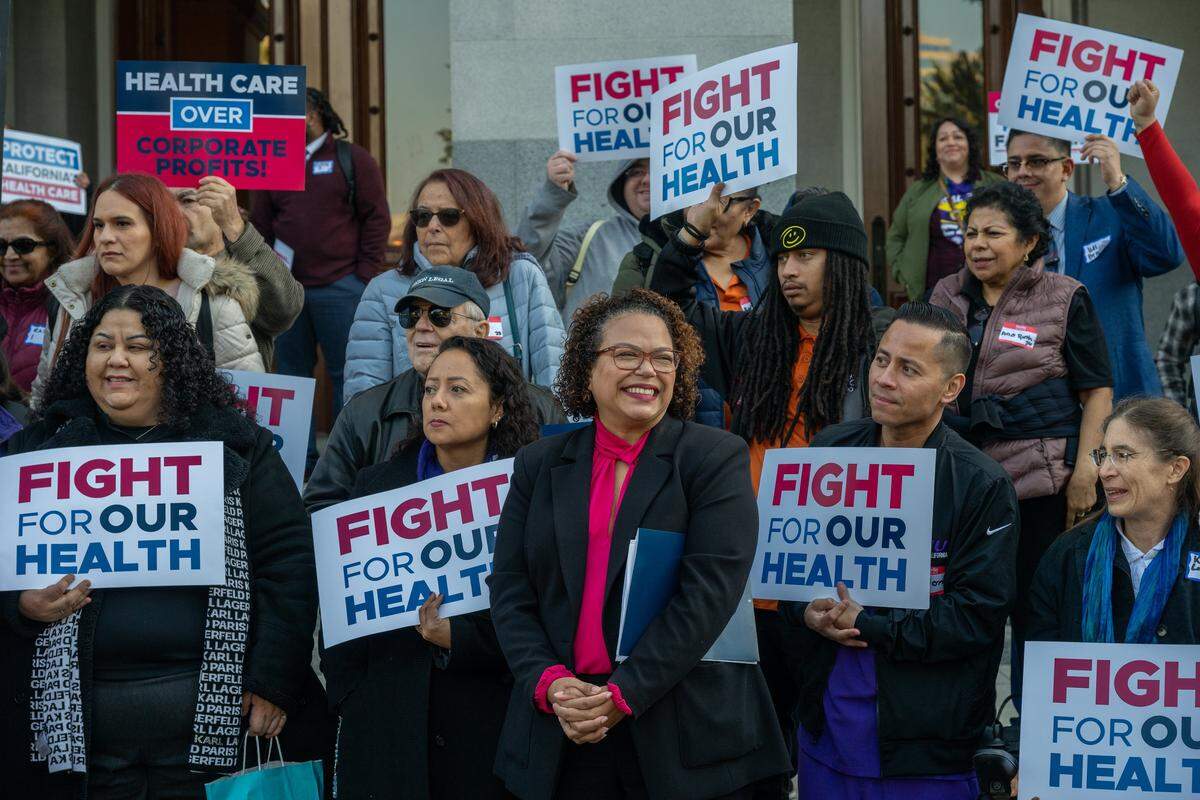
The Jan. 14 rally was hosted by Health Access California, an advocacy group whose leaders said they’ve long seen Bonta as an ally in the Legislature. But while they don’t doubt her intentions, they do wonder how and when a firm legislative plan will develop.
“Who’s going to rise to the moment? I mean, this is the moment,” communications director Rachel Linn Gish said. “Assemblymember Bonta has been pretty strong on the fact that she doesn’t want to see these H.R. 1 cuts. But nobody’s been like ‘OK, then we’re gonna do X, Y and Z.’ ”
For Bonta to guide a health care solution through the Legislature, she’ll need to do some political maneuvering. The health care system is run by competing special interests, including powerful insurance companies and hedge funds. And looming beyond any legislative solution is a governor who is widely considered a likely candidate for president in 2028 — a race in which California’s persistent budget deficits presents a political liability.
Republican lawmakers are fiercely resistant to any new taxes, and they say that outside liberal urban districts like Bonta’s, many California voters agree with them.
“If they run a statewide initiative or even if they try to push this through the Legislature the message is going to be, ‘Let’s tax Californians so we can give it to undocumented immigrants,’” Assemblymember David Tangipa, R-Clovis. “That is something that a lot of (lawmakers) are going to struggle with.”
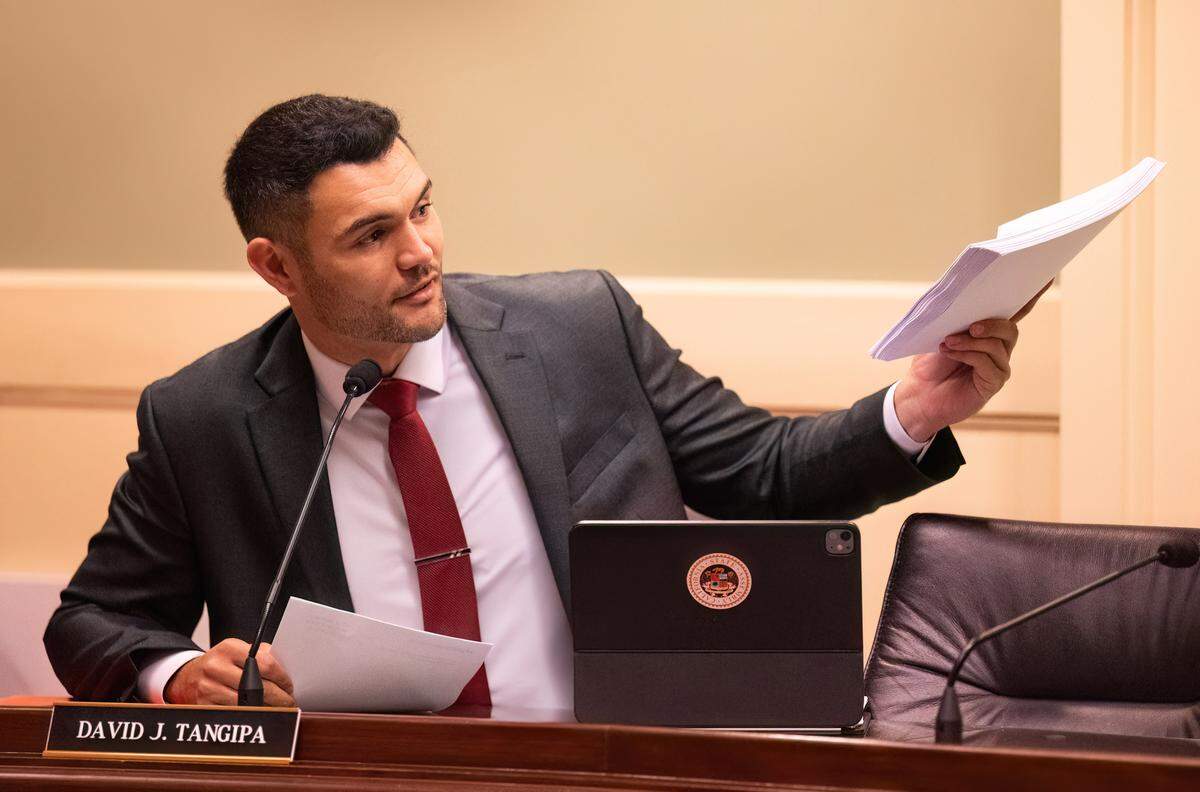
Where legislative leadership will land this year in unclear, particularly if Bonta and her allies push tax proposals to fill the gap.
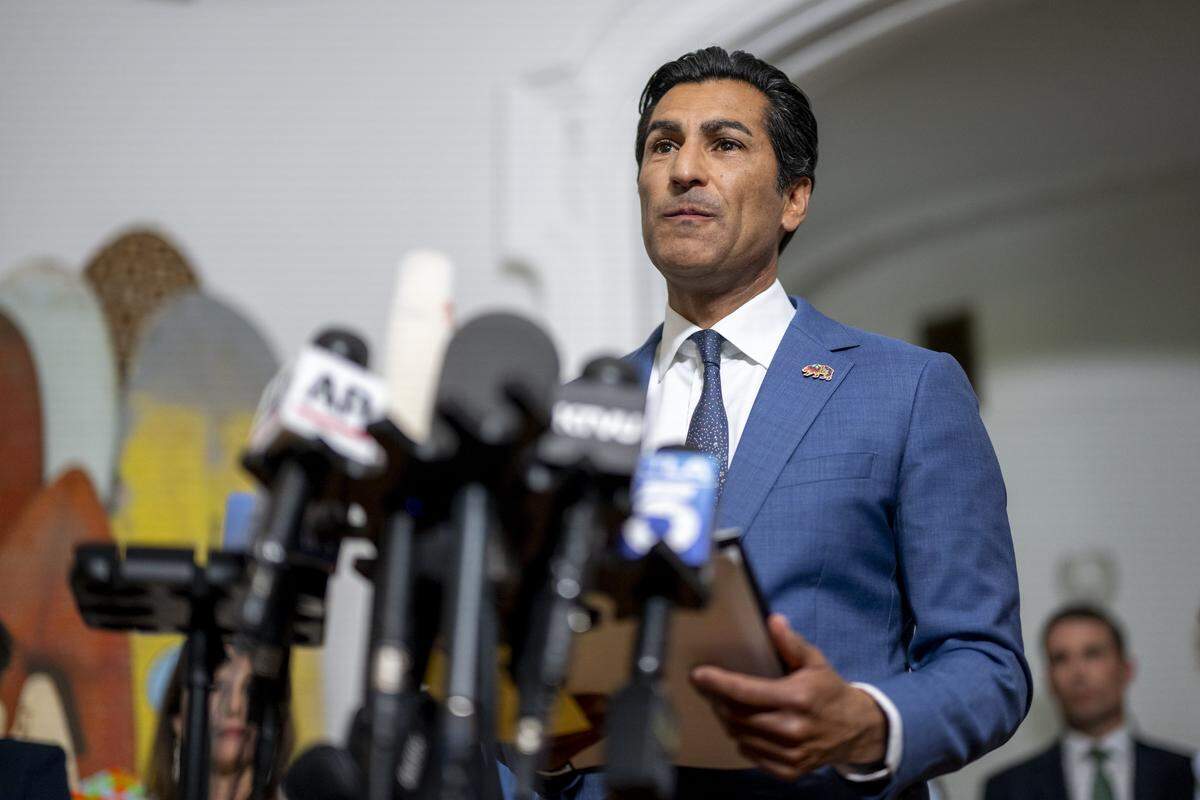
The stances of Assembly and Senate leaders such as Rivas and Senate President Monique Limón are what worry Mangia, he told The Bee. Most rank and file lawmakers he talks to support the drive to find revenue sources to avert cuts, he said. But, “if the leadership is walking lockstep with the governor, we’re in trouble,” he said.
Rivas and Limón have yet to stake out a clear direction on health care.
“Trump’s assault on our health care system puts millions of Californians at risk — literally life or death — and this moment demands a forceful response,” Rivas said in a statement for this story. A spokesperson for his office added that they expect lawmakers to be “well-coordinated in this response,” and to “stand behind California values.”
Neither leader had a presence at Tuesday’s health committee hearing, where the state health care system’s top brass spoke about the consequences and possible responses. Dozens of advocates lined up to provide public comment about the possible on-the-ground impact.
Also missing were the four Republicans that sit on the committee, including the vice chair, Assemblymember Phillip Chen, R-Yorba Linda.
“There are no Republican members here at this hearing, and I just have to say that out loud, which is unfortunate, because I think that we’re going to need bipartisanship to find a path forward,” Assemblymember Pilar Schiavo, D-Chatsworth said.
By the last hour of the hearing, Schiavo, too, was gone.
Bonta stayed on, now the lone lawmaker in a row of empty chairs, listening to one person after another describe how the dominoes of a health care collapse have already started to fall.
She addressed her colleagues’ absence in a remark to the long line of public commenters: “I just want to let you know, although I am the ears that are physically present, I know that many of my colleagues are watching online.”
Or at least, she hoped they were.
This story was originally published January 29, 2026 at 5:00 AM.