California initiative that would limit environmental review eligible for ballot
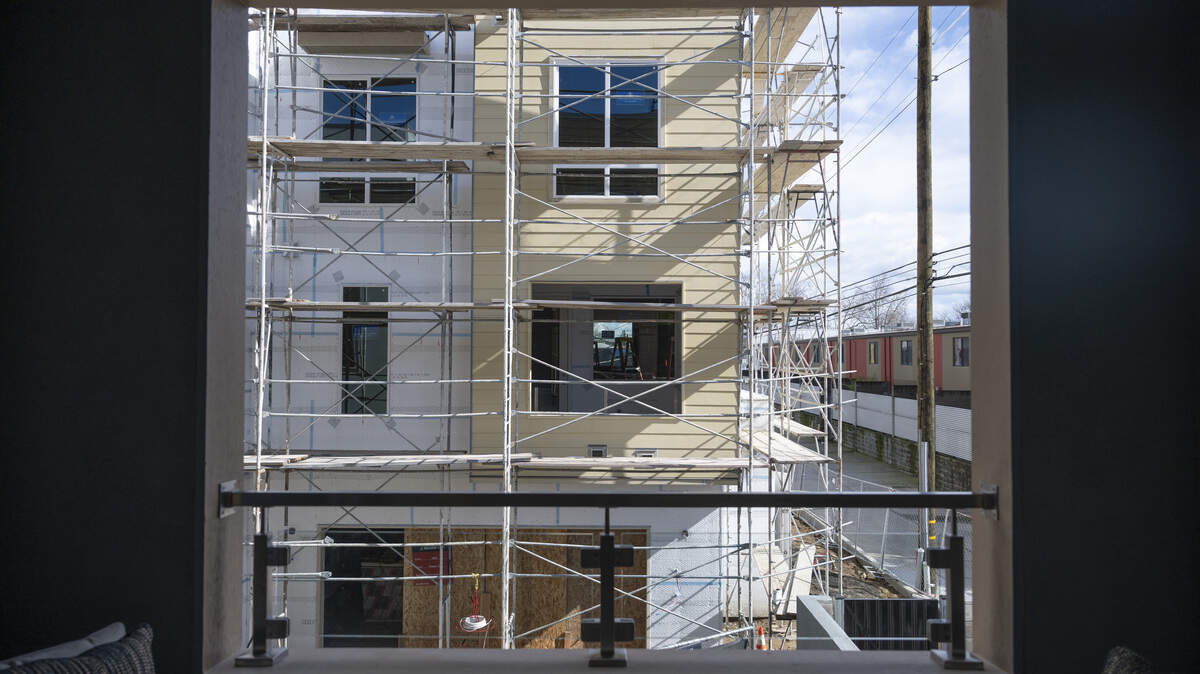
A California initiative that will place limits on environmental reviews of water, housing and road projects has enough signatures to appear on the November ballot, setting up a contest that has sweeping implications for the state’s future.
The California Chamber of Commerce, a business trade group behind the measure, argues the state’s system of approving certain developments is too slow, too muddied up by regulation and too expensive and that the initiative is the fix needed.
“Essential projects like clean water, clean energy, hospitals, affordable housing, roads, wildfire prevention, schools, public safety, and other infrastructure improvements are being delayed or blocked by unnecessary red tape, bureaucratic delays, and excessive lawsuits,” the initiative says.
The Secretary of State’s Office made the determination Tuesday.
The measure, called the “Building an Affordable California Act,” would create new rules for how agencies can handle those “essential projects,” including setting time limits for how long reviews can take and members of the public can comment on them.
At the heart of the group’s effort is the California Environmental Quality Act, a 56-year-old law that requires state and local agencies to document the effects that projects could have on air quality, the land it sits on, traffic and other areas. Critics see the law as a key reason for California’s high cost of living because it enables lengthy reviews by governments and gives opponents a tool to try and slow down, and eventually kill, projects.
California lawmakers for years have added exemptions to the law to try and speed up home construction and other projects. That effort peaked last summer when Gov. Gavin Newsom signed a state budget that included a major changes to the law including an exemption for many projects in urban areas.
Environmental groups, though, are shuddering about the details the new ballot measure could bring.
“This initiative essentially cuts the arms and legs off of California’s most important environmental protection and public health law,” Howard Penn, executive director of the Planning and Conservation League said in a statement. “It creates giant loopholes in CEQA that guarantee larger profits for developers and billionaires at the expense of public agencies and taxpayers.”
Penn said he is particularly troubled by a provision in the initiative that says the measure should be implemented to give the “fullest possible weight” to approving the “essential projects,” instead of putting that emphasis on environmental protection. He also highlighted parts of the initiative that would prevent judges from ordering agencies to rescind their approvals of developments and allows builders to sue local governments that deny projects.
Supporters dispute the characterization that the initiative hurts environmental safeguards.
“It does not repeal, weaken, or roll back a single environmental protection in California law — including those that ensure clean air, clean water, and the protection of endangered species and the coast,” said John Myers, a spokesperson for the California Chamber of Commerce. “This measure simply creates clear, enforceable timelines and a more predictable review process so that essential projects can move forward faster and at a lower cost.”
The group used polling, focus groups and conversations with supporters of the changes to come up with the initiative.
Dan Dunmoyer, CEO of the California Building Industry Association, was involved in the behind-the-scenes work. He said there is an environmental case to support the measure: It is better to build a home in California than other states that have more lax environmental standards.
“We think it’s OK to be an environmentally committed state,” Dunmoyer said, “and still build things somewhere.”
Jordan Grimes, a lobbyist for the Greenbelt Alliance, an environmental organization based in Oakland, sees the initiative differently.
Grimes supports changes to CEQA that allow for more housing in urban areas and near transit stops because those efforts can help reduce greenhouse gas emissions. But he worries the ballot measure will “turbocharge sprawl” and lead to more pollution.
“We are staring down the barrel of a ballot measure that if passed is going to do enormous environmental harm,” he said.
A collection of housing, broadband, energy and other organizations are supporting the effort, including the utility giant Edison International and groups that receive funding from Pacific Gas and Electric Co.
It has also received $10 million from an organization called Building a Better California, which is funded by several wealthy individuals including Sergey Brin, one of the co-founders of Google.
“California has always been the place where the future is built, and this measure will help the state get back to that and spur jobs and economic growth for decades to come,” said Abby Lunardini, a spokesperson for the group.
Supporters of the initiative say permitting and approval delays are significantly adding to the price tags of single-family homes and other projects. By making the environmental review process quicker, they argue, it will bring down the cost of living for Californians.
The measure will require agencies to sign off on environmental reviews within a year after an application is considered complete. Any efforts to challenge an agency’s approval of a project also must be completed within about 13 months. The initiative also caps how many days members of the public will have to comment on documents that are part of an environmental review.
Rabeya Sen, a director of equitable land use at the California Environmental Justice Alliance, says those changes are part of an effort to silence everyday Californians.
“This is really about corporate interests,” Sen said. “It’s not about protecting communities.”
Voters in November will decide whether they agree. If approved, any changes to the initiative in the future would need to be supported by two-thirds of the Legislature.