Uber, Consumer Attorneys strike deal on rideshare lawsuits, end costly ballot war
Rideshare giant Uber and the Consumer Attorneys of California have agreed to yank competing ballot measures and work together on safety and judicial reform legislation, ending an already expensive fight before it intensified further ahead of the November election.
“Both sides agree: Californians deserve a system that’s safe, fair and accountable,” the two parties said in a joint statement on Thursday. “This agreement protects patients from unnecessary treatment or getting overcharged, ensures access to medical care and legal representation, and strengthens safety measures. We look forward to working with the California Legislature to pass this legislation.”
The proposed legislation would limit medical liens, which accident victims often use to access treatment immediately after an incident but which can accrue astronomical bills that cut into how much they recoup in settlements. The Legislature will need to act quickly to put the compromise into law — a bill needs to move by next Thursday or the two sides will restart their campaigns.
The technology company and the well-funded trial lawyers have already thrown tens of millions of dollars at each other in a fierce war of advertising. Uber’s campaign accused trial attorneys of unethically abusing their clients and attorneys said the company is attempting restructure longstanding civil justice laws to escape accountability for harm caused by its drivers.
Uber had spent more than $25 million just since the start of the year, according to campaign filings. The attorneys’ campaign, Alliance Against Corporate Abuse, had spent more than $20 million. Both sides had plenty left in the tank, though Uber was ultimately expected to outspend its rival.
Uber had taken aim at medical liens in its fight against the Consumer Attorneys, whom they sought to portray as ambulance chasers preying on car accident victims. The proposed deal would ban relationships between trial attorneys and healthcare facilities where providers treat patients in exchange for a medical lien they can collect on following a trial settlement. Attorneys have said those relationships are by and large unethical, but also rare.
Especially expensive medical lien recoveries in court would be capped unless a judge determines it was a necessary specialized or rare treatment. Uber’s campaign had surfaced stories of people injured in car accidents who said they received expensive and ultimately unhelpful medical procedures, and suspected they were done to increase a possible settlement amount.
A representative for the California Medical Association, which represents many of the state’s physicians, said in a statement that the association considered the deal a positive step.
“CMA is encouraged by the negotiations and ongoing work to pursue this issue through the legislative process instead of the ballot,” group spokesperson Erin Mellon said.
Under the proposed legislation, Uber would also adopt safety measures like more stringent background checks for drivers.
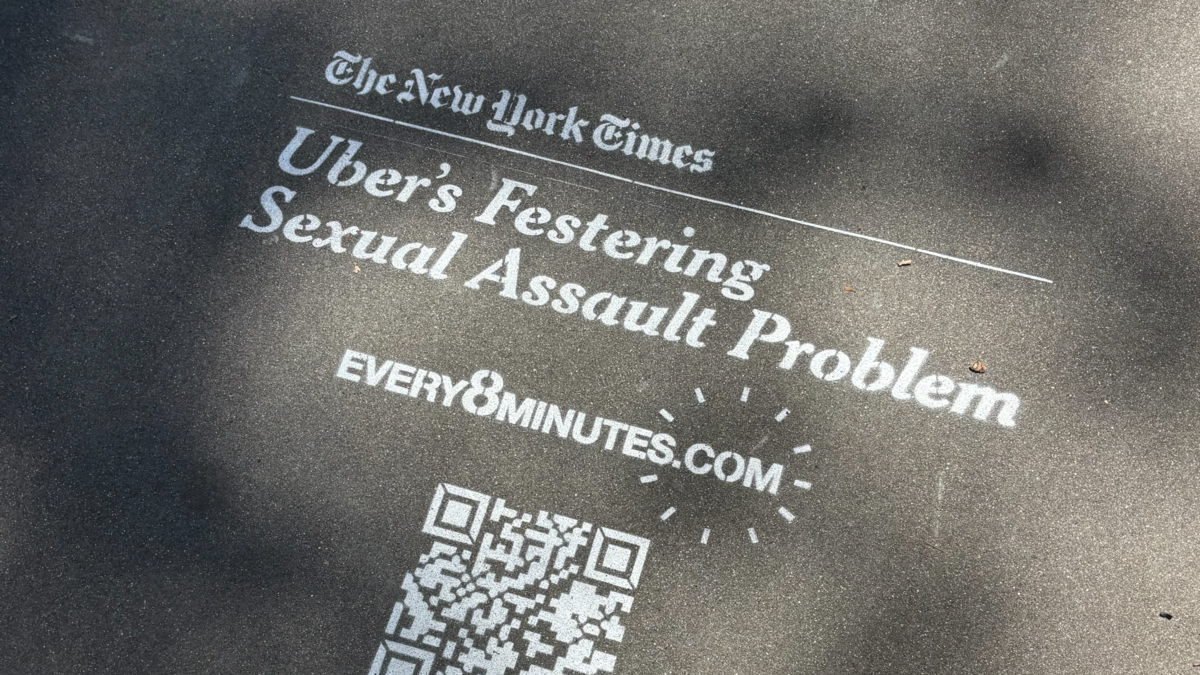
The company’s critics allege lax scrutiny has driven sexual assault and harassment claims against a ballooning number of Uber drivers. The Consumer Attorneys had zeroed in on two recent major court decisions and a New York Times investigation finding that Uber received a sexual assault complaint about a driver every eight minutes between 2017 and 2022, to bolster their case.
Though the ballot measure campaign may have been fought to a draw, at least for now, a separate dispute over Republican California congressman’s effort to include sweeping protections for ride-hailing companies in a must-pass federal spending bill appears to continue.
The deal also spares Gov. Gavin Newsom from having to weigh in as he races against the clock to negotiate a tax on billionaires’ wealth off the ballot ahead of the June 25 deadline.
Legal experts outside the trial attorneys’ campaigns had worried about Uber’s measure, which they said could sharply restrict courtroom access for people in unrelated car accidents who do not have the money to pay an attorney’s high fees up front. The contingency fee system allows attorneys to represent people who can’t afford an hourly rate on the presumption that the attorneys will earn their costs, and a profit, through an eventual settlement.
This story was originally published June 18, 2026 at 3:27 PM.