CA lawmakers pass Uber deal, add housing and ‘rainy day fund’ measures to ballot
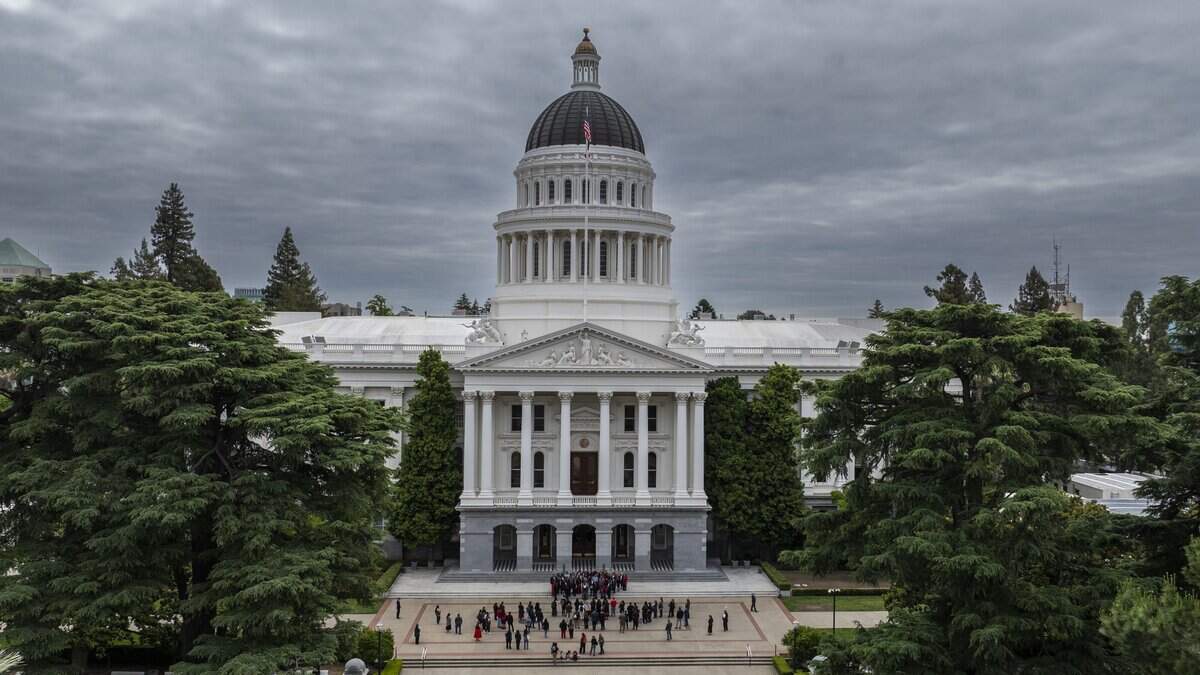
California lawmakers on Thursday approved plans to put a more than $11 billion housing bond and changes to a state reserve account in front of voters. They also signed off on an agreement by Uber and the Consumer Attorneys of California to remove competing ballot measures from the November election.
Those major moves came on the last day for initiatives and legislative measures to qualify for the fall election.
Housing bond
The $11.25 billion bond proposal was years in the making, and the subject of lengthy negotiations and well organized advocacy by groups looking to build more homes in California.
Democrats resoundingly hailed the measure saying it would help address one of the state’s more persistent issues and would build on changes that state lawmakers have pushed over the last decade to zoning, permitting, and environmental laws to try and make it easier to build homes.
“This is how we meet the demand and desperate need for affordable housing in this state,” said state Sen. Christopher Cabaldon, D-West Sacramento, who co-authored the bill.
Dubbed The Veterans and Affordable Housing Bond Act of 2026, the measure would set generate $10 billion for rental housing and homeownership programs and another $1.25 billion to target housing for military veterans.
Republicans argued that the title was misleading because it featured veterans so prominently when most of the money would not be earmarked to programs specifically targeting them. They also said California should be using the state’s record revenues, not the measure, to fund affordable housing efforts.
That was not enough to dissuade Democrats who pushed through the measure after lengthy debate. It is eligible to go in front of voters in November.
‘Rainy Day Fund’
Democrats also forced through a bill that would bring changes to the Budget Stabilization Account — also known as the ‘rainy day fund’ — that will allow the state to save more money and expand what those reserves can be used for. They pitched it as a financially responsible step to take for California’s future.
“Today, we have the opportunity to ask the voters to take the next step and go even further in strengthening our rainy day fund in building a stronger, more fiscally stable California,” said state Sen. John Laird, D-Santa Cruz.
It is also eligible for the November ballot.
Republicans were largely critical of the effort, which also includes a provision that allows contributions to the fund to not count against a state a limit on how much tax revenue that lawmakers can spend.
“We’re going to raise our debt ceiling a little bit, which means there’s going to be more money in the pot to borrow from,” said state Sen. Kelly Seyarto, R-Murrieta.
Uber, Consumer Attorneys agreement
The deal places limits on medical liens that people involved in car crashes can use to access care and requires Uber to adopt tougher background checks for drivers, along other changes. It avoids what was already setting up to be an expensive fight ahead of the November election.
Uber and the attorneys group had already spent a combined $100 million, a number that was likely to continue to rise significantly without the agreement.
“Kudos to the stakeholders that hashed this out over the last several months,” said state Sen. Tom Umberg, D-Villa Park. “It avoids a costly battle.”
The measure received bipartisan support from legislators and was approved with little discussion Thursday, unlike the housing bond and ‘rainy day fund’ debates.
Gov. Gavin Newsom signed off on the bill Thursday afternoon.
This story was originally published June 25, 2026 at 4:30 PM.