
Kings tickets and a cruise: How California’s AIDS office misspent millions
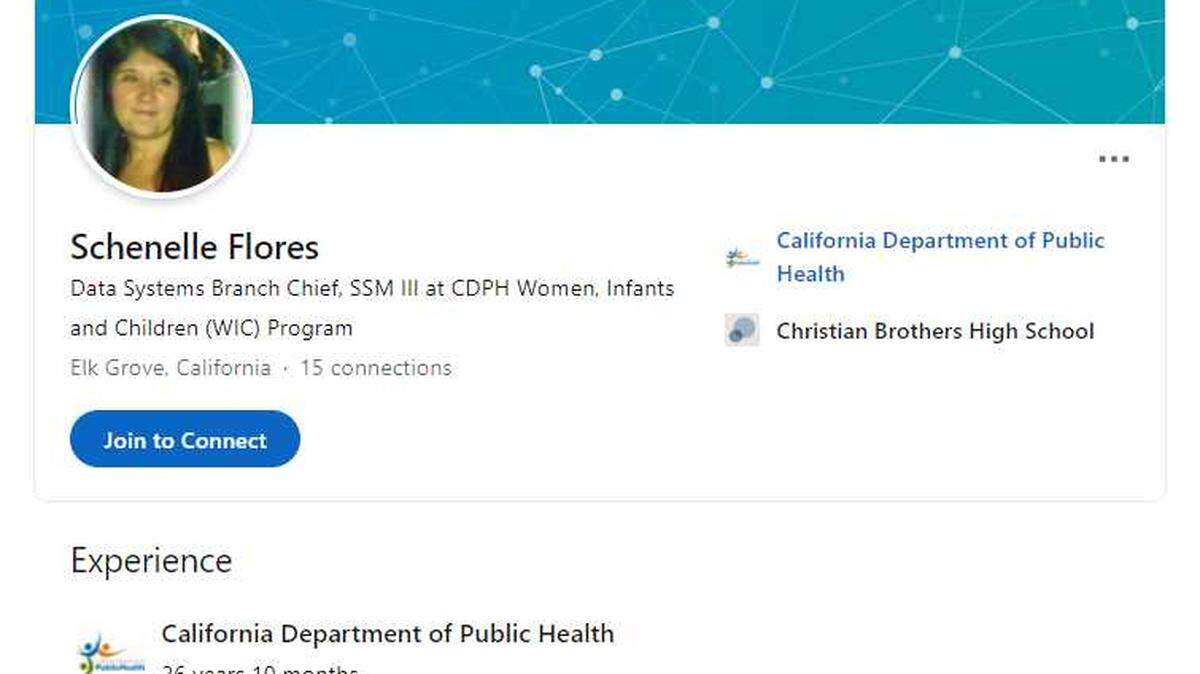
A California state office targeted by an employee’s $2 million fraud scheme had few protocols in place to stop theft or even to keep track of the tens of millions of dollars that flow through it, according to an independent audit.
Schenelle Flores, 45, of Sacramento, pleaded guilty Thursday to a scheme in which she got the state Office of AIDS to pay for things like season tickets to the Sacramento Kings and a boat cruise for her daughter’s birthday party, according to court records.
Flores’ $2.7 million scheme stretched from December 2017 through November 2018, according to the records, spanning two fiscal years.
In those two years, the AIDS Office’s HIV Prevention Branch spent about $24 million more than it had in its budget as a result of sloppy recordkeeping and nearly nonexistent oversight, according to a June 2019 audit report The Sacramento Bee obtained on Thursday through a Public Records Act request.
The Public Health Department hired consulting firm Deloitte in November 2018 to review AIDS Office spending after discovering irregularities, according to department spokeswoman Ali Bay.
The statewide office under the Public Health Department oversees and coordinates programs aimed at combating HIV and AIDS in California by studying the virus and helping people prevent, treat and manage it. The office’s HIV Prevention Branch had about $32 million in total funding in fiscal year 2018-2019, according to the audit.
The department notified state and federal authorities after discovering the misspending and “continues to cooperate with law enforcement on the federal investigation that ensued,” Bay said in an emailed statement.
The Deloitte report describes an office without checks and balances or oversight of spending decisions, where some employees couldn’t clearly describe their roles and some assumed another office was responsible for money management functions.
A lack of leadership and managers who never stayed long likely made things worse, according to the report.
Deloitte recommended leaders refocus on the office’s mission and make a range of changes to improve management of finances and employees.
‘No review or approval process’
Court documents filed with Flores’ plea agreement say she directed an unidentified corporation to make purchases purportedly on behalf of the AIDS Office and then to submit invoices for the office to reimburse the payments. The office’s money was in fact being used on personal expenditures, according to court records.
For example, Flores directed the corporation to purchase more than 1,250 $100 gift cards, falsely representing them as being for things like patient incentives, and then she handed them out to family and friends, according to court documents. The corporation then charged the gift card orders to the state, the documents say.
Flores worked for the Department of Public Health for 26 years before going to work for the Employment Development Department. The court documents say another analyst from the department, who lives in Orangevale, was involved in the scheme, along with other individuals in Sacramento and Fresno.
Deloitte’s audit report says employees at any level within the HIV Prevention Branch of the AIDS Office could make changes to invoices and could set aside money to pay contractors.
There was “no review or approval process” for those changes, and only one signature was required on invoices, the report says.
“As a result, it was possible for specific individuals within prevention branch to submit corrections and change (spending plans) without any branch leadership knowing,” the report says.
The HIV Prevention Branch is one of five branches at the Office of AIDS that share a common pool of money. So when one branch overspent, no one necessarily noticed as long as there was still money in the pool, according to the report.
Several prevention branch employees told auditors they thought another branch, known as program support, was handling things like federal grant budgets, contractor budgets and invoice tracking. But the other branch wasn’t doing those things either, at least not properly, according to auditors.
When auditors asked more specifically what the prevention branch employees thought they were supposed to be doing, they discovered the employees “could not provide a current duty statement and could not explain how the day to day tasks they perform aligned with their duty statement,” according to the report.
Auditors also discovered that “positions exist within prevention branch and support branch for which there are no established roles and responsibilities for employees” and that employee performance was not “routinely assessed or appropriately documented.”
Fixing problems
Bay, the health department spokeswoman, said in a prepared statement that about $2 million of the $24 million in overspending went to “non-public health activities.”
Other money was misspent that was supposed to be reserved specifically for AIDS drugs that treat the infection or for pre-exposure prophylaxis drugs, known as PrEP, that prevent infection, Bay said in the statement.
The department has canceled millions of dollars worth of contracts and reduced other contracts based on the findings, according to Bay’s statement.
It is still working on a strategy to address $7.4 million worth of paid invoices that were charged inappropriately to the AIDS Drug Assistance Program Rebate Fund, Bay said in the statement.
The department paid Deloitte $167,270 for the audit, Bay said in an email.
The branch is funded through the state general fund and federal grants. The irregularities at the branch resulted in inaccurate reporting to the federal Centers for Disease Control and Prevention, according to the audit.
The department has taken steps to ensure the integrity of grants moving forward, it has put in place a more comprehensive process for invoices and spending changes and it has established clear roles and responsibilities for employees, Bay said in the statement.
This story was originally published February 16, 2021 at 5:00 AM.