
Driving for Thanksgiving? Here’s when to hit the road with rain, snow in Northern California
Stay up to date with road closures here: California storm shuts Interstate 80; I-5 at Redding closed to trucks
• • •
There’s no getting around it: Thanksgiving traffic is a nightmare. This year, it’s going to be even worse thanks to a “bomb cyclone” storm that’s going to bring heavy rain and snow to much of Northern California.
Need some help planning when to get on the road and what to prepare for? Here are some suggestions.
The best Thanksgiving travel times
Put simply: Leaving earlier is better.
The analytic experts at Google ran the numbers for the best holiday travel times and, not surprisingly, you’ll skip the worst of the gridlock if you get on the road well before sunrise.
According to Google, the best times for Thanksgiving travel from Sacramento is 3 a.m. Wednesday or at 6 a.m. Thanksgiving morning. The absolute worst time to get on the road is 4 p.m. Wednesday.
Visiting Sacramento and need to know when it’s best to leave?
Your best bet is 4 a.m. Friday or 6 a.m. Sunday. You’re asking for gridlock if you leave Sacramento at 4 p.m. Friday, according to Google.
Looking to head home from around San Francisco? Friday at 4 a.m. and 6 a.m. Saturday have the best odds at avoiding backups. Saturday at 5 p.m. will have the worst Bay Area traffic, Google says.
When will the storm hit?
Those projections don’t factor in the unseasonably cold storm that’s already dumping rain and snow in the region, which is expected to continue through much of Thursday.
When heading into the high country, be prepared for long delays, chain requirements and possibly even road closures, especially if you’re heading north.
In the Valley, the National Weather Service’s hourly weather projections show a consistent potential for rain in Sacramento from Thursday through Sunday. Same goes for places like Fairfield and Modesto.
More than 2 feet of snow is expected to fall before the holiday in the higher elevations. Mountain passes in places like Donner Summit could see as much as 4 feet.
Even elevations as low as 500 feet in the northern Sacramento Valley could see a couple of inches or more.
The California Department of Transportation often closes northbound Interstate 5 just north of Redding in heavy snows. The agency did just that Tuesday afternoon, when the highway department temporarily closed the freeway to northbound traffic.
Caltrans plans to close the Sonora Pass on Highway 108, Ebbetts pass on Highway 4 and Monitor Pass on Highway 89 as early as this afternoon. The Tioga Pass on Highway 120, one of the main routes into Yosemite National Park, is already closed.
Snow was piling up in the Sierra on Tuesday.
When the freeway wasn’t closed Tuesday afternoon on Interstate 80 because of spinouts, chains were required on all vehicles except four wheel drives in both directions heading up toward Donner Summit.
Another thing to consider when heading north: Many of the highways that run east to west in the northern part of the state motorists sometimes take to try to get around an I-5 closure are subject to landslides when there’s rain and snow.
“Any of those areas prone to slides can be closed due to slide activity,” Franco said.
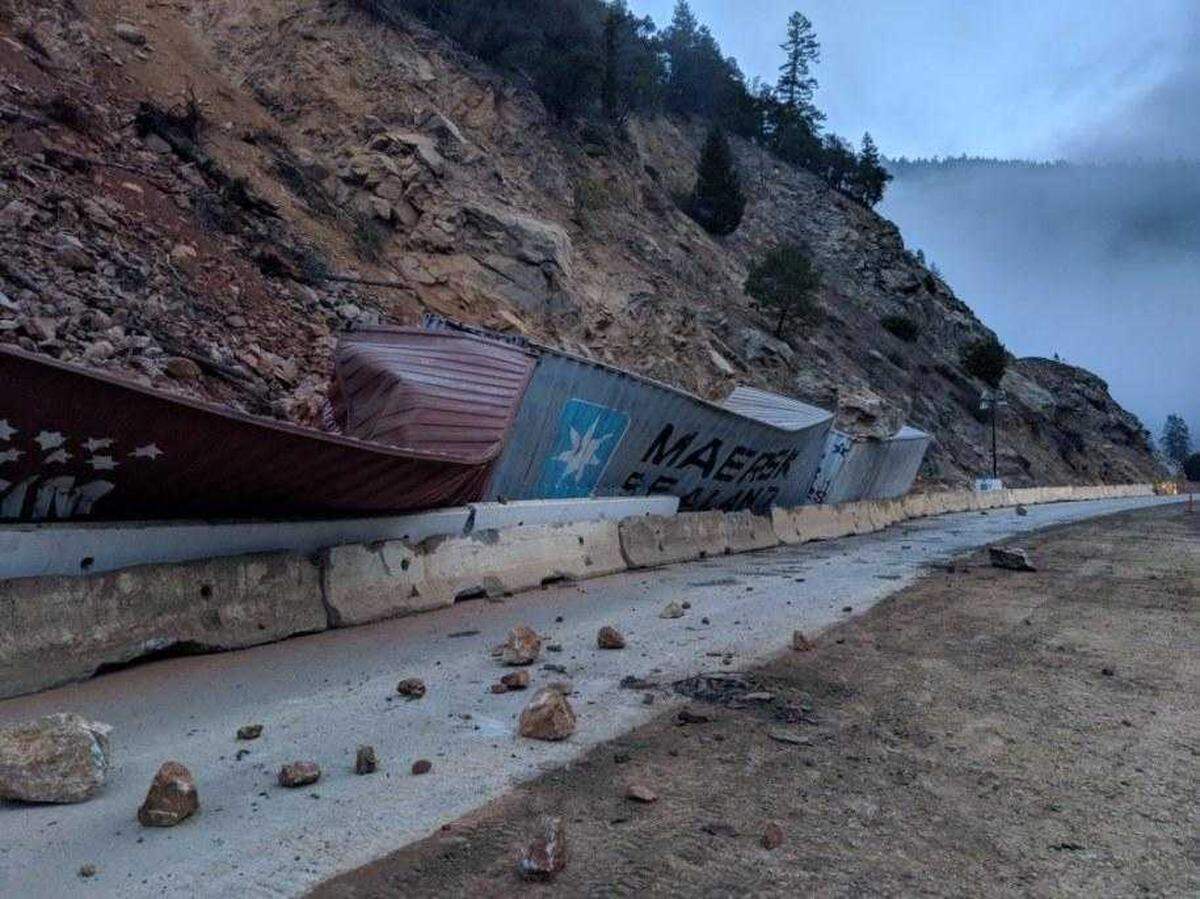
Already on Tuesday morning, a slide was causing substantial delays on Highway 96, the winding highway that runs through the wilderness in Shasta and Trinity counties near the Oregon border.
Prepare for chains and road closures
Aside from packing extra patience, Caltrans advises that motorists get their vehicle ready for winter travel and long delays.
Make sure tires have ample tread. Haven’t changed your windshield wipers since last year? You’re probably due for new ones.
Carry snow chains that actually fit your wheels, officials urged.
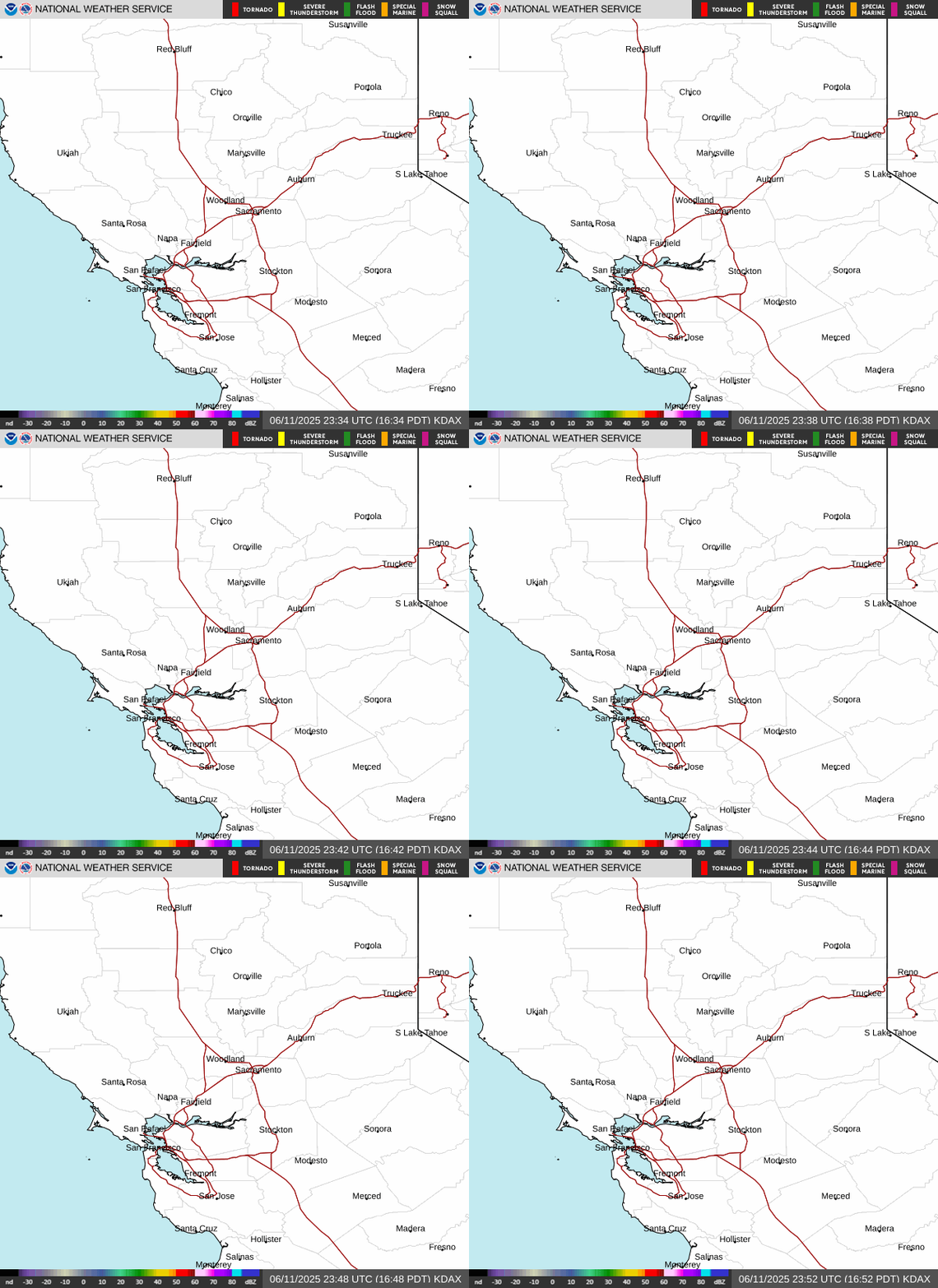
Latest doppler radar loop for Northern California
Pack flashlights, blankets, warm clothes, rain and snow gear and food and water.
To help plan your trip in real time, Caltrans says you should download its free Caltrans QuickMap app. The information the app provides on travel conditions, including chain-control locations and road closures – it also can be found at quickmap.dot.ca.gov.
Hourly weather forecasts and storm alerts for specific locations can be found at the National Weather Service forecast center at weather.gov.
Latest visible satellite loop for West Coast

This story was originally published November 26, 2019 at 2:00 PM.