
Don’t play in Sacramento floodwater or storm runoff, officials say — ‘you can get really sick’
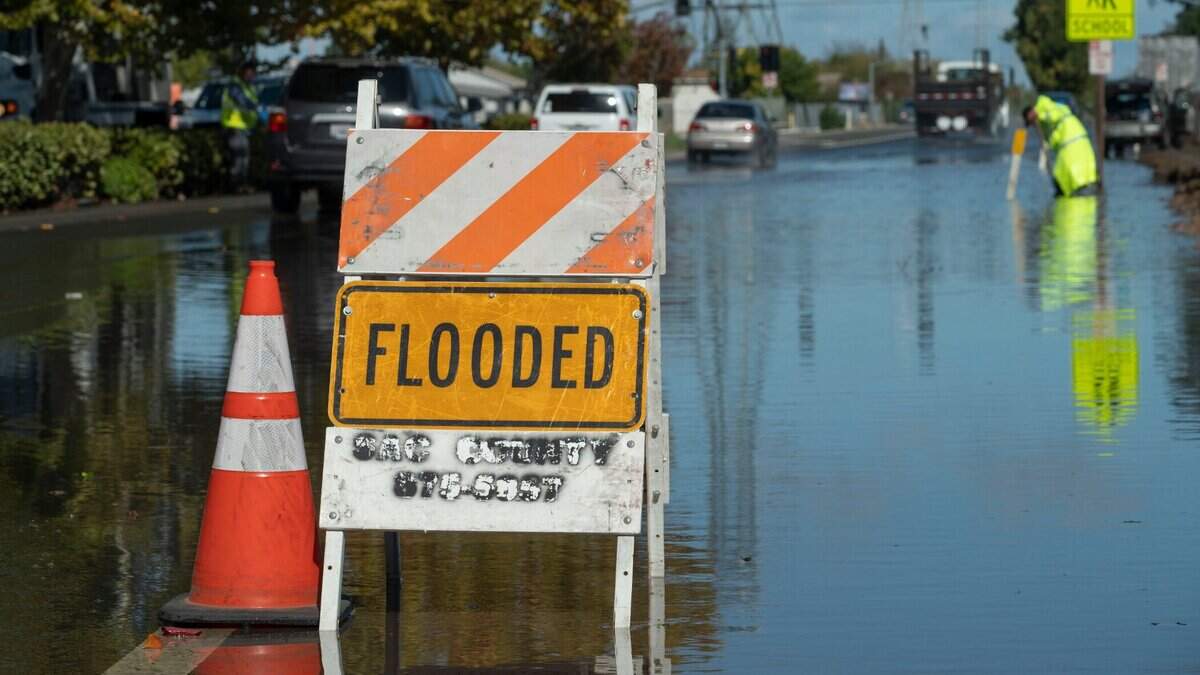
As another major rainstorm is expected to drench an already saturated capital region, Sacramento County is urging residents not to play in floodwater.
Several videos have surfaced across social media of Californians playfully “street surfing,” tight-roping and paddling in brown, murky waters following Northern California’s previous “atmospheric river” storm. Not only does the overflowing water contain hidden physical dangers like trees and submerged cars but the water could contain hazardous substances.
“Floodwaters can carry raw sewage and other dangerous hazmat-type substances that once it gets on your skin and clothes and your hands ... you can get really sick,” said Sacramento County spokeswoman Janna Haynes.
Sacramento braces for flooding threat
Between Wednesday morning and Thursday night, up to 3 inches of rain is predicted to fall with wind gusts as high as 55 mph. The National Weather Service predicts difficult driving conditions, accompanied with another round of widespread power outages and fallen trees.
A flood warning across parts of Northern California including Sacramento remains in effect until Friday morning. Communities could potentially get washed out, National Weather Service wrote Tuesday on its Twitter page, from excessive rainfall and rising streams, creeks and rivers.
Do not drive, play or bathe in the water.
Why is floodwater dangerous?
It’s unclear what’s in floodwater at “any given point in time,” the Centers for Disease Control and Prevention wrote on its website, making the risk that much more dangerous. Here’s a list of what can be hiding in the water:
- Downed power lines
- Human and livestock waste
- Household, medical, and industrial hazardous waste (chemical, biological, and radiological)
- Coal ash waste that can contain carcinogenic compounds such as arsenic, chromium, and mercury
- Other contaminants that can lead to illness
- Physical objects such as lumber, vehicles, and debris
- Wild or stray animals such as rodents and snakes
The most common reactions to floodwater exposure includes wound infections, skin rashes, illnesses linked to the digestive system and tetanus.
If exposed, immediately wash your skin and disinfect your clothes with hot water and detergent.
This story was originally published January 4, 2023 at 6:00 AM.