Cops kill, we pray, protest, and repeat. We’re paying the price for not holding them accountable
Our reality today: A veteran cop 1,800 miles away in Brooklyn Center, Minn., yelled “taser, taser, taser” and instead fired her gun, killing Daunte Wright, a 20-year-old young Black man, and the consequences are immediately felt far beyond, including here, now.
As that small town of 30,000 copes with the death, as his family grieves, as we all witness and feel a loss of life and wrestle with the tragic chronic repetition of police use of force against Black men, we also know the profound reach of the pain. We will feel it beyond outrage.
The outrage spills into the streets as people raise voices to be heard, to demand change. And that change has not arrived. Lives are still being taken, communities cannot heal. Tuesday, about 100 marched in downtown Sacramento, just as they have so many times before. This time, they were protesting Wright’s killing.
Sacramento and the nation were wracked last year amid civil unrest following the killing of George Floyd, also by police in Minnesota. Last year the Sacramento County Board of Supervisors, for this and a multitude of other reasons, declared racism a public health crisis.
The actions of men and women in law enforcement decimate communities.
So after burying my head in my hands and thinking, “not again” when the news of Wright’s killing broke, I thought, the use of police force is one of our most pressing, costly issues in terms of lives, and life. After feeling the ache for Wright’s mother as she described how her heart was “literally broken into 1,000 pieces,” I thought, how many times do we have to say, “enough.” And how blind will we continue to be to the price paid for our inaction.
Police unions and state and federal laws have insulated cops from accountability over the years. Efforts to confront police violence have failed in the legislature. Former State Attorney General Xavier Becerra did everything he could to duck scrutinizing police accountability until he was practically out the door.
This inaction means tragedy upon tragedy. I fear for my community. I fear we cannot survive another spring and summer like the last one.
Long reach of pain
Violence by civilians in response to police violence has become what happens when federal, state and city governments fail to hold police officers accountable for using deadly force when there is no justification for it. That same inaction is what has prompted calls to “defund the police.”
I have been saying this to people I know in law enforcement for years now. And it’s gotten me nothing but the silent treatment from law enforcement leaders I used to be quite friendly with.
It’s not getting any better. Platitudes and kneeling in prayer in spaces where civic violence has occurred is not going to make our streets safer. What people want is accountability for terrible outcomes like the Wright killing. They want accountability for police practices and city policies where a profit motive encourages cops to make stops and issue citations with fines that boost the coffers of cities.
After he retired as Sacramento’s Police Chief, Rick Braziel worked on a scathing U.S. Justice Department report in 2015 that connected the dots between police abuse and civic profit by cities. In that case, the offending department and city was Ferguson, Mo., where Michael Brown was killed by police in 2014, spawning the Black Lives Matter movement.
“The City budgets for sizeable increases in municipal fines and fees each year, exhorts police and court staff to deliver those revenue increases, and closely monitors whether those increases are achieved,” said the DOJ report. “In March 2010, for instance, the City Finance Director wrote...that ‘unless ticket writing ramps up significantly before the end of the year, it will be hard to significantly raise collections next year.’”
The DOJ reported that between 2012 and 2014, Black residents of Ferguson accounted for 85%of vehicle stops, 90% of citations, and 93% of arrests even though Black residents were only 67% of Ferguson’s population. There was great “community distrust” that was well established the day that Brown was killed by police and then left in the middle of a street for hours afterward.
Was that happening in Wright’s case? He was pulled over for driving a car with expired tags, something that many people have done without getting pulled over – including me. He ended up dead.
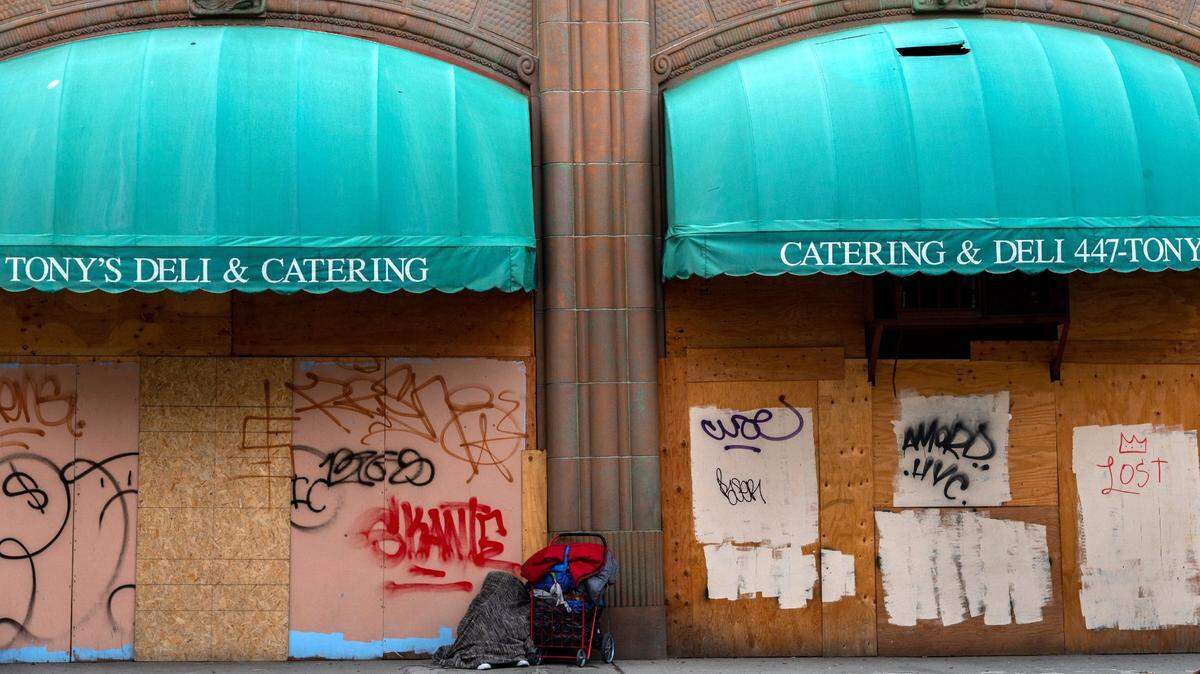
In lieu of accountability for these incidents, a disease has metastasized in our civic spaces to the point where violence begets violence. In our confusion and pain we allowed, or we even justified, the destruction of property belonging to innocent people to avenge Floyd’s killing.
With their moral authority eroded by a failure to seek accountability for police violence, Sacramento Police hung back as downtown Sacramento was trashed last summer. In anger over the lack of accountability for police violence, people in our community made the argument that protest is never popular and that property is less important than people.
Protest is never popular, but violence and destruction are not protest. Property is less important than people, but what about the people who occupy the property?
People who suffer
I recently introduced Alma Perez, the owner of a downtown hair salon that has been shut down for more than a year and was trashed more than once in protests last year. Perez is 60 and is the mother of seven children between the ages of 39 and 15. She is the daughter of Mexican immigrants. She’s not a millionaire, doesn’t have any pull at the state capitol, doesn’t have a summer home.
She has never done any harm to anybody. Her salon is her retirement, her livelihood. It was ransacked and robbed last year. People took thousands of dollars of equipment and goods, much of which she has to cover out of her own pocket. They urinated on her floors, took the shears her mother gave her decades ago. Perez had a dream to be a hair stylist and her mother wanted to encourage her.
“It was my first pair of shears when I got my first job on Nov. 3, 1980,” Perez said. Her mother, who died in 1996, gave them to her. “I will always remember that day,” she said. “She saved a long time to buy them...They could have taken anything else from me but that hurt me so much.”
Even after telling her story, Perez said she hasn’t heard from anyone in the city.
More violence this year could damage Perez and many others for life.
Nothing compares with the killing of Wright and others. A demand for accountability and an end to this violence is the issue for our time.
But are we going to demand justice by visiting injustice on innocent people? Are we going to conflate violence with protest? Will some respond to police brutality by brutalizing others? If the answer is yes, then the casualties of police violence without accountability will keep growing.
This story was originally published April 14, 2021 at 12:00 AM.