Afghanistan’s refugees are fleeing the Taliban only to face homelessness in Sacramento
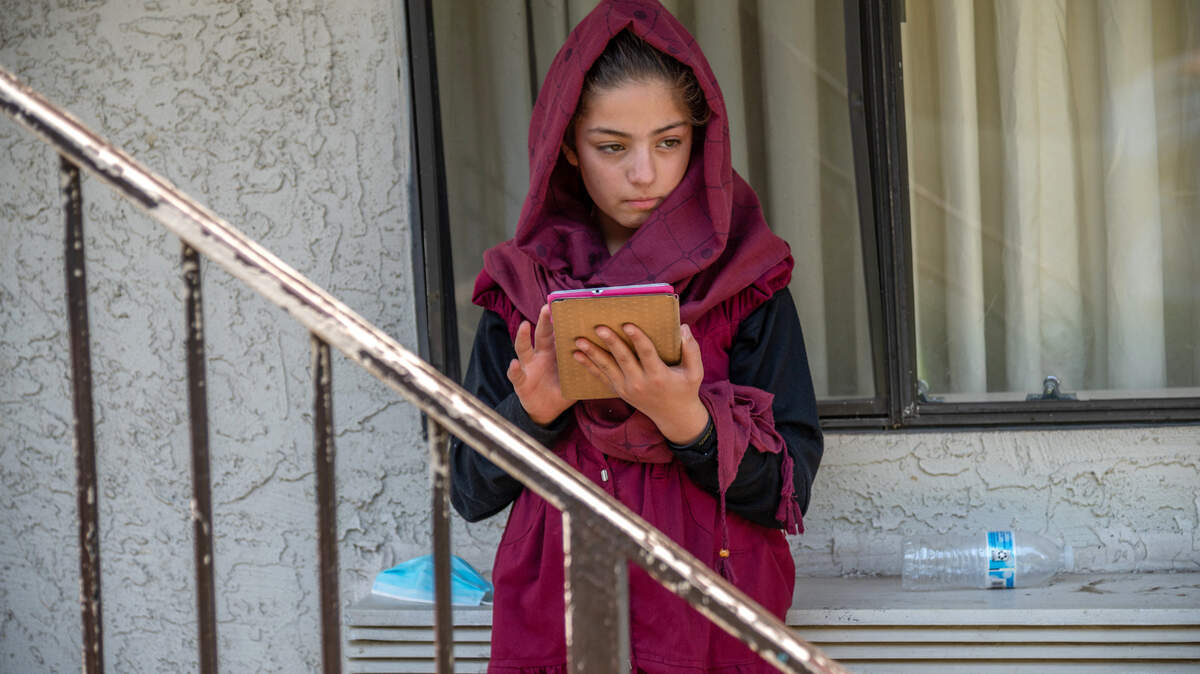
Spurred by the United States’ withdrawal from its two-decade war in Afghanistan, more than 600,000 Afghans have fled the country since the beginning of this year. By the end of the year, according to the local chapter of the International Rescue Committee, more than 1,700 Afghan evacuees are expected to resettle in the Sacramento area.
Carmichael, Rancho Cordova, North Highlands and Natomas have all become home to significant Afghan populations in a county with about 9,700 people from Afghanistan, more than any other in the U.S.; another 2,000 live in Yolo, Sutter, Placer or El Dorado counties.
It’s easier for refugees to enter the United States if they already have relatives here. But when the State Department released a list of “suitable cities” for Afghan refugees who qualify under special immigrant visas — usually reserved for those who have worked with the American government — not a single California city made the list. Afghans were instead advised to resettle in cities such as Phoenix, Denver, and Jacksonville, Fla.
A limited exception was made for the Sacramento area. Noting a “critical shortage of housing availability,” the State Department said only immigrants with immediate family living here would be considered for resettlement in the region.
Though Afghans constitute only 1% of the American population, there has been a 122% increase in Afghan immigration to the U.S. since 2009. About 30% of those immigrants hold a bachelor’s degree or higher, said Michele Waslin of George Mason University’s Institute for Immigration Research.
“They are complete people who had lives and professions in Afghanistan,” Waslin said. “A lot of them are highly educated and highly skilled.”
Sacramento Councilman Sean Loloee said his personal cellphone number has been circulating for weeks among refugee families desperately looking for a way to get to the area. Loloee, who is originally from Iran, said the refugees have “a choice: Die, or be in limbo until we can find you a place. That’s how bad it is over there right now.
“We all need to pitch in because we turned our back on these individuals. Now it is our responsibility to make sure these families are protected.”
But once they get here, they face another series of hurdles, according to area resettlement agencies. It takes at least a month to find an apartment but often much longer, said Kathy Chao Rothberg of Lao Family Community Development, and federal resettlement aid runs out after 90 days. Some Afghan Americans in Sacramento have opened their homes to refugees, but many would be in breach of their leases if they hosted a family for more than a few days, she said.
As much as Sacramento and its Afghan American community may want to welcome these refugees, the State Department warns that unless they have “close relatives or friends in these areas who are able to provide financial support and housing until you find employment that covers your living expenses, it is best to allow a resettlement agency to choose a suitable location for you.”
The warning underscores another consequence of California’s housing shortage: We have priced out the huddled masses yearning to breathe free.
Decades of housing policies have led us to this point. California is seeing an unprecedented loss of a congressional seat, and its population shrank last year for the first time in more than 100 years. The state’s homelessness crisis, meanwhile, stands to get worse now that its eviction moratorium has expired. Exclusionary zoning, property tax caps, and reduced public housing capacity have helped exclude not just the state’s poor and middle class but also the newcomers who need our help.
The state and its capital can’t claim to welcome immigrants on one hand while pricing them out of our communities on the other.