
If Sacramento wants progress on major issues, we’re going to need a different City Council
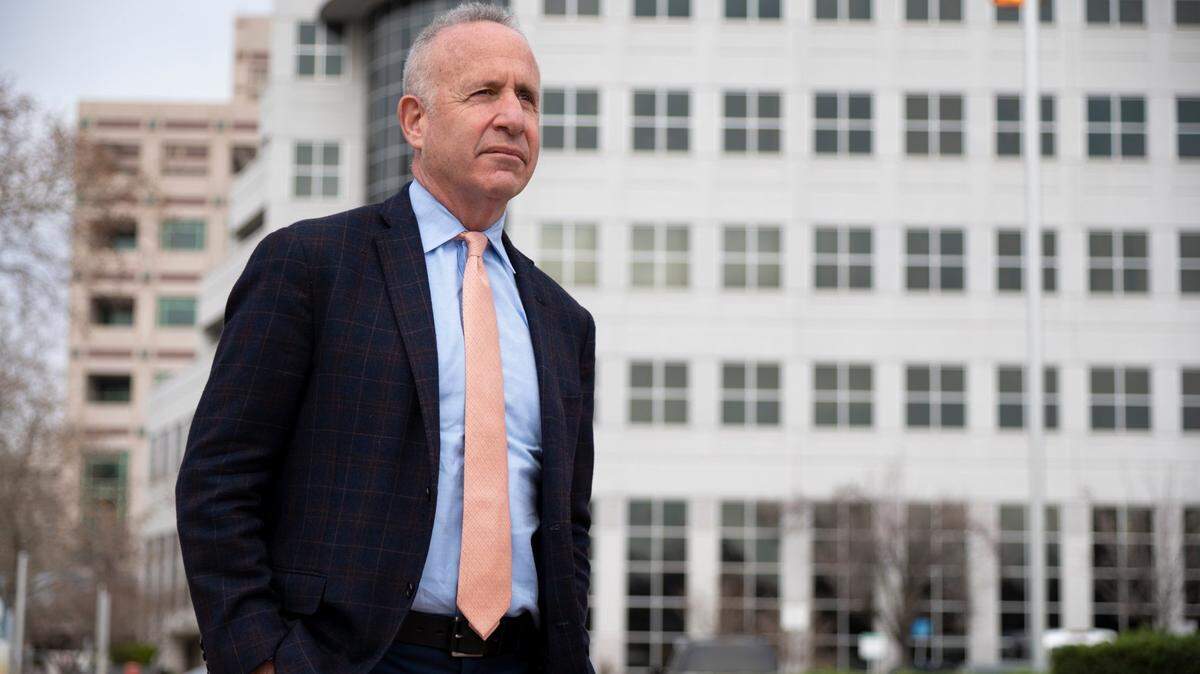
The frustration Sacramento Mayor Darrell Steinberg feels is hard to ignore. His dismay over a lack of progress on housing, homelessness and other challenges is boiling over more frequently, especially when critics accuse city leaders of failing to act.
Last week he got upset with a south Sacramento man who complained about the city’s spending priorities and the mayor’s tactics in selling a sales tax extension to voters.
“I have been, and my colleagues have been, steadfastly dedicated to investing it in the community ... so I don’t want to hear from anybody that the city isn’t spending money on homelessness and housing,” Steinberg said during the council meeting. “Give me a break.”
More important than the uninformed allegation or the mayor’s response was the implied frustration shared by Sacramentans of all political leanings. In a city with such a conservative governing system, ambition is unwelcome and conflict is more assured than progress.
If Sacramento wants change, this City Council is not built for it. Neither is the governing style voters unfortunately preserved in 2020, keeping the mayor weak and the city manager empowered to sustain another status quo California bureaucracy. This warrants repeating so those who yearn for visible improvement can understand why they’re not getting it.
Beyond this structural problem, consider the nine people sitting on the council dais.
Two, Angelique Ashby and Eric Guerra, are — like many of their predecessors — seeking higher office in the state Legislature. Can we really expect them to tamp down their political aspirations and take bold action when they have contested primaries coming up?
Three others, Mai Vang, Katie Valenzuela and Sean Loloee, are starting their second year in office. Given the steep learning curve that comes with city governance, they are still trying to master the art of turning their political beliefs into policy, let alone represent diverse constituencies and tackle complex problems.
Rick Jennings is running unopposed to retain his District 7 seat, which should inspire more boldness but could also allow complacency. Councilman Jeff Harris has a decision to make about the newly-drawn District 3 and whether he wants to represent south Natomas or bow out.
Steinberg and Councilman Jay Schenirer are retiring at the end of their respective terms (Schenirer this year and the mayor in 2024). While they are as capable as any members of the council — skilled at brokering deals and whipping votes on thorny issues — they’ve also been thrashed in the public square by people upset about homelessness, Steinberg especially.
Also consider how little the council accomplished in 2021. Most of the year was consumed by spending COVID relief dollars and passing Steinberg’s $100 million comprehensive homelessness plan, which is built on one-time funding streams with a relatively short, two-year lifespan.
Roughly five months after the plan was approved, most of the 20-plus safe ground sites either have been scrapped or remain trapped in a web of government approvals. No meaningful shelter or housing capacity has been added, citizens are sparring over wintertime enforcement and the homeless census next month will probably just tell us how much worse the crisis has gotten.
Sacramento has also utterly failed to heal the community after the 2018 police killings of two young Black men, Stephon Clark and Darrell Richards, who was also of Hmong descent. The scars and ongoing mistrust were affirmed in a 2020 survey that found 70% of Black residents believe police use excessive force and 75% feel officers treat racial groups unfairly.
Black Sacramentans still account for almost 40% of traffic stops, according to state Department of Justice data, despite making up 13% of the population. A new state report on police profiling found that civilian complaints against the Sacramento Police Department increased 63% from 2019 to 2020, making the city an outlier compared with other major California departments over that span.
The council reformed the city’s use-of-force policies last year, but efforts to effect deeper cultural change were ignored. A proposal from the toothless Sacramento Community Police Review Commission to seek outside help on racial bias was spurned because the department maintains it would be a “significant cost.” Instead of exploring the commission’s numerous thoughtful suggestions, the council would rather spend up to $600,000 for an outside company to oversee “truth, reform and reconciliation” efforts to bridge the communal divide.
Who in Sacramento can actually lead in this kind of change-proof system?
Answering that question honestly may inspire some reflection about what sort of ambition this city is willing to get behind. Right now, Sacramento’s most effective leader is feeling so helpless that he’s berating misinformed naysayers in public.