
Girl Scouts don’t just sell cookies. They help girls become strong, modern women
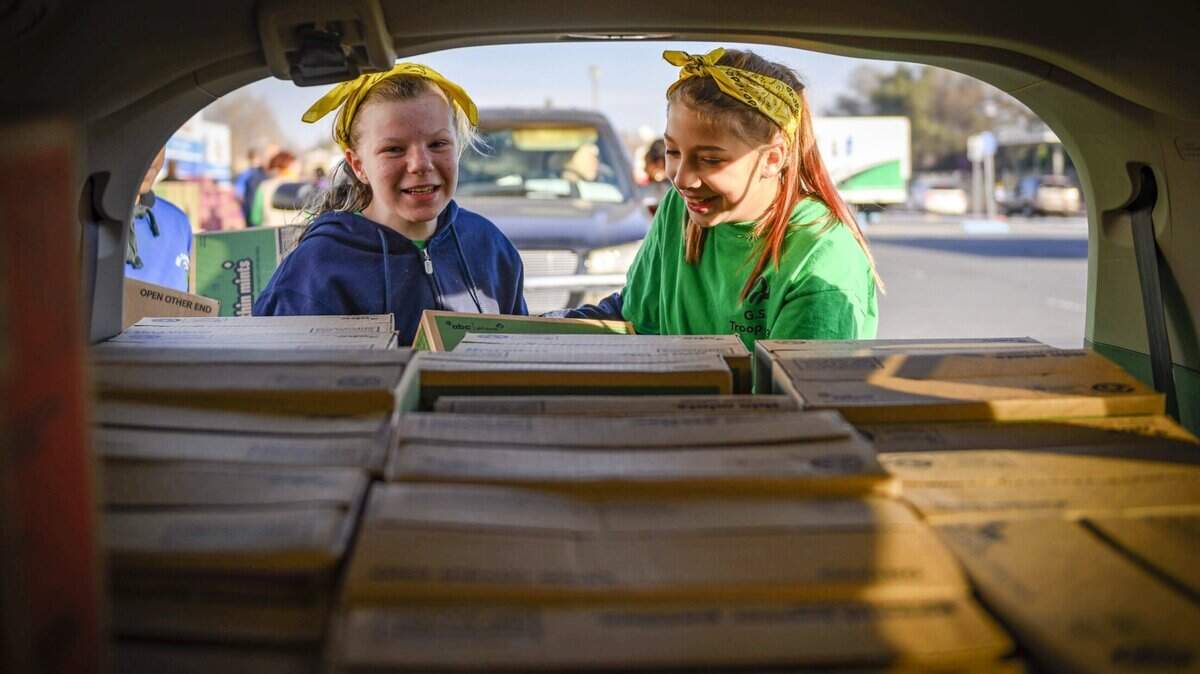
Girl Scout Cookie season ends Sunday. For some, this will be welcome after weeks of dodging girls attempting to sell them cookies in front of grocery stores.
In fact, some people object to cookie season to the extent that they scream at Girl Scouts just for inquiring whether they could care to buy some Thin Mints, Shortbread Trefoils or, my fave, Samoas. Sadly, abuse of girls selling cookies actually happens. It’s happened to me.
But for me, and for many girls and women, selling Girl Scout Cookies is about a lot more than selling cookies.
My late mother, Cindy, was a Girl Scout in the 1970s, and she was my troop leader more than 20 years ago. My godmother, Lois, was a Girl Scout in the 1950s and, later, my mother’s troop leader. I have started five troops across the U.S. and spent numerous summers in my teens and 20s as a camp counselor in Truckee, Marin County and Boston. I hope to start another troop in Sacramento at some point, and I am still friends with many of the inspiring young women, nonbinary and transgender men and women I met through Girl Scouting.
Generations of families like mine carry on this legacy. There are 2.6 million girl and adult members of Girl Scouts and Girl Guides (the international version) worldwide, and 59 million American women alive today participated in Girl Scouts at some point in their lives.
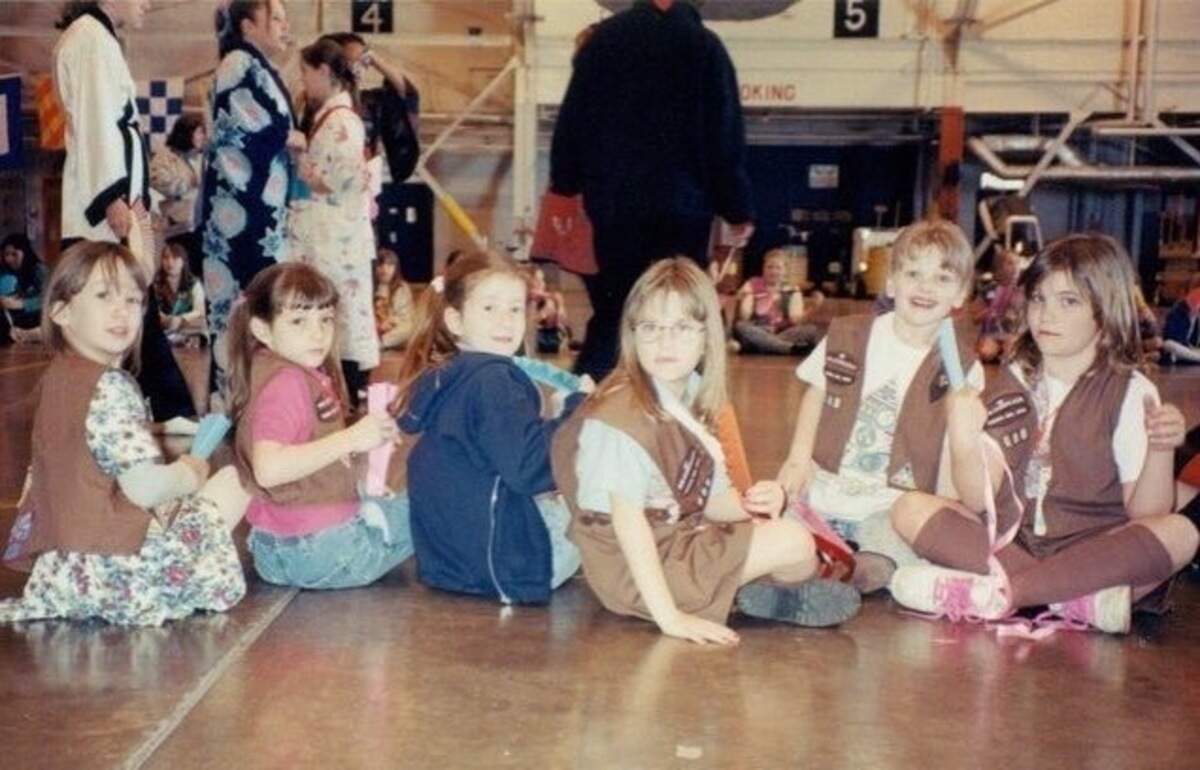
You may only know us as cookie pushers, but Girl Scouts empower girls to explore the outdoors and learn about our world through girl-led activities. Girl Scouts hike, cave dive, rock climb, apply first aid and build robots as well as sew, bake, knit, write and create. The inclusion of all these skills and more makes for well-rounded and capable girls who learn from other women.
Despite Girl Scouts’ approaching its 110th anniversary worldwide, most adults are only vaguely aware of Girl Scouting outside cookie sales or of the difference between Girl Scouts and Boy Scouts.
There is a misconception that the two organizations are affiliated, but they aren’t. They do share a common denominator: Juliette Gordon Low, the American-born founder of the Girl Scouts, was inspired to create the program by Lord Robert Baden-Powell, the founder of Boy Scouts in the United Kingdom. But their paths diverged from there.
Girl Scouts has strong feminist, environmental and multicultural principles and supports accurate reproductive and health care information. The Girl Scouts welcomed LGBT youths decades before it was politically correct to do so and has long provided a place for young women to grow and learn about the world in the company of other women.
The fraught history of the Boy Scouts with respect to gay members and leaders is well-known. The organization also still expressly prohibits agnostic or atheist members from joining.
This brings me back to the abuse of cookie-selling Girl Scouts, who are reportedly facing harassment over rising prices and nutritional issues. Harassment happened when I was a kid, so I’m not surprised it’s still happening. Every cookie season, as I’d sit outside a Safeway in North Highlands hawking boxes with my troop, someone would inevitably take the opportunity to tell us what they thought of Girl Scouts.
I didn’t understand why this was happening as a kid, but I think I do now. When the goal is to foster strong women, someone will disagree.
So often, selling cookies isn’t just about learning how to make a budget and a business plan; it’s also a crash course in humanity. Girls learn they can become targets of abuse even as they are trying to better themselves and help others.
When I see Girl Scouts selling cookies, I reflect on their humanity as they learn about the world, one cookie box at a time. They learn to be resilient even when the worst parts of the world respond to their open hearts with scorn.
In this spirit, I still include the highest award a Girl Scout can earn, the Gold Award, on my resume. To achieve the award, I started a club at my high school to educate my peers about the importance of literacy, spoke at school assemblies and raised funds from local businesses. My Gold Award project filled my elementary school library with more than 250 books.
In recent decades, Girl Scouts have promoted women in science, technology, engineering and math (STEM) careers, and when I led a Daisy troop (5- and 6-year-olds) in Chico, we were working on cybersecurity badges alongside learning the basic tenets of Girl Scouting: to be honest and fair, friendly and brave, considerate and caring, courageous and strong — and a sister to every other Girl Scout.
In April, more than a thousand local Girl Scouts in the Heart of Central California Council will learn archery, horse riding, kayaking and more at the annual Outdoor Adventure Campout. The council’s annual STEM Expo, also in April, will host more than 600 girls ages 5 to 18 who are interested in pursuing STEM careers.
Your only interaction with a Girl Scout all year may be outside your local grocery store, but we’re out there in the community every day whether you see us or not. So if you buy cookies this year or in the future, you’re supporting the growth of strong young women in a world that needs them now more than ever.