
Why embracing COVID-era outdoor dining is so difficult for some California cities
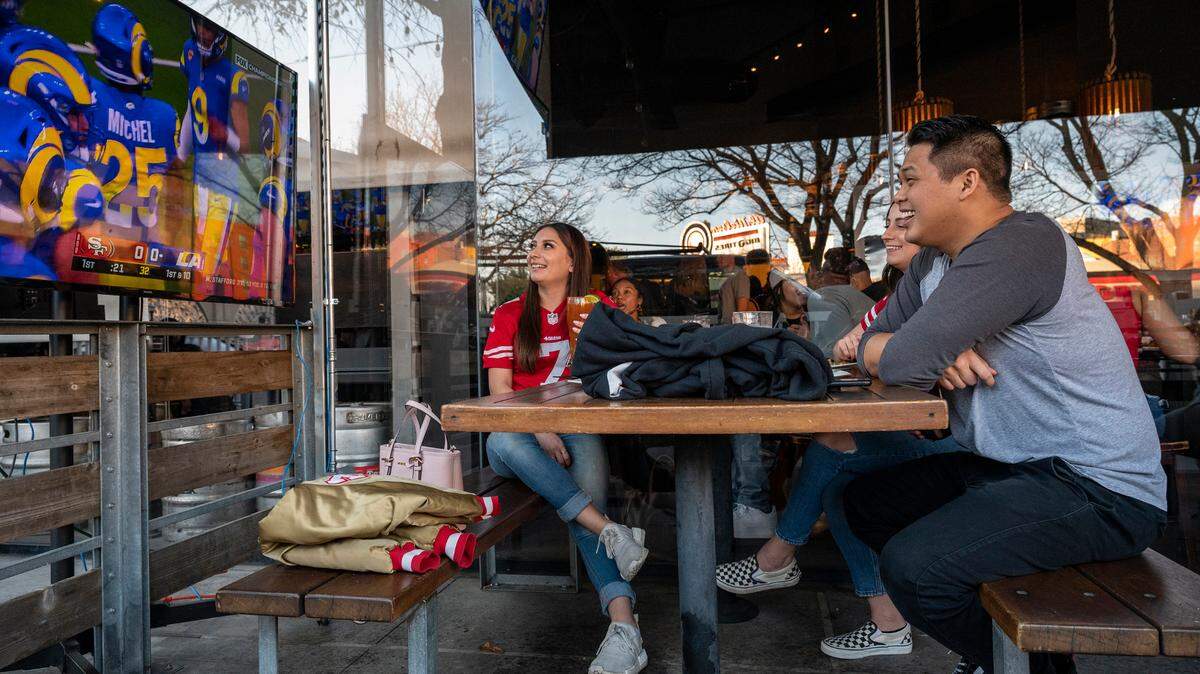
For all the ravages of the coronavirus, the reallocation of outdoor spaces from speeding and parking cars to eating and drinking people may not have been, in retrospect, all that bad. So Sacramento acknowledged recently by adopting a plan to encourage expanded pandemic-era outdoor dining options to flourish indefinitely.
It’s not as easy or obvious as it sounds. San Francisco’s attempt to embrace its own novel alfresco accommodations, for example, was so replete with rules and regulations that the city’s restaurateurs feared 90% of them would have to be torn down. Although California’s perpetual abundance of sunshine and shortage of rain suggest an outdoor diner’s paradise, cities from Paso Robles to San Diego have been all too quick to turn so-called parklets back into parking.
California has betrayed similar uneasiness about the pandemic-era easing of its byzantine alcohol regulations. Though businesses and consumers alike welcomed expanded opportunities for direct alcohol shipments, to-go cocktails and the like, a perpetual threat of over-regulation looms.
The Sacramento City Council’s response stands out as enlightened by contrast, giving restaurants a menu of approved design standards and more than a year to make the transition from temporary to permanent permits. Councilwoman Angelique Ashby called the alfresco efflorescence “one of the great things that came from the last couple of years.”
To be clear, not that many great things came of the last couple of years. But quite a few other things might at least be useful beyond the porous borders of the present pandemic. More flexible work arrangements, for example, are indeed great for plenty of people as well as the climate. And like outdoor dining, remote work is winning halting acceptance in a relatively small swath of corporate America even as most companies are striving to revive the age of the cubicle.
Then again, broader acceptance of masks in high-risk settings and expanded vaccination requirements in schools and workplaces would be not only useful but lifesaving. The politically charged hostility toward those measures, however, makes the uneasiness with outdoor dining and remote work look mild. Even the California Legislature’s vaccine vanguard has surrendered on the subject, withdrawing a series of bills that would have encouraged or required COVID inoculation.
Despite the fervent desire in some circles to believe this pandemic was planned by the Chinese government, a long series of contagions have spilled over quite accidentally from animal populations, particularly as humans have encroached on more of them. It follows that more pandemics will come, and the precautions that proved effective against this one shouldn’t be so eagerly dismantled. That’s especially true in the case of those adjustments that revealed other, incidental benefits.
Sacramento’s embrace of outdoor dining is a small but needed victory of learning from experience over willful ignorance. Maybe we don’t have to dedicate quite so much of our public spaces to traffic; maybe regulations that serve no discernible purpose for consumers or businesses shouldn’t exist; maybe we should preserve epidemiologically safer dining and drinking options for people who want them; and maybe, just maybe, this wasn’t our first pandemic and it won’t be our last.
Of course, many of us would rather forget that the lives we regarded as normal could be so easily ended and upended by chaotic forces beyond our control. Even an innovation as innocuous as a restaurant patio has the audacity to remind us otherwise.