
Sacramento County will finally consider cannabis sales (and taxes) in unincorporated areas
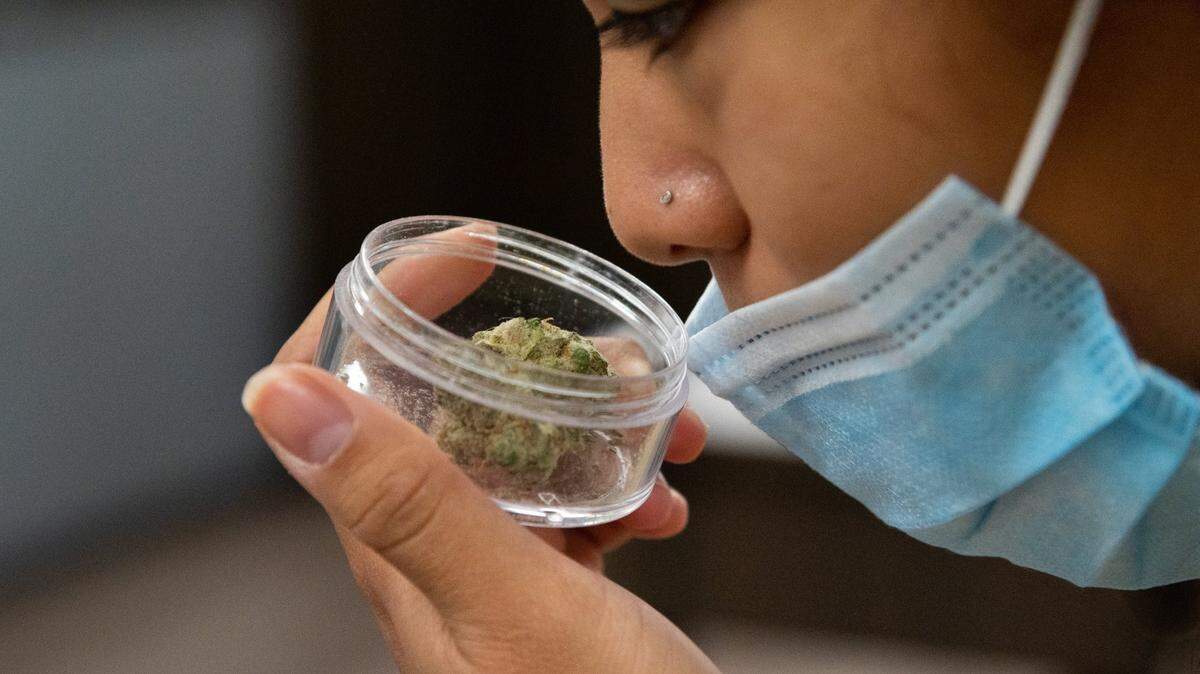
It took more than four years, but Sacramento County has finally drafted regulations that would sanction and tax marijuana businesses in unincorporated areas. On Tuesday, the Board of Supervisors will vote to place a measure on the November ballot, and given the clear mandate from voters who backed legalization in 2016 — they definitely should.
But the way the ordinance is drafted, estimates as high as $8 million in new tax revenue would be absorbed by the county’s General Fund. There are better uses for that money that address historical wrongs and reduce the risk for the county’s youngest residents. Allowing legitimate cannabis businesses to flourish in these communities could also undercut the underground market that still operates in many neighborhoods.
The Board of Supervisors should heed the calls from various civil rights and youth advocacy organizations to direct a share of revenue toward substance abuse prevention and public health measures — particularly in communities that were disproportionately impacted by the racist War on Drugs and mass incarceration.
But as the ordinance stands currently, any tax revenue generated from new cannabis businesses in Sacramento’s unincorporated areas would funnel toward the $3.5 billion General Fund, to be used however the Board of Supervisors see fit.
We can think of a better use for that money.
So can multiple representatives from various local civil rights and youth advocacy groups, who have called on the supervisors to redirect some of the revenue into preventative programs instead, including abuse prevention, public health and community education.
The revenue should be used for preventative programs to prioritize areas that have been disproportionately hurt by the racist war on drugs and mass incarceration.
The city of Sacramento may ask voters to do the same on its own November ballot, if Mayor Darrell Steinberg has his way. Steinberg wants the city to set aside approximately 40% of cannabis tax revenue for youth substance abuse prevention, youth mental health and other youth services. Given the city’s historic failure to dedicate money for youth programs, there’s a serious need for such a measure.
Cannabis has been legal in California for years and is the fifth largest crop in the state according to data from the California Department of Food and Agriculture — behind dairy products, almonds, grapes and strawberries. County leaders must invest in neglected areas, and cannabis revenue could be a reliable funding stream to do that. Crafting a responsible ordinance is a good way to achieve both, and further the promise of legalization that California voters approved back in 2016.
Many of Sacramento County unincorporated areas encompass diverse neighborhoods, home to immigrant communities and lower-income families who have been disproportionately impacted by decades of cannabis legislation and haphazardly-enforced laws.
This is a reasonable ask by advocates from all sides of the aisle, and the Sacramento County Board of Supervisors should enact it. Putting clear language of fiscal intent into the ballot measure itself would help voters understand the intricacies of the politics behind what’s being asked of them.
The Sacramento County Supervisors have a chance to be proactive with this policy and begin restoring communities harmed by laws that willfully ignored the consequences. The county’s cannabis ordinance is a chance to establish inclusion at the outset.
BEHIND THE STORY
MOREWhat are editorials, and who writes them?
Editorials represent the collective opinion of The Sacramento Bee Editorial Board.
They do not reflect the individual opinions of board members or the views of Bee reporters in the news section. Bee reporters do not participate in editorial board deliberations or weigh in on board decisions. The same rules apply to our sister publications, The Modesto Bee, Fresno Bee, Merced Sun-Star and San Luis Obispo Tribune.
In Sacramento, our board includes Bee Executive Editor Colleen McCain Nelson, McClatchy California Opinion Editor Marcos Breton, opinion writers Robin Epley, Tom Philp, LeBron Antonio Hill and op-ed editor Hannah Holzer.
In Fresno and Merced, the board includes Central Valley Executive Editor Don Blount, Senior Editor Christopher Kirkpatrick, Opinion Editor Juan Esparza Loera, and opinion writer Tad Weber.
In Modesto, the board includes Senior Editor Carlos Virgen and in San Luis Obispo, it includes Opinion Editor Stephanie Finucane.
We base our opinions on reporting by our colleagues in the news section, and our own reporting and interviews. Our members attend public meetings, call people and follow-up on story ideas from readers just as news reporters do. Unlike objective reporters, we share our judgments and state clearly what we think should happen based on our knowledge.
Read more by clicking the arrow in the upper right.
Tell us what you think
You may or may not agree with our perspective. We believe disagreement is healthy and necessary for a functioning democracy. If you would like to share your own views on events important to the Sacramento region, you may write a letter to the editor (150 words or less) using this form, or email an op-ed (650-750 words) to opinion@sacbee.com. Due to a high volume of submissions, we are not able to publish everything we receive.
Support The Sacramento Bee
These conversations are important for our community. Keep the conversation going by supporting The Sacramento Bee. Subscribe here.
This story was originally published July 12, 2022 at 5:00 AM.